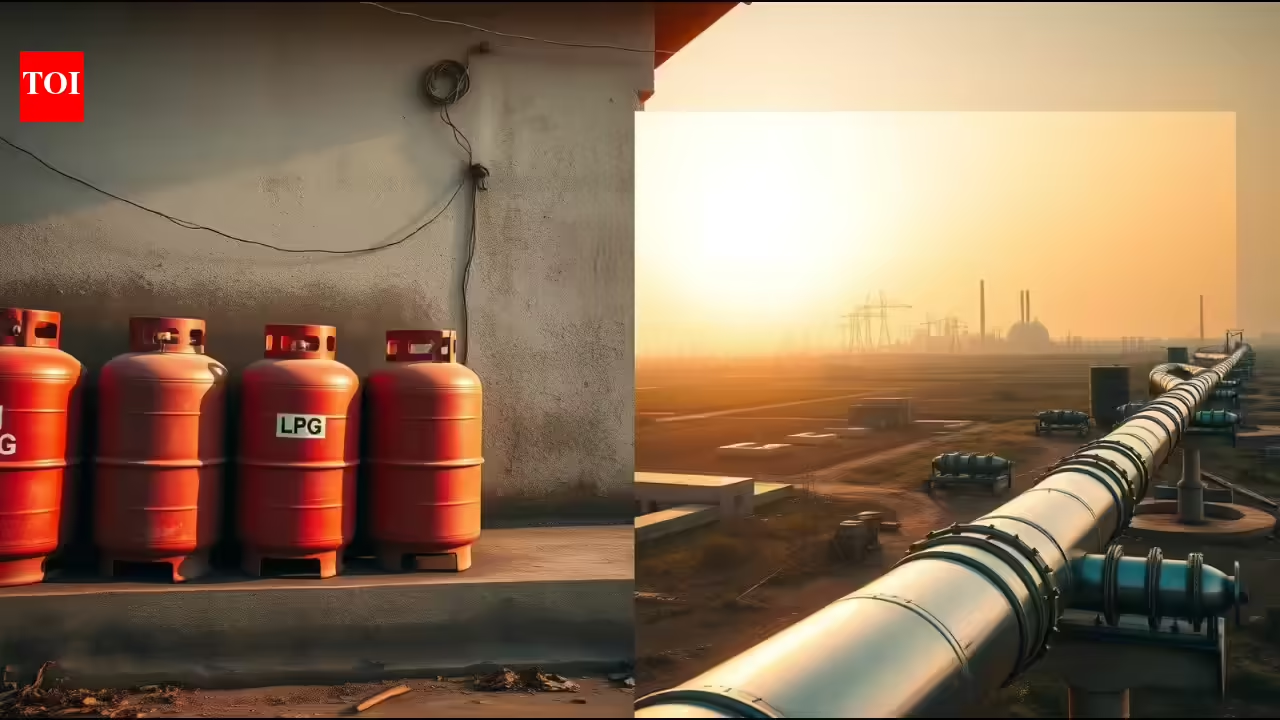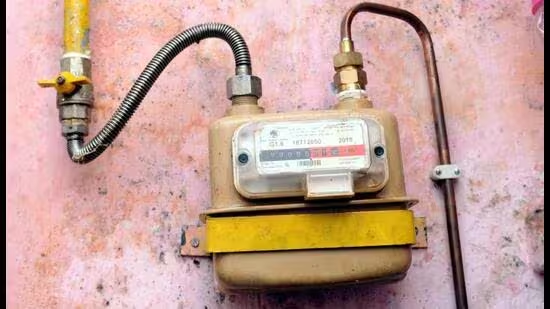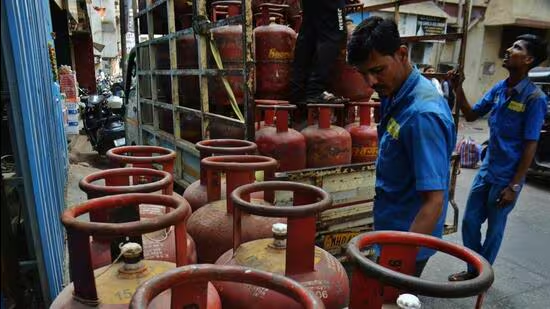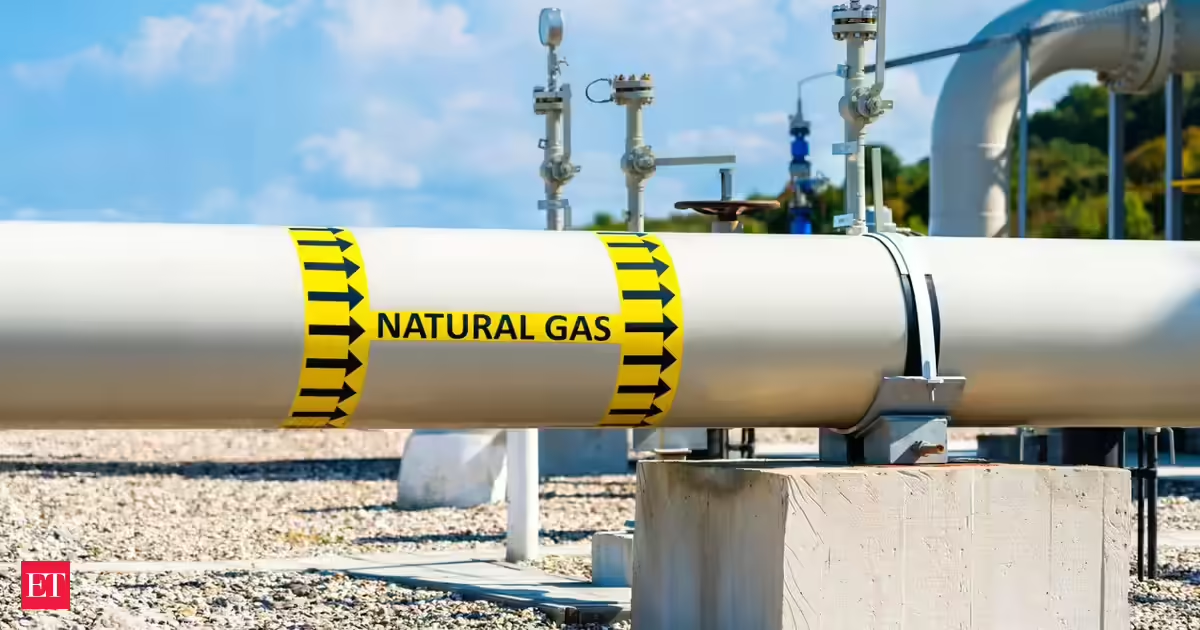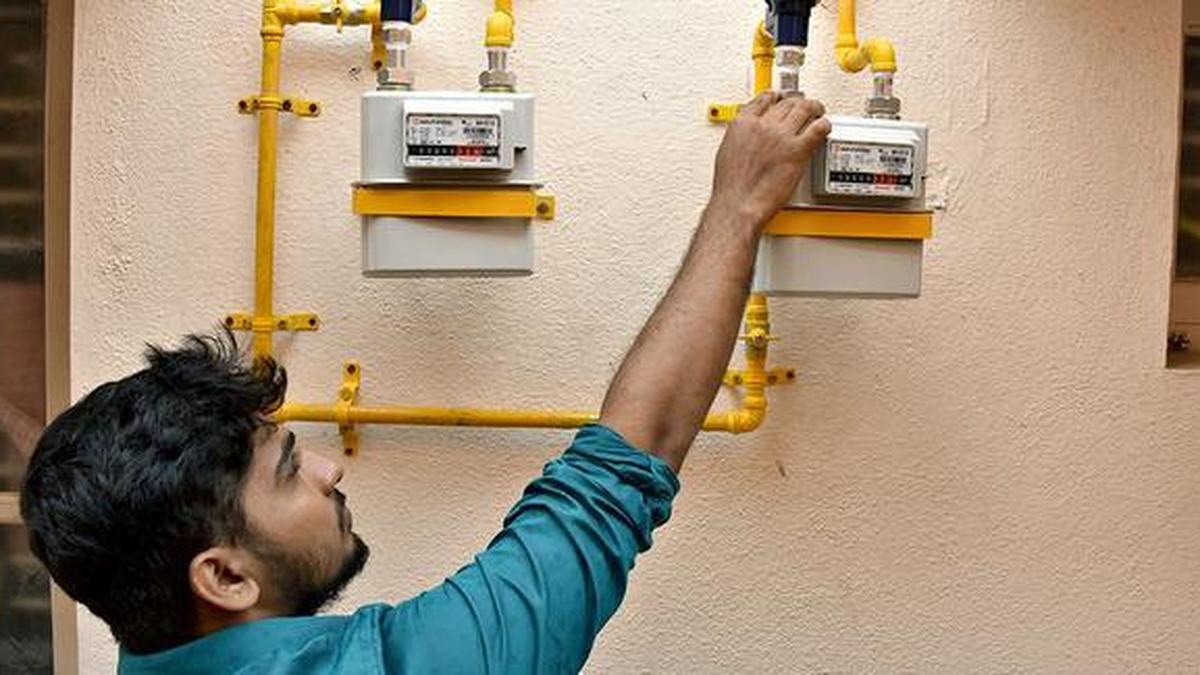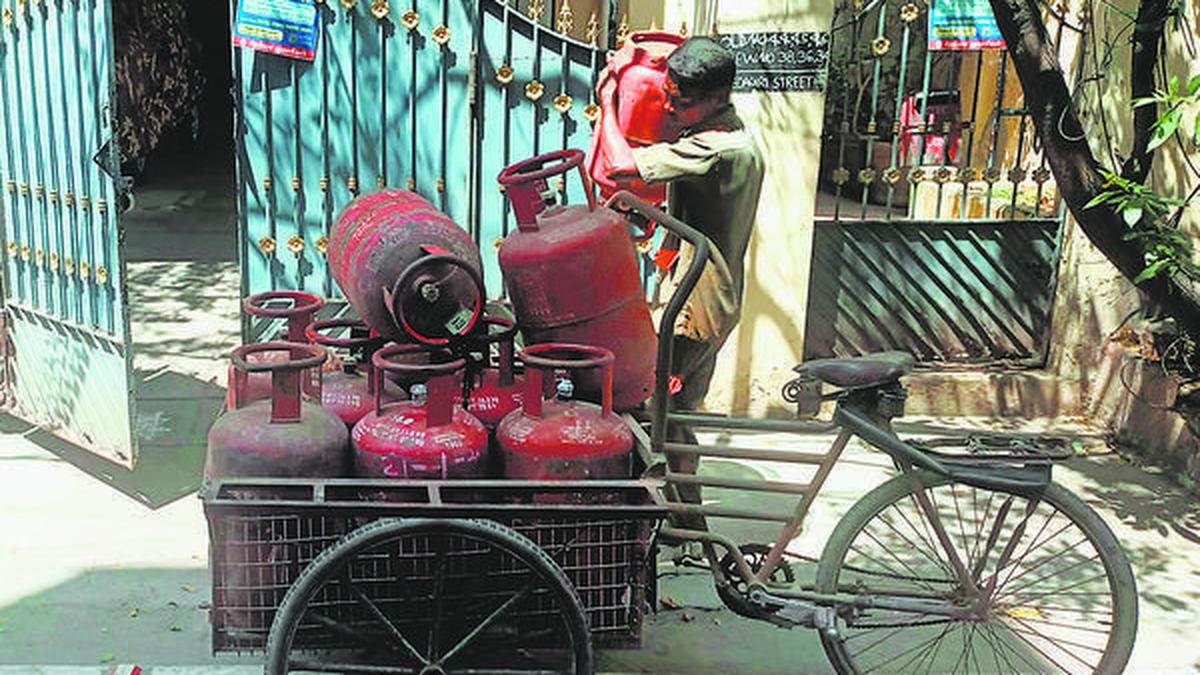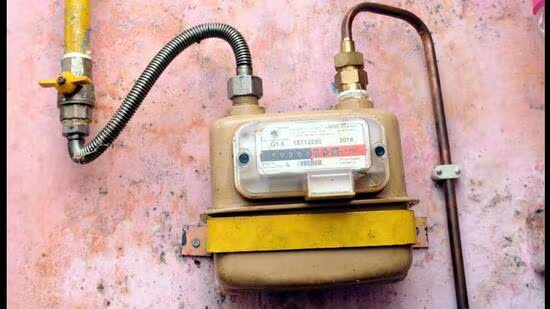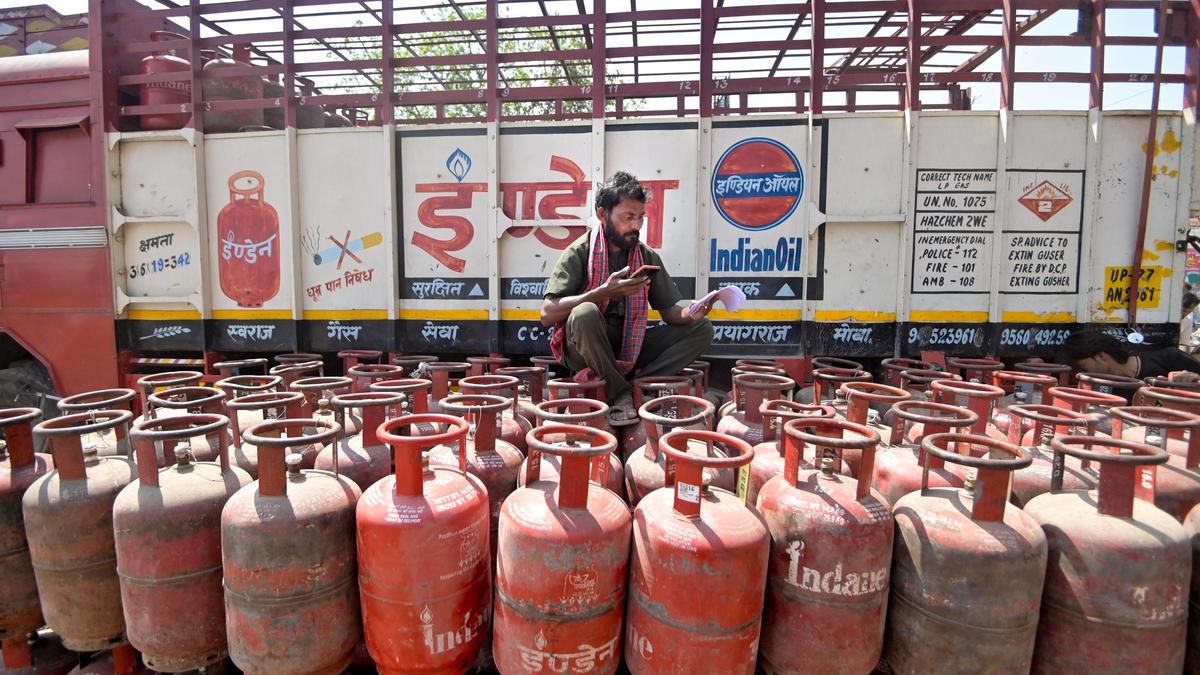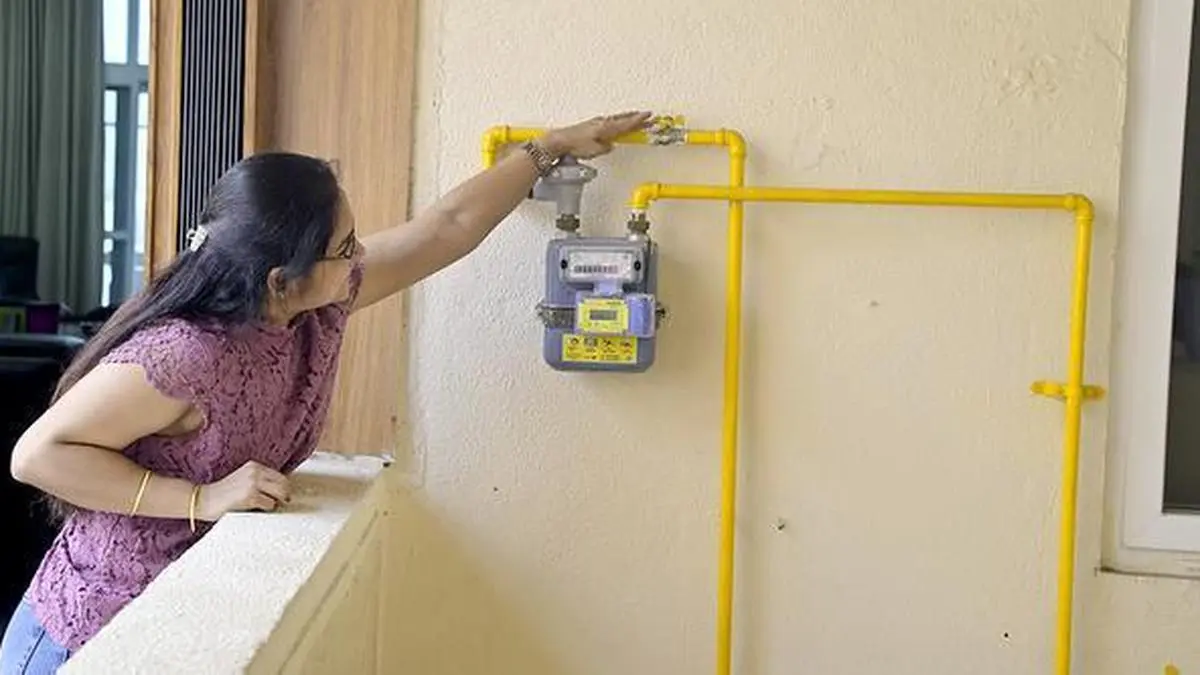
To reduce losses, the Oil Ministry is working “aggressively” to expand the consumer base of PNG and migrate LPG customers.
| Photo Credit:
The government is aggressively pushing LPG consumers towards domestic piped natural gas (D-PNG) as the West Asia conflict has severely impacted financial profile of PSU OMCs.Sources said a letter by Petroleum Secretary Neeraj Mittal to Chief Secretaries of States estimates the loss per domestic LPG cylinder at ₹690 which could translate into a cumulative loss of ₹1.38 lakh crore on an annual basis if the war extends.The push to D-PNG assumes more significance as the cost of a 14.2 kg domestic LPG cylinder hit ₹1,600 in June 2026, even as PSU oil marketing companies (OMCs) are charging ₹942 per cylinder from general consumers and ₹642 from PM Ujjwala households.Besides reducing the subsidised cylinders from nine to four for PM Ujjwala UY households, the government has initiated several measures to increase use of alternative fuels, including aggressively pushing to migrate LPG consumers to D-PNG.The aim is to first cover more than 150 high priority districts targeting 30 lakh connections. Overall, it is estimated that around 60 lakh LPG connections can migrate to D-PNG.Sources said the Oil Secretary’s letter to State Chief Secretaries exhorts them to fast track the migration to PNG. Mittal also highlighted issues faced by the PSU OMCs and city gas distribution (CGD) in expanding coverage.A top source said that PSU OMCs — Indian Oil Corporation (IOCL), Bharat Petroleum Corporation (BPCL) and Hindustan Petroleum Corporation (HPCL) — have been on the forefront of meeting India’s energy needs at a time the world is witnessing the biggest energy disruption in history.“They currently face a loss of ₹690 per domestic cylinder on LPG. On an annual basis, this amounts to about ₹1.38 lakh crore. Besides, the subsidy for PMUY beneficiaries is around ₹19,000 crore. The government has already supported OMCs with ₹1.23 lakh crore to shield citizens for high prices,” the official added.Encouraging statesTo reduce losses, the Oil Ministry is working “aggressively” to expand the consumer base of PNG and migrate LPG customers. However, migrating people to D-PNG in towns and cities is facing issues such as consumer non-responsiveness, said a senior official.However, the migration exercise is facing several issues in States. The field experience of CGD companies points towards access constraints, consumer non-responsiveness and local issues. These are adversely impacting the pace of PNG adoption, the official pointed out.“To deal with this issue, the Ministry has now urged all the States and Union Territories to direct district collectors/ district magistrates/ commissioners/ special officers of Urban Bodies to collaborate with respective state-level coordinators/ CGD entities to nudge and urge LPG consumers to fully migrate to PNG, wherever possible,” he added.PSU OMCs and CGD companies are pursuing two types of LPG consumers to migrate to D-PNG. First are the consumers who have already taken up PNG connection and need to surrender their LPG cylinder. Second type of consumers are those who live in an area where the PNG network is available and can support migration from cylinders.Published on June 10, 2026