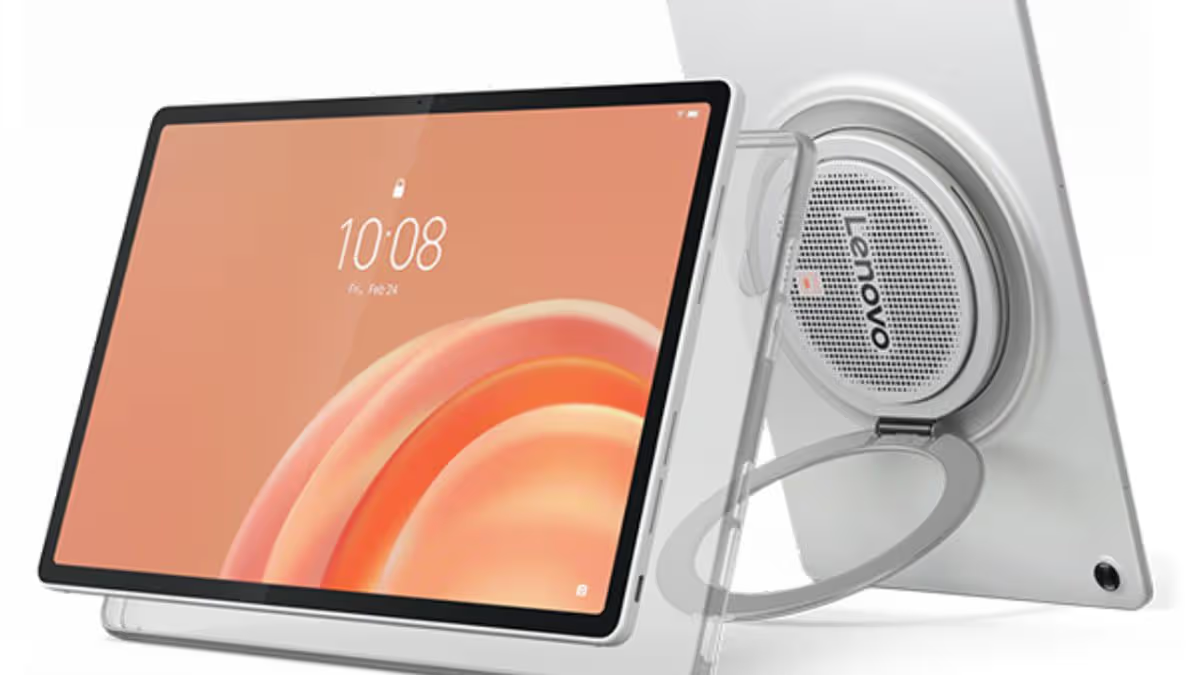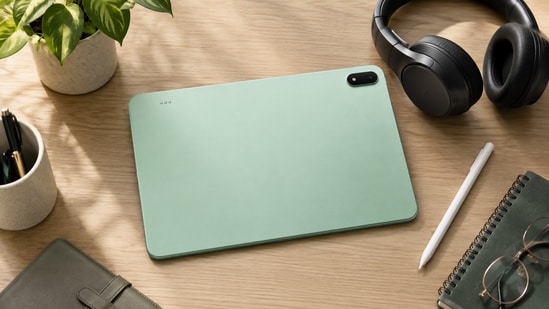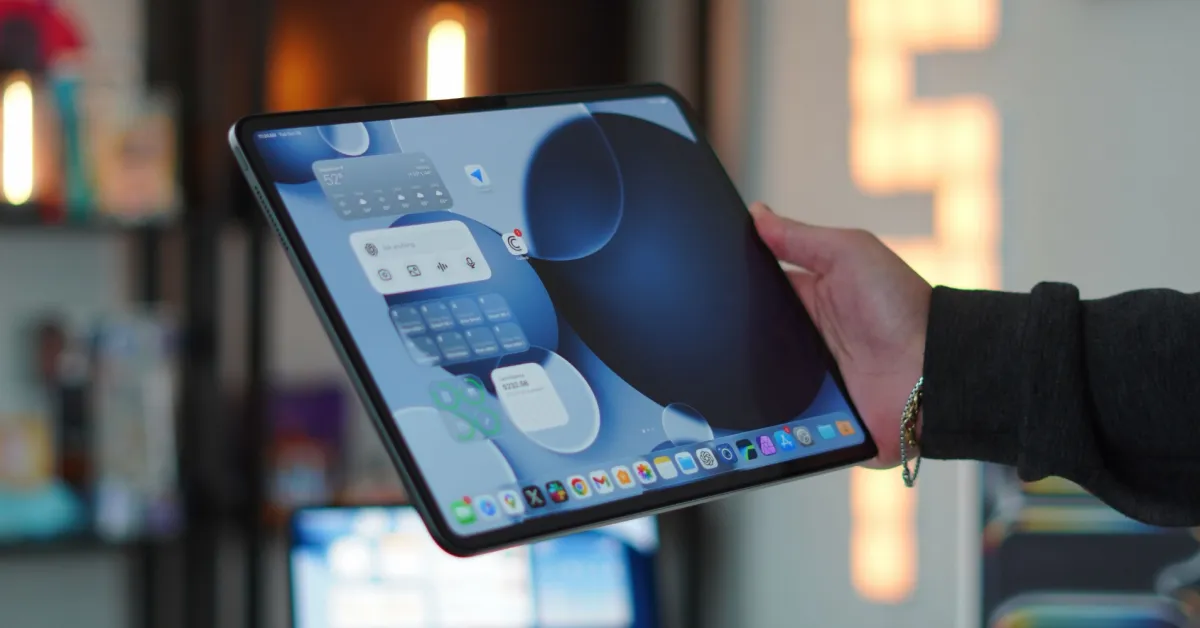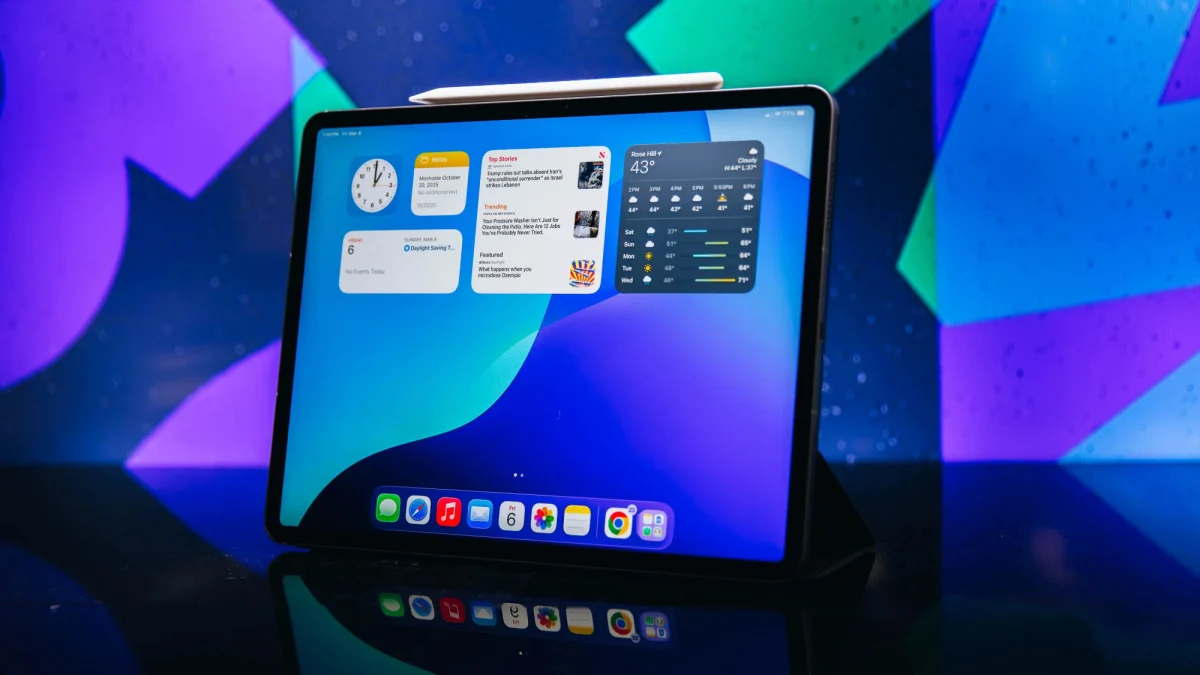
Apple’s iPad continues to dominate the global tablet market, but Chinese manufacturers are increasingly narrowing the gap with devices that combine premium design, strong performance and lower price points. In 2026, competition in the tablet space is being shaped less by brand loyalty and more by value, productivity features and ecosystem flexibility.
Several Chinese tech brands have improved their tablet offerings significantly, focusing on larger high-resolution displays, faster processors, stylus support and desktop-like productivity modes. These devices are increasingly appealing to students, creators and professionals who want strong performance without paying premium Apple pricing.
A key shift in the market is the growing emphasis on productivity and multitasking. Many of these tablets now support split-screen workflows, keyboard attachments and cloud-based work environments, making them viable alternatives for users who previously defaulted to iPads for work and creative tasks.
Battery life, display quality and AI-powered features have also become major selling points. Manufacturers are integrating smarter note-taking tools, enhanced handwriting recognition and improved app optimisation to attract users in education, design and remote work environments.