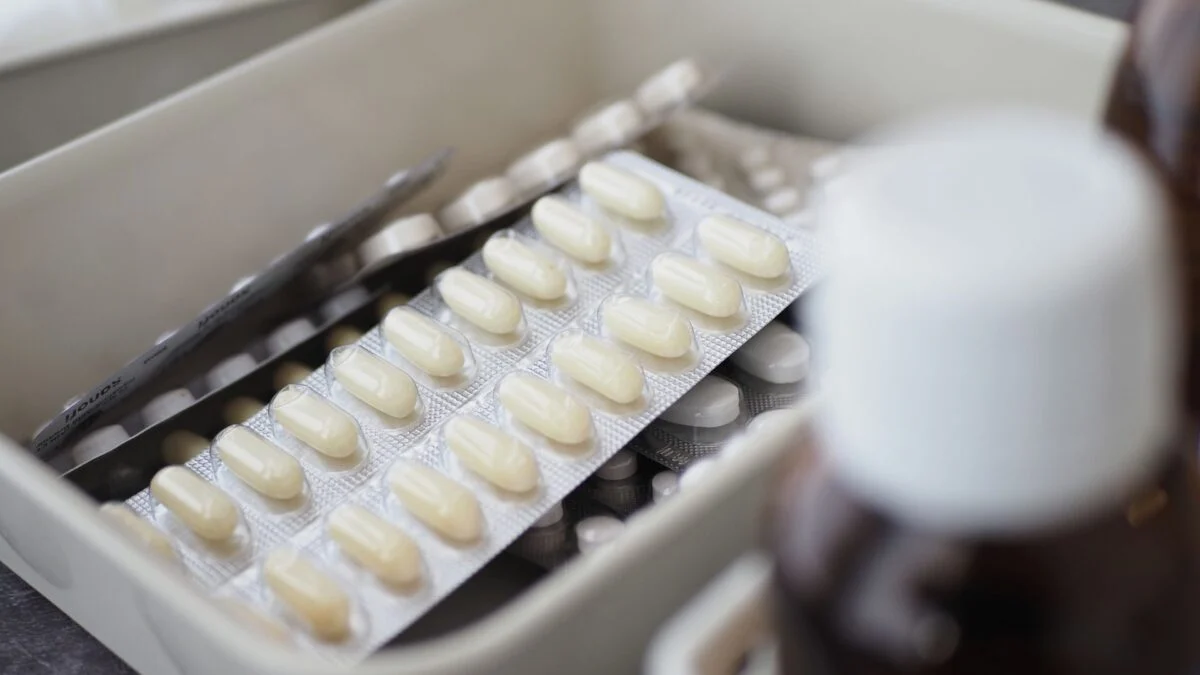
A substantial number of millennial and Gen X Americans have trouble reading a pill bottle, research out today suggests. Scientists at Northwestern University in Chicago tested the health literacy of primary care patients between their 30s and 50s. Roughly a third scored poorly on the test, while many struggled at everyday health-related tasks like choosing a medication’s correct dosage or remembering a doctor’s instructions. The findings indicate that more should be done to improve people’s comprehension of their medical needs, the researchers say. “This is less about what any individual can or cannot do and more about how the healthcare system can better support people in managing increasingly complex health demands,” lead author Abigail Vogeley, a research fellow and neuropsychology doctoral student at Northwestern University Feinberg School of Medicine, told Gizmodo. “If you’ve ever left a doctor’s office unsure about what you were supposed to do next, you’re not alone.” A missing gap Studies have consistently shown a majority of older adults struggle with health literacy, and the worse your health literacy is, the poorer your health tends to be. That’s an alarming issue since these same people typically rely on many medications to take care of their various medical conditions.
A Surprising Number of Gen Xers and Millennials Can't Figure Out a Pill Bottle
Drug labeling should be more consistent and in plainer language, the researchers argue.
793 words~4 min read