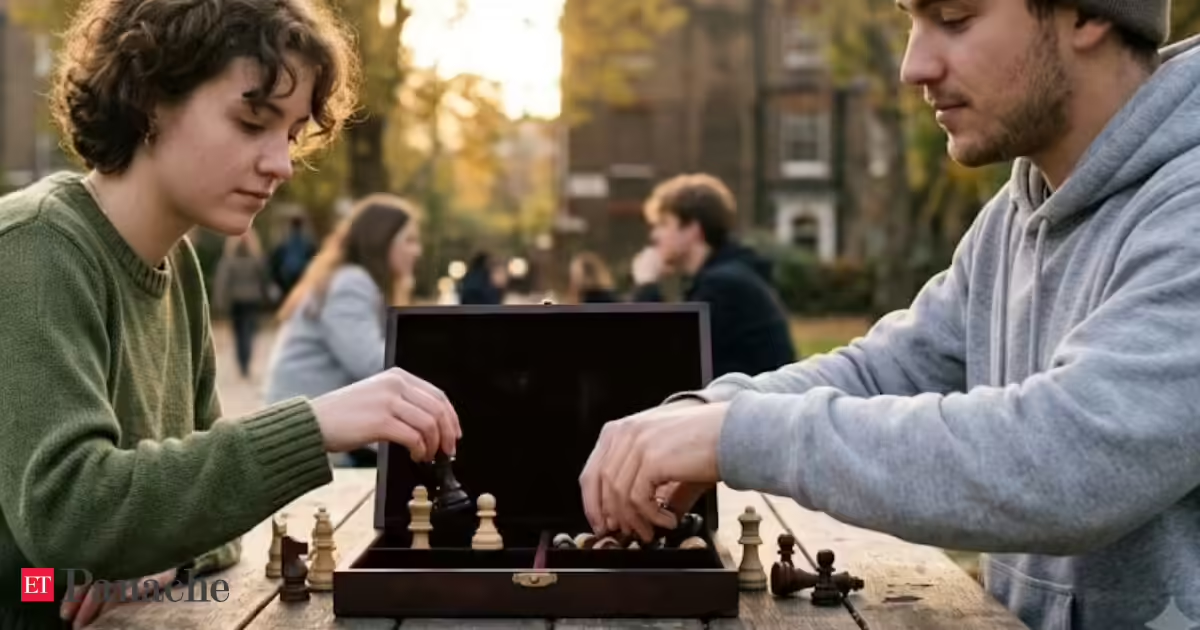
Proverb of the Day explores traditional sayings from around the world that continue to offer simple yet powerful lessons about life, human nature, and the realities people often forget in the pursuit of success. The French proverb of the day, “At the end of the chess game, both the king and the pawn go back into the exact same box,” is one such reflection on equality, mortality, and the temporary nature of status.The saying uses the familiar image of a chessboard, where each piece has a different role and value. Some pieces command authority, while others are considered expendable. Yet once the game is over, those differences disappear. The proverb reminds people that power, wealth, and social position may shape life, but they do not change the final destination shared by everyone.Many traditional European proverbs use ordinary objects and situations to explain larger truths. This particular saying is often associated with French wisdom and reflects a perspective found across many cultures: that life is temporary and human beings are more equal than they sometimes believe.France has long been known for its contributions to philosophy, literature, culture, and social thought. Proverbs passed down through generations remain an important part of that tradition because they communicate complex ideas in a way that is easy to understand and remember.Over time, sayings like this continue to resonate because they encourage humility and perspective. They remind people that titles, achievements, and possessions may matter during life's journey, but they do not define a person's ultimate worth.Proverb of the Day: The game ends the same way for everyone"At the end of the chess game, both the king and the pawn go back into the exact same box."The proverb presents a straightforward but powerful observation about life. Through the image of a completed chess game, it highlights the temporary nature of rank, authority, and social distinctions. During the game, the king and the pawn appear to exist in completely different worlds. One holds the highest position, while the other is often sacrificed for a larger strategy.The first part of the proverb focuses on the contrast between status and position. Just as a king has greater power on the chessboard, people in society often occupy different levels of influence, wealth, or recognition. Some lead organizations, govern nations, or accumulate great fortunes, while others live much simpler lives.The second part shifts attention to what happens when the game ends. Regardless of their role during play, every chess piece is returned to the same box. The proverb uses this image to suggest that life eventually removes the distinctions people spend years building around themselves. Death does not recognize titles, possessions, or social standing.Taken together, the saying serves as a reminder that human beings share a common destiny. While ambition and achievement have their place, the proverb encourages people to remember that humility, kindness, and character often leave a more lasting impact than status alone.Why Status Matters Less Than We ThinkMany people spend years chasing promotions, recognition, wealth, or influence. There is nothing inherently wrong with striving for success, but the proverb invites people to consider whether status should become the sole measure of a meaningful life.History provides countless examples of kings, rulers, business leaders, and famous personalities who once appeared larger than life. Yet time eventually placed them alongside ordinary people in the pages of history. What often remains remembered is not their position but their actions, values, and treatment of others.The proverb does not criticize success. Instead, it encourages balance. It reminds people that achievements are temporary, while integrity and humanity often carry deeper significance.Life Lessons from the ProverbEveryone shares the same destinationNo matter how different people's lives may seem, everyone ultimately faces the same reality. This understanding can encourage greater empathy and respect.Humility is always valuableSuccess can sometimes create a false sense of permanence. The proverb reminds people to remain grounded regardless of their accomplishments.Character outlasts statusPositions and titles can change quickly. A person's values, actions, and relationships often leave a stronger legacy.Life is bigger than competitionLike a chess match, life can sometimes feel like a constant struggle to get ahead. The proverb encourages people to focus on purpose and meaning rather than endless comparison.Why This Proverb Is Still Relevant TodayIn today's world, social status is often displayed more visibly than ever before. Social media, professional achievements, wealth, and public recognition frequently become measures of success. People are constantly exposed to images of influence and accomplishment, which can create pressure to compare themselves with others.This proverb offers a different perspective. It suggests that while success can be rewarding, it should not become the foundation of self-worth. The differences that seem enormous in daily life may appear much smaller when viewed through the broader lens of time.The saying also speaks to modern conversations about equality and human dignity. Regardless of profession, background, or social position, every individual deserves respect. The proverb quietly challenges people to look beyond labels and remember the common humanity they share with others.Its message remains relevant because it addresses a truth that has not changed across generations: life's most important lessons are often not about power, but about perspective.
French proverb of the day: 'At the end of the chess game, both the king and the pawn go back into the exact same box...' A timeless lesson on why power and wealth does not define a person
The French proverb of the day, “At the end of the chess game, both the king and the pawn go back into the exact same box,” uses the game of chess to convey a timeless lesson about equality and humility. It reminds us that while people may hold different levels of power, wealth, or status during their lives, those distinctions ultimately fade. The saying encourages individuals to focus on character, kindness, and meaningful actions rather than social position, as everyone shares the same human destiny in the end.
854 words~4 min read