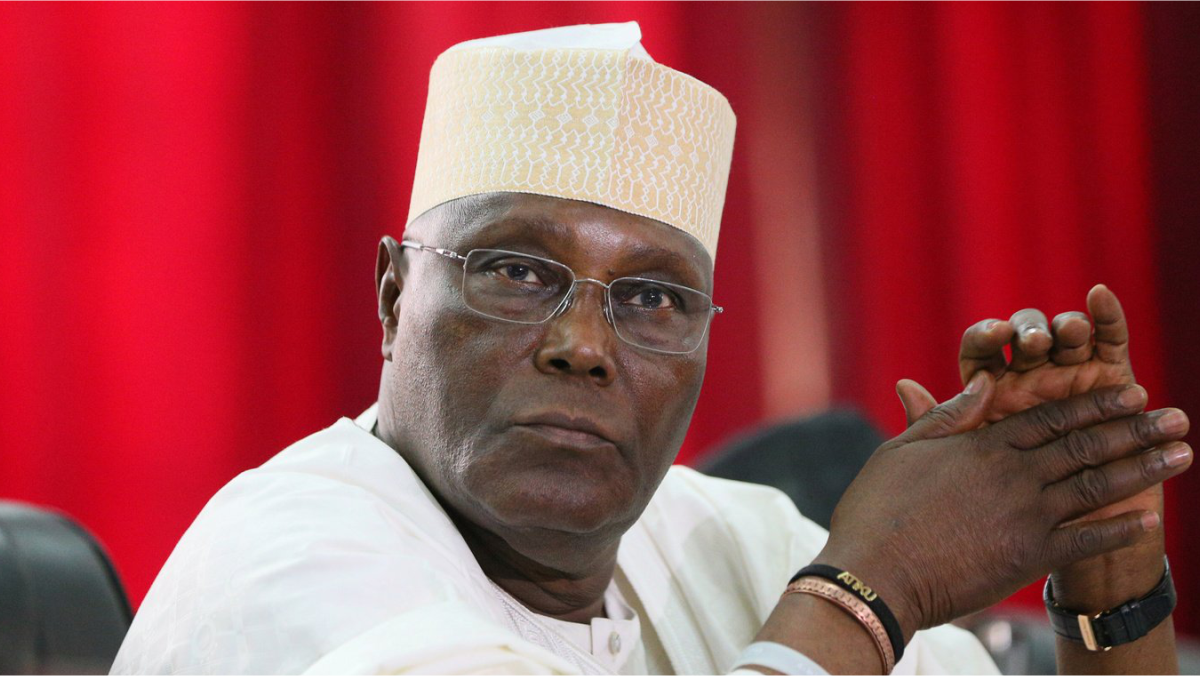
The Federal Government has revealed that former Vice President, Alhaji Atiku Abubakar, was among the prominent political leaders who consented to the adoption of a rotational presidency in Nigeria. This political arrangement was established in the turbulent aftermath of the annulment of the June 12, 1993, presidential election.
Secretary to the Government of the Federation (SGF), Senator George Akume, disclosed this during a World Press Conference in Abuja. The briefing was convened as part of state activities marking Nigeria’s Democracy Day anniversary. According to Senator Akume, the decision to alternate presidential power between the northern and southern regions emerged from intensive consultations among political leaders striving to preserve national unity following the June 12 crisis.
Historical consensus and the Kaduna declaration
Senator Akume stated that leaders of the Peoples Democratic Party (PDP) initially convened in Kaduna under the leadership of the late Chief Solomon Lar and Alhaji Adamu Ciroma. During these deliberations, the contentious issue of power rotation was extensively debated before a formal consensus was reached. The SGF noted that Alhaji Atiku was present at the meeting and actively participated in the decision-making process that ultimately institutionalised the rotational presidency.