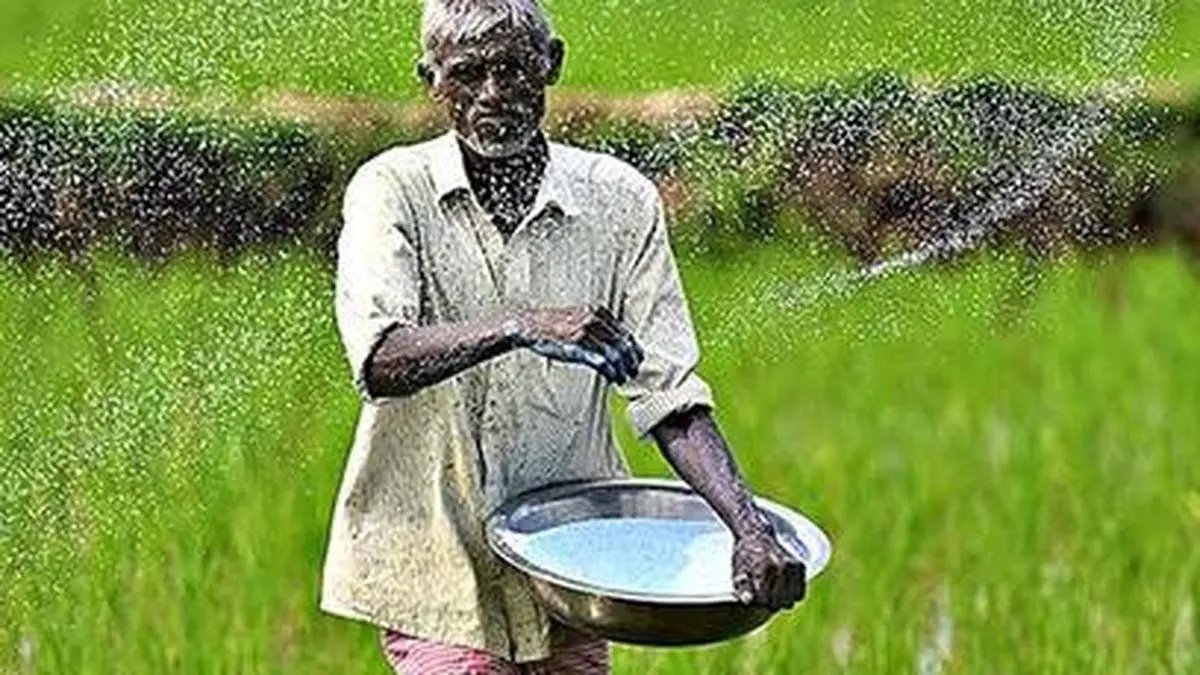
Small tenant farmers are unable to compete with rising lease rates and a lack of access to institutional credit
The Tenant Farmers’ Recognition Struggle Committee has asked the Telangana government to implement the 2011 Act to issue Loan and Other Benefits Eligibility Cards to all the tenant farmers in the State. This will give them access to institutional credit and all government schemes being implemented for farmers.It asked the government to create a uniform system for all schemes and crops, determining eligibility based on tenant-cultivator cards, starting with e-crop booking. The cultivator card should be used to link the benefits to the tenant’s bank account.The committee released a report on the status of tenant farmers and the various challenges they face. The report was based on a survey of about 1,800 tenant farmers in 57 villages across 22 districts of the State.It felt that the government should consult with all stakeholders if it considers making changes to the law in this regard. “You must hold consultations with tenant farmer organisations before making any drastic changes to the law. Do not introduce counterproductive requirements such as mandatory landowner signatures,” the committee said.They pointed out that such a norm had resulted in the failure of the Crop Cultivators Act 2019 in Andhra Pradesh. Stating that about 50 per cent of people in rural areas are landless, the committee said that competition for the land is increasing among tenant farmers who have chosen agriculture as their livelihood. Small tenant farmers are unable to compete with rising lease rates and a lack of access to institutional credit.“As the cost of production increases, small lease holdings turn non-profitable. Tenant farmers are being forced to take out private loans at very high interest rates,” it said.“Just as unorganised workers, migrant workers, and gig workers are keeping our cities and towns alive today with their labour, blood, and very low wages, without any legal rights, tenant farmers are keeping rural agriculture and the economic system alive,” the report felt.Published on June 10, 2026