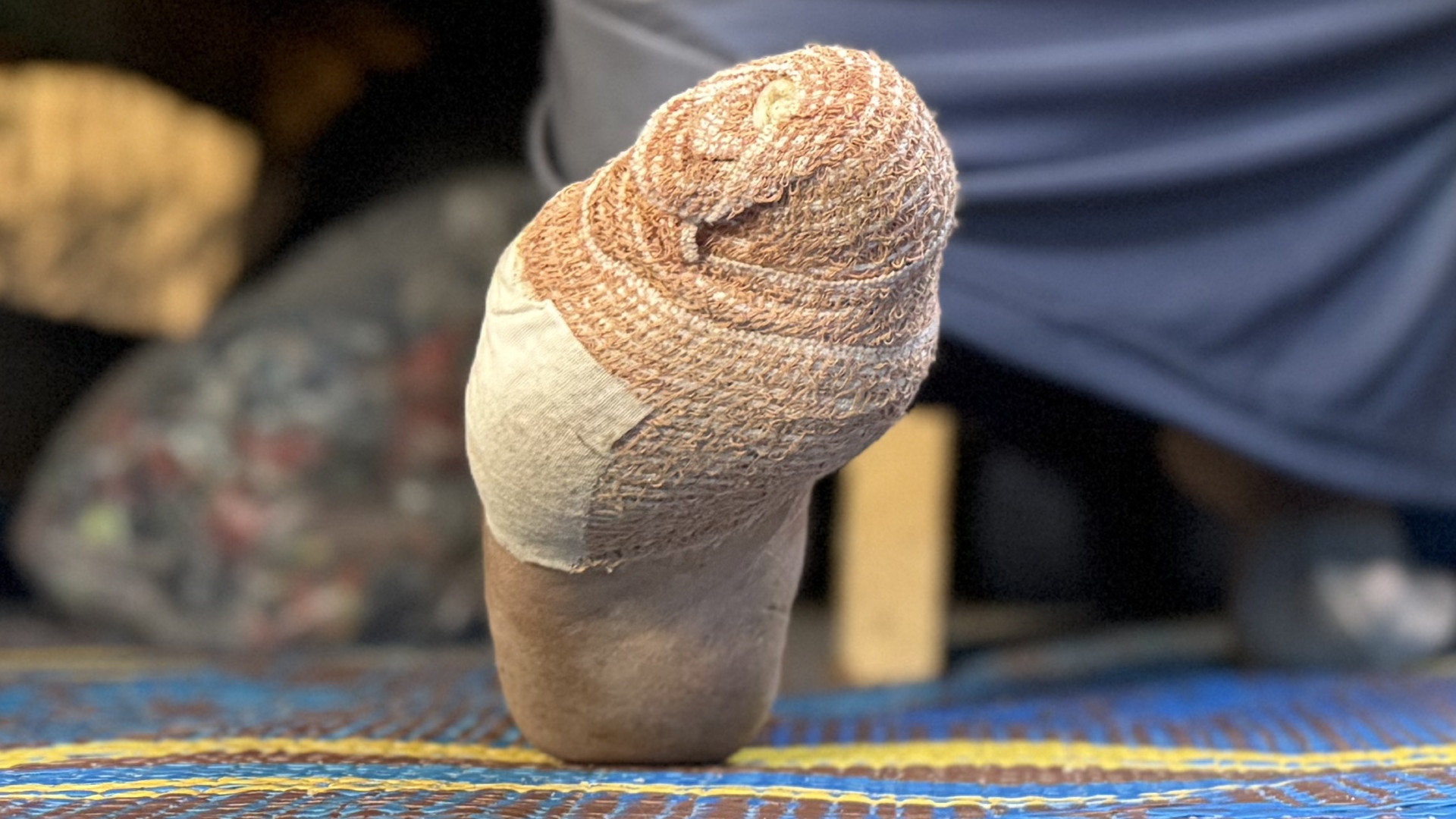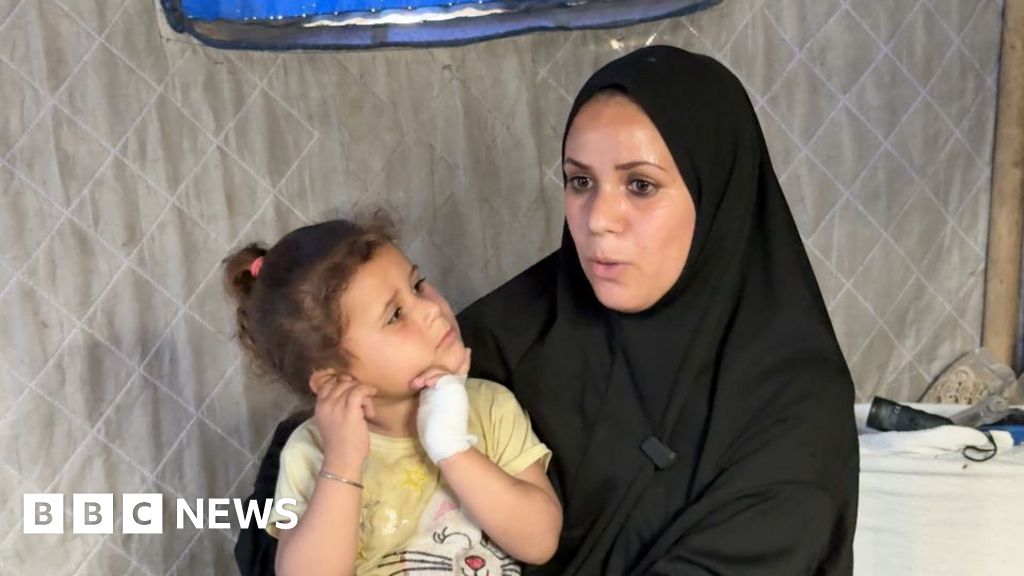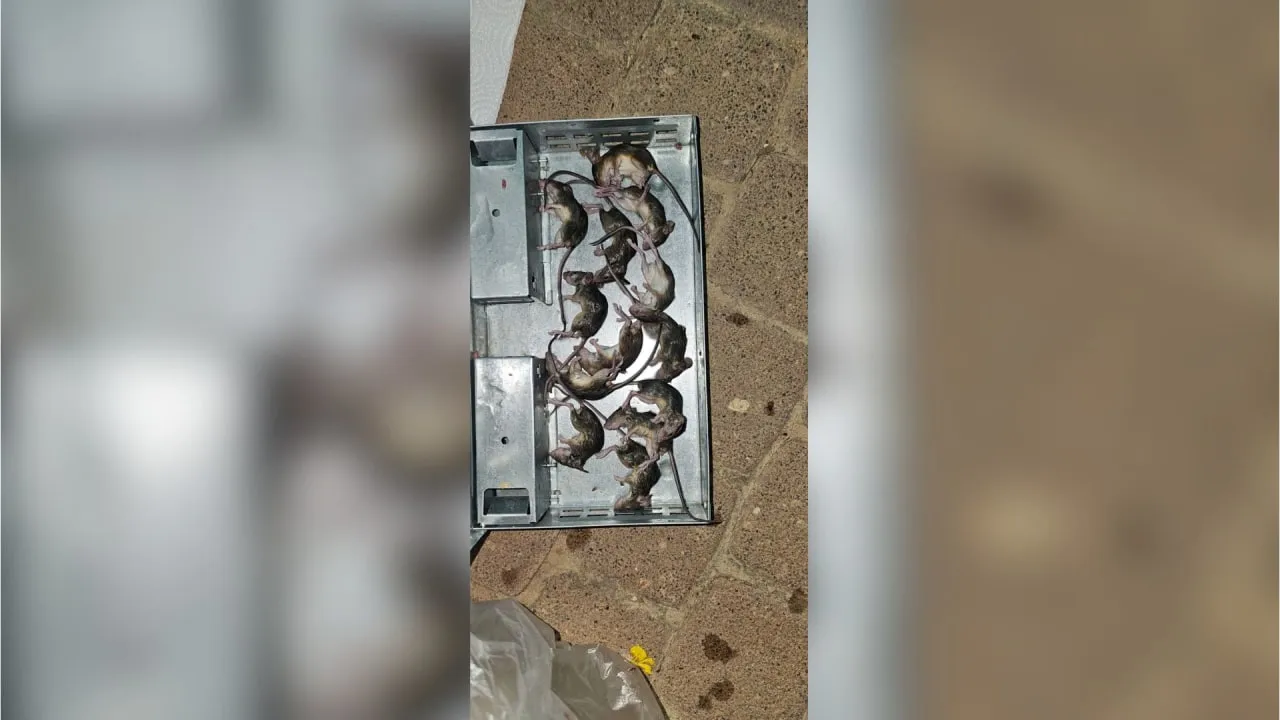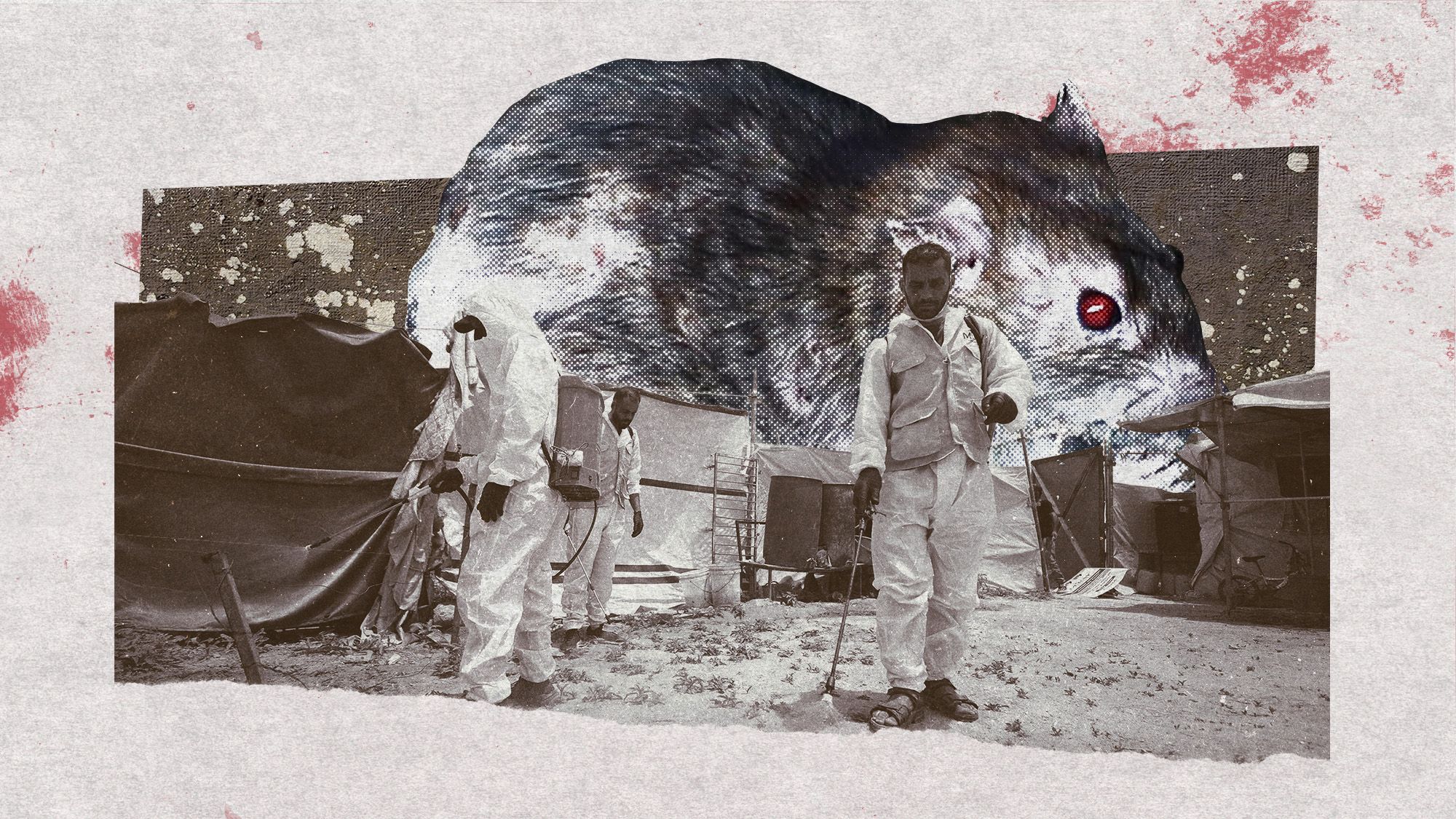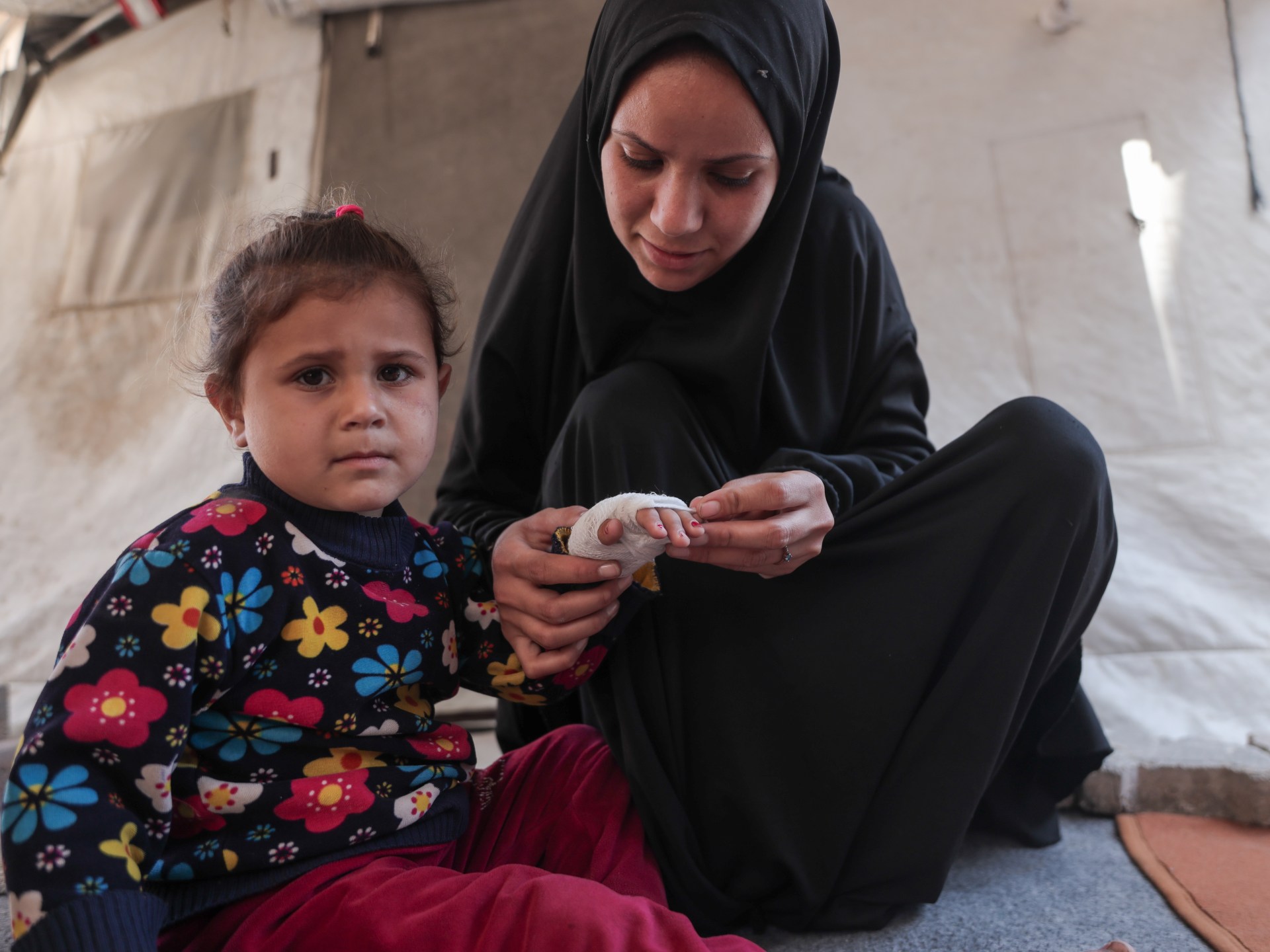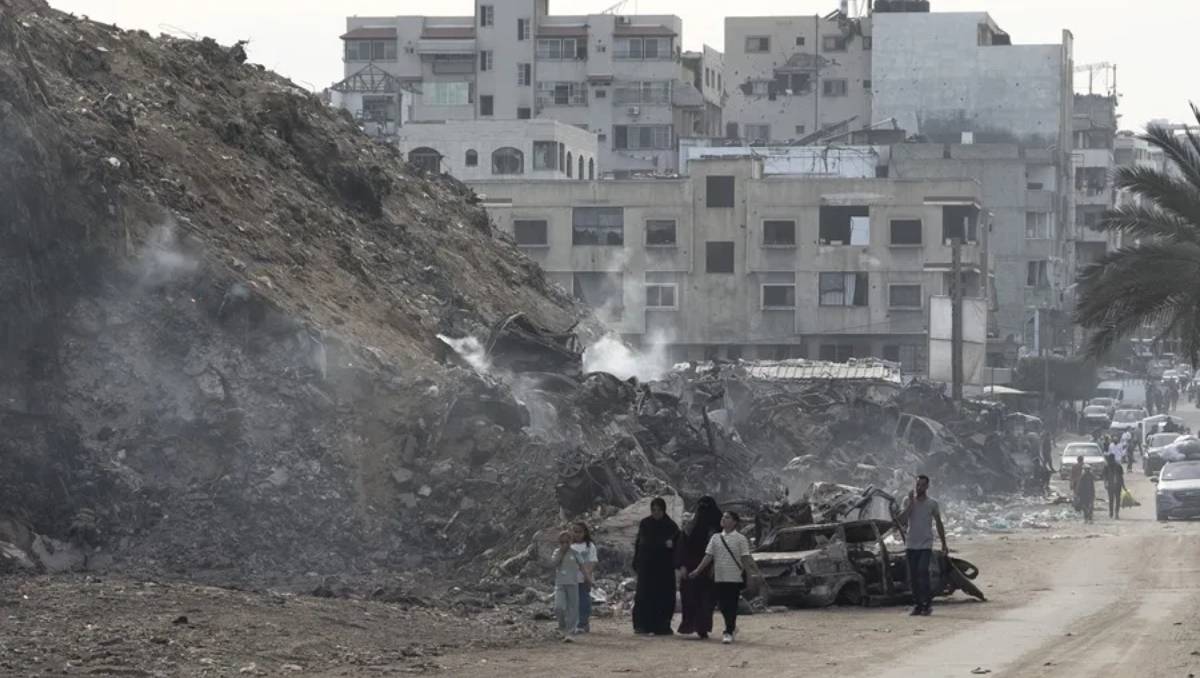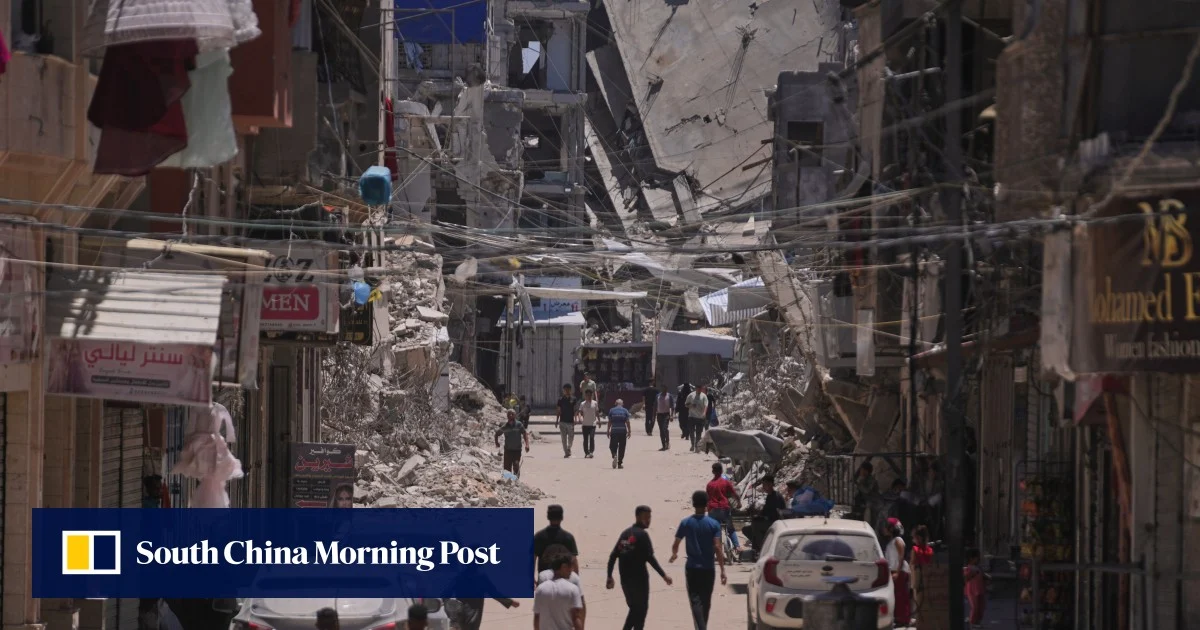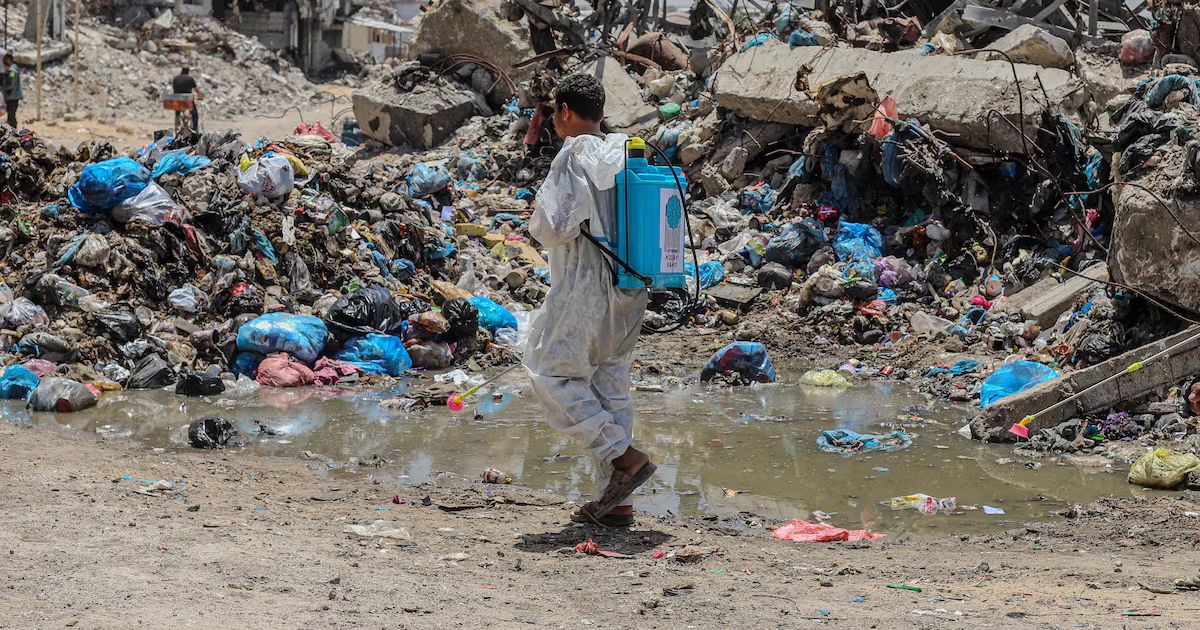
It took the combined effort of five men to corner and kill the large rodent that invaded Malek Shinbary’s tent in Gaza, terrifying his five-year-old daughter.“It was a big weasel, the size of a rabbit,” said Shinbary, a Palestinian writer living with his wife and two small children in a tent in Al-Mawasi, an overcrowded encampment with no utilities hosting hundreds of thousands of displaced people on the coast in southern Gaza.“These big rodents have been feeding on bodies under the rubble and their numbers have multiplied,” said Shinbary. “They come into the tent and chew on our clothes. Every day we have to throw something out.”Rodents and insects are the latest scourge to hit Palestinians struggling to survive in devastated Gaza, where sewage flows between tents, rubbish piles up, and clean water is in short supply. Rats and weasels chew their way into tents, biting children and contaminating food, families say.“Every day we take all the bedding and clothes out of the tent to be exposed to the sun, but still there are bedbugs at night,” said Shinbary. He said sticky tape could be bought to catch mice, but was too expensive at about $3.50 (€3) a strip. “You need five or six every day,” he said.Lice, fleas and mosquitoes are also spreading in the vast camps filled with Gaza’s displaced people, transmitting disease and causing skin infections, according to a UN survey in April.The spread of pests comes eight months into a ceasefire in the conflict between Israel and Hamas in Gaza. There has been no reconstruction since then, after most of the strip’s built environment was bombed into ruins. Roughly two million Gazans are crammed into an ever-shrinking patch of land after Israel claimed control over 60 per cent of the narrow strip.Rodents were becoming “a huge, huge problem because of accumulated rubble everywhere”, said Salim Oweis, a Unicef spokesman who saw 10 cases of children with rodent bites on a visit to Gaza this month.“Machinery [to move rubble] is not allowed in, and another problem is the space left in Gaza. It’s really hard to find a place to move the rubble to. It has created the perfect environment for rodents to multiply,” he said.Wounds from rodent and insect bites, he said, “get inflamed and contaminated easily” because of shortages of clean water and hygiene products.Tent shelters housing displaced Palestinian families in Gaza City in January. Photograph: Omar Al-Qattaa/AFP via Getty Images A Palestinian boy searches a rubbish dump in the Al-Bureij camp in the central Gaza Strip in July 2025. Photograph: Eyad Baba/Getty Images
‘They have been feeding on bodies under the rubble’: Rodents are latest scourge to hit Gaza
Palestinians struggling to survive in the devastated Strip, where sewage flows between tents, rubbish piles up, and clean water is in short supply
1,386 words~6 min read