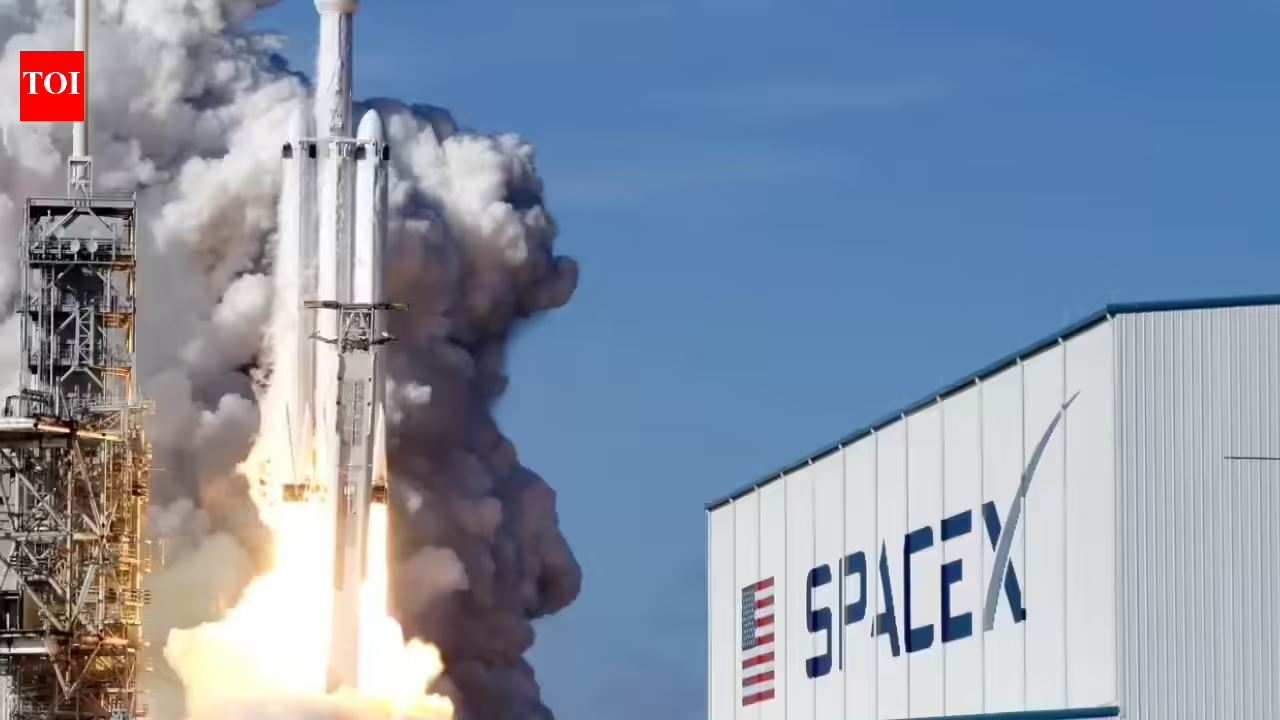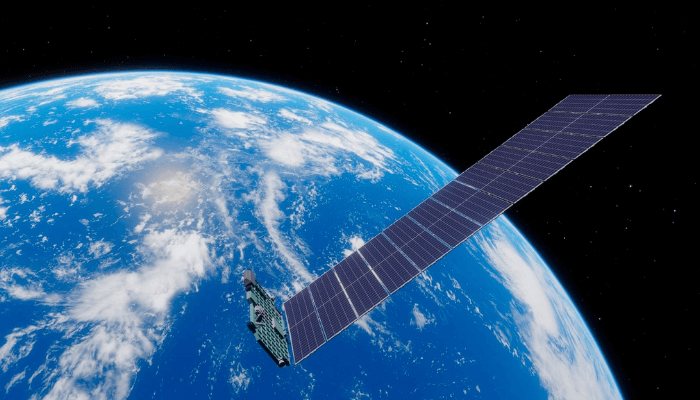
The SpaceX IPO is already rewriting financial history before a single share begins trading. Investor demand for Elon Musk’s rocket company has reportedly crossed $250 billion, while SpaceX is seeking to raise $75 billion through what could become the largest initial public offering ever recorded. If completed at the proposed size, the SpaceX IPO would shatter the previous IPO record set by Saudi Aramco in 2019 and instantly become one of the most significant moments in modern capital markets.SpaceX is no longer viewed merely as a rocket-launch company. Investors increasingly see it as a platform that connects satellites, data networks, AI infrastructure, and future space-based industries. That shift in perception explains why demand has reportedly reached more than three times the amount of stock available.Markets have remained volatile in recent weeks. Technology stocks have experienced sharp swings, cryptocurrencies have retreated, and uncertainty continues across global financial markets. Yet the SpaceX IPO appears to be attracting capital from nearly every corner of the investment world. Institutional funds, long-term asset managers, and retail investors are competing for allocations. Some market participants even suggest investors are selling other holdings to free up cash for SpaceX shares. Such behavior is rare and typically appears only during landmark market events.Why is the SpaceX IPO generating unprecedented investor demand?The SpaceX IPO is attracting enormous interest because investors see multiple growth engines operating simultaneously within one company. SpaceX dominates commercial rocket launches and has built a reputation for reducing launch costs while increasing launch frequency. That leadership position has created a powerful competitive advantage that few rivals can match.At the same time, Starlink continues expanding globally. The satellite internet network has become one of SpaceX’s most valuable assets and a major reason investors view the company as more than a space business. The combination of recurring subscription revenue and global connectivity creates a growth story that traditional aerospace companies rarely possess.Elon Musk’s involvement also remains a major factor. According to regulatory filings, Musk would retain roughly 82% voting control following the SpaceX IPO. For supporters, that concentration of control ensures long-term strategic vision remains intact. For critics, it raises governance questions. Nevertheless, investor enthusiasm suggests most buyers are focusing on future growth opportunities rather than corporate structure concerns.Can SpaceX justify its $1.75 trillion valuation?The proposed valuation is generating intense debate across Wall Street. SpaceX is seeking a valuation of approximately $1.75 trillion, placing it among the most valuable companies in the world. Supporters argue the valuation reflects future opportunities rather than current earnings.SpaceX’s IPO documents emphasize ambitious plans involving Starlink expansion, artificial intelligence infrastructure, and even space-based data centers. Company executives argue that future AI growth will require enormous computing power and energy resources. SpaceX believes its launch capabilities could eventually enable infrastructure development beyond Earth, opening entirely new commercial markets.However, skeptics note that SpaceX reported losses during 2025. They argue investors are paying today for profits that may take years to materialize. History shows that extraordinary growth expectations can produce exceptional returns, but they can also create valuation risks if execution falls short. The debate surrounding the SpaceX IPO ultimately reflects a larger question facing modern markets: how much should investors pay for future possibilities?The scale of the SpaceX IPO extends beyond the company itself. Reports suggest billions of dollars are being converted into U.S. currency by overseas investors seeking participation. Such flows demonstrate the global reach of the offering and its potential influence on capital markets.Investment banks continue marketing the deal to large institutions, while final allocations will depend on pricing decisions. Demand may still fluctuate before the offering officially launches. Yet one conclusion already appears clear. Investors are not simply buying a rocket company. They are buying into a vision of communications, AI infrastructure, satellite networks, and long-term space commercialization.
Why is the SpaceX IPO generating unprecedented investor demand? Elon Musk’s $75 billion offering attracts more than $250 billion in investor orders
SpaceX IPO demand is rewriting Wall Street history. Elon Musk's SpaceX seeks $75 billion while investor orders reportedly exceed $250 billion. The $1.75 trillion valuation signals massive confidence in Starlink, AI infrastructure, satellite internet, and space technology. Markets are volatile, yet capital keeps rushing toward SpaceX. Sometimes money follows growth. Sometimes it follows the future.
626 words~3 min read