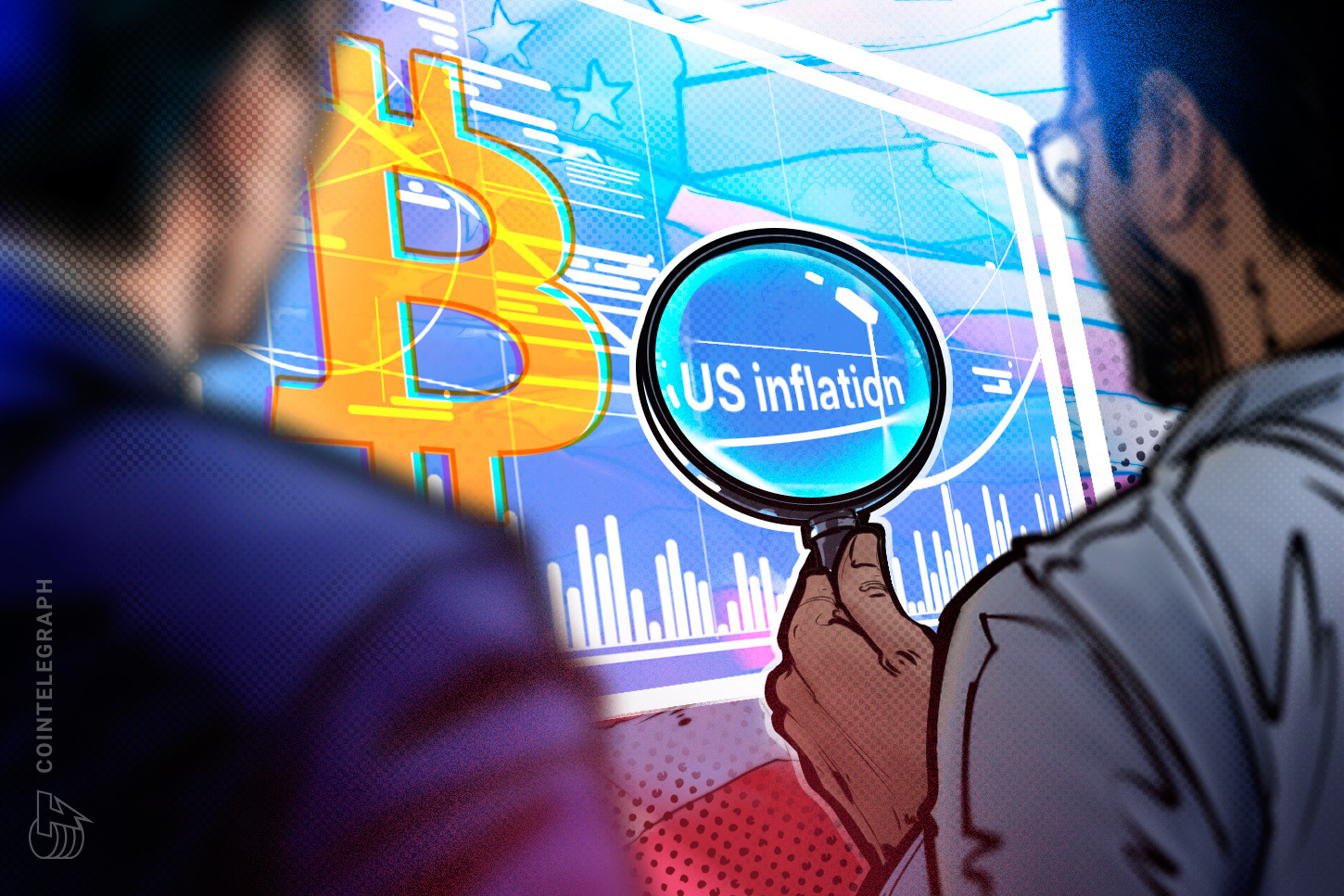
Bitcoin trims losses after core CPI rises less than feared 0.2% in MayHeadline inflation rose an expected 0.5% in May, but the beat on the core rate — which cuts out food and energy costs — is pleasing markets.Updated Jun 10, 2026, 1:16 p.m. Published Jun 10, 2026, 12:42 p.m. 1 min readMake preferred on U.S. inflation data came in as expected on Wednesday, reinforcing the view that the Federal Reserve will keep interest rates at 350-375 bps at its June 17 meeting but is likely to increase rates by 25 bps by the end of the year. The Consumer Price Index year over year rose 4.2% in May, according to a report from the Bureau of Labor Statistics. Economists had been expecting a rise of 4.2% following the April 3.8% increase.On a month-over-month basis, CPI rose 0.5%, against expectations of 0.5% and against April's 0.6% rise. Core CPI, which excludes food and energy costs, rose 0.2% in May versus forecasts of 0.3% and April 0.4%. Year-over-year core CPI was higher by 2.9% versus forecasts of 2.9% and April's 2.8%.While bitcoin saw a slight uptick after the data was published, it still remains under pressure. Bitcoin BTC$62,855.95 traded just above $61,000 following the report, mostly unchanged over the past 24 hours. U.S. stock index futures were down across the board, and the 10-year Treasury yield rose to 4.5%. WTI crude oil continues to head lower, down a further 1% on the day at $88. Ahead of the CPI data, markets were pricing in a 98% probability that the Federal Reserve would leave interest rates unchanged at its June meeting, according to the CME Fed Watch tool.More For YouWhile some analysts argue investors are selling bitcoin to free up capital for anticipated IPOs such as SpaceX and Anthropic, Sygnum's Fabian Dori says market data points elsewhere.What to know: Sygnum CIO Fabian Dori says recent bitcoin ETF outflows are not supported by on-chain and market data as evidence of investors rotating into SpaceX and other anticipated IPOs. Exchange flows, stablecoin balances and crypto risk appetite indicators show little sign of broad capital migration out of digital assets, Dori argues. Read full story
U.S. inflation data better than hoped, boosting BTC
Headline inflation rose an expected 0.5% in May, but the beat on the core rate — which cuts out food and energy costs — is pleasing markets.
360 words~2 min read