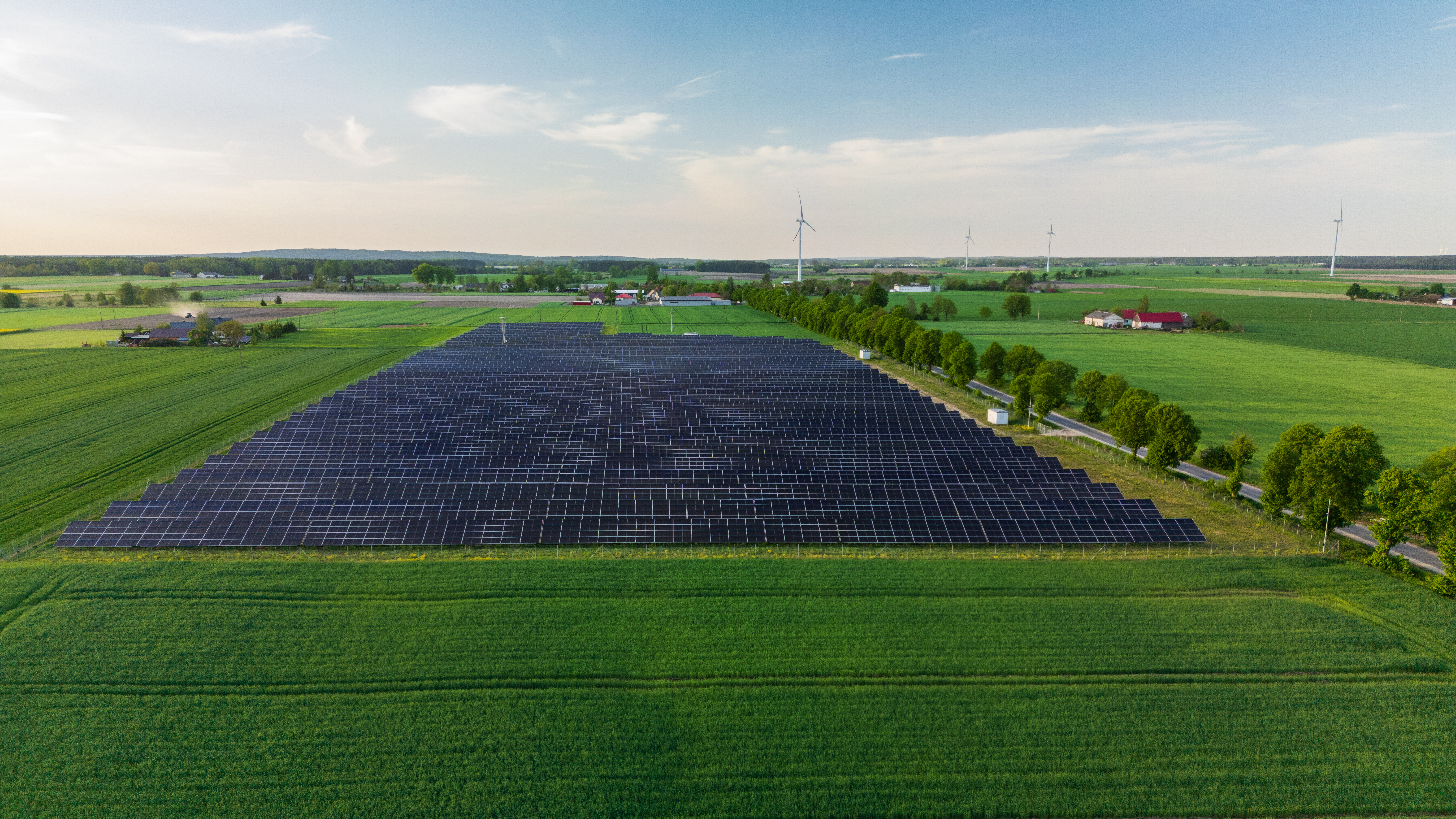
Poland’s new National Energy and Climate Plan (KPEiK) sets out an accelerated energy transition through 2040, with a strong focus on expanding renewables, grid capacity, and energy affordability.
Poland’s Council of Ministers has approved an updated energy and climate strategy outlining an accelerated transformation of the country’s energy system through 2040.
The updated plan, known in Poland as the National Energy and Climate Plan (KPEiK), will now be submitted to the European Commission for approval. Its adoption also paves the way for the closure of infringement proceedings launched against Poland after it missed the June 30, 2024 deadline for submitting the revised document.
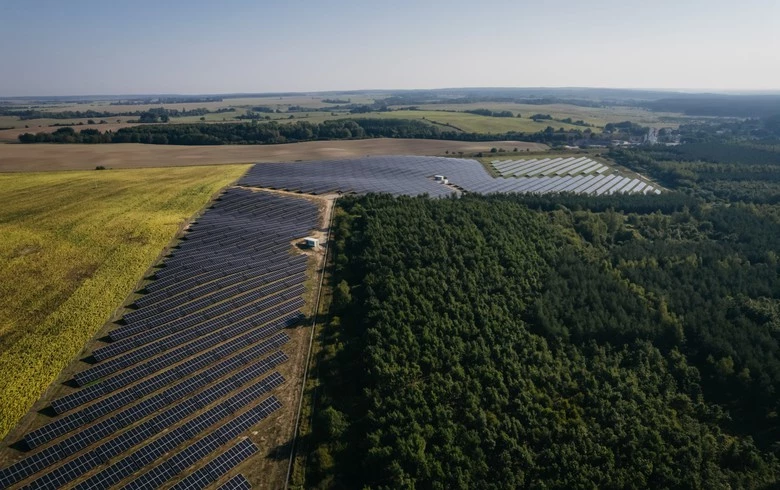
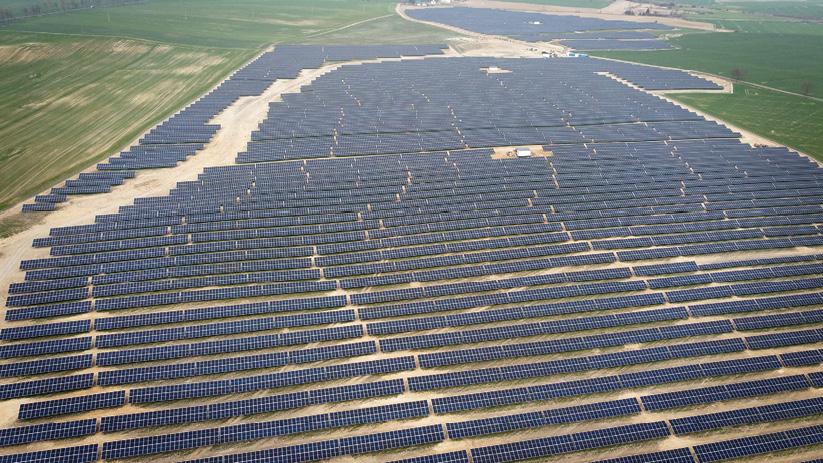
The updated plan projects a significant increase in renewable energy deployment over the next 15 years. Depending on the development scenario, renewables are expected to account for 51.6% to 53.2% of electricity generation by 2030, rising further to 65.6% to 68.9% by 2040.
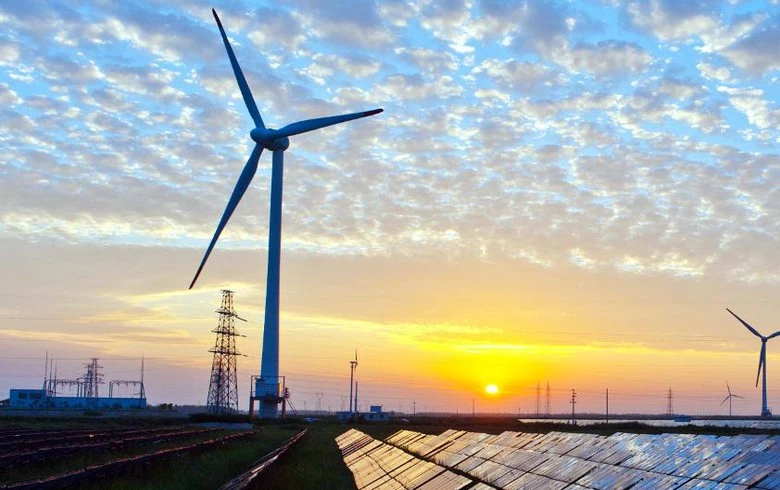
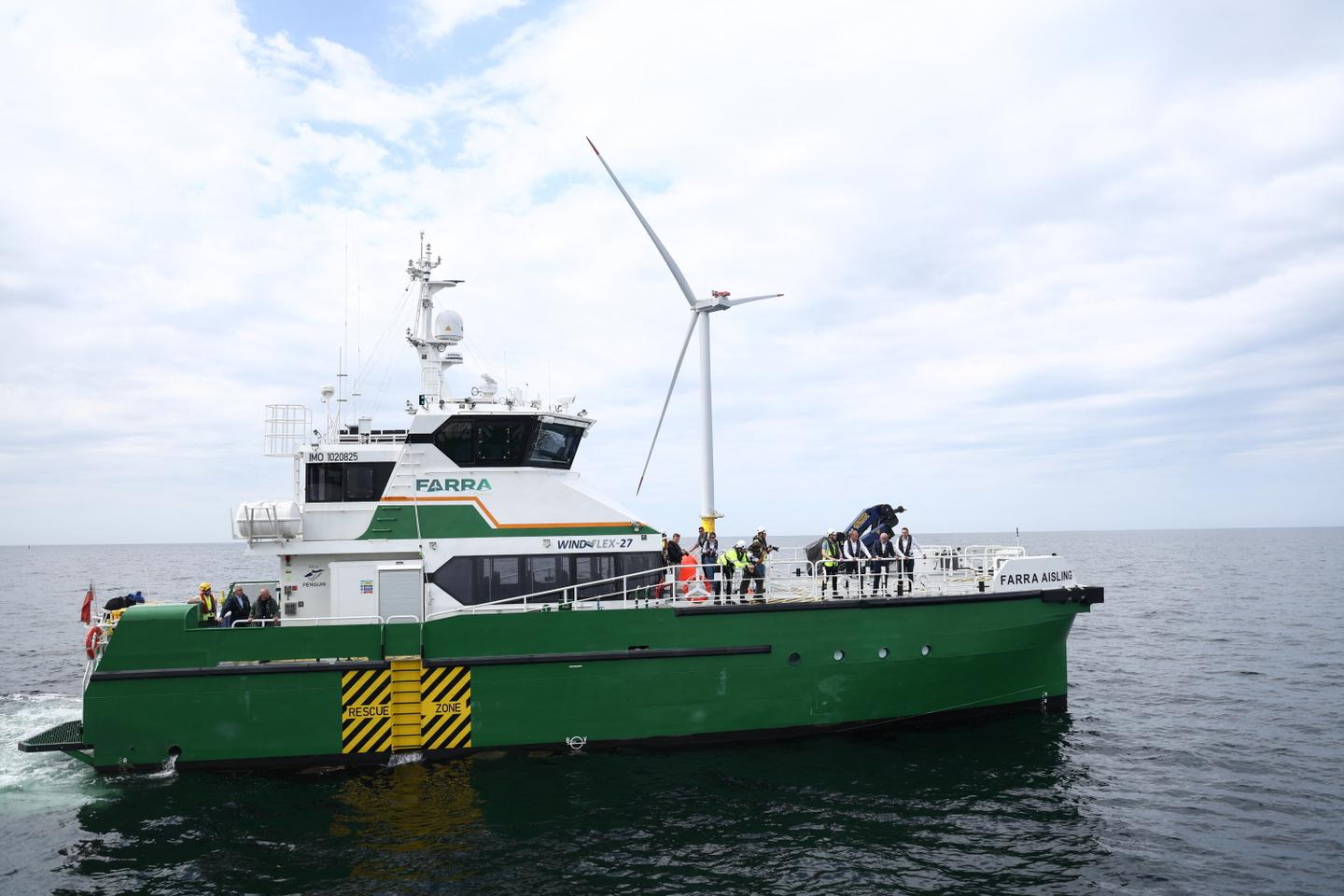
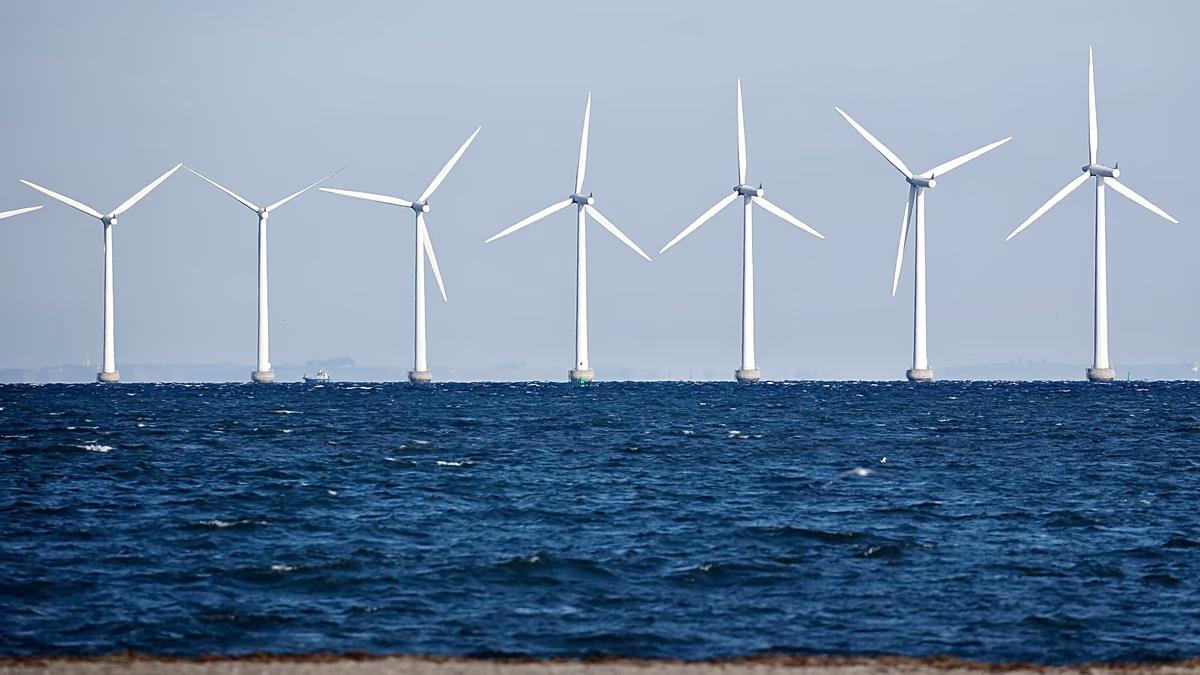
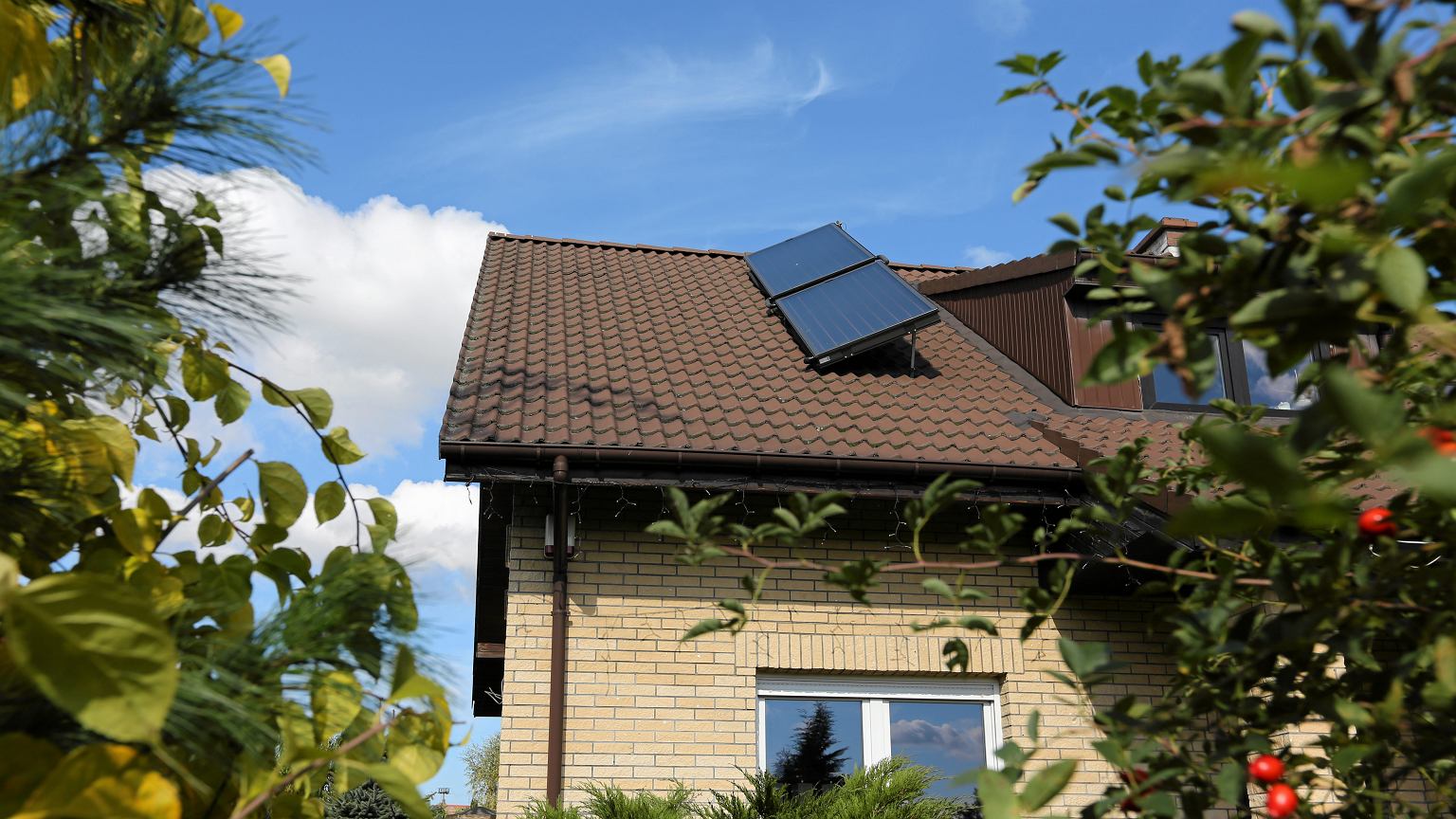
The government expects onshore and offshore wind power, solar PV, and renewable gases to drive this expansion. While natural gas will continue to play a balancing role during the transition, its importance is expected to gradually decline as decarbonized and renewable gases become available, the government said.