Published on
10/06/2026 - 14:12 GMT+2
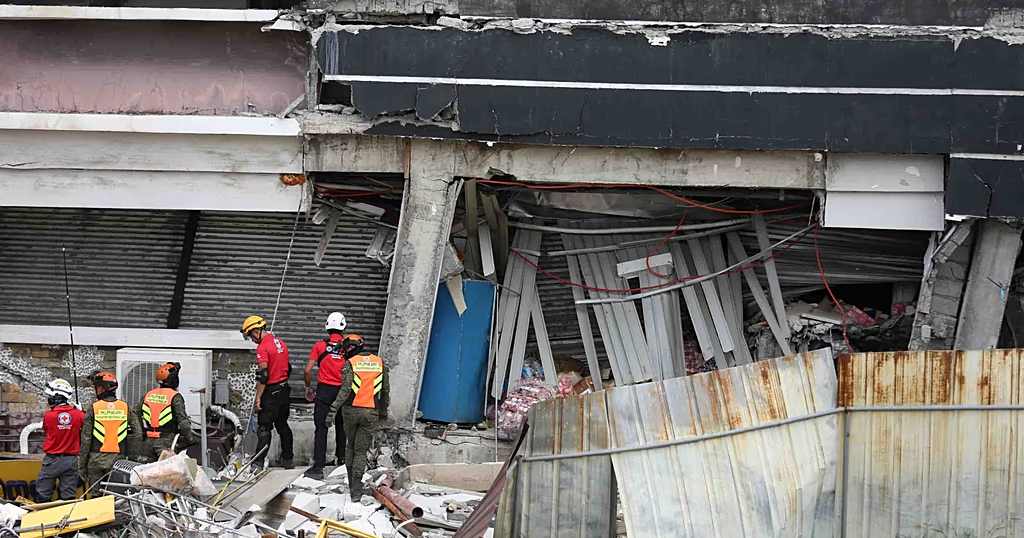
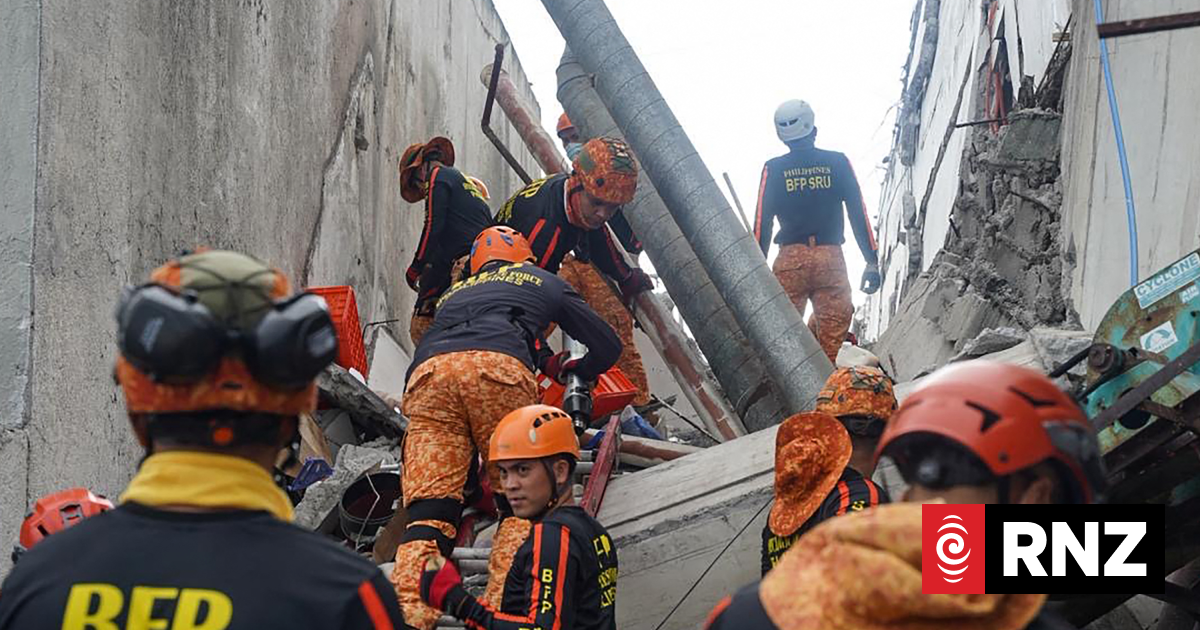
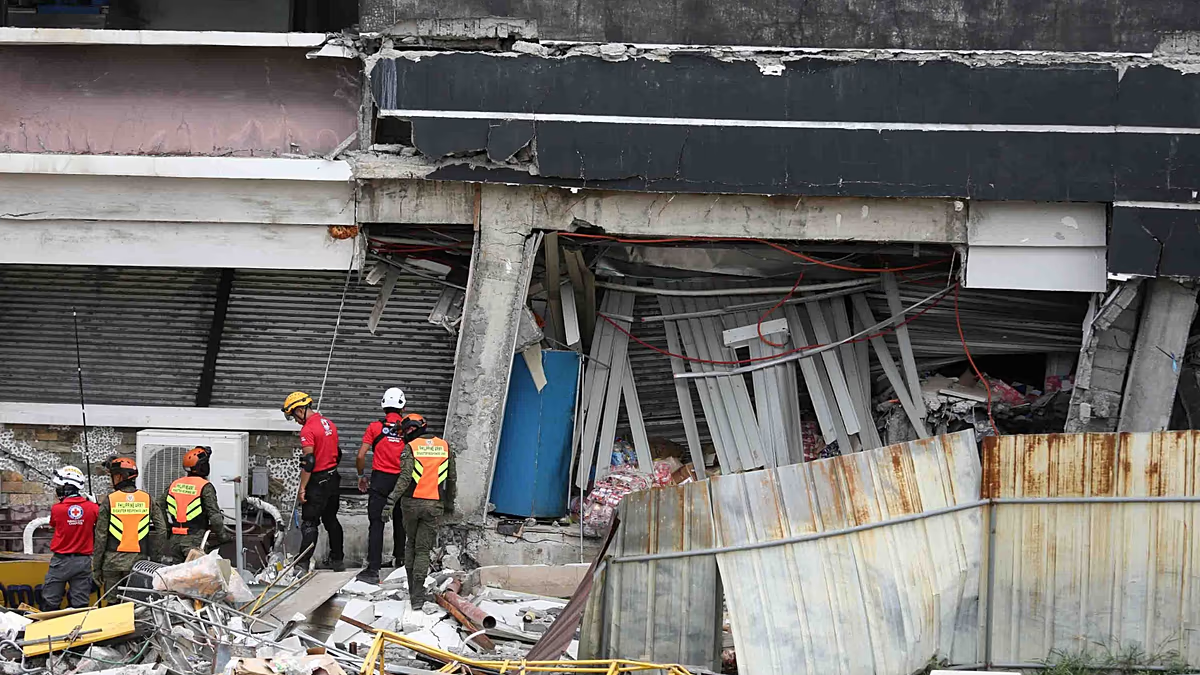
More than 1,200 emergency personnel, supported by international teams from Japan and Australia, were deployed across the disaster zone as search crews continued inspecting damaged buildings for possible survivors. Although only four people remained officially listed as missing, authorities said heavily damaged structures still required thorough examination.
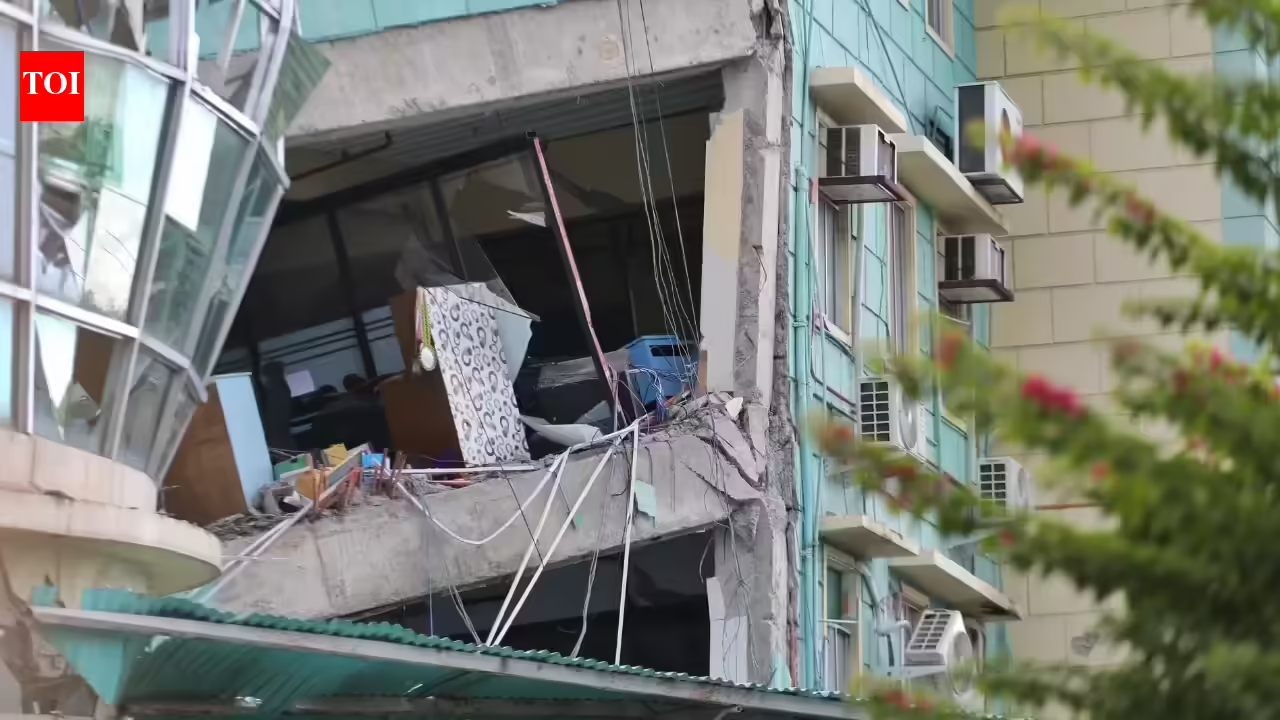
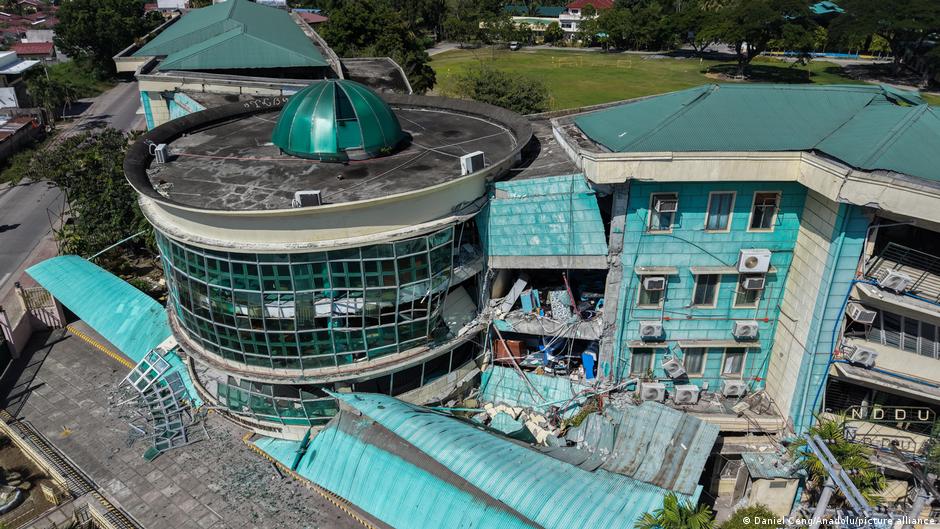
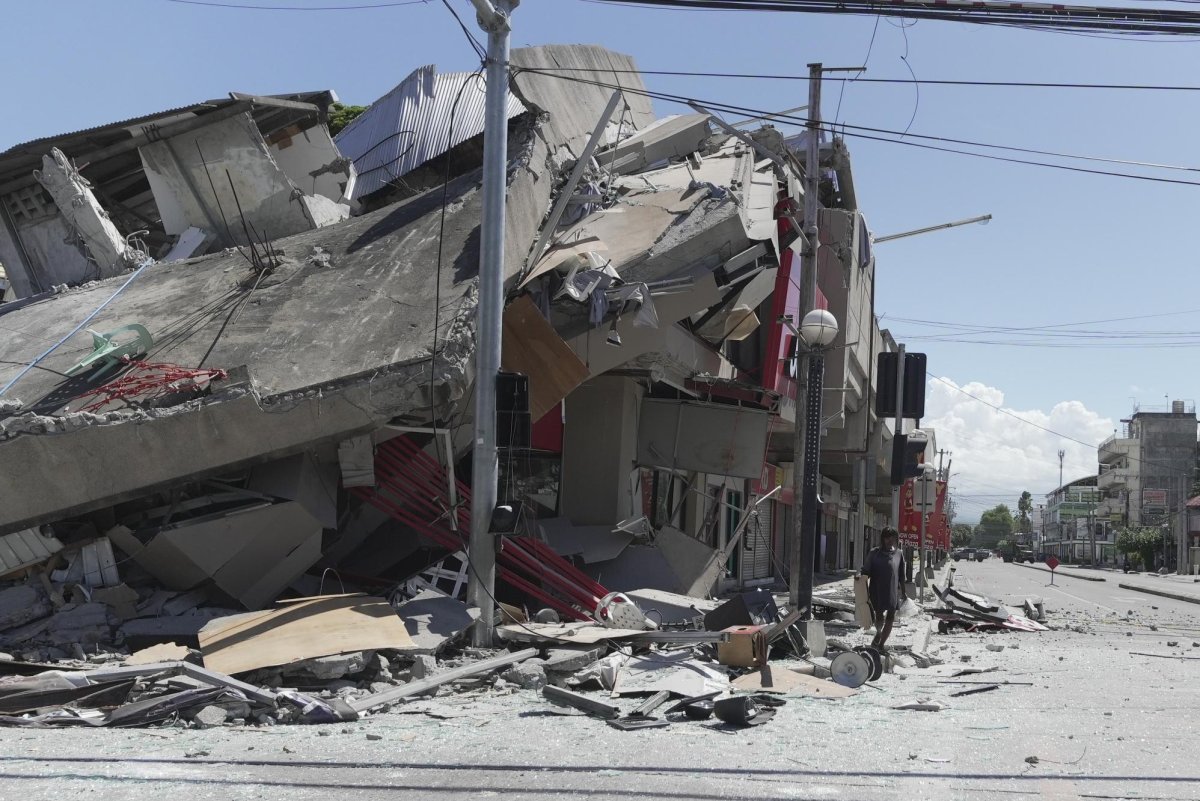
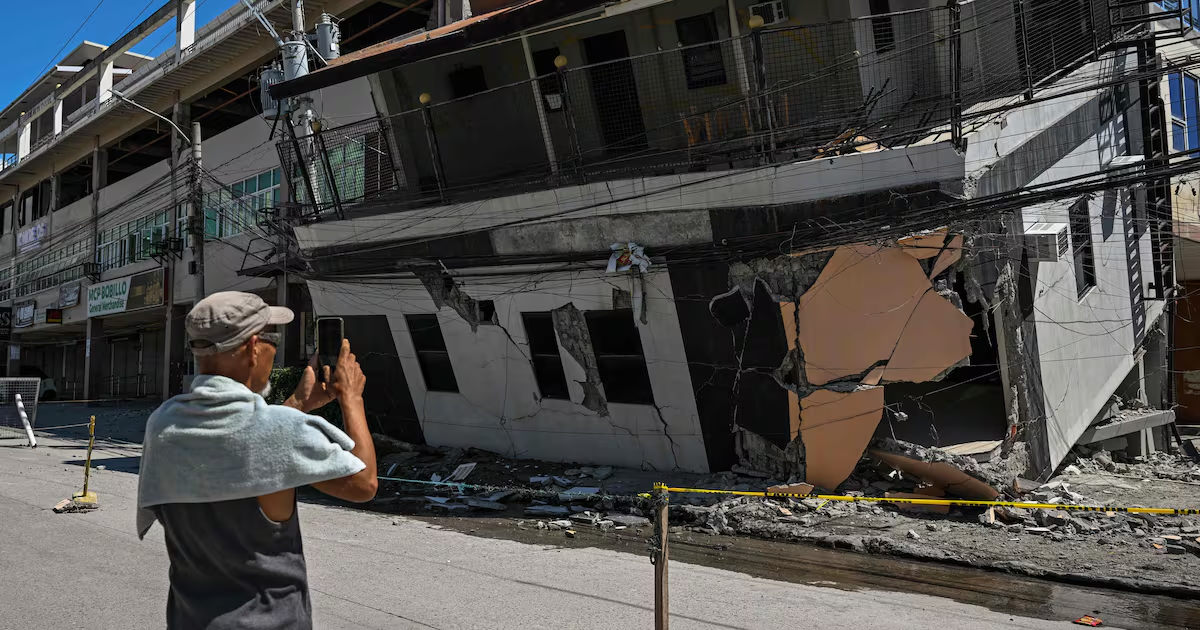
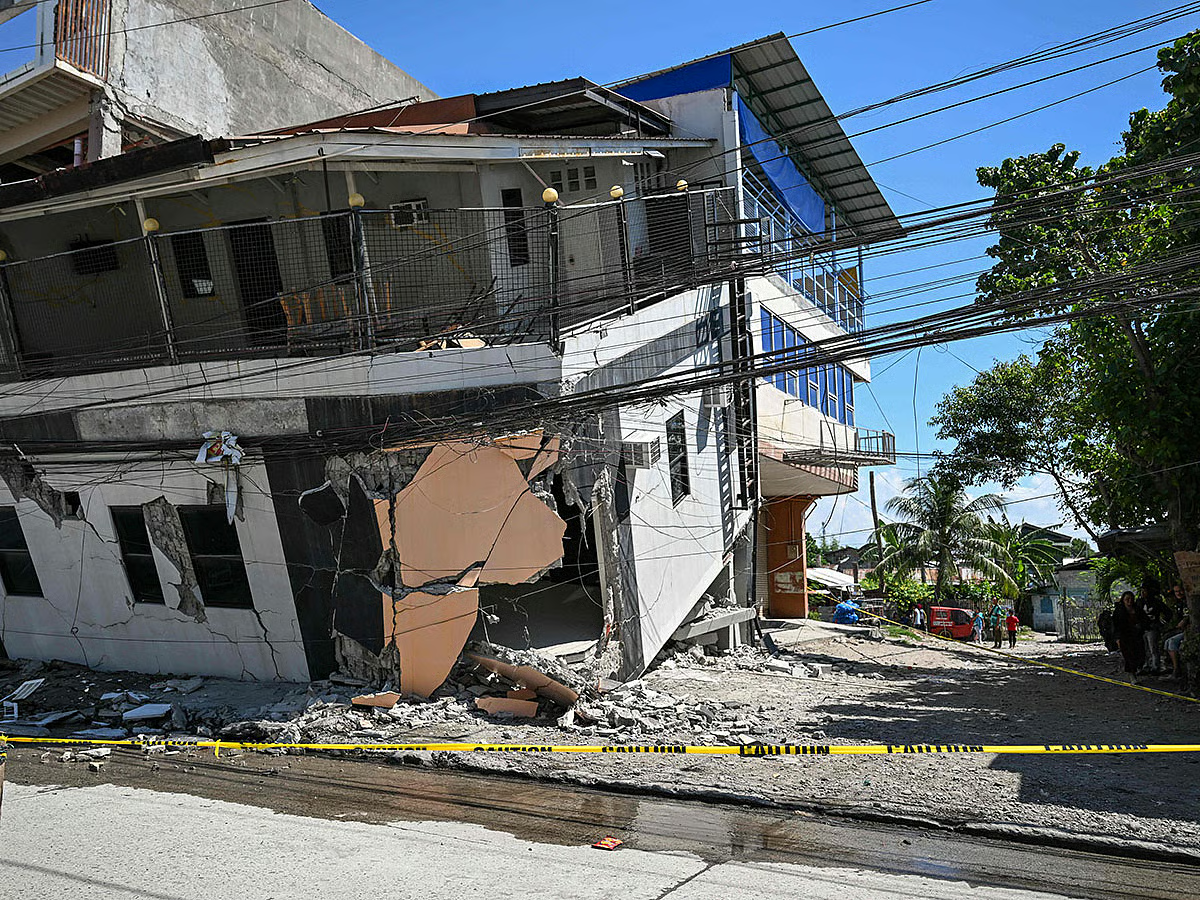
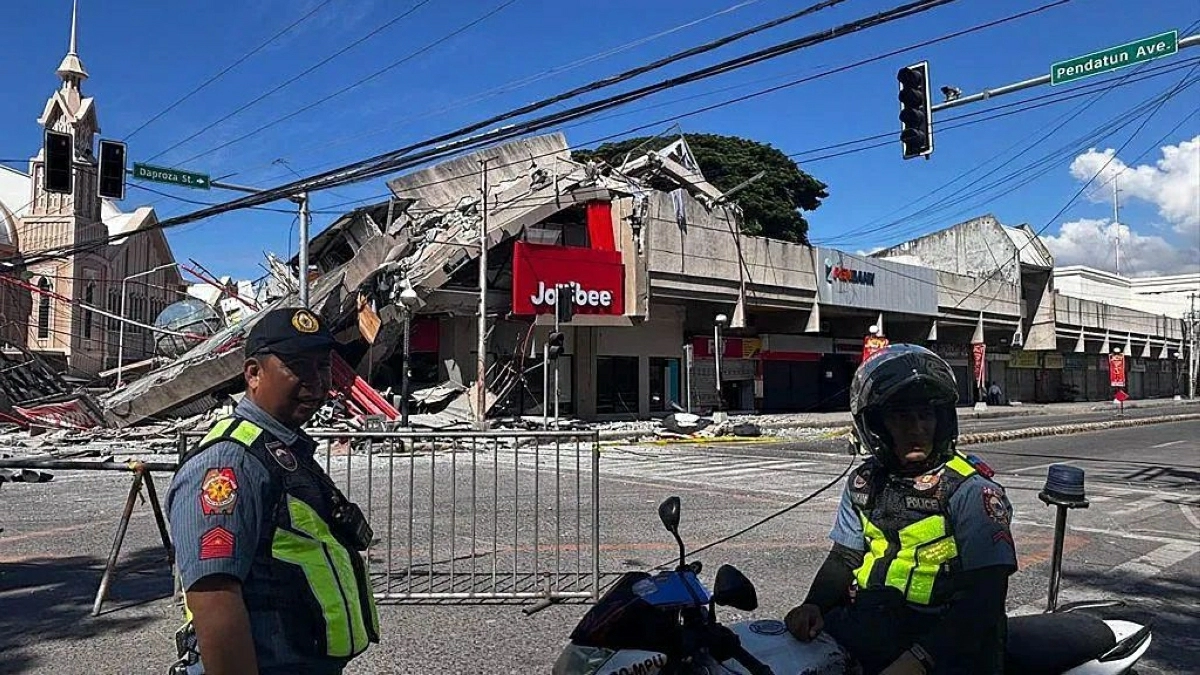
General Santos, a city of more than 700,000 people, was among the worst affected areas. Collapsing buildings and falling debris caused at least 13 deaths, while thousands of homes, schools, hospitals and public facilities suffered damage. Initial assessments indicated that more than 3,100 houses had been destroyed and 145 public buildings affected, including 12 hospitals and 89 schools.
The earthquake, which struck on 8 June, severely disrupted transport and essential services across southern Philippines. Road access remained restricted in several municipalities, major highways were partially blocked by debris, and power cuts affected around 280,000 households across six provinces. Authorities also established temporary ferry routes to deliver aid to isolated communities.