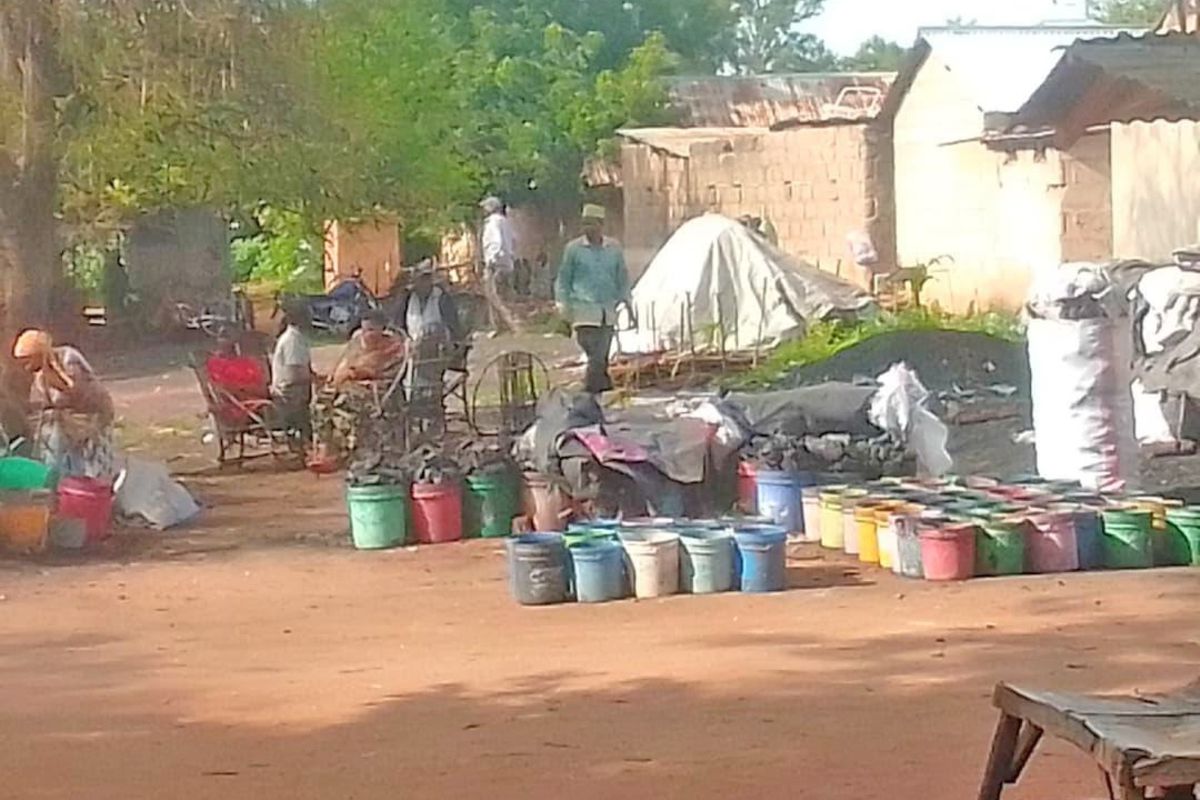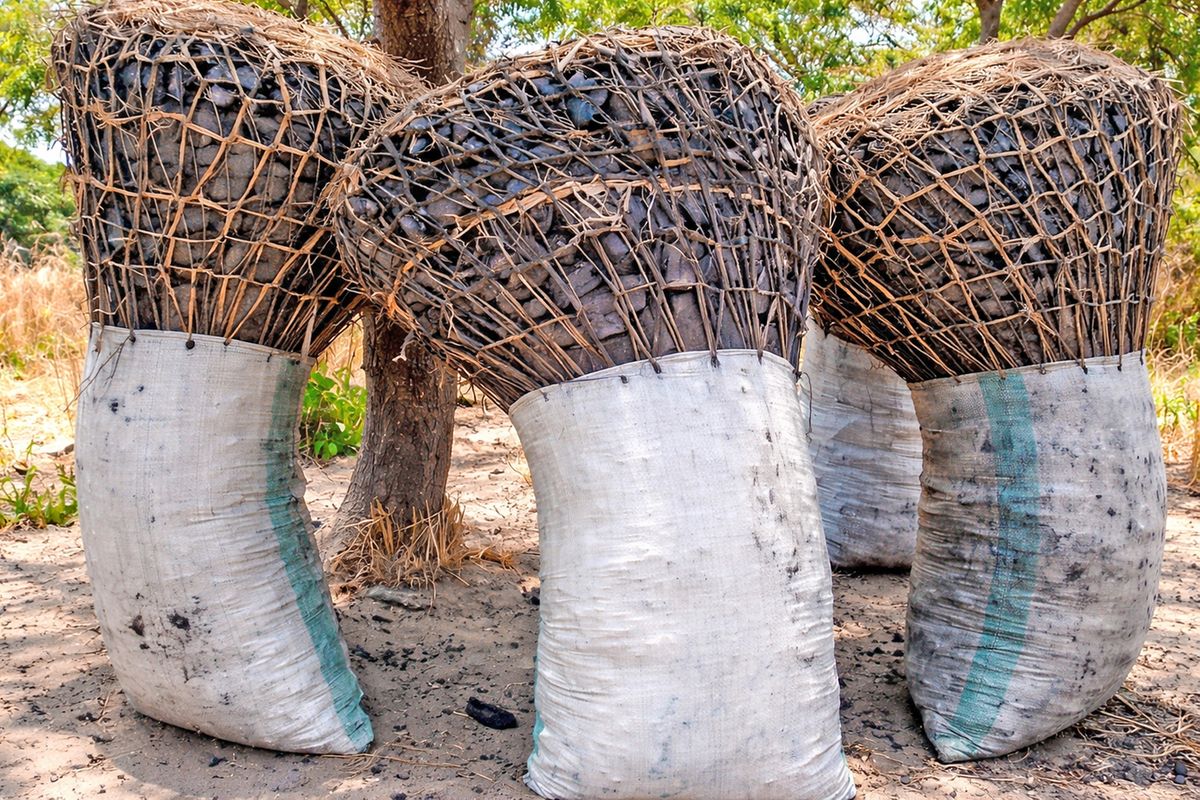
Dar es Salaam/Shinyanga. In Tinde, Samuye, Ishina Bulaindi, Nhelagani, and surrounding villages in Shinyanga Region, attention is iancreasingly shifting from the scale of the illegal charcoal trade to what communities, experts, and authorities believe could finally bring the sector under formal control and sustainable management.
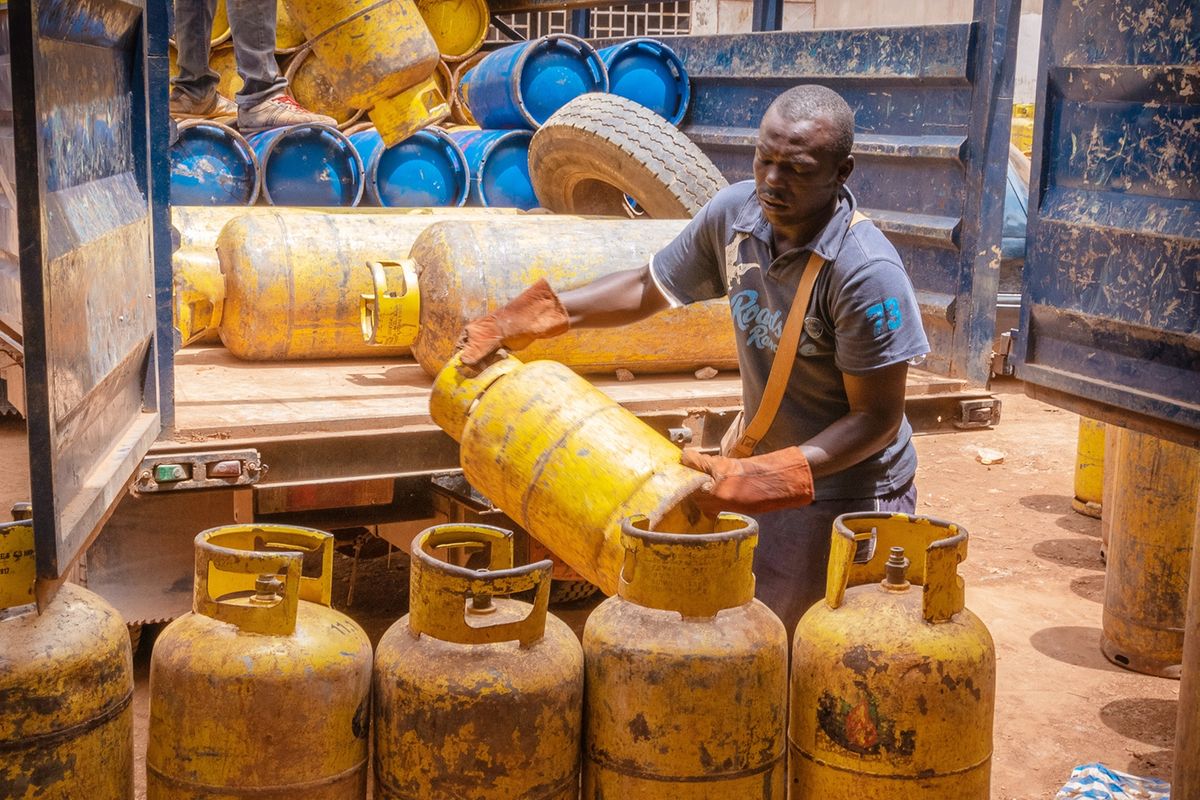
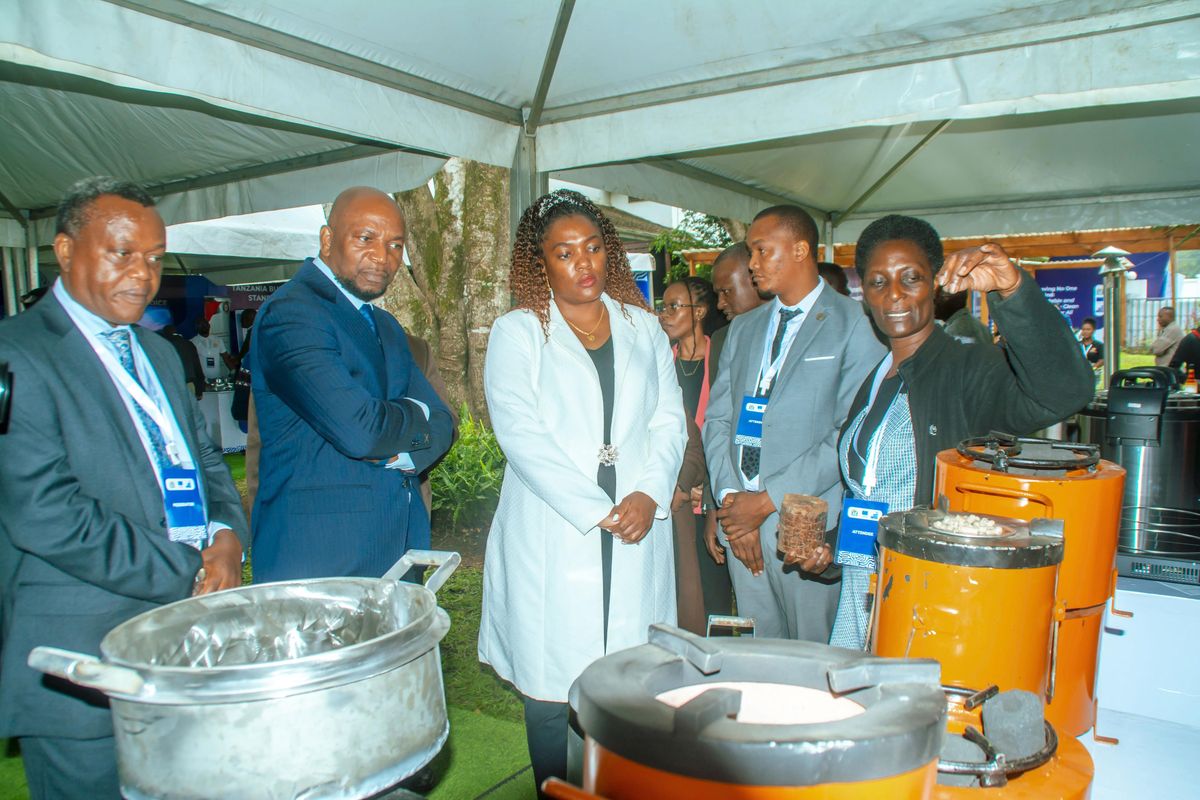
The discussion comes as Tanzania continues implementing the National Clean Cooking Strategy (2024–2034), which targets 80 percent adoption of clean cooking solutions by 2034 as part of wider efforts to reduce reliance on biomass energy and protect forest resources.
In Shinyanga, where charcoal remains both a key household energy source and an important rural incoame earner, experts say the transition will depend more on restructuring the value chain and governance systems than on enforcement crackdowns alone.
Related
Revealed: Shinyanga charcoal smugglers’ underhand tactics