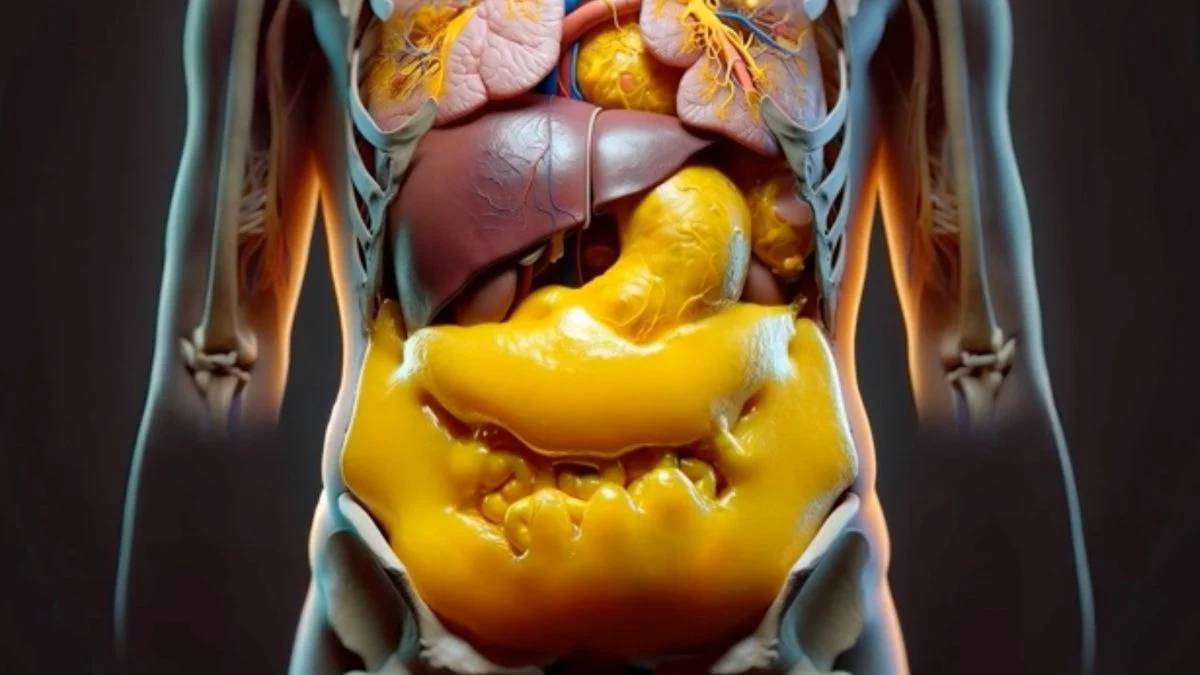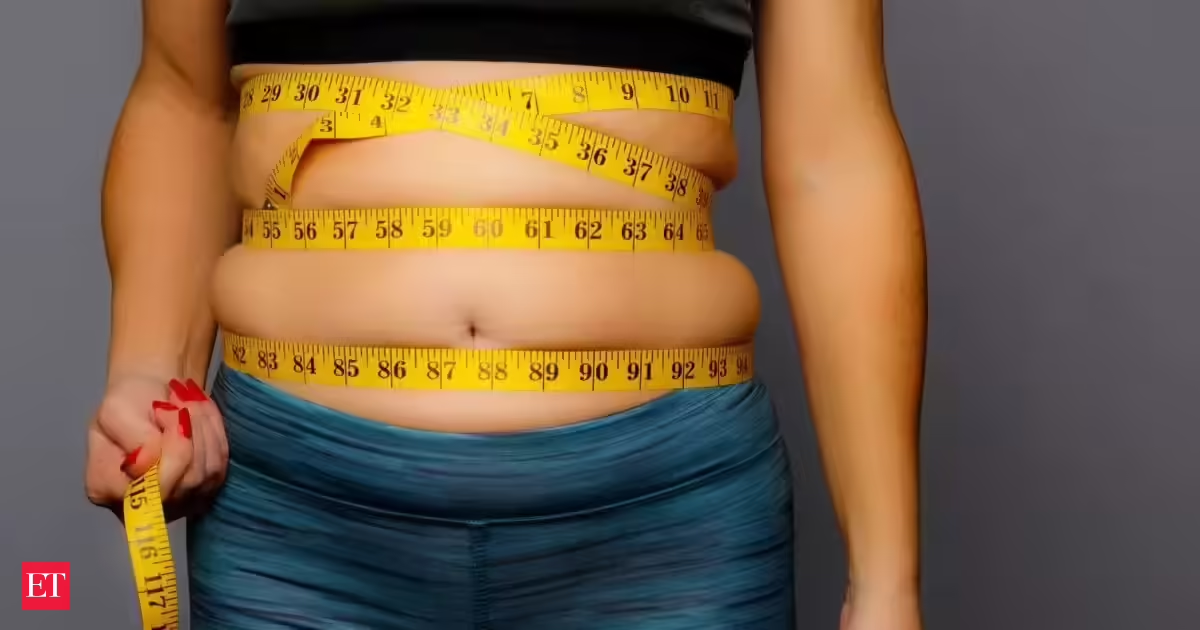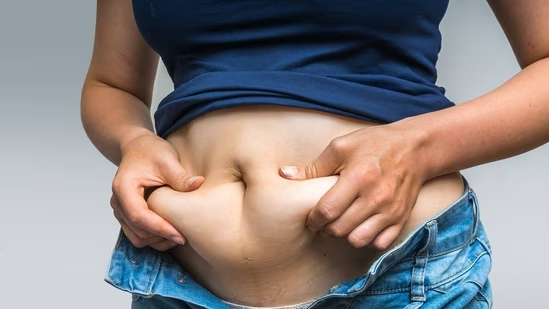
Your BMI can be normal, but you still may be at risk of metabolic ailments. Find out the difference between visceral and subcutaneous fat Weight loss is much more than understanding calorie deficit or the number on the weighing scale. Where fat is stored in the body can make a significant difference to overall health. Broadly, there are two types of fat to understand: visceral fat and subcutaneous fat.ALSO READ | Is your daily walk really burning fat? Fitness coach reveals what fat-loss walk should feel like: ‘Talk but not sing…’The location of the fat matters in how your body burns it! (Picture credit: Freepik)A study examined the location of fat. It was published in The Lancet Diabetes and Endocrinology in July 2023, found that 1 in 3 Indian adults suffers from abdominal obesity, while almost 1 in 4 suffers from generalised obesity. The WHO has also warned that nearly half of the population does not meet the recommended levels of physical activity.To understand which type of fat matters more and how to lose it effectively, an expert weighed in with his insights. Dr Ashish Gautam, principal director, robotic and laparoscopic surgery at Max Super Speciality Hospital, Patparganj, New Delhi, told us that doctors today are looking beyond body weight and BMI. They are also focusing on where fat is stored in the body because fat distribution can give a clearer picture of future disease risk.Explaining visceral and subcutaneous fatThe locations differ, and the doctor believes the distinction is important. “Subcutaneous fat sits beneath the skin and is commonly found around the thighs, hips, arms, and lower abdomen, while visceral fat is found around the organs such as the liver, pancreas and intestines, ” Dr Gautam spoke about the location.Now, let's inspect the health implications based on where fat is stored. Subcutaneous fat is the fat you can usually pinch under the skin, while visceral fat lies deeper inside the abdomen and surrounds vital organs. This explains why belly fat is considered more concerning than fat stored in areas like the hips or thighs.How are visceral and subcutaneous fat different?If you have abdominal fat, you are at risk of developing fatty liver. (Picture credit: Adobe Stock)The surgeon cautioned that while subcutaneous fat is also unhealthy in excess, it is relatively less harmful, especially in the metabolic sense.So, what makes visceral fat more dangerous? Dr Gautam expressed concern that visceral fat secretes fatty acids and inflammatory chemicals into the bloodstream, which subcutaneous fat does not. These substances can disrupt insulin function, worsen cholesterol abnormalities, raise blood pressure, and stress the liver. In other words, metabolic stress caused by visceral fat is major!How can you understand your visceral fat risk? The surgeon recommended that waist circumference and waist-to-height ratio are becoming more important tools in clinical assessment.This also shows why regular BMI alone may not reveal where fat is stored. A person with a normal BMI can still carry a dangerous amount of visceral fat and develop serious metabolic issues.What other chronic risks can one become vulnerable to? Abdominal obesity can pave the way for type 2 diabetes, fatty liver disease, coronary artery disease and hypertension.How to reduce visceral fat?Cycling is a low-impact workout with multiple health benefits. (Unsplash)While excess fat around the arms and thighs also needs attention, abdominal fat, which is linked to visceral fat, should be addressed more urgently because of its metabolic risks. The surgeon advised aerobic activities such as walking, cycling and swimming. At the same time, resistance training can also help improve glucose regulation and preserve muscle mass.Diet also plays an important role. Avoid ultra-processed foods, sugary drinks and refined carbs, as they can contribute to visceral fat accumulation. Proper sleep management and a regular sleep schedule are equally important for managing cortisol levels, as high cortisol levels in the body may cause abdominal fat storage.Note to readers: This article is for informational purposes only and not a substitute for professional medical advice. Always seek the advice of your doctor with any questions about a medical condition.Adrija Dey’s proclivity for observation fuels her storytelling instinct. As a lifestyle journalist, she crafts compelling, relatable narratives across diverse touchpoints of the human experience, including wellness, mental health, relationships, interior design, home decor, food, travel, and fashion that gently nudge readers toward living a little better. For her, stories exist in flesh and bones, carried by human vessels and shaped through everyday endeavours. It is the small stories we live and share that make us human. After all, humans and their lores are the most natural and raw repositories of stories, and uncovering them, for her, is akin to peeling an orange under a winter afternoon sun. Always up for a chat, she believes the best stories come from unfiltered yapping, where "too much information" is kind of the point. A graduate of Indraprastha College for Women, University of Delhi, and an alumna of the Indian Institute of Mass Communication (IIMC), Delhi, Adrija spends her idle hours cocooned with herbal tea and a gripping thriller, scribbling inner monologues she loosely calls poetic pieces, often with her succulents in attendance. On lazier days, she can be found binge-watching, for the nth time, one from her comfort-show holy trinity: The Office (US), Brooklyn Nine-Nine, or Modern Family. Dancing by herself to her peppy playlists, however, is an everyday ritual she swears by religiously.Read MoreWeight LossBody WeightObesityCatch every big hit, every wicket with Crick-it, a one stop destination for Live Scores, Match Stats, Quizzes, Polls & much more. Explore now!.Catch your daily dose of Fashion, Taylor Swift, Health, Festivals, Travel, Relationship, Recipe and all the other Latest Lifestyle News on Hindustan Times Website and APPs.See Less
Surgeon explains why belly fat is more dangerous than fat on arms and thighs
Your BMI can be normal, but you still may be at risk of metabolic ailments. Find out the difference between visceral and subcutaneous fat | Health
944 words~4 min read