The North-West University’s (NWU) Centre for Health and Human Performance (CHHP) is shedding light on the psychological demands placed on children in sport and the importance of balancing performance with healthy development.
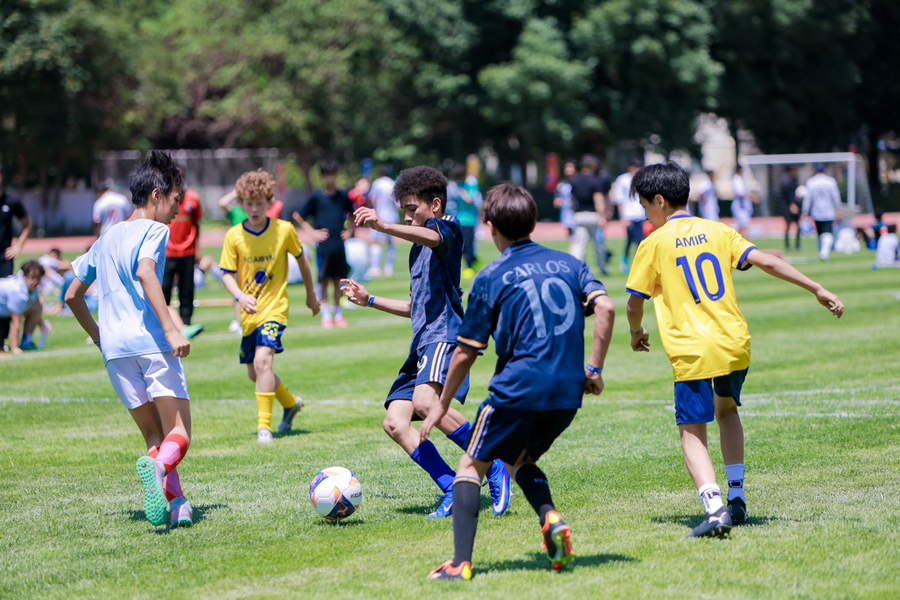
It is a familiar scene across the country: parents shivering on the sidelines, coaches shouting from the dugouts, and young athletes pushing themselves to the absolute limit. But behind the triumph of the trophy lift lies a quieter, more troubling reality. In the fierce pursuit of sporting excellence, the emotional well-being of our children is increasingly being left on the bench.
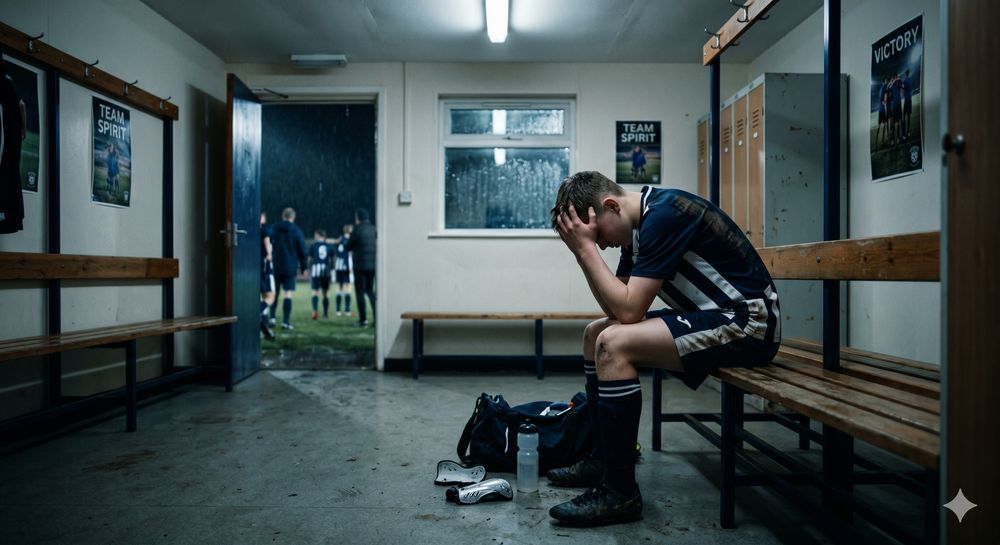
Experts are warning that the psychological demands placed on young athletes are skyrocketing, driven by targeted training, intense school competition, and the heavy expectations of adults. The result is a generation of children facing severe anxiety, burnout, and an identity crisis that boils down to a single, haunting question: "If I do not perform, then who am I?"
Psychologists point out that the years between six and twelve are crucial for building children's sense of achievement. Historically, this meant learning new skills and enjoying teamwork. Today, that focus has shifted heavily toward raw performance.