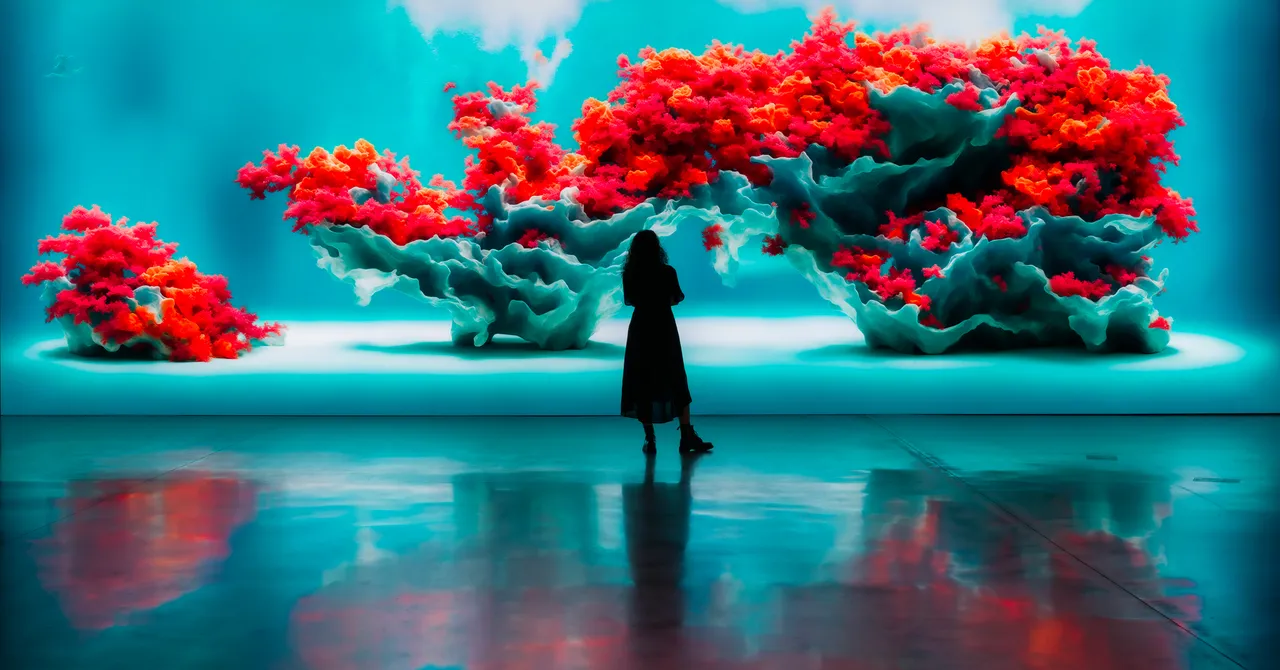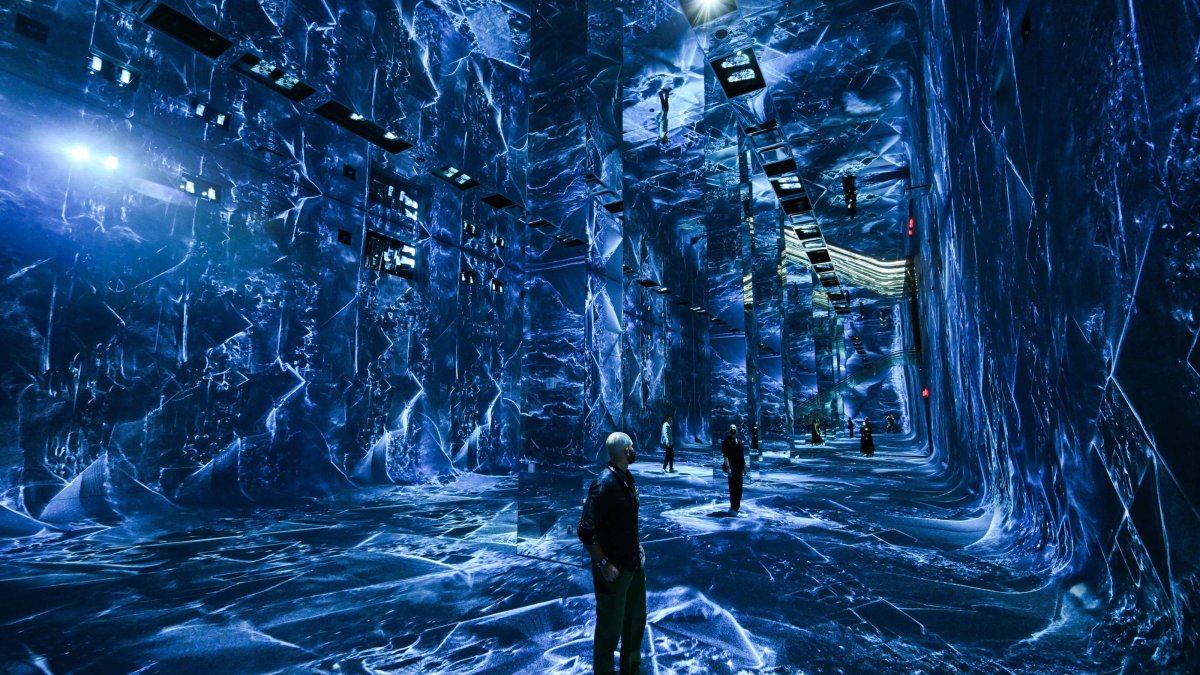
When you close your eyes and I ask you to imagine a landscape, what do you see?
For someone living in a metropolis with very little greenery, this question may be harder than it first seems. Do you imagine a forest, a lake, a mountain, a field? Or, now that we capture almost every moment through our phones, has everything become a kind of landscape? If every image can be framed, stored and consumed, what is really a landscape anymore?
Back in 1993, artists Komar and Melamid conducted a survey of 1,001 Americans to statistically construct the most wanted and least wanted paintings. The results were clear. Across demographics, respondents favored the color blue, natural landscapes, water, calmness and even recognizable historical figures. The composite “least wanted” painting, generated from rejected attributes, leaned toward small-scale abstraction and non-referential form.
What began as satire revealed something enduring: When people are asked to articulate desire under uncertainty, they reach for legibility, continuity and emotional safety.
But today, especially in painting, those kinds of images often seem old-fashioned. Hanging a nature drawing on my wall? A blue lake, a green field, a calm sky? It can sound almost too obvious, too decorative, too traditional.