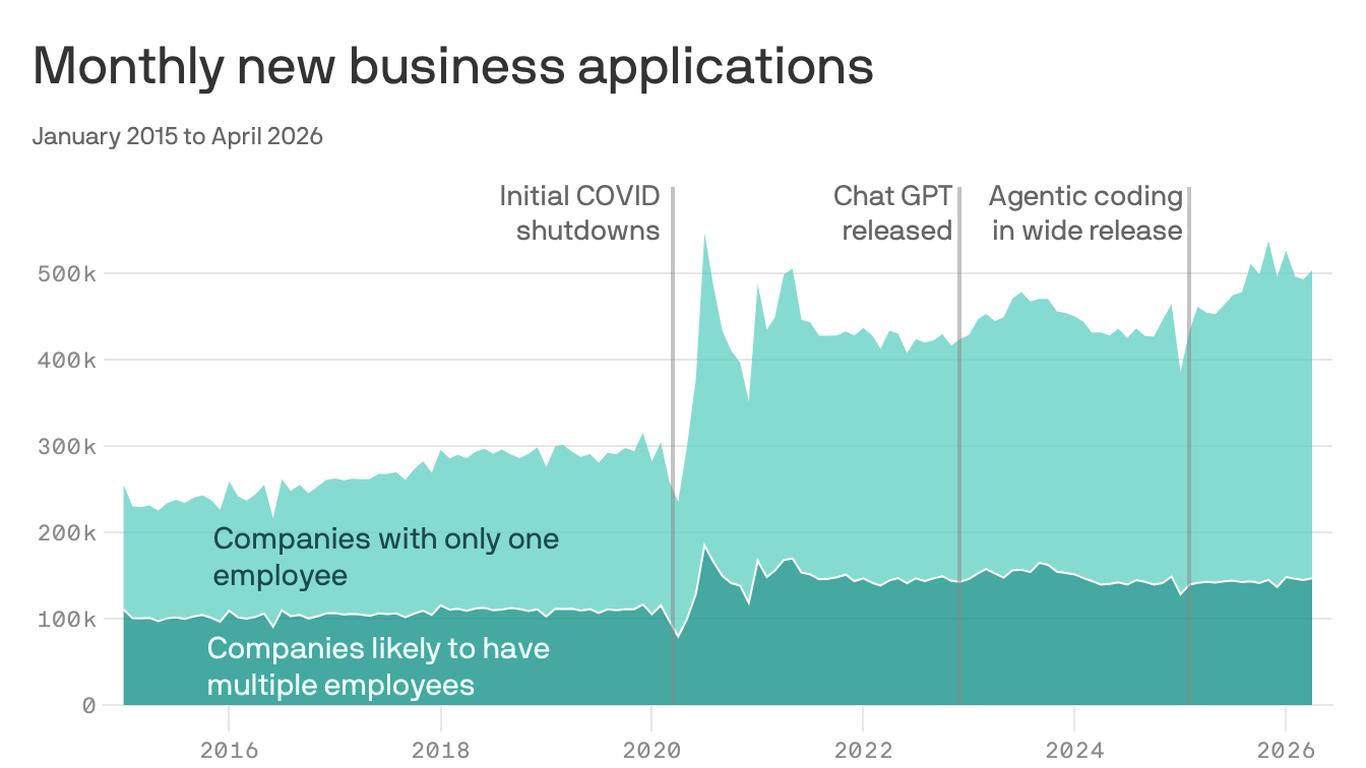
Artificial intelligence is reshaping how software businesses are built, launched, and scaled. In particular, it is driving a surge in micro-SaaS startups, small, highly focused software-as-a-service companies often built by solo founders or tiny teams. What once required large engineering teams, significant funding, and long development cycles can now be achieved with AI-assisted tools, automation platforms, and lean distribution strategies.
This shift is not just incremental; it is changing the structure of entrepreneurship itself.
The Rise of Micro-SaaS in the AI Era
Micro-SaaS refers to small-scale SaaS products that target narrow problems within specific industries or user groups. Unlike traditional SaaS companies that aim for broad enterprise markets, micro-SaaS startups often focus on solving one problem extremely well.
The appeal is clear. According to multiple venture capital trend reports in 2025, AI-focused startups accounted for nearly half of global startup funding activity in certain quarters, with generative AI alone attracting tens of billions of dollars in investment annually. At the same time, the cost of building software has dropped significantly due to AI coding assistants and automation tools.