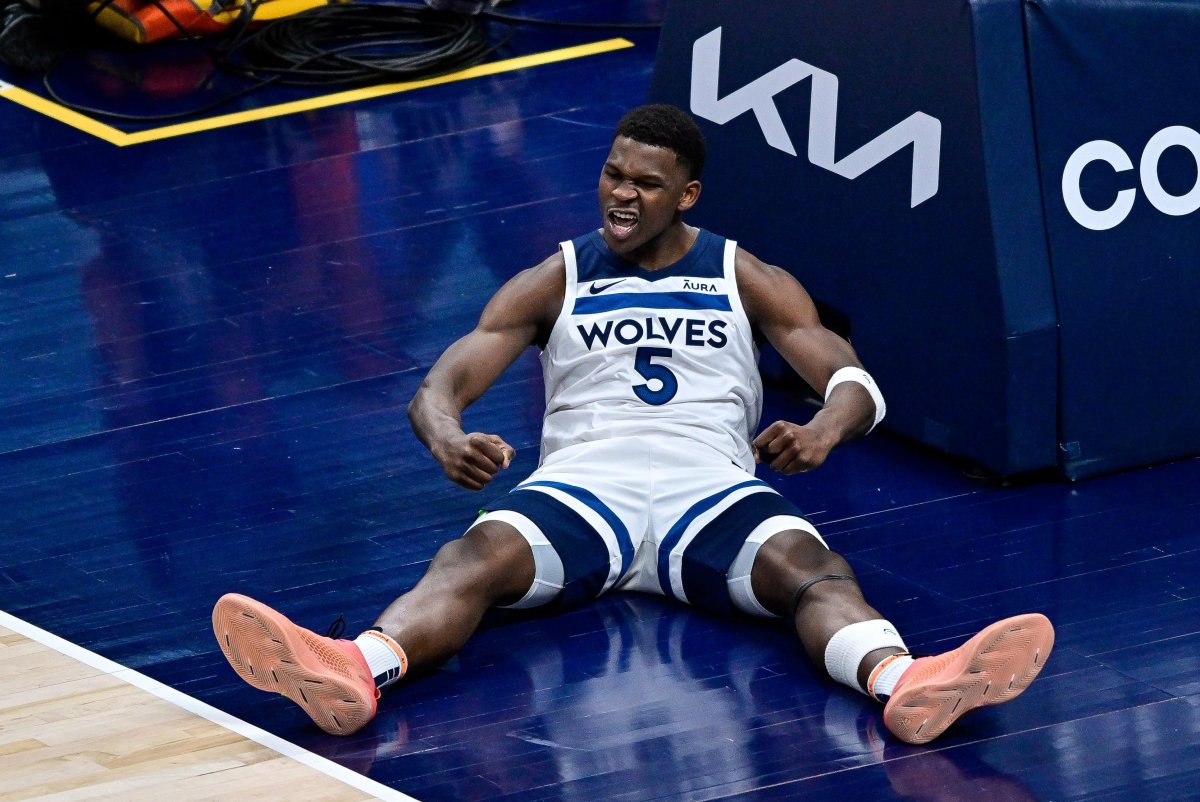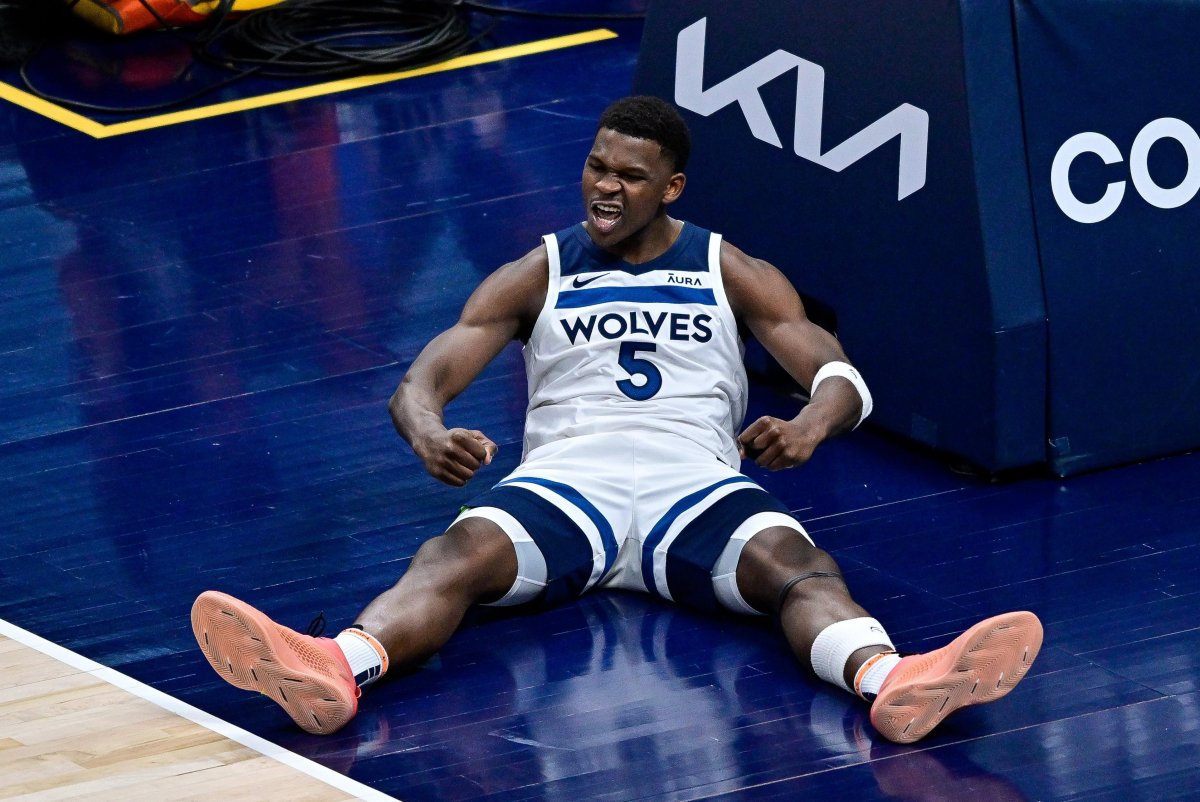
MINNEAPOLIS — In a trainer’s room adjacent to the Minnesota Timberwolves locker room at Target Center, Anthony Edwards looked his best friend in the eye and told him he was done.It was Game 4 of the first-round series against Denver, and Edwards’ left knee had just buckled in a way knees aren’t supposed to buckle. Tendons and ligaments rippled in a way that tendons and ligaments aren’t supposed to ripple.During his six seasons, he had crashed to the court countless times. He would writhe on the floor, pull himself up, hobble to the back and emerge minutes later looking no worse for wear after vice president of medical operations David Hines worked his magic.Not this time.For the first time in his NBA career, Edwards’ seemingly impermeable confidence was punctured. The body that has seemed almost indestructible suddenly felt compromised. A look of worry washed over Edwards’ face unlike anything Nick Maddox, Edwards’ best friend, had ever seen before.“It’s over, bruh,” Edwards told him.Maddox wasn’t having it. He had watched Edwards get up off the court and walk off under his own power. This wasn’t “the big one,” as Maddox calls it. He never said the words “torn ACL” because why would anyone even whisper about such devastation? The thought of a major injury is always out there in the distance. But Edwards had shown a special kind of resilience dating to their high school days in Atlanta, so Maddox wasn’t ready to give in just yet.“It ain’t over with,” Maddox said to him. “God says when it’s over with.”The MRI exam was on Maddox’s side. Somehow, Edwards’ ligaments were unscathed. But Edwards was hurting in a way that he had never experienced before. His left knee was hyperextended and had a bone bruise. Still, the damage came on top of the “runner’s knee” inflammation he had been dealing with in his right leg for more than a month. Doctors estimated he would need two weeks of rest to let the pain and swelling calm down, but everyone was hopeful that he would be able to return to the playoffs at some point if the Timberwolves could just stay alive.What followed may be the single biggest reason the team should have hope going into next season that they are not as far behind Oklahoma City and San Antonio in the Western Conference as it appears on the surface.Edwards dedicated himself to recovery with a previously unseen vigor, returning to play in just nine days and displaying a level of toughness and leadership on the court that is required to carry the burden that the face of a franchise has to carry.He made huge strides this season as a clutch performer. He improved his finishing at the rim and midrange game by significant margins. But nothing will win a locker room over like playing through pain. The ultimate test for a player is not how well he plays, but what he can play through. No one expected him to play until Game 3 at the earliest, let alone put up 18 points in 25 minutes to lead the Wolves to a road victory over the Spurs in Game 1.“Ant’s a warrior, man,” Timberwolves guard Bones Hyland said after the season. “It’s a tribute to how much he loves the game, just battling so many injuries and coming back. A lot of stars would have just sat out the whole year, dealing with what he was dealing with. He was getting shots in his knees. He hyperextended his knee and could’ve sat out the whole playoffs after that. … that’s somebody we love and cherish, man.”Hours in a hyperbaric chamber, laps in the pool and every recovery method available pushed Edwards past the limits he once believed possible. In doing so, he found a stronger voice in team huddles and film sessions, and an even firmer grip on the direction of this franchise.From the moment he arrived in Minnesota, no one has ever questioned Edwards’ work ethic or desire to be great. He pours himself into the game and has taken enormous developmental strides from his rookie season to now. One area that had been lacking, like many a young player, was his commitment to taking care of his body.Teammates, coaches and trainers would urge Edwards to use preemptive treatment to reduce the wear and tear on his muscles and joints. Rudy Gobert and Mike Conley each showed him all of the modalities they used to make sure they could get through the 82-game grind. Edwards would smile and go on with his day. Hyperbaric chambers, the compression therapy, the ice baths, those were for the old folks, not 24-year-olds like him.He endured plenty of bumps and bruises early in his career — from knee strains to pulled hamstrings, bruised tailbones and sprained ankles — but he had an uncanny knack for healing faster than most. That Wolverine-like quality may have led to a more laissez-faire approach to body maintenance.
Inside Anthony Edwards’ playoff battle with pain and the growth it sparked
This season, Anthony Edwards learned a lesson every NBA superstar eventually faces: How to produce through pain.
3,361 words~15 min read