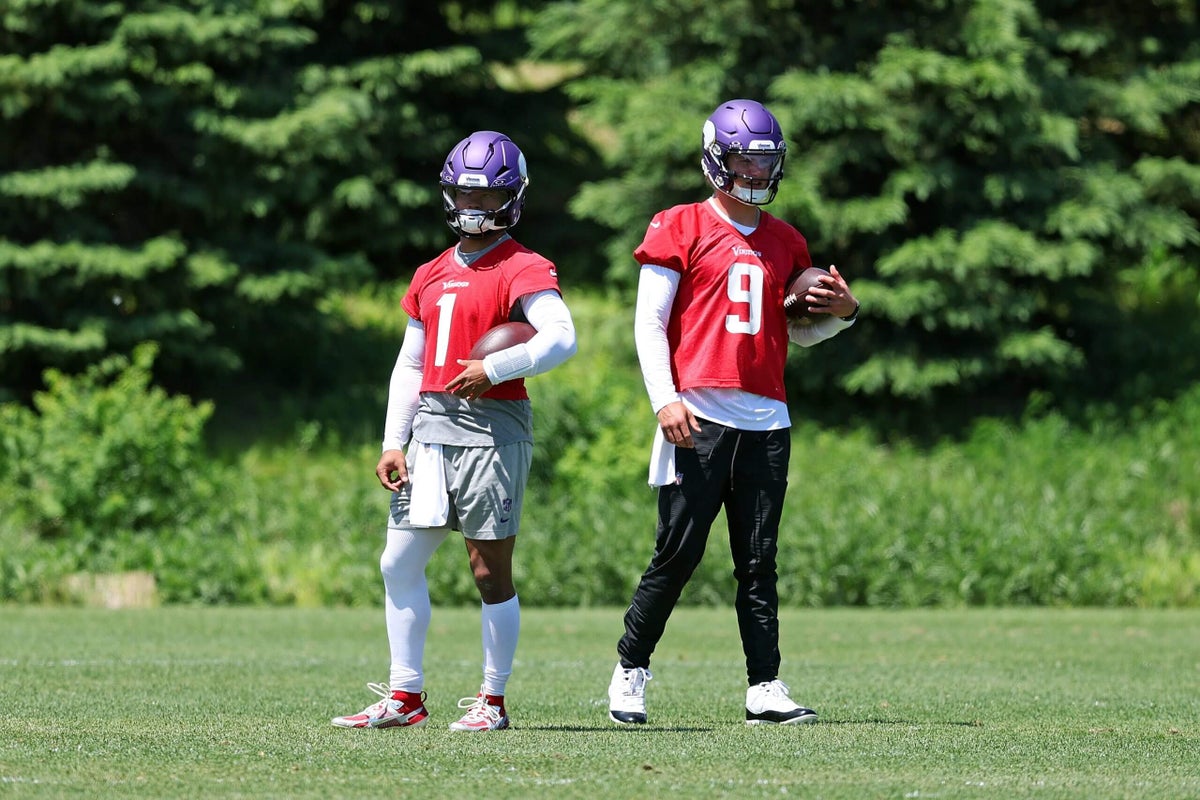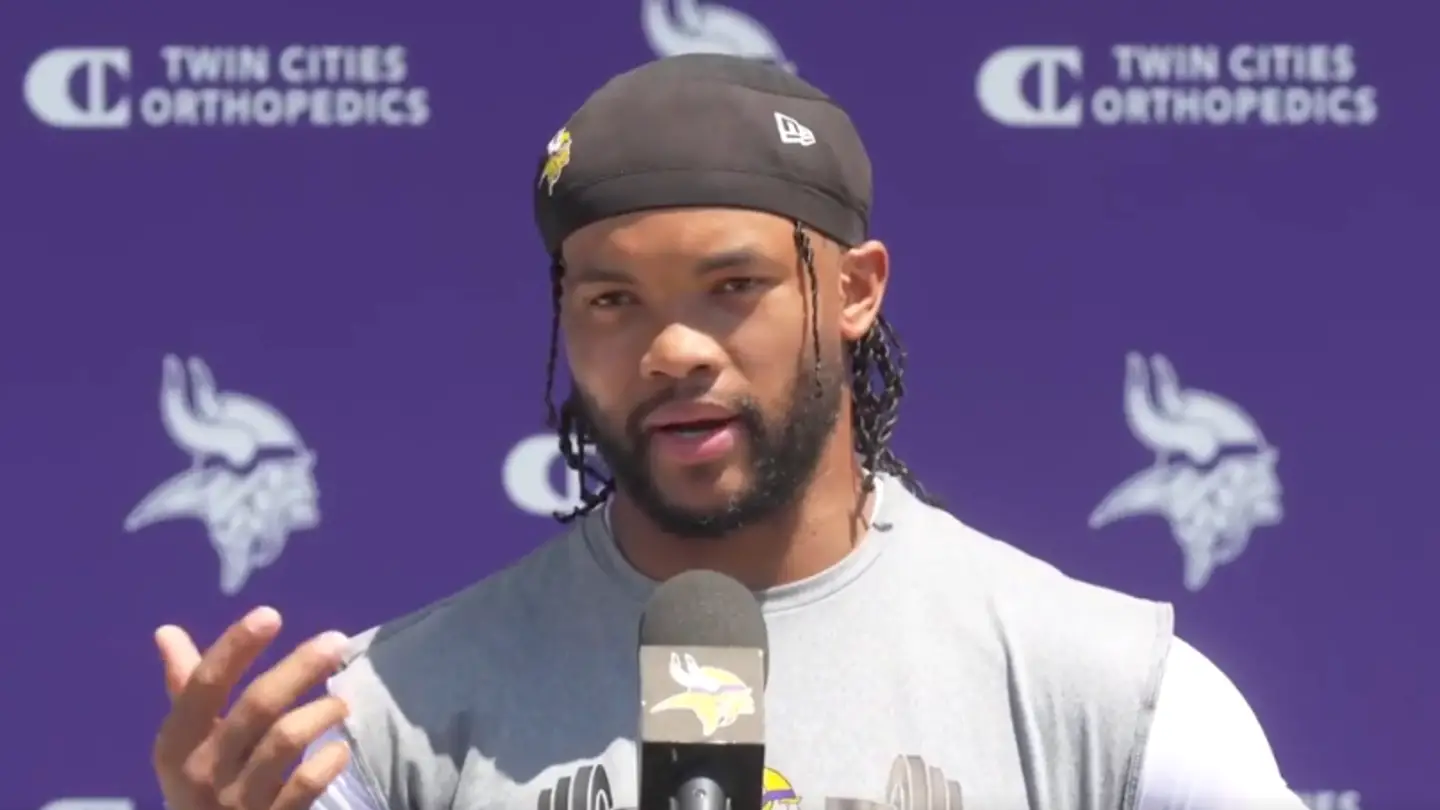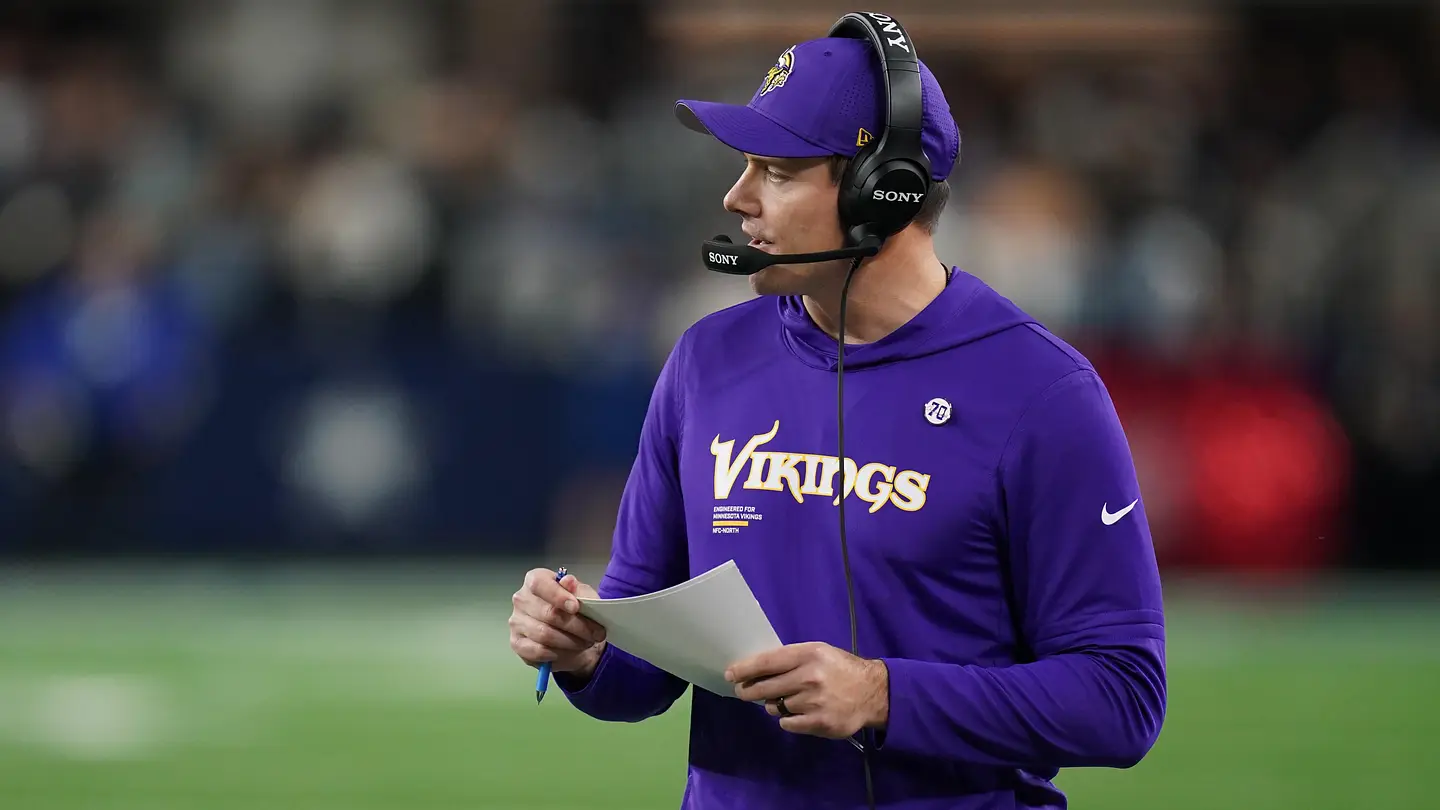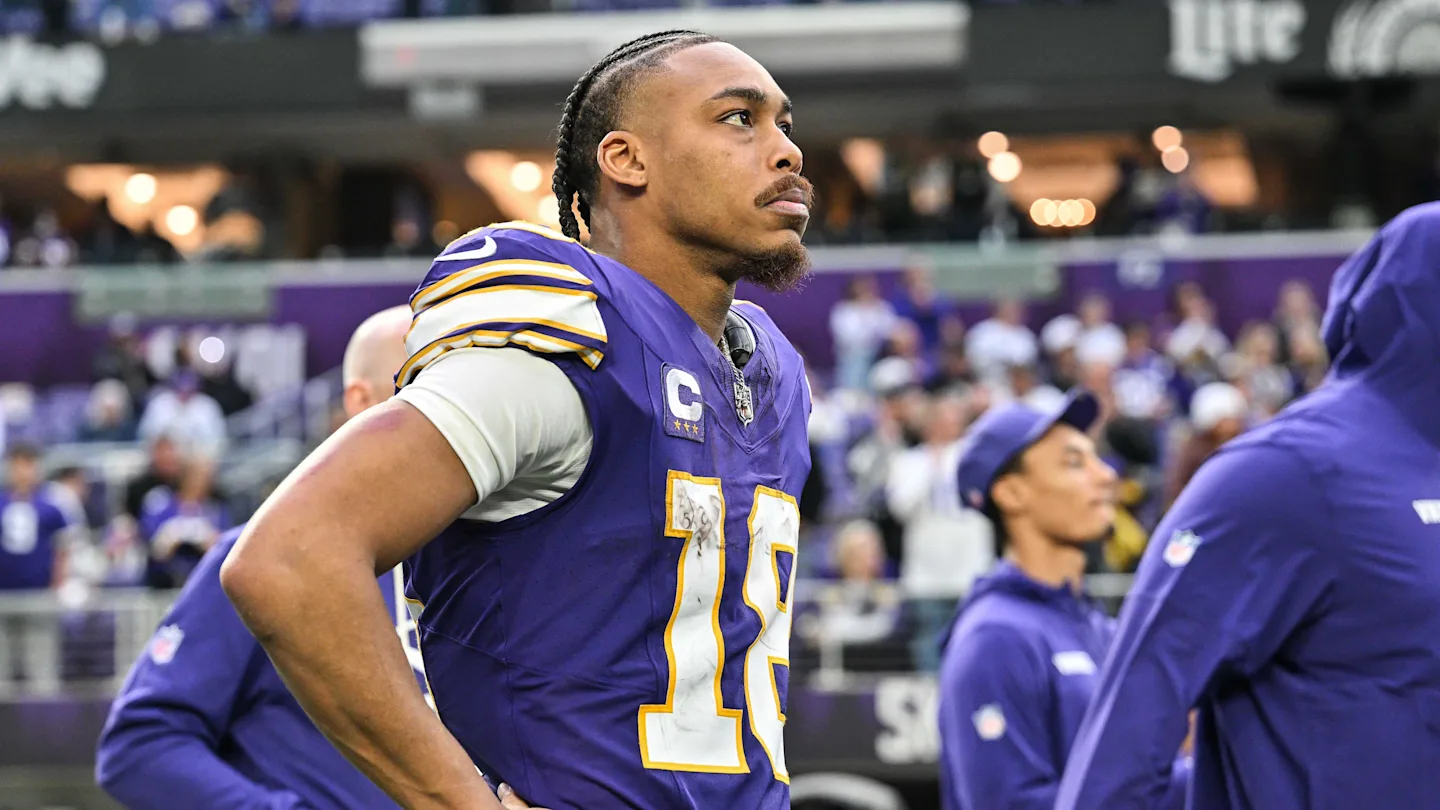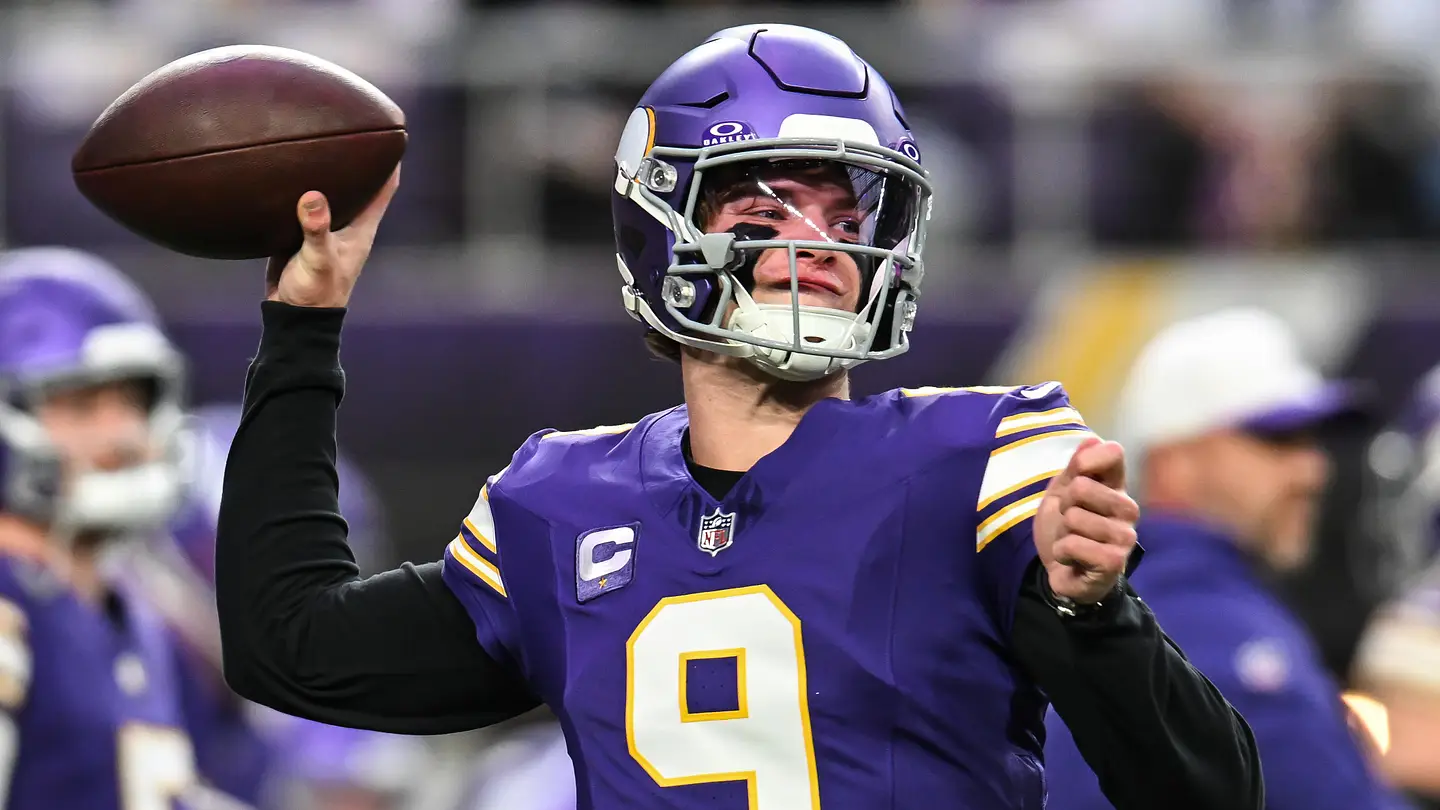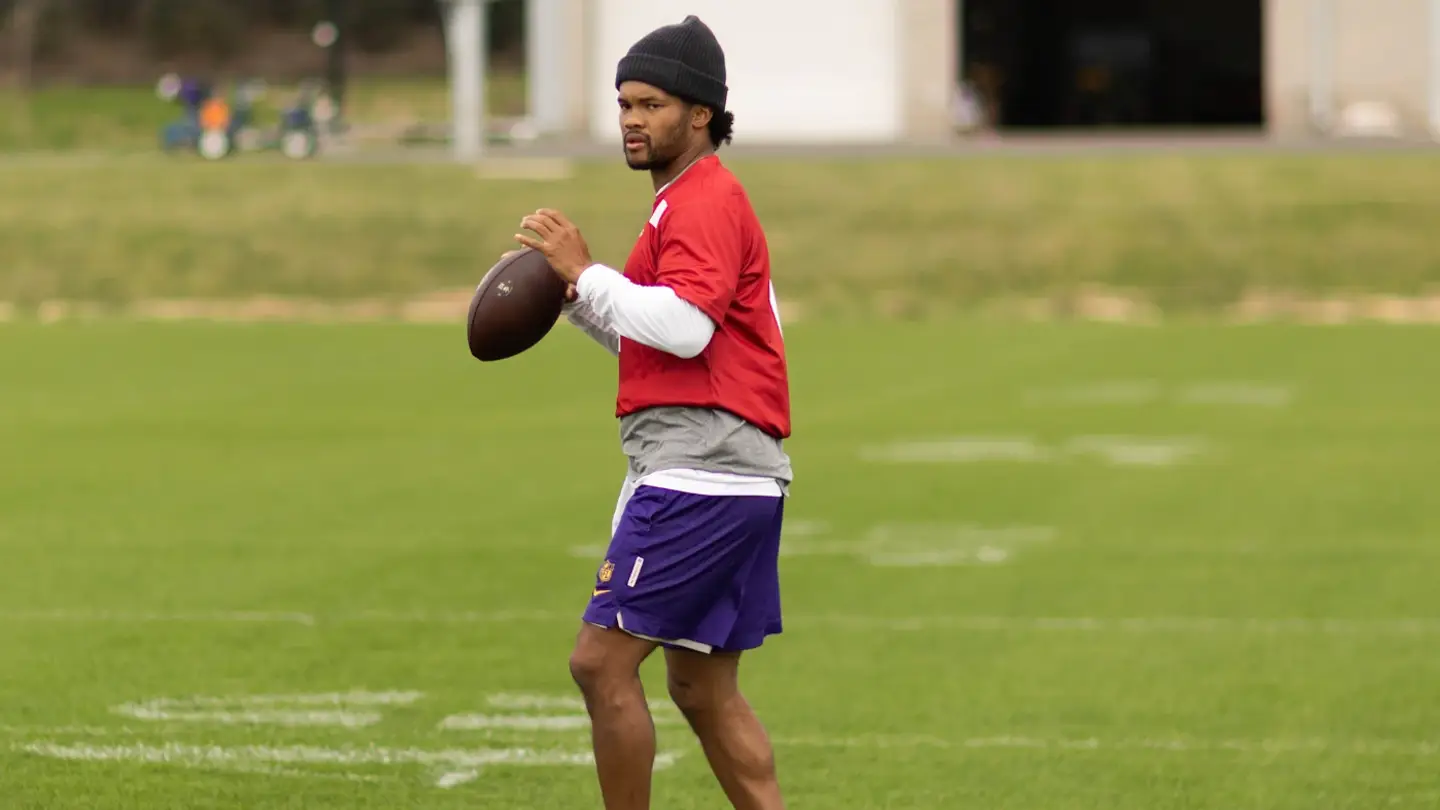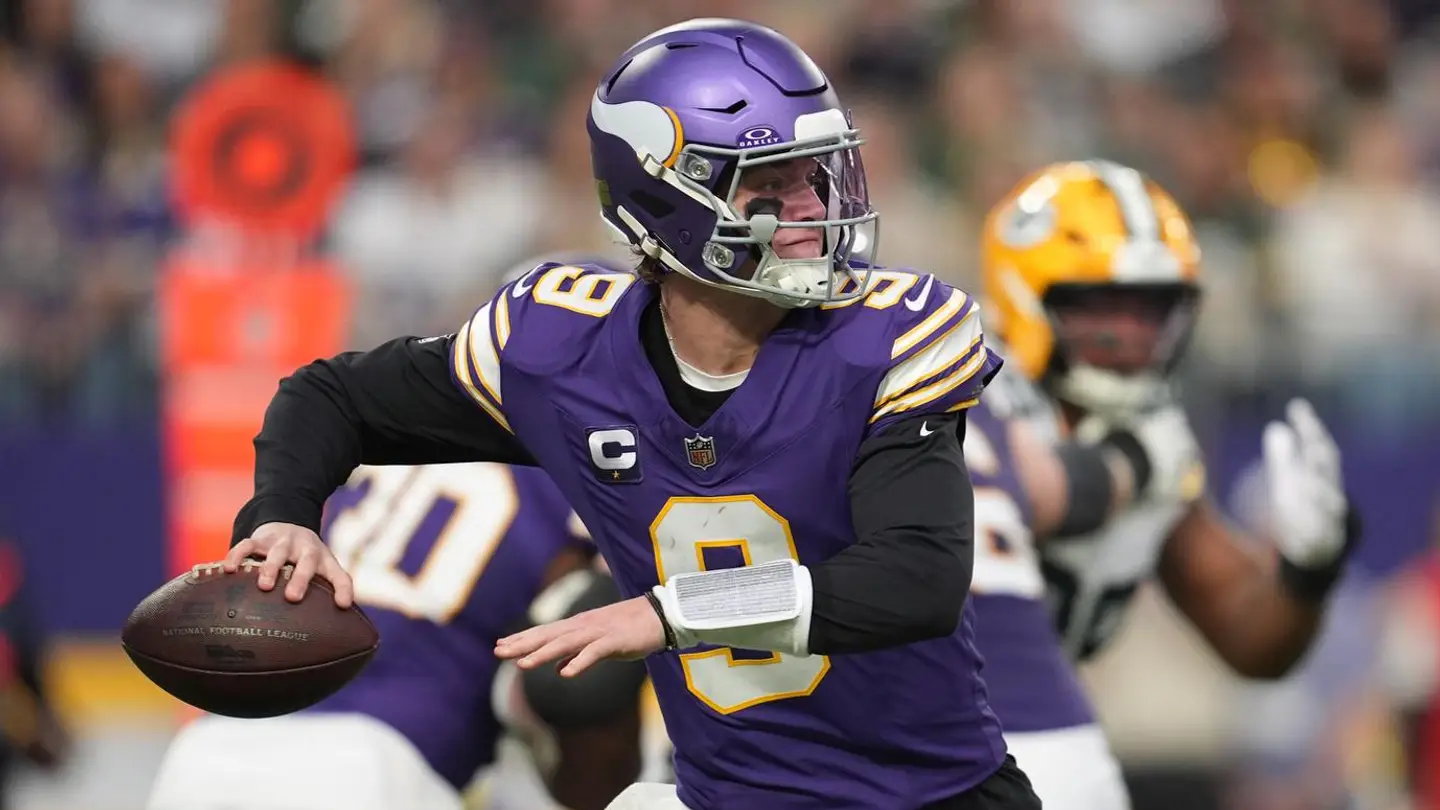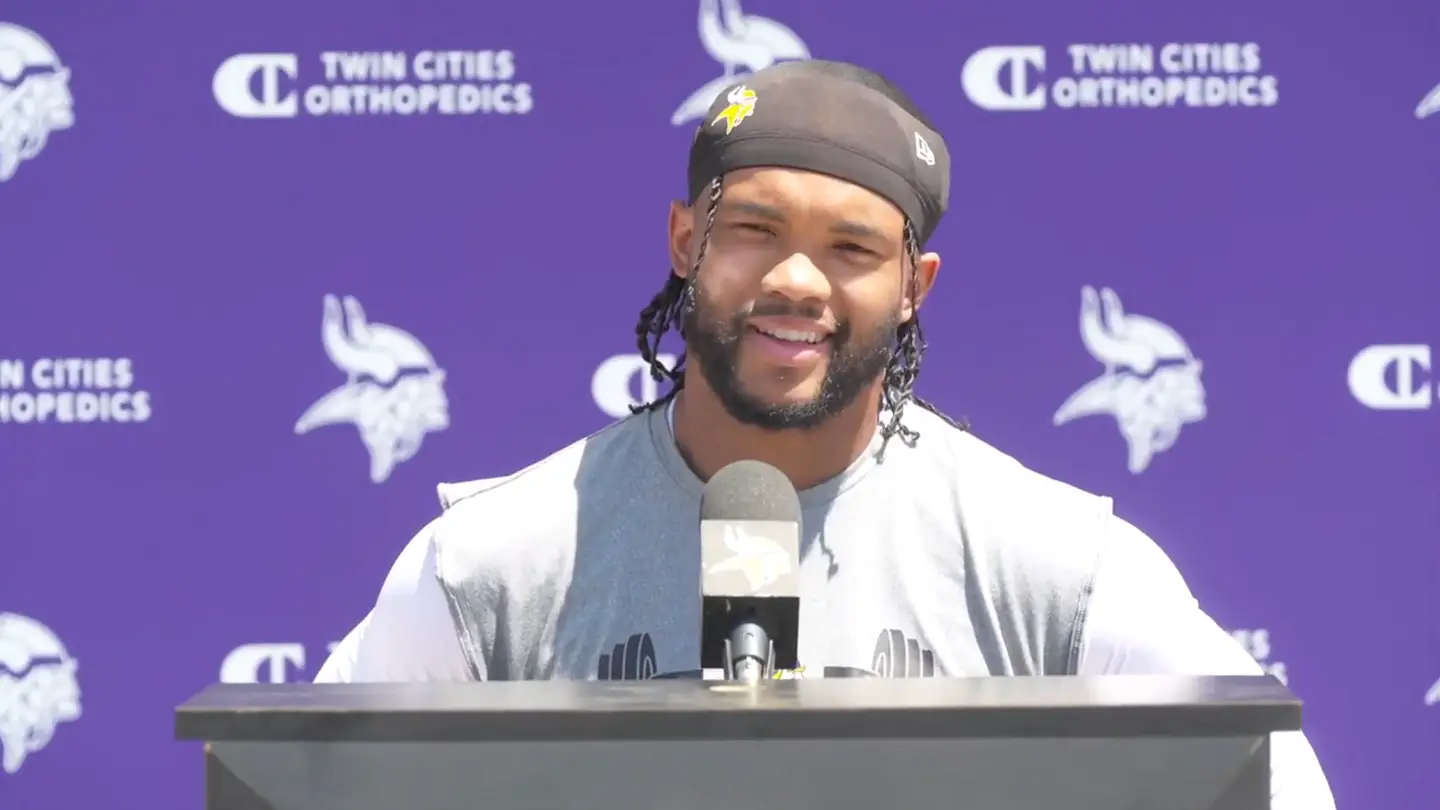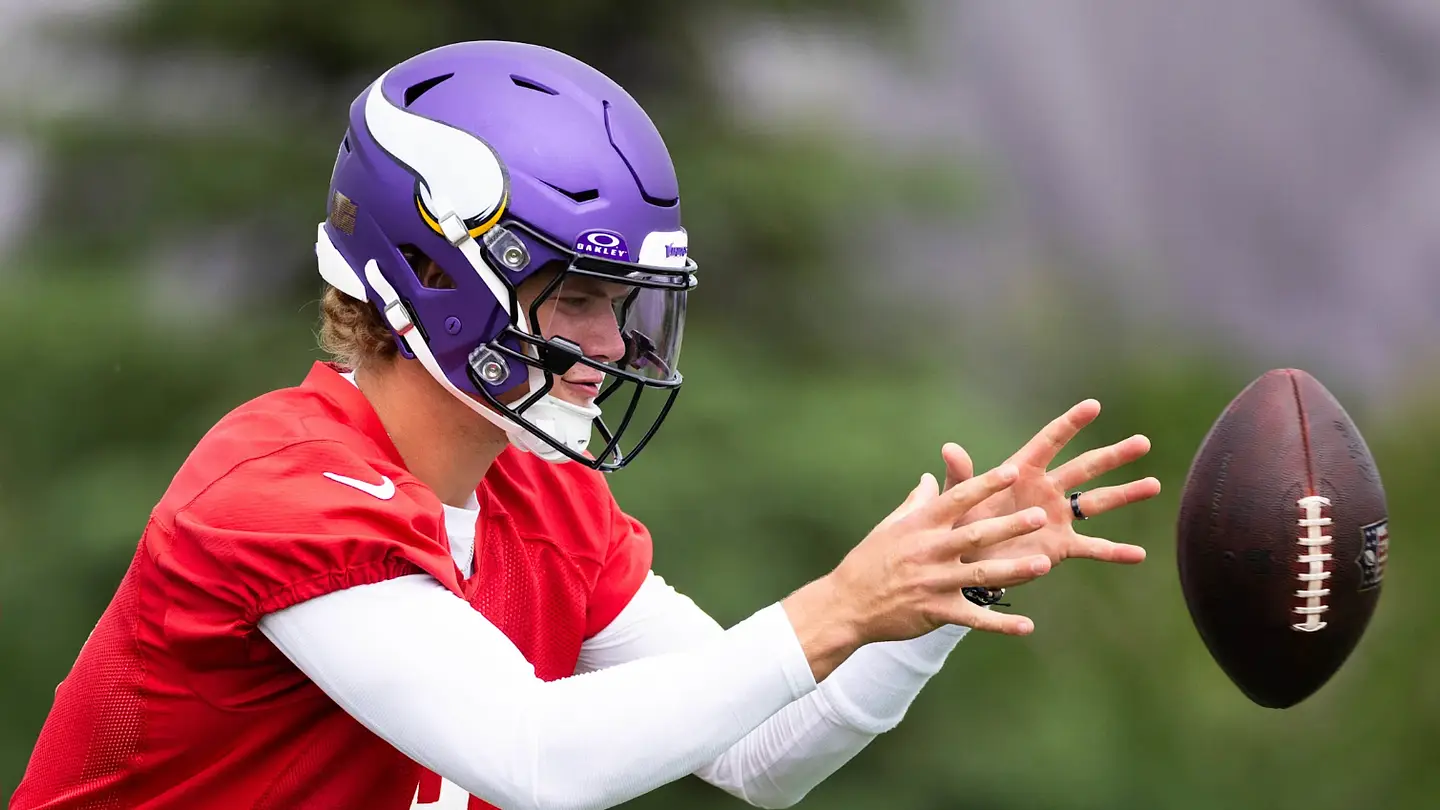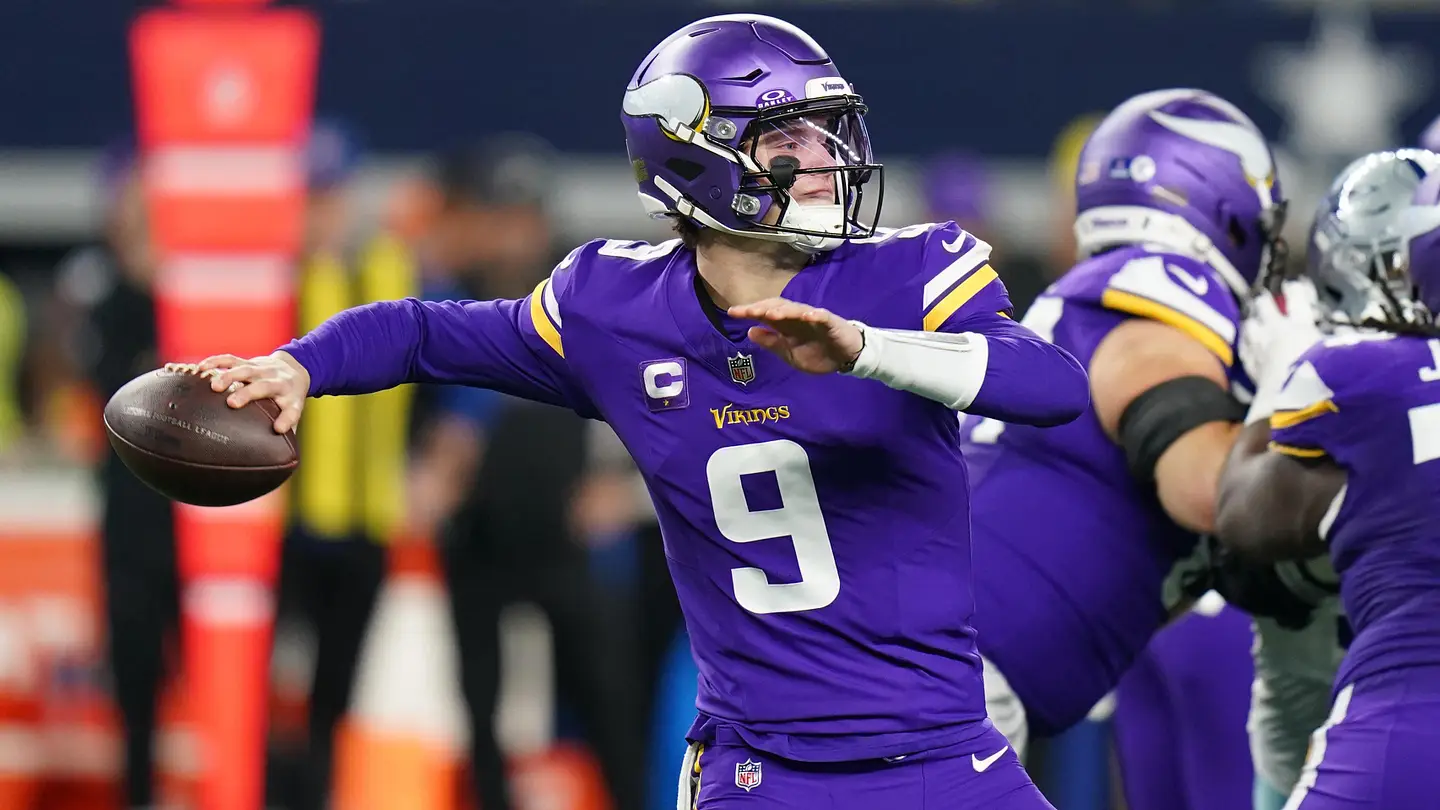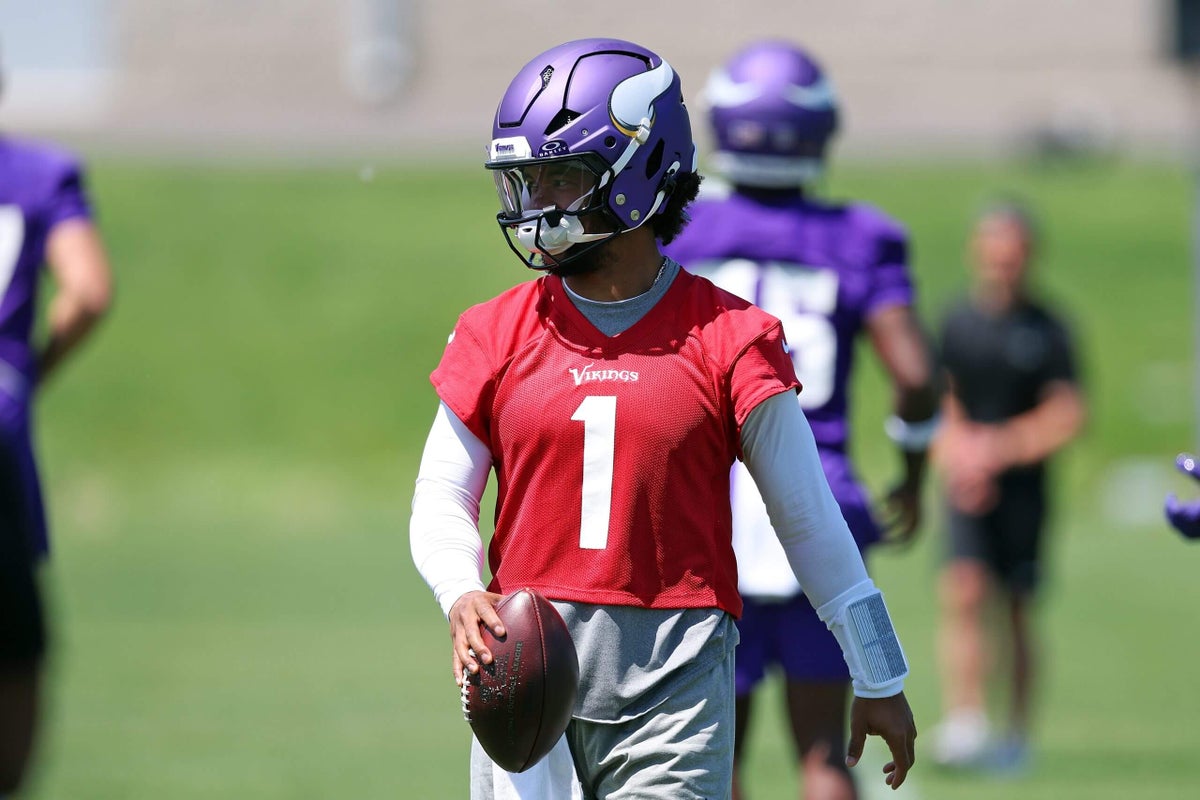
EAGAN, Minn. — Summer football practices muddle the picture as much as they reveal.Results often miss critical context. A receiver’s route might affect a pass. Defensive coverages dictate reads. These minor layers matter because they make it harder to make meaningful conclusions.In other words, it’s difficult to know what to think about a practice like the one Minnesota Vikings quarterback Kyler Murray had Tuesday.First, in a seven-on-seven period, Murray angled a pass toward the right sideline. Tight end Gavin Bartholomew, a de facto rookie, looked out of place, almost as if he’d run the wrong route. Safety Theo Jackson intercepted the pass.On the ensuing play, Murray launched a deep ball in Jauan Jennings’ direction over the middle of the field. Perhaps Murray missed his target. Cornerback Byron Murphy Jr. undercut the route to grab the ball and galloped the other way.Only the players and coaches involved know the why behind these outcomes. For Murray, it’s at least fair to say he remains immersed in the learning process of coach Kevin O’Connell’s offensive scheme.“You go home frustrated at days where you don’t feel like you’re putting your best performance out there,” Murray said. “At the end of the day, I’ve got to remind myself that this is (a lot to learn). That’s part of the process. I’ve just got to embrace it.”Discomfort and Murray haven’t typically gone together well, something he acknowledged Tuesday.Murray’s accomplishments in high school became mythical. He starred at Oklahoma, turning the college game into his own NCAA football video game. Early in his NFL career, the Arizona Cardinals designed an air-raid-style offense that allowed him to transition successfully.O’Connell’s offense features more volume than anything Murray has experienced. Play call length is one thing. The Vikings also demand a level of detail in their routes and footwork that takes a high degree of mental aptitude. He and the Vikings know that expecting everything to click immediately would be foolish.Kirk Cousins, who had played in offenses built on rhythm and timing, frequently talked about the steep learning curve with O’Connell’s scheme. Sam Darnold arrived from Kyle Shanahan’s offense in San Francisco and needed time to establish a baseline of consistency.“There are times I’m out there thinking when I wouldn’t be thinking usually,” Murray said. “But it’s all part of the process.”The Vikings’ quarterback competition — Murray versus third-year pro J.J. McCarthy — contains many tentacles. Pitting two high-profile former first-round picks against one another invites heightened attention and scrutiny. It places a magnifying glass on the mundane. O’Connell seems to be OK with all of this, so long as the team gets good quarterback play.One additional layer worth considering is what the competition means to Murray’s overall acclimation.Off the field, is it more difficult for the quarterbacks to develop authentic relationships with teammates and coaches who don’t want to appear to favor one quarterback over the other? On the field, is it most beneficial for whoever is going to be starting in September to be splitting a finite amount of reps?When a reporter asked Murray what the toughest part of this foray into O’Connell’s offense is, Murray singled out this issue.“Me already being behind and not getting the reps that you would typically want a guy to get learning an offense is probably the toughest part,” he said.Recent Vikings quarterback history offers an informative perspective on the challenge facing Murray.Cousins described the transition from Klint Kubiak’s offense in 2021 to O’Connell’s in 2022 as one of the largest adjustments of his career. The verbiage forced him to create flash cards. Identifying passing windows post-snap based on the Vikings’ preferred progressions required even more time. His spring and training camp in 2022 consisted of numerous befuddling throws and interceptions.Similarly, Darnold turned the ball over plenty in preseason practices. He discussed a number of sessions spent with former Vikings assistant offensive coordinator Grant Udinski, whose knowledge of the system streamlined O’Connell’s communication with his quarterbacks.“When Kevin O’Connell was bringing a lot of pure progression reads from Los Angeles,” Cousins said in December, “it was, like, ‘Whoa, I’ve got to get back to the dagger backside after already exhausting this progression. That’s a lot in my mind. I was used to already simplifying it and cutting the field in half. I had to work through that and get to where that was more natural.”In this sense, splitting reps for the sake of the quarterback competition could be at odds with getting one quarterback properly prepared for the season. This is probably truer in training camp, which explains the Vikings’ willingness to maintain the current setup.Through its actions, the team is showing it believes the competitive dynamic, at this time, won’t limit the ceiling of the position for a team that needs its quarterback to produce better than it did in 2025. The question now? At what point do the reps outweigh the motivational benefits of the competition?In conjunction with that, when O’Connell finally decides to roll with one of these quarterbacks as the starter, then what?
A critical layer of Vikings’ Kyler Murray-J.J. McCarthy QB battle? Splitting reps
Murray's struggles Tuesday put a spotlight on one possible drawback of the QB competition: the fact neither is getting the No. 1 snaps.
850 words~4 min read