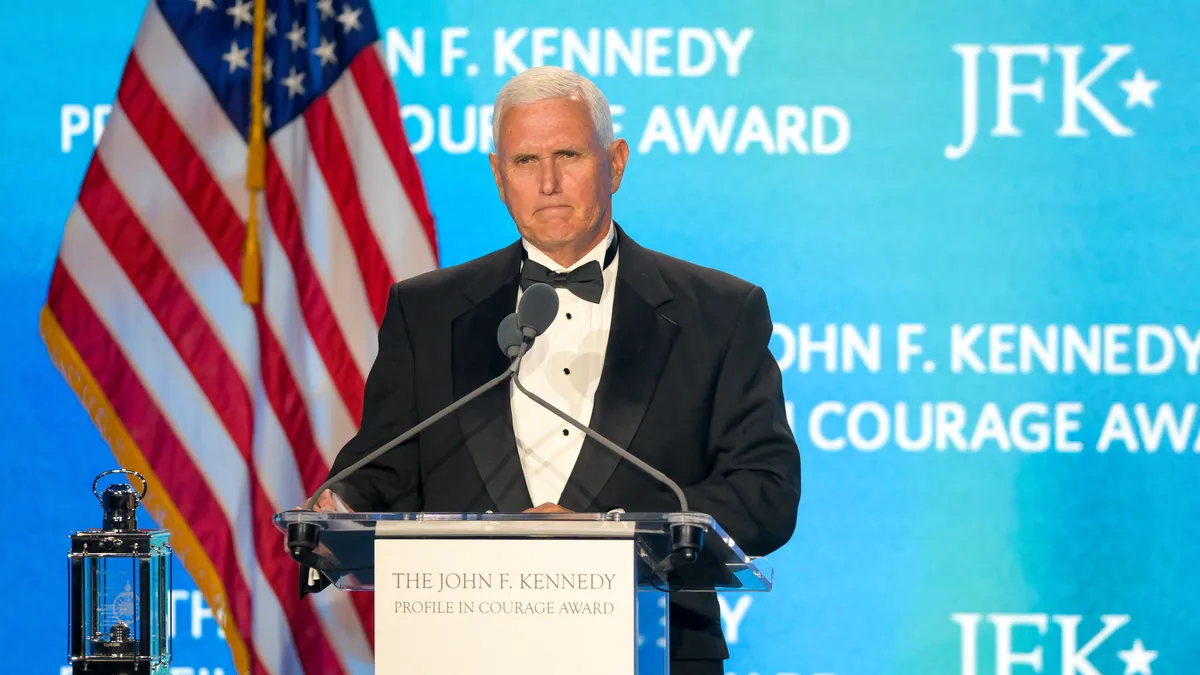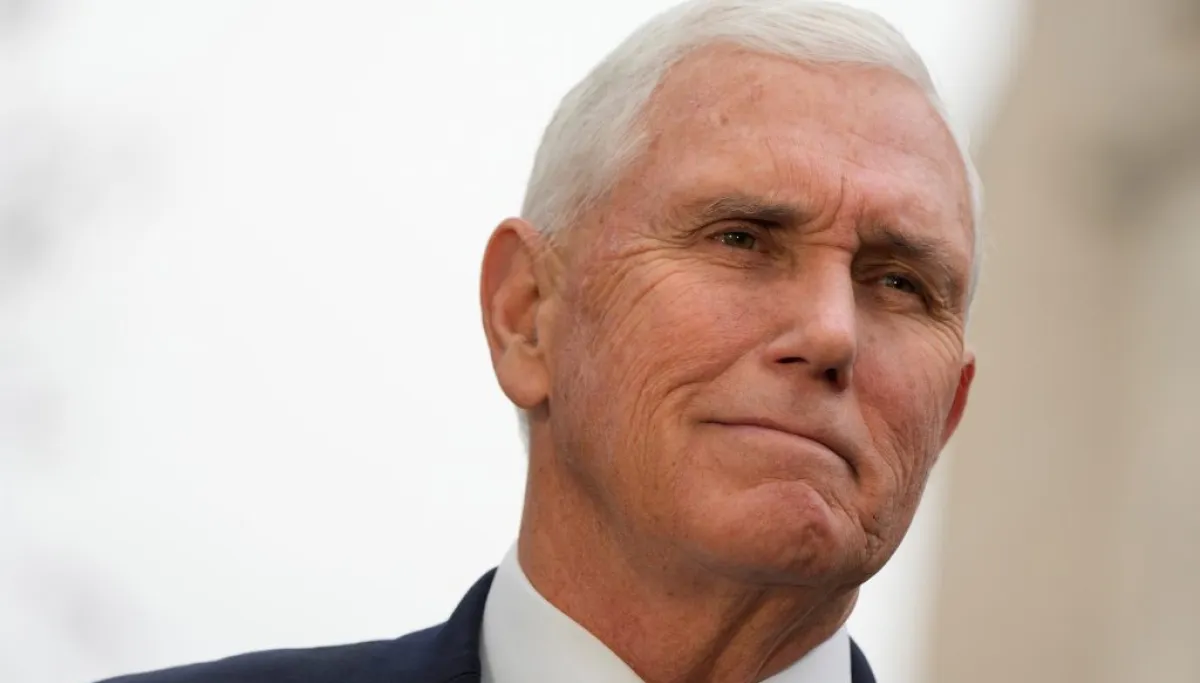
Former Vice President Mike Pence recently wrote a crucial op-ed for the Wall Street Journal titled “A Republican Time for Choosing.” He points out that the Republican Party is engaged in an internal clash: the conservatism of President Ronald Reagan versus the populism of President Donald Trump. Conservatism is represented by the principles in Reagan’s three-legged stool: Christian values, free markets, and an internationally engaged foreign policy. Pence defines populism as “progressivism in disguise.”The conflict between these ideologies within the GOP needs broader attention, and we can hope that Pence’s addressing it facilitates that. However, there is more to be said about populism beyond his discussion. Populism and progressivism are linked, but it is more than progressivism. Populism is understood as an ideology that divides society into two opposing factions: the common people and the elite. The people are the heroes, and the elites are the villains. It reminds one of the Marxist idea of class conflict. Historically, conservatives haven’t gotten on well with populists because they see the hierarchies that they sow discord in as natural, desirable, and meant to cooperate. Until very recently, the two were avowed enemies. The populist Jacobins waged war against the French elite while conservative Edmund Burke urged restraint. The populist Andrew Jackson overthrew conservative John Quincy Adams and much of the political theory of the Founding Fathers with him. Today, the populist Sen. Bernie Sanders (I-VT) pits Americans against “the 1%.”
Which way, Republican? - Washington Examiner
Conservatism and populism have tried and failed to coexist in the GOP, and the time is coming when it must choose one or the other.
629 words~3 min read