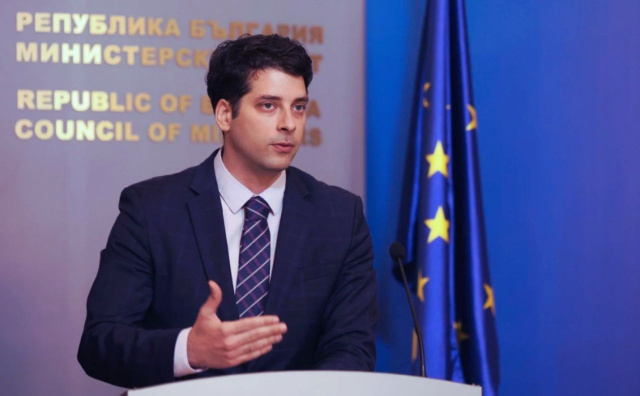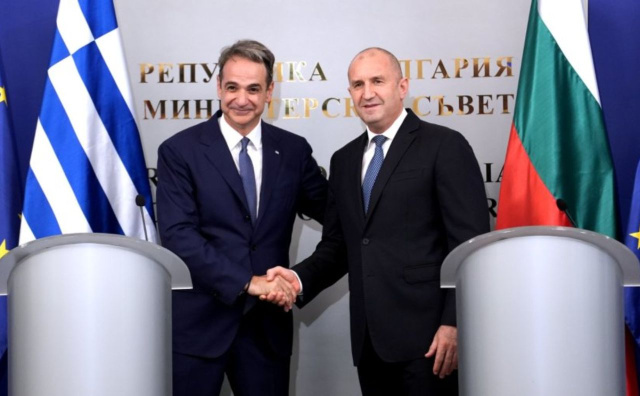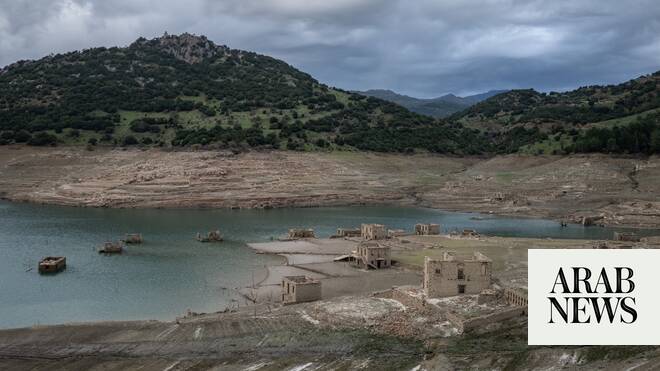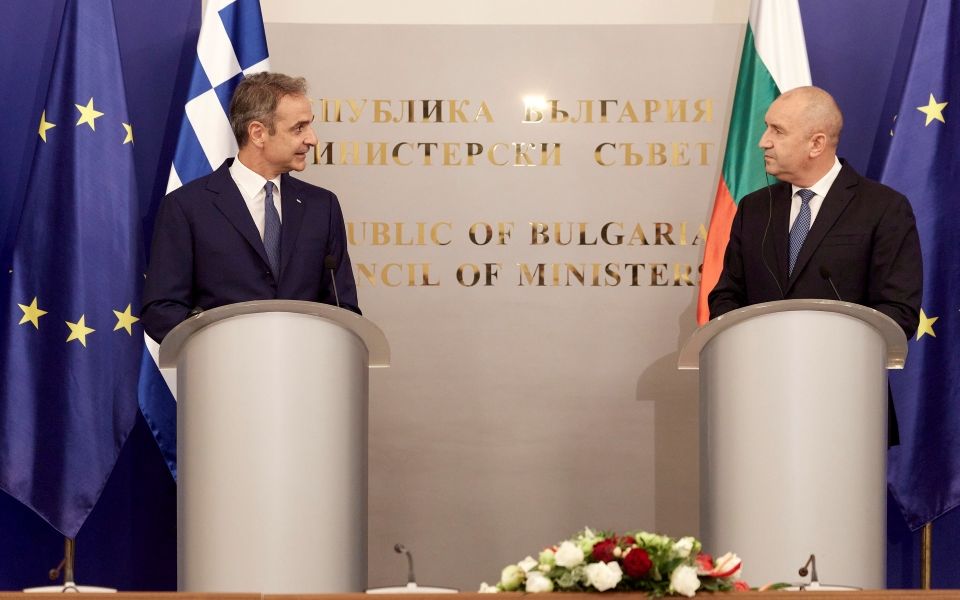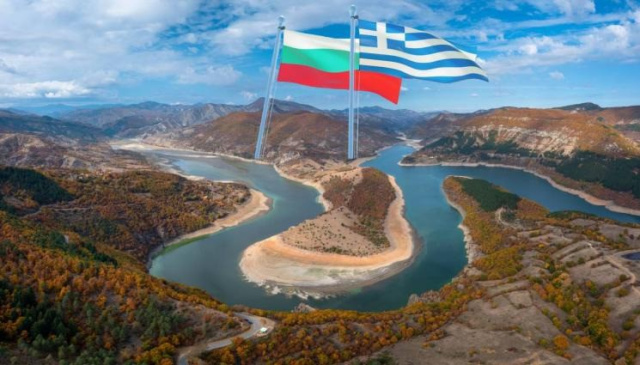
The Bulgarian Ministry of Environment and Water (MOEW) has stated that the country cannot provide long-term guarantees for specific volumes of water to Greece, citing climate uncertainty, declining river runoff, and increasing domestic demand as key limiting factors. The position was issued in response to comments by Greek Prime Minister Kyriakos Mitsotakis, who called for a long-term bilateral arrangement on transboundary waters, including flows from the Arda and Maritsa rivers.
According to the ministry, Bulgaria’s stance is shaped by current environmental realities and the need to safeguard national water security. It emphasizes that any future cooperation must be grounded in actual hydrological conditions rather than fixed volume commitments that could become unworkable over time.
The ministry refers to scientific assessments from the National Institute of Hydrology and Hydrology, which indicate that climate change is already having a marked effect on water systems across the Balkan region. These changes include shifting hydrological patterns and a growing need for adaptive, data-driven water management strategies.
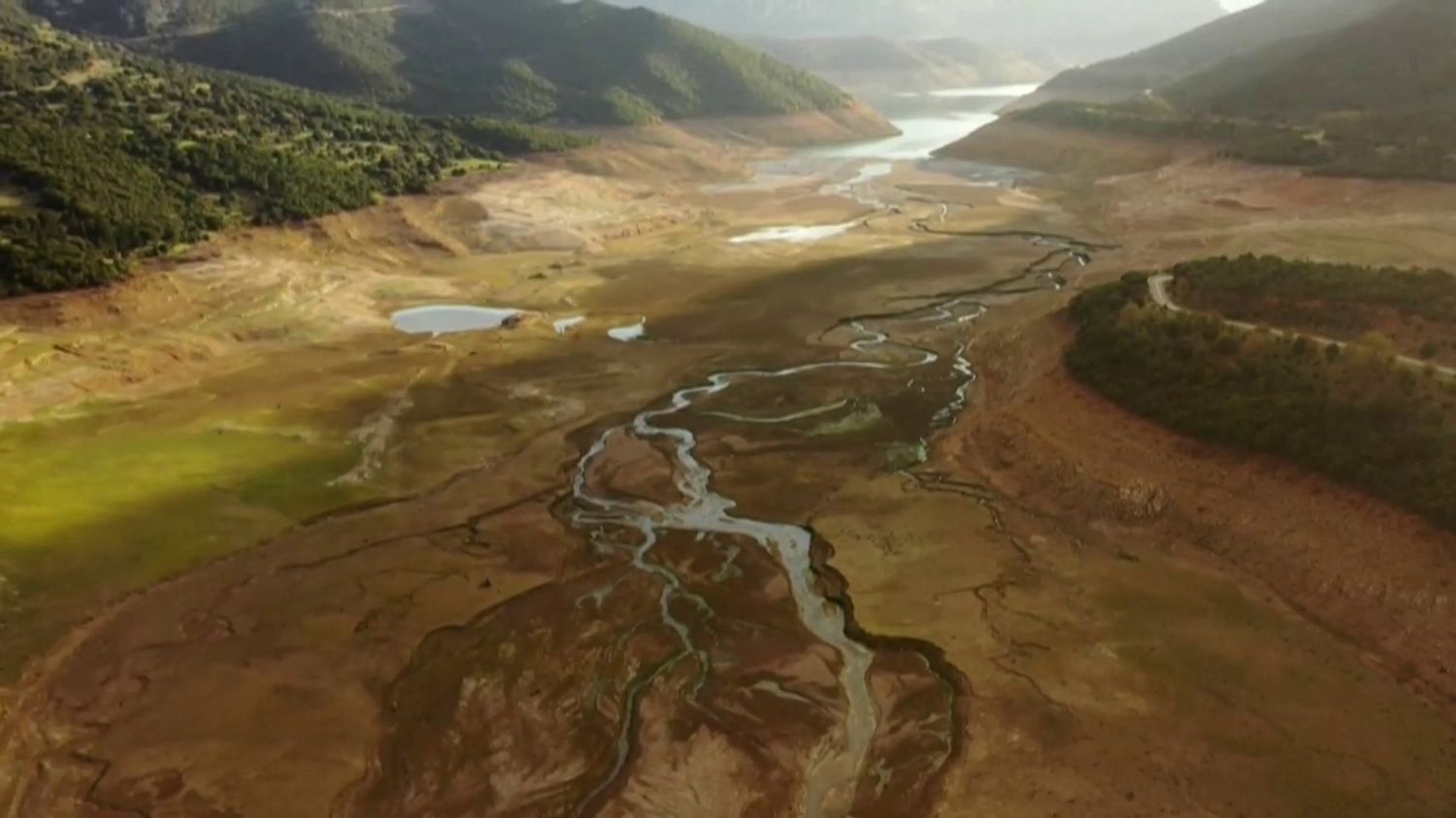
Officials note that rising average temperatures have been recorded in recent years, while forecasts point to further alterations in the water regime. Even though precipitation levels in May were above average in parts of the country, with localized flooding reported, the broader long-term trend is described as concerning. In this context, the ministry highlights that “climate change and its impact on runoff on a global but also regional scale are leading to a strong reduction in river runoff.”