The train pulled into Nice at 11:20pm. It was December 31st, 2021, and after I had found my small pension-hotel to drop off my bag, I went out into the streets. There was a flurry of excitement; groups of people carrying bottles of sparkling wine were rushing down to the sea. I was swept along by the crowd, and at midnight on the Promenade des Anglais, corks were popped, fireworks let off, and everyone toasted the new year.Article continues after advertisement
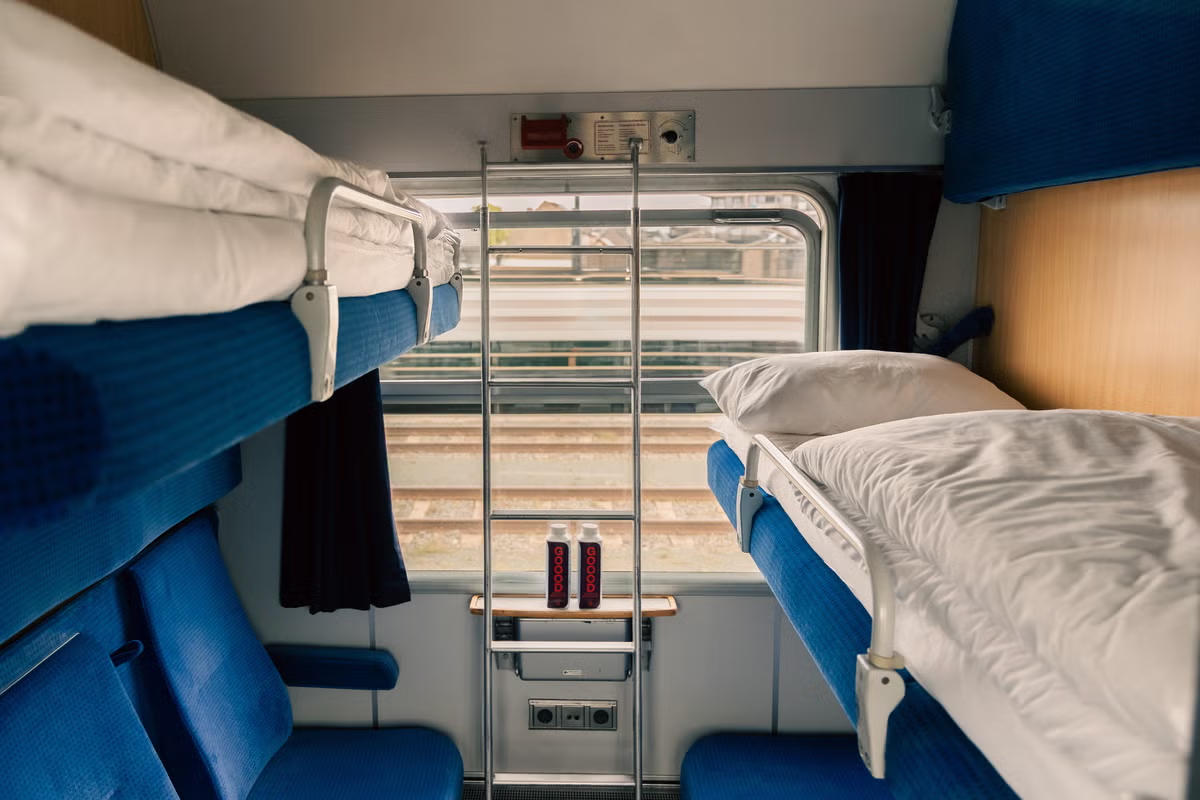
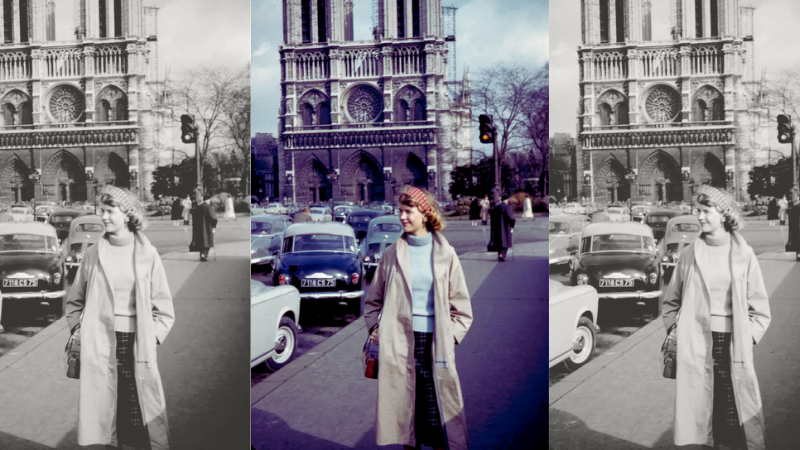
I had arrived too early. In 1955, the train from Paris took all night, and Sylvia Plath and her then-boyfriend, Richard Sassoon, saw the new year in half-asleep in a shared third-class compartment before eating bacon and eggs and pulling into Nice in time to see, in Plath’s words, “the red sun rising like the eye of God out of a screaming blue sea.” (Today, there are sadly no dining carriages on French trains, but my simulated journey extended to bringing and consuming the exact picnic they picked up at Lyon: ham rolls, red wine, peanuts, tangerines and—very Plathian—dried figs.)
I was researching a novel about Plath’s life in the town of North Tawton, Devon, where she spent just fifteen months in the early 1960s. But even though my book would be almost exclusively set in Devon, with none of the chapters narrated by Plath herself, I nevertheless wanted to try to see that world from her perspective. We are all made up of the sum of our experiences, and I did not think that I could properly understand Plath’s sightline of the packed rows of terraced houses in North Tawton unless I had seen the manicured lawns and well-spaced-out white clapperboard houses of her childhood suburb of Wellesley, or been able to compare the jagged black coastal rocks at Hartland with the long yellow shorelines of Cape Cod, where she spent many summers.