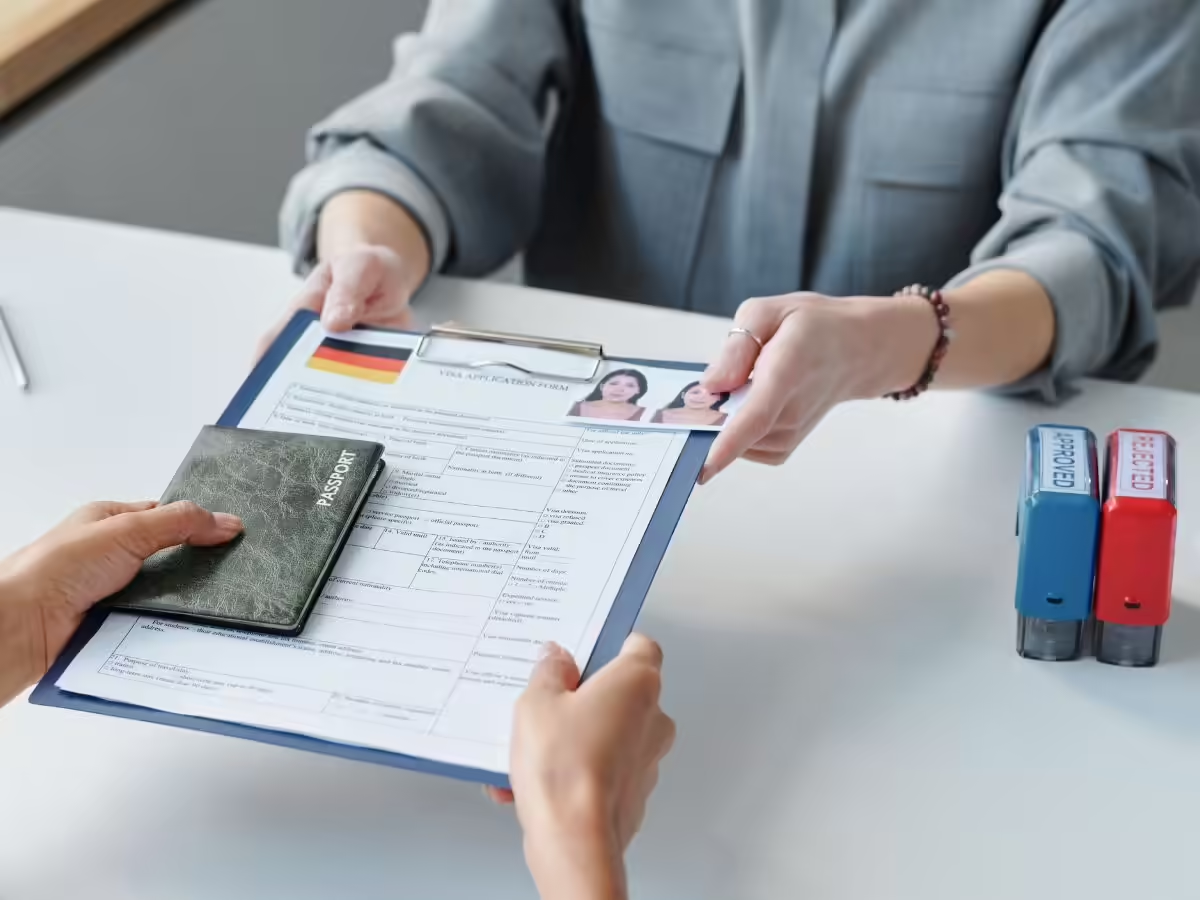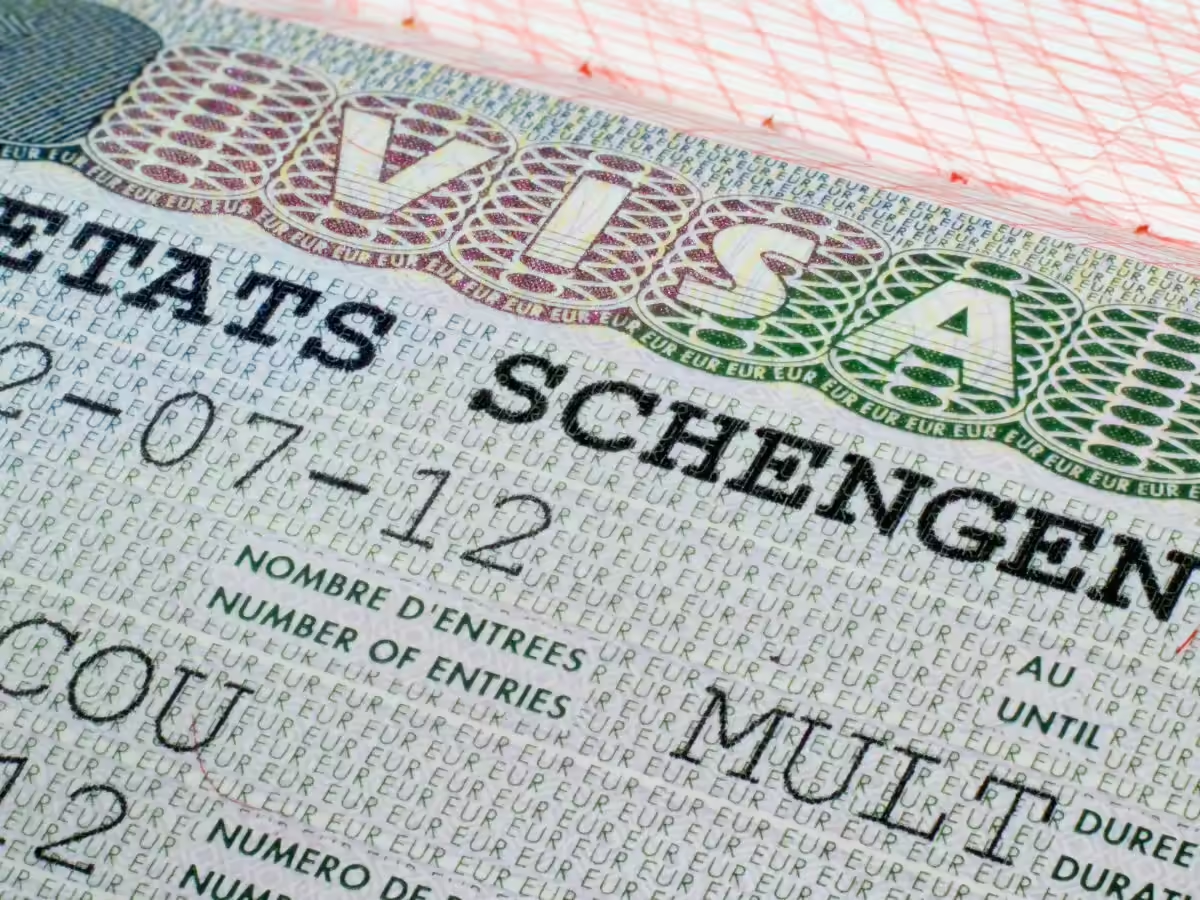
SynopsisGermany offers various work visas for non-EU nationals to address labor shortages, enabling them to live and work in the country. Eligibility hinges on a job offer, recognized qualifications, and sufficient income, with pathways to permanent residence and citizenship. The application process involves securing a visa before entry and a residence permit upon arrival.AgenciesGermany offers several work visa options for non-EU nationals who have secured a job in the country. The visa allows foreign workers to live and work in Germany and can eventually lead to permanent residence and citizenship, provided they meet the required conditions.Who needs a Germany work visa? Anyone who is not a citizen of the European Union, European Economic Area (EEA) or Switzerland generally needs a visa and a residence permit to work in Germany. However, citizens of Australia, Canada, Israel, Japan, New Zealand, South Korea and the United States can travel to Germany first and apply for a residence permit after arrival. Most other non-EU nationals must obtain a work visa before entering the country.What are the eligibility requirements? To qualify for a German work visa, applicants typically need:A valid job offer from a German employer Relevant university or vocational qualifications Qualifications that are recognised or comparable to German standards Sufficient income to support themselves German language skills where required A visa and residence permit before starting employment For some visa categories, such as the EU Blue Card, applicants must also meet a minimum salary requirement.Which work visa should you apply for? Germany offers different pathways depending on the applicant's profession and qualifications. These include:Qualified Employment (Skilled Worker) Visa: For professionals with recognised qualifications and a job offer.EU Blue Card: For highly qualified workers who meet specific salary thresholds.Professionally Experienced Worker Visa: For applicants with relevant professional experience.Self-Employment and Freelance Visa: For entrepreneurs and freelancers planning to work independently.Researcher Visa: For individuals conducting research activities in Germany. How does the application process work? Most applicants must submit their work visa application through a German embassy or consulate in their country of residence. Some German missions also offer online application services before an in-person biometric appointment. Once in Germany, foreign workers must apply for a residence permit through the local Foreigners Office, known as the Ausländerbehörde.How long is the visa valid? A German work visa is generally issued for up to one year. After arrival, workers receive a residence permit that can be valid for up to four years. If the employment contract is shorter than four years, the residence permit is usually issued for the contract duration plus three additional months.Can the visa lead to permanent residence?Foreign workers may become eligible for a settlement permit, which grants permanent residence rights. Those who meet the required conditions may also apply for German citizenship through naturalisation. For many skilled professionals, the Germany work visa serves as a long-term pathway to employment, residence and eventual settlement in the country. (Join our ETNRI WhatsApp channel for all the latest updates)...moreElevate your knowledge and leadership skills at a cost cheaper than your daily tea.Subscribe Now
Planning to work in Germany? Here's what you need to know about the work visas - The Economic Times
Germany offers various work visas for non-EU nationals to address labor shortages, enabling them to live and work in the country. Eligibility hinges on a job offer, recognized qualifications, and sufficient income, with pathways to permanent residence and citizenship. The application process involves securing a visa before entry and a residence permit upon arrival.
505 words~2 min read