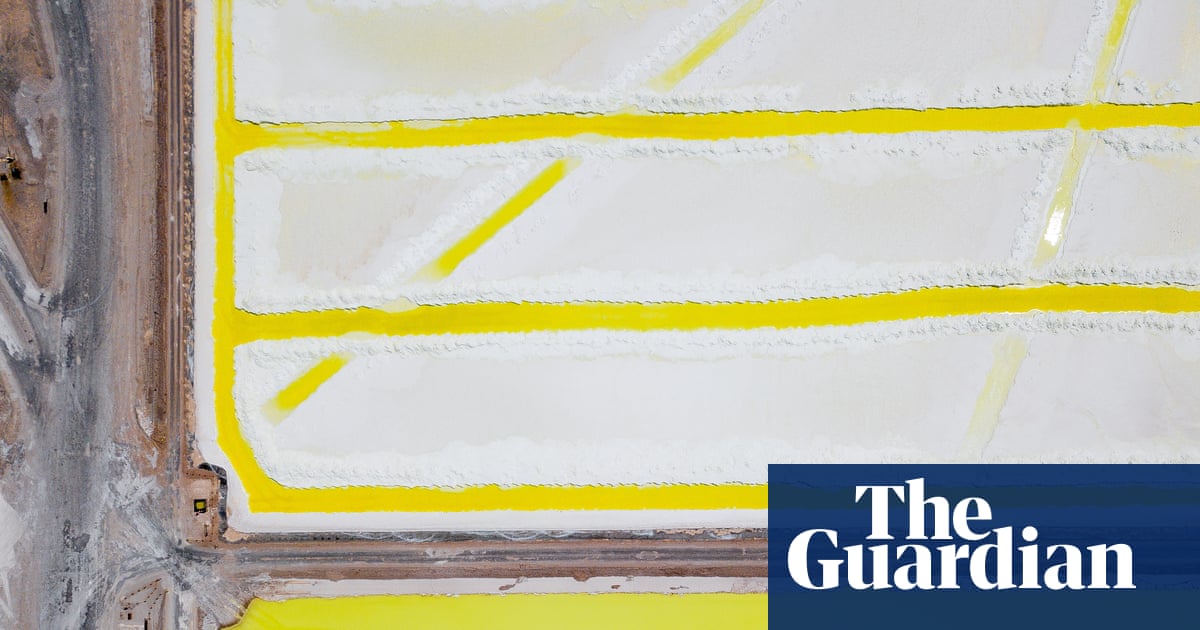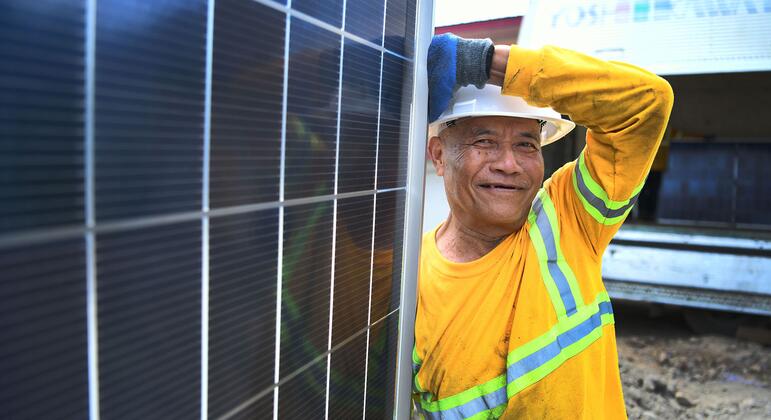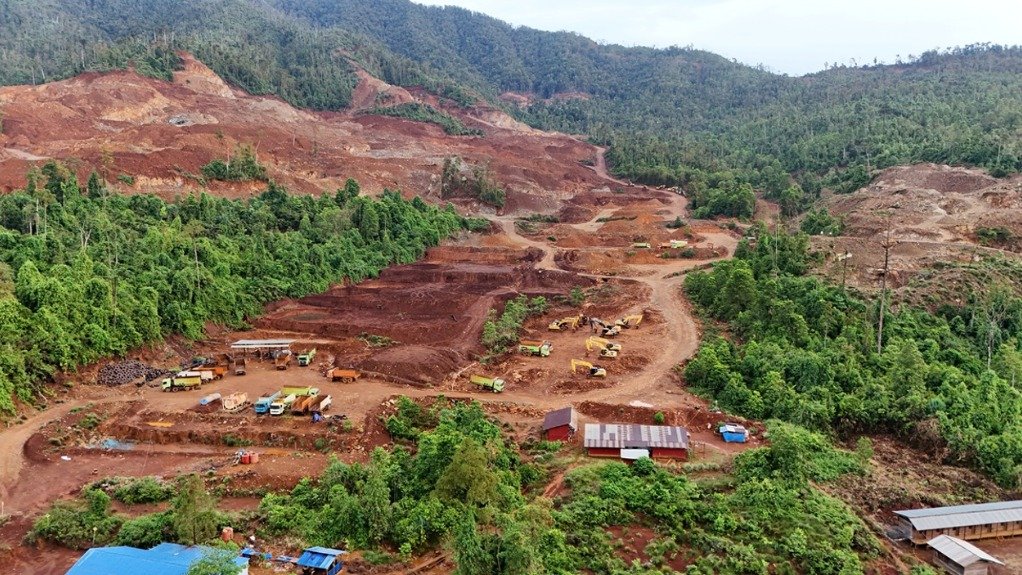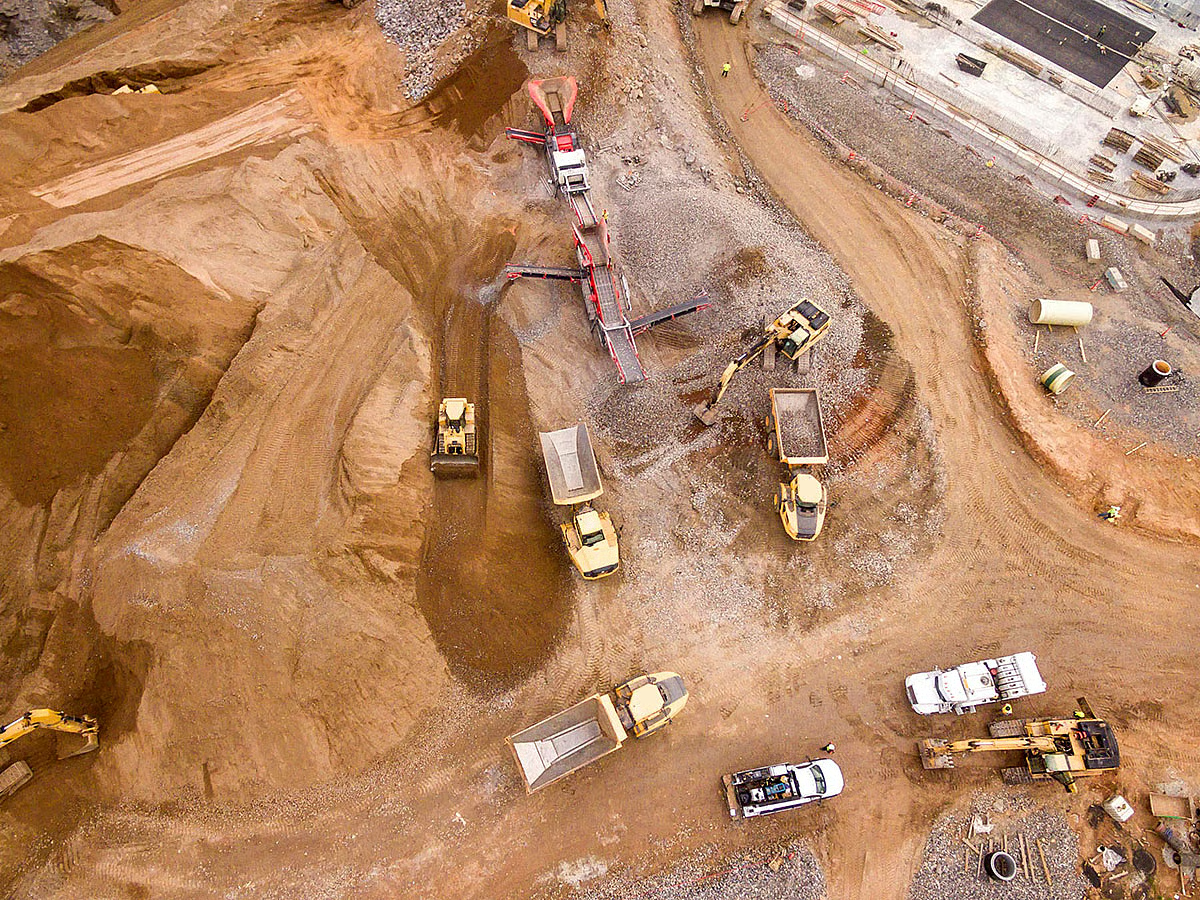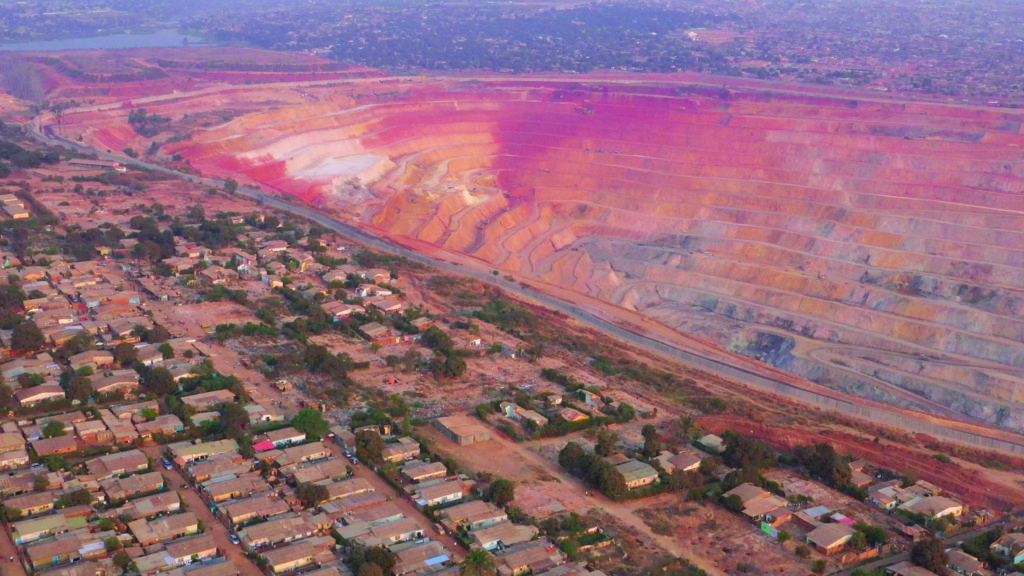
Global demand for minerals is rising fast. This is being driven by the shift to renewable energy and electric vehicles, and increasingly by the rapid growth of artificial intelligence (AI) and data centres. Minerals such as lithium, nickel, and cobalt are essential for these technologies, but extracting them often comes at a high cost to people and planet.
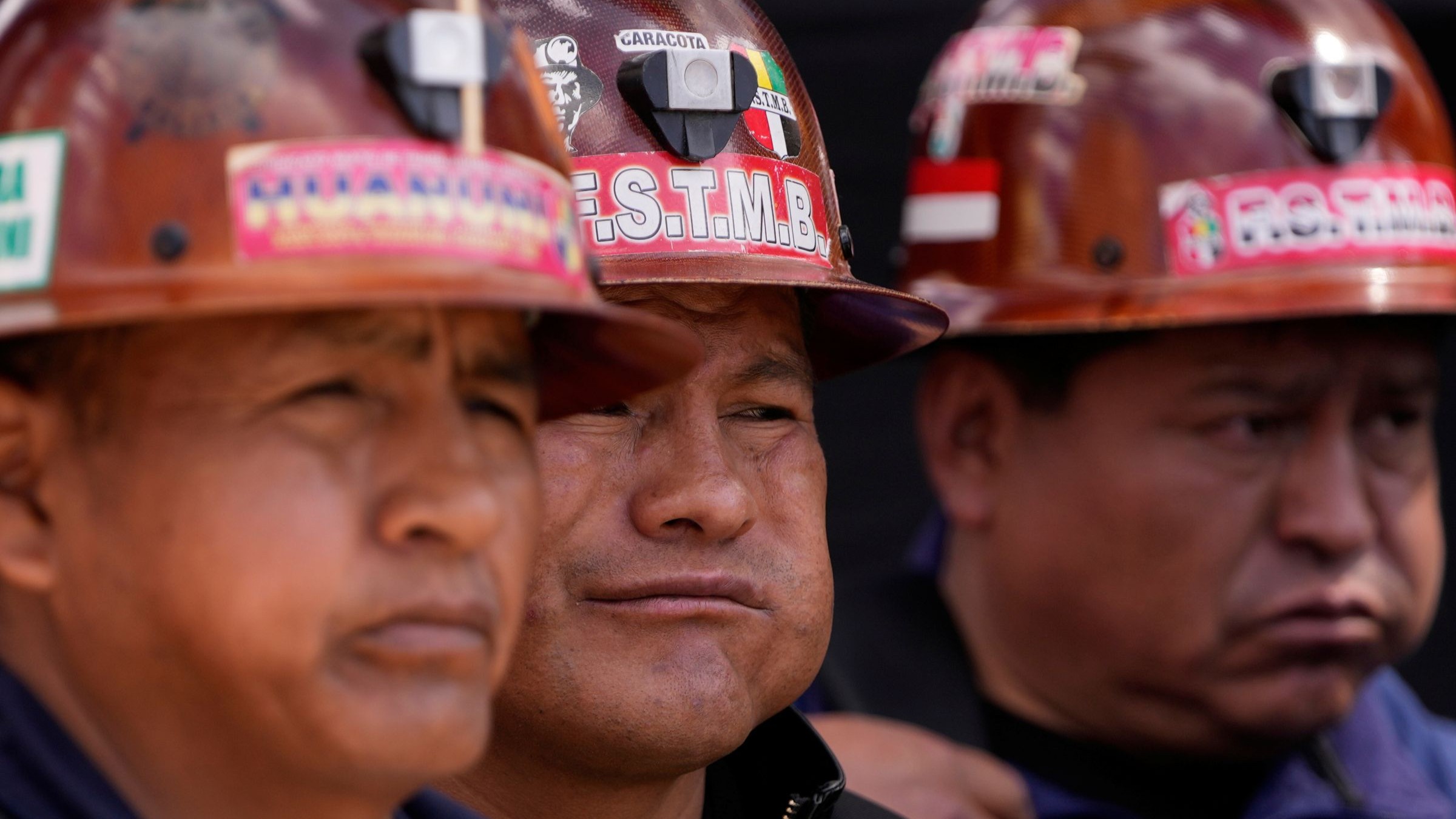
Amnesty International’s research, spanning more than a decade and many countries, shows that communities at the frontlines of so-called “critical minerals” extraction experience serious human rights and environmental abuses. These include health-harming pollution, forced evictions, dangerous working conditions, loss of livelihoods and violations of Indigenous Peoples’ rights to self-determination. From the Philippines to the Democratic Republic of Congo, and the USA, the pattern is clear: too often, the demand for minerals happens at the expense of human rights and the environment.
What are critical minerals?
“Critical minerals” are raw materials such as lithium, nickel, cobalt, copper and rare earth elements. They are considered “critical” because they are essential for modern technologies such as electric vehicle batteries, AI hardware and infrastructure, wind turbines, power grids and smartphones.