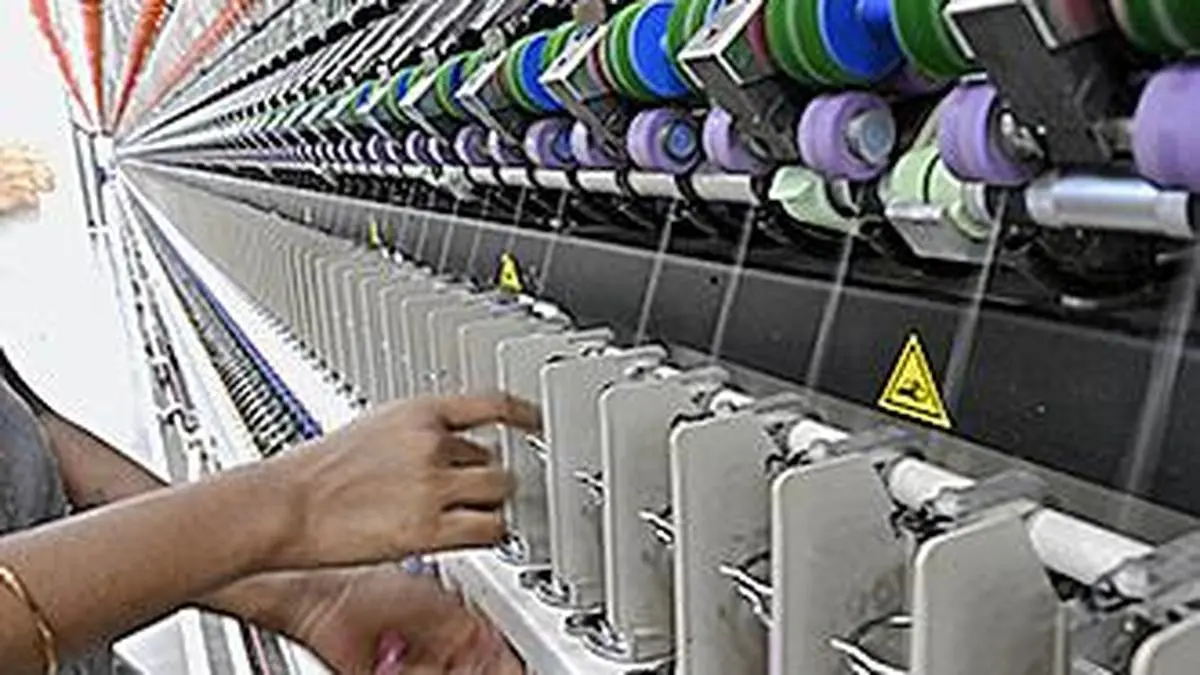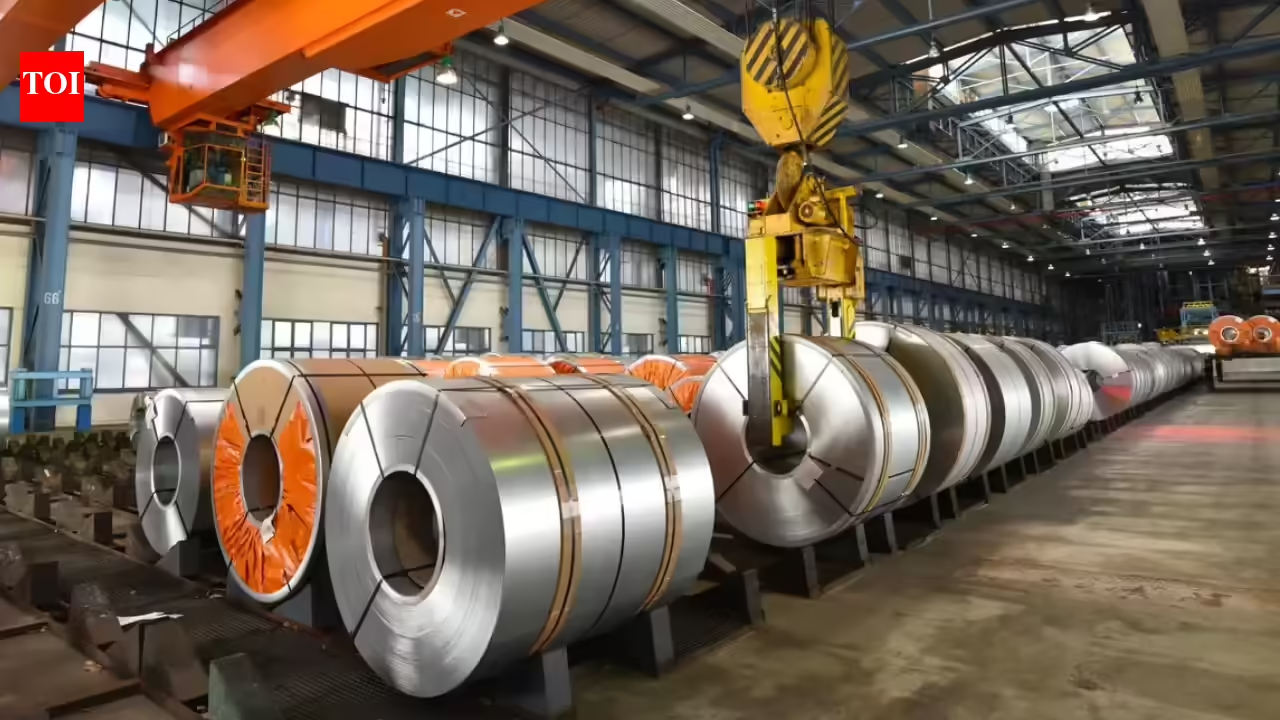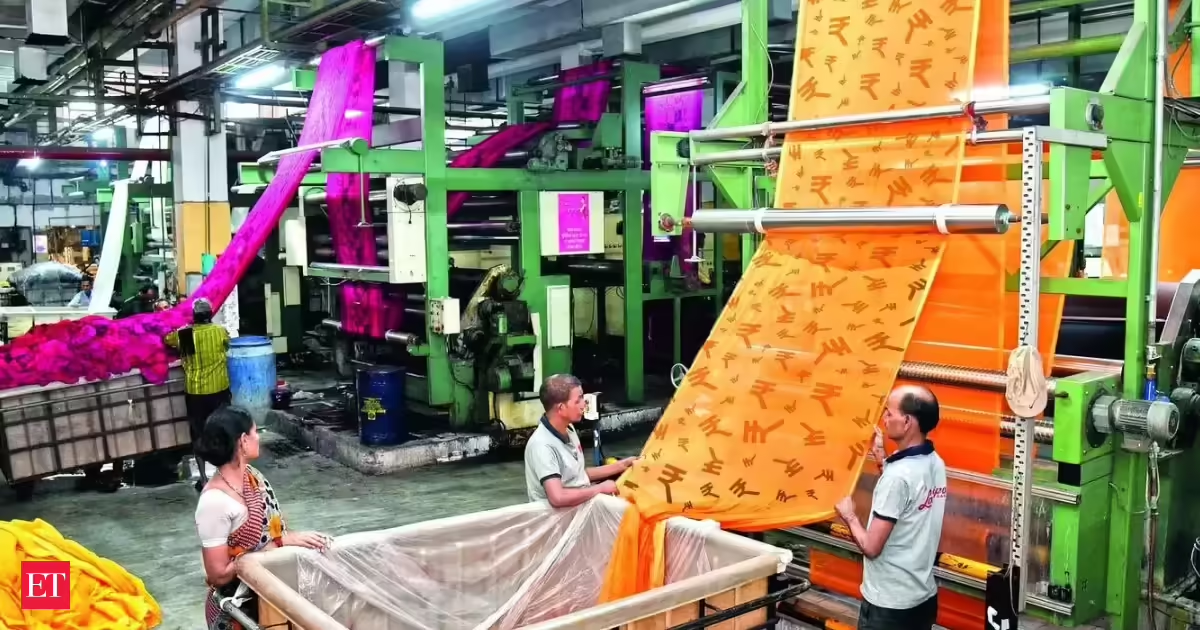
India has pushed back against claims made in a US trade investigation that the country maintains excess production capacity in the textiles and steel sectors, with a senior government official arguing that domestic output remains closely tied to local demand.According to Reuters, Additional Trade Secretary Amitabh Kumar said on Wednesday that India does not have surplus manufacturing capacity in either industry, contrary to allegations being examined under the US Trade Representative's (USTR) Section 301 probe.Kumar said India's production levels in textiles and steel need to be viewed in the context of the country's large population and growing consumption requirements. On a per-capita basis, both production and consumption remain well below levels seen in several developed economies, he noted.Textile industry rejects excess-capacity allegationsIndustry body TEXPROCIL has also challenged the US allegations, submitting a detailed response to the USTR as part of the Section 301 probe.The Ministry of Commerce has separately filed representations on behalf of affected industries, rejecting claims related to both excess capacity and the use of forced labour in India's cotton textile sector.According to TEXPROCIL, India's cotton textile industry is driven primarily by domestic consumption rather than exports. More than 80% of production is absorbed within the country, leaving limited scope for the kind of export-led overcapacity cited in the US probe.The industry body argued that production trends across cotton, yarn and fabric segments do not point to a rapid build-up of capacity. Instead, output in several segments has remained flat or moderated in recent years, making allegations of structural oversupply difficult to substantiate.US scrutiny widens beyond textilesThe latest investigation was launched after the USTR initiated a review into whether countries use subsidies, wage suppression or other policy measures to create structural manufacturing advantages that distort trade.In its notice, US authorities cited India's trade surplus with the United States and flagged sectors including textiles, steel, petrochemicals, health products and automotive goods.The notice also pointed to India's solar manufacturing industry, arguing that installed production capacity exceeds domestic demand.
India counters US Section 301 probe claims of surplus capacity in textiles, steel
India is pushing back against US allegations of excess production capacity in textiles and steel. Government officials argue that domestic output closely matches local demand, driven by India's large population and growing consumption. Industry bodies like TEXPROCIL also reject these claims, highlighting that over 80% of textile production serves the domestic market.
328 words~1 min read