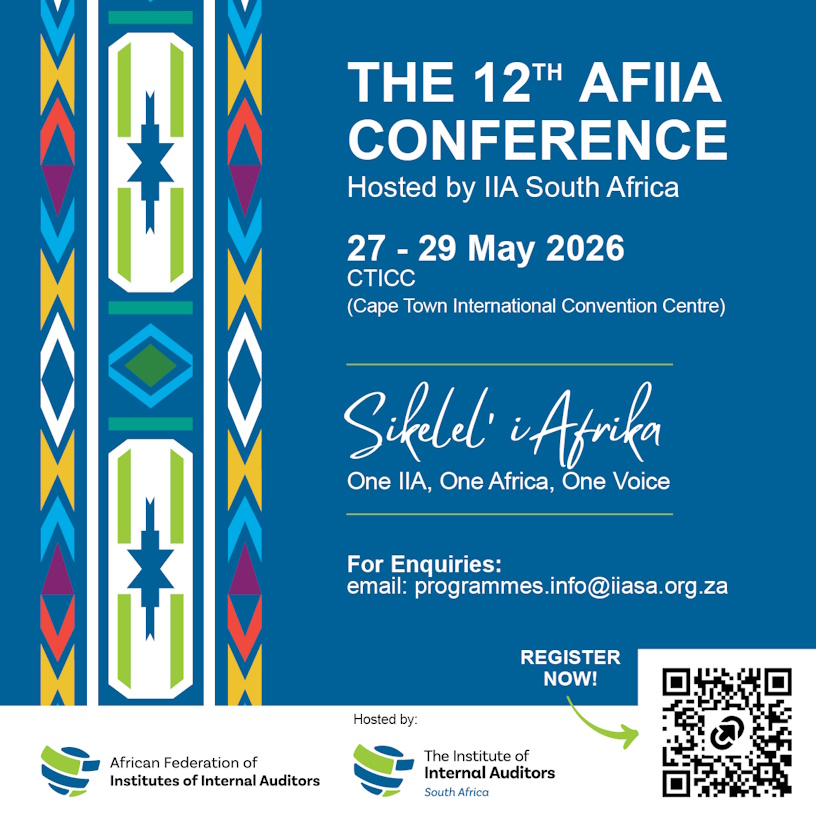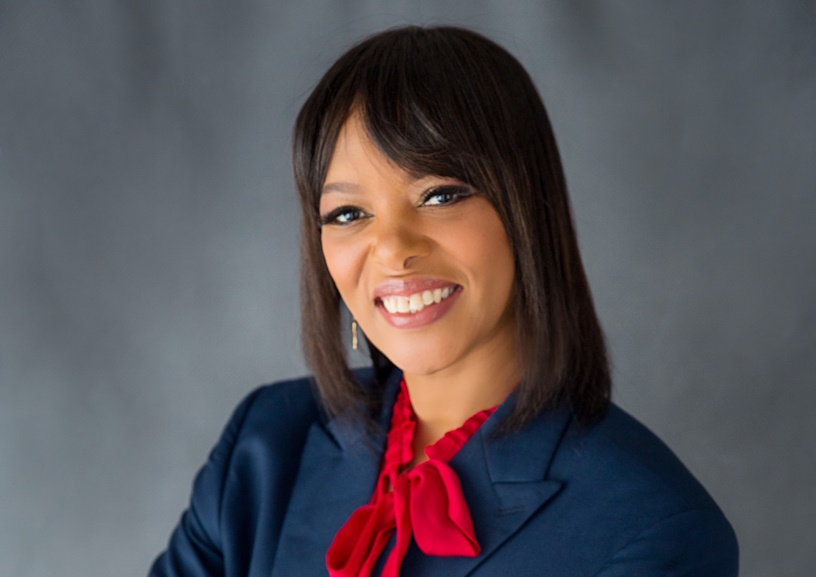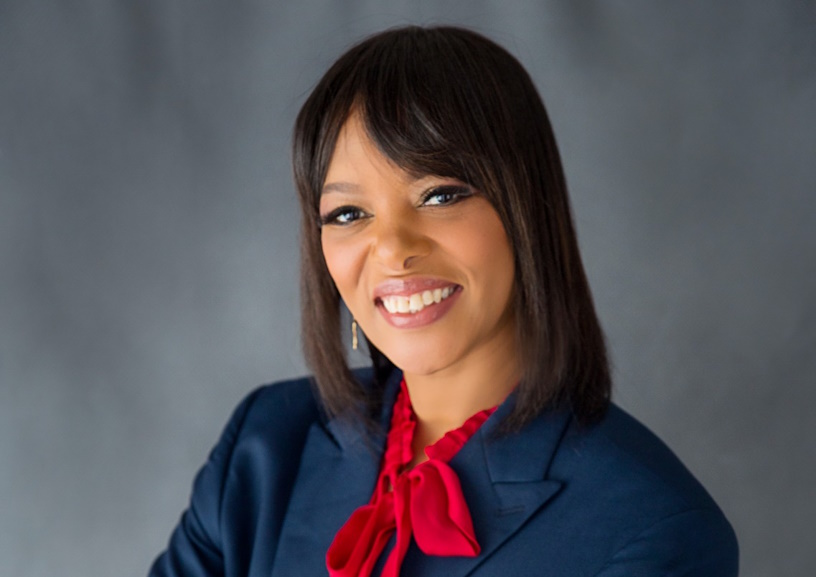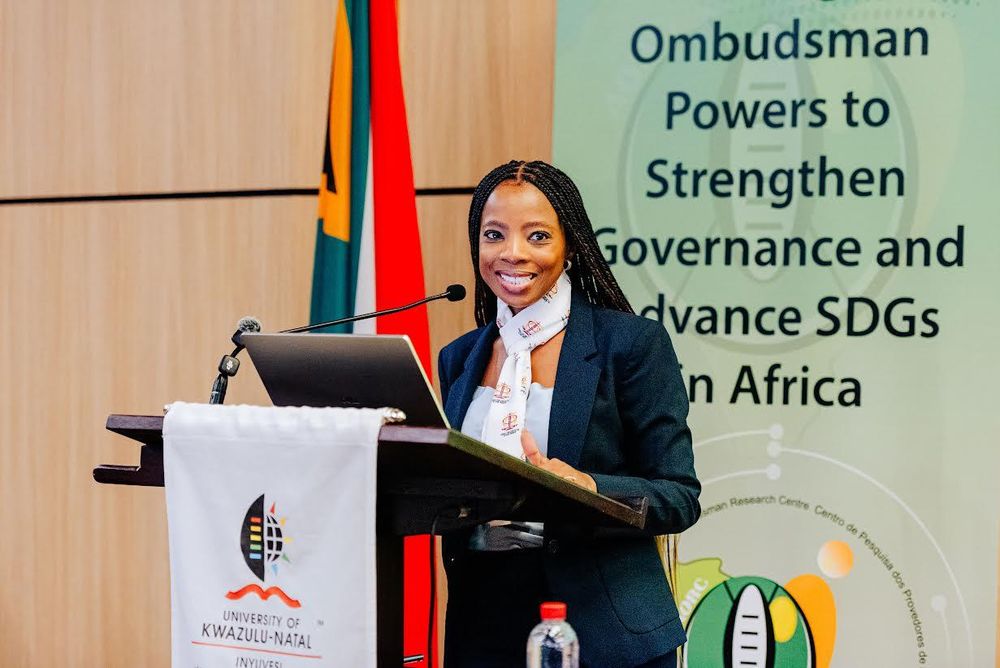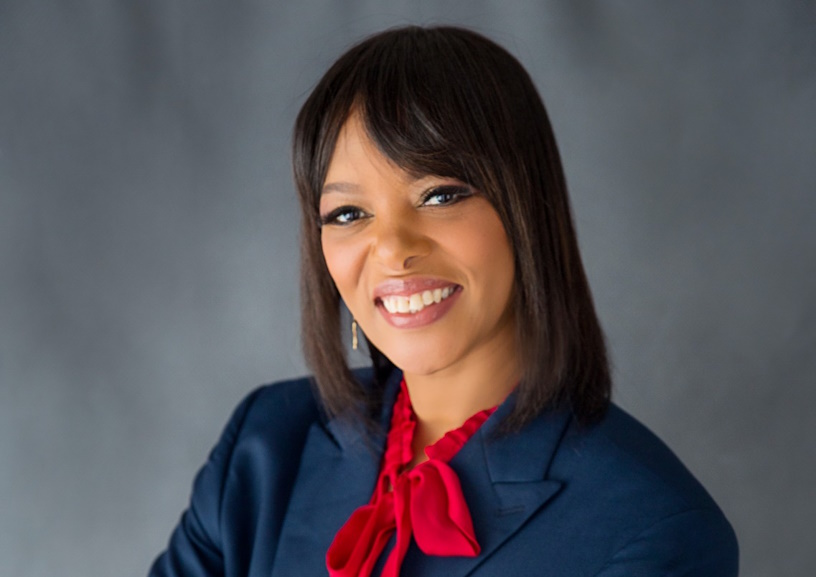
Arlene-Lynn Volmink, IIA SA CEO. (Image: Supplied) African internal audit and governance leaders have called for stronger accountability systems as the 12th African Federation of Institutes of Internal Auditors (AFIIA) Conference took place in Cape Town last week.Hosted by the Institute of Internal Auditors South Africa (IIA South Africa) on behalf of AFIIA, from 25 to 29 May, the event opened on Africa Day, during international Internal Audit Month, and brought together more than 3 600 delegates from 29 countries across the African continent.Opening discussions at the 12th AFIIA Governance Forum focused on internal audit’s role in strengthening institutions, improving oversight and identifying risks before failures become entrenched. During the keynote address, Advocate Kholeka Gcaleka, Public Protector of the Republic of South Africa, placed internal audit at the centre of Africa’s accountability chain. She noted that external oversight bodies often become involved only after complaints have been lodged, audit cycles completed or financial years closed. In contrast, internal auditors operate within organisations and have a deep understanding of systems, controls, processes and transactions as they occur. As the independent assurance function within the Three Lines Model developed by The Institute of Internal Auditors (The IIA), internal audit is uniquely positioned to identify control weaknesses, governance failures and emerging risks early, providing timely insight that can help prevent corruption, fraud and maladministration before they escalate.That early-warning role depends on internal audit functions being adequately resourced. Research found that 86% of internal audit leaders seek help from external providers, while 67% say their staff’s technical capabilities are not fully aligned with important audit priorities.Sessions on AI and cyber security noted that organisations are facing faster-moving risks. The IIA’s 2026 Risk in Focus survey ranked cyber security, business resilience, digital disruption (including AI), financial or liquidity risk and fraud among the highest risks facing African organisations. Delegates were urged to move from reactive assurance towards earlier involvement in innovation, resource allocation, AI governance, data quality and board-level decision-making.Advocate Gcaleka’s address also highlighted the risks faced by internal auditors and whistleblowers who expose wrongdoing, and the need to counter corruption systems that are often organised, well-resourced and resistant to scrutiny. She noted that accountability work can carry personal and professional consequences and called for stronger networks among internal auditors, Auditors-General, Accountants-General, Public Accounts Committees, civil society and the Public Protector.For Arlene-Lynn Volmink, CEO of IIA South Africa, the opening sessions reinforced the importance of properly positioning and supporting internal audit.“What has come through strongly is that internal audit cannot be treated as a back-office function or a compliance exercise,” says Volmink. “Whether in the public or private sector, organisations need internal audit functions with the independence, skills and authority to identify warning signs early and effectively influence leaders to act before weaknesses become failures.”This was linked to discussions on the evolution of governance standards and King V, where board expectations, ethical leadership and accountability were examined against a backdrop of disruption, complexity and scrutiny.Alongside the AFIIA Conference’s 12th Governance Forum, the fourth AFIIA University Programme offered a practical focus on building and deepening internal audit practitioner capability, while the main 12th AFIIA Conference covered the strategic value of internal audit, technology-driven auditing, sustainability, public and private sector governance and the role of internal audit in building more resilient institutions.
African internal audit leaders call for stronger accountability systems as AFIIA Week concludes in Cape Town
Opening discussions at the 12th AFIIA Governance Forum focused on internal audit’s role in strengthening institutions, improving oversight and identifying risks before failures become entrenched.
545 words~2 min read