Wednesday, June 10th 2026 - 06:51 UTC
Part of Peronism considers a pardon for the leader who has most polarized Argentine society over the past two decades could mobilize anti-Kirchnerist voters
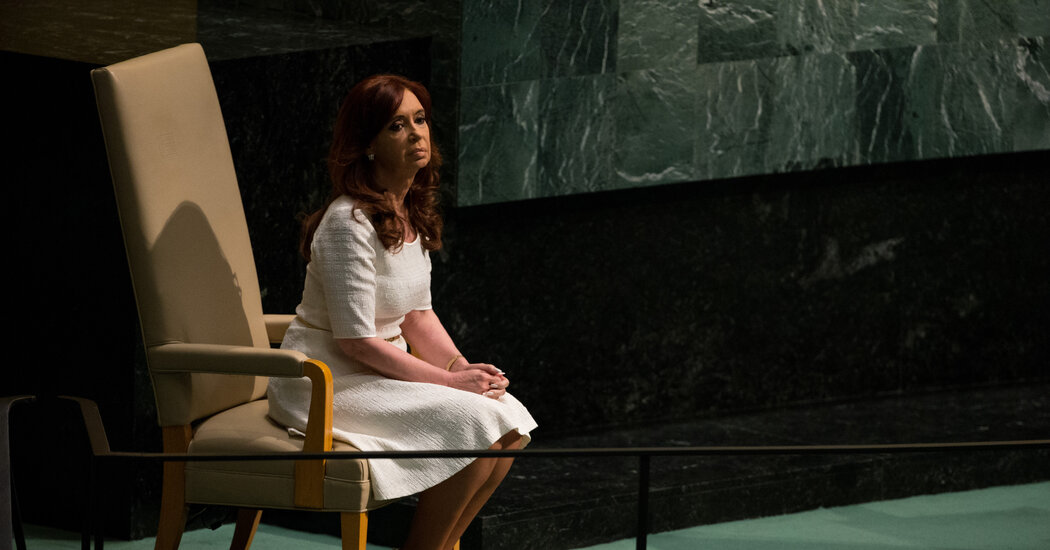
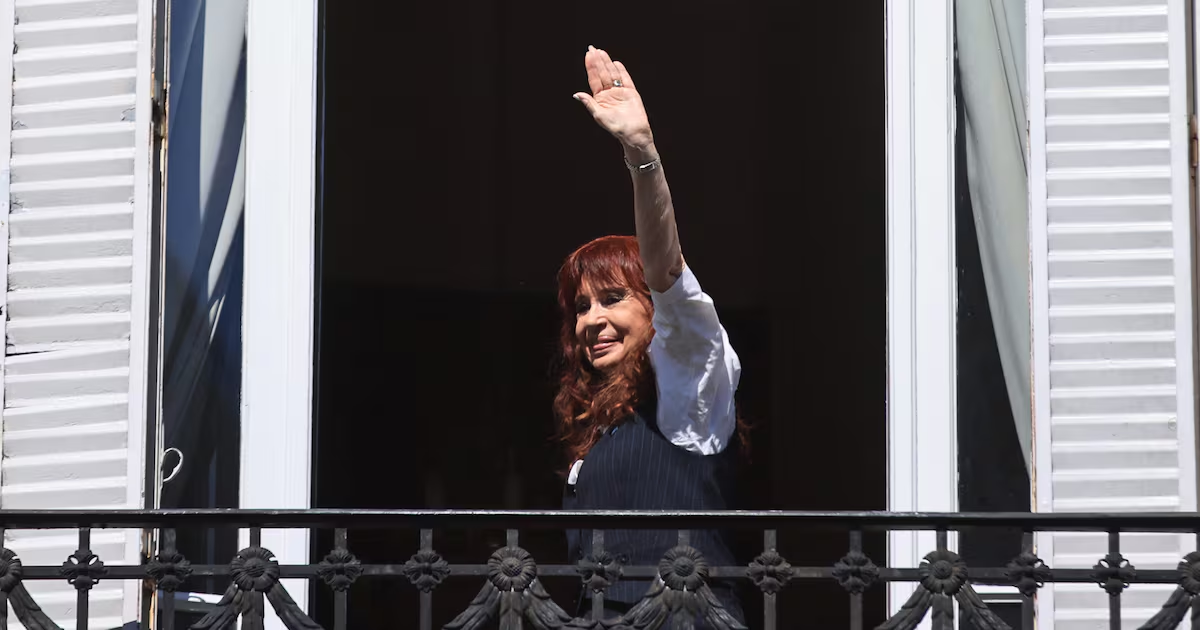
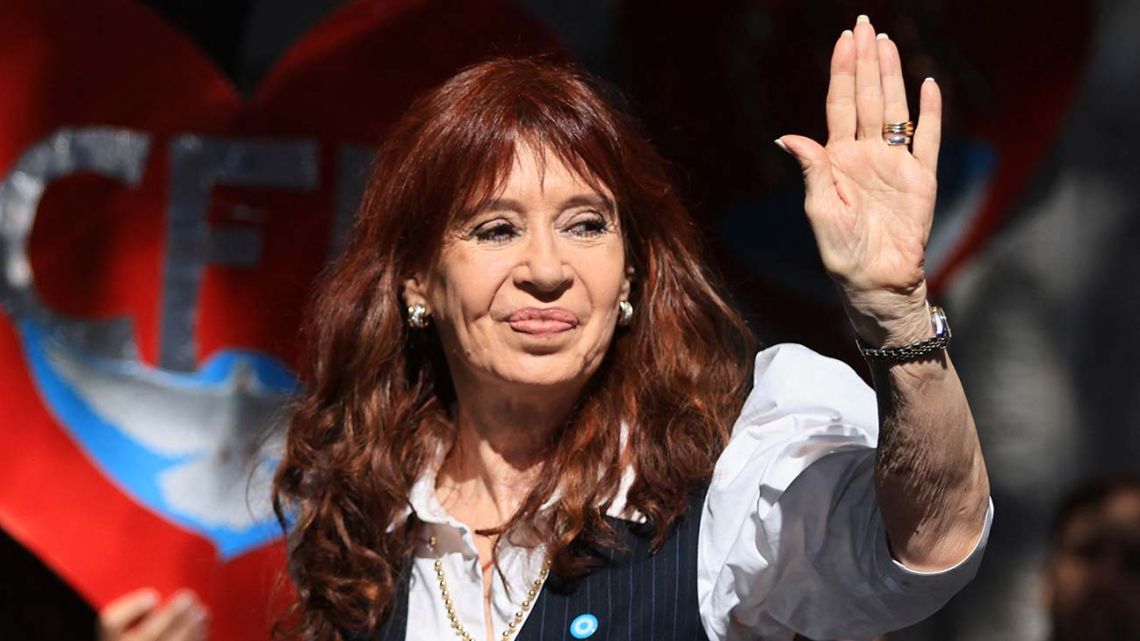
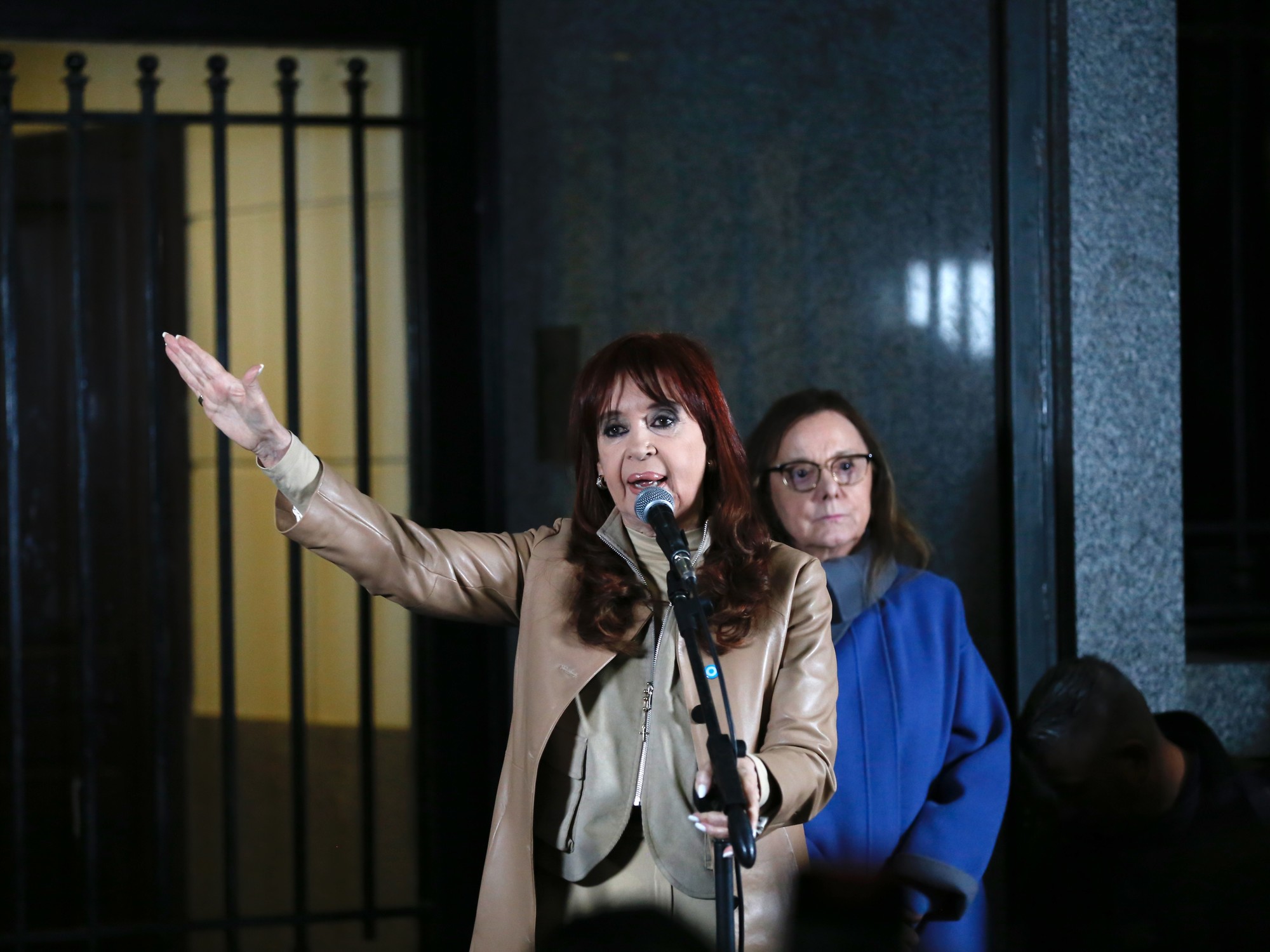
A year has passed since Argentina's Supreme Court made final the corruption conviction against former President Cristina Fernández de Kirchner —six years in prison and a lifetime political ban— and the possibility of pardoning her if Peronism returns to power is dividing the movement, as it searches for a candidate for the late-2027 presidential elections. Kirchner is under house arrest in a Buenos Aires apartment, in the Constitución neighborhood, where her supporters will again gather on Wednesday to demand her release.
The hard core of Kirchnerism demands that any presidential hopeful press for her release, while the rest of Peronism seeks to avoid a promise it considers counterproductive: a pardon for the leader who has most polarized Argentine society over the past two decades could mobilize anti-Kirchnerist voters. The “Free Cristina” slogan, turned into an opposition banner, thus discomfits part of the leadership.
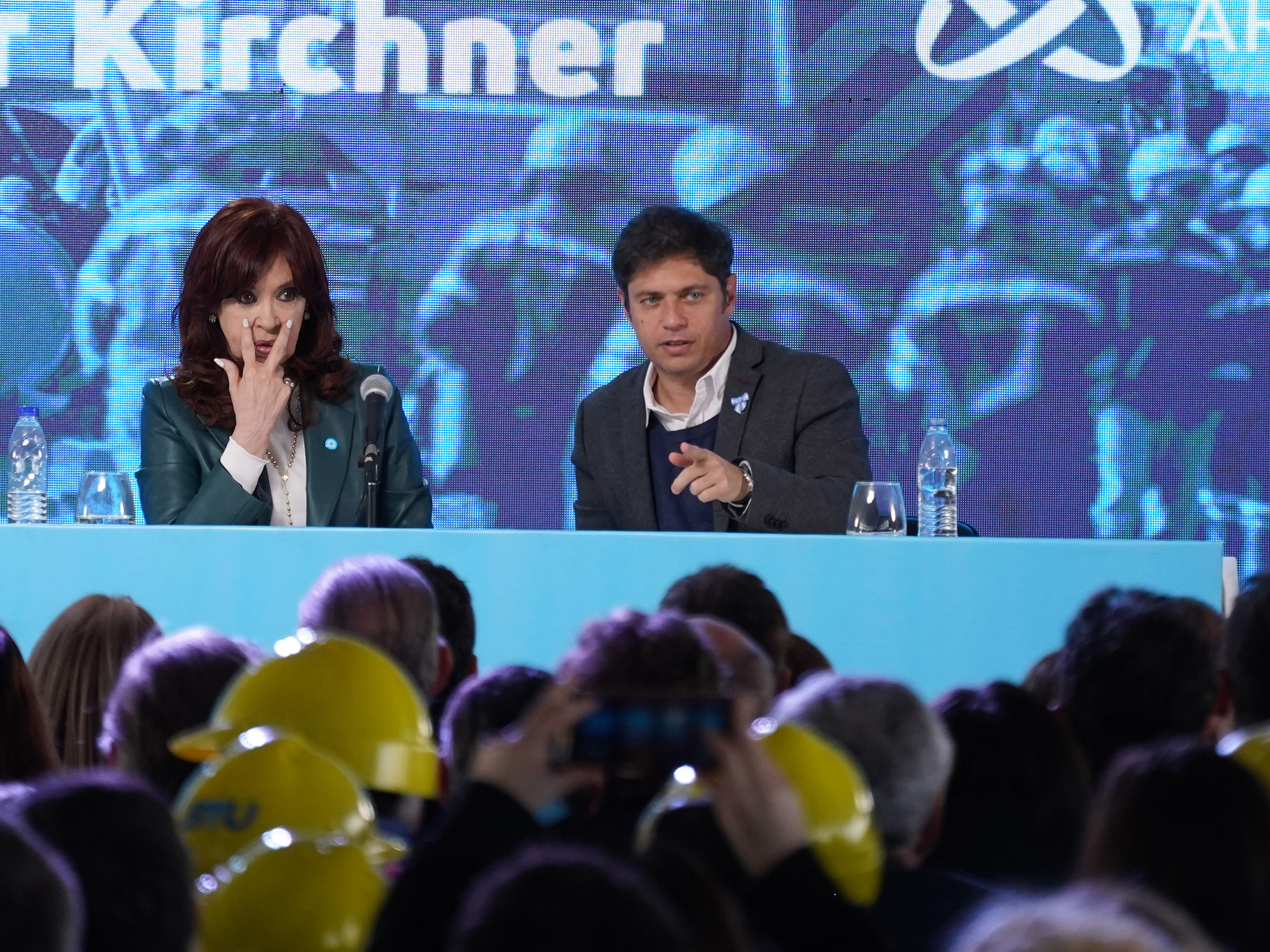
The former president's son, deputy and La Cámpora leader Máximo Kirchner, took aim at those within the movement itself who benefit from her disqualification. “In our space there are also beneficiaries. That is why they do not call for her freedom,” he wrote, in reference to the governor of Buenos Aires province, Axel Kicillof. The former economy minister, now one of Peronism's main figures and a 2027 hopeful, has called the conviction “unjust” and “an absurdity,” but avoids committing to a pardon: he maintains that any clemency would require “talking with her” and understanding that the conviction responds “to a much broader problem” tied to a sector of the Judiciary.