The caution comes months after the Nigerian Senate approved the deal in April 2026, paving the way for the President Bola Tinubu-led Nigerian government to join a growing number of African countries, including Senegal and Angola, that have recently turned to similar financing structures.
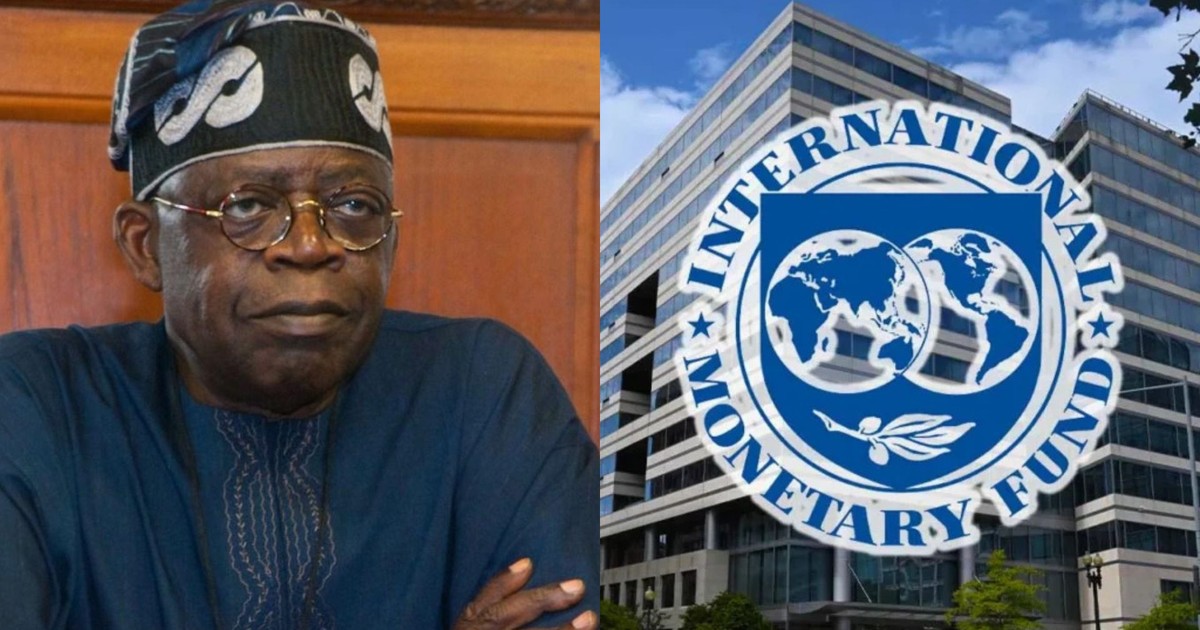
The International Monetary Fund (IMF) has expressed concern over Nigeria’s proposed plan to secure up to $5 billion loan through a derivatives-based financing arrangement with First Abu Dhabi Bank, warning that such transactions often come with significant transparency and risk challenges.
The caution comes months after the Nigerian Senate approved the deal in April 2026, paving the way for the President Bola Tinubu-led Nigerian government to join a growing number of African countries, including Senegal and Angola, that have recently turned to similar financing structures.
Speaking to journalists on Tuesday, the IMF Resident Representative in Nigeria, Christian Ebeke, said the Fund remains wary of these types of transactions because their terms are frequently difficult to scrutinise.
“Our view is that the transactions in these types of structures carry risks. Usually, they are opaque, so the terms are not always very transparent when we reviewed these instruments across countries,” Ebeke said, according to Reuters.