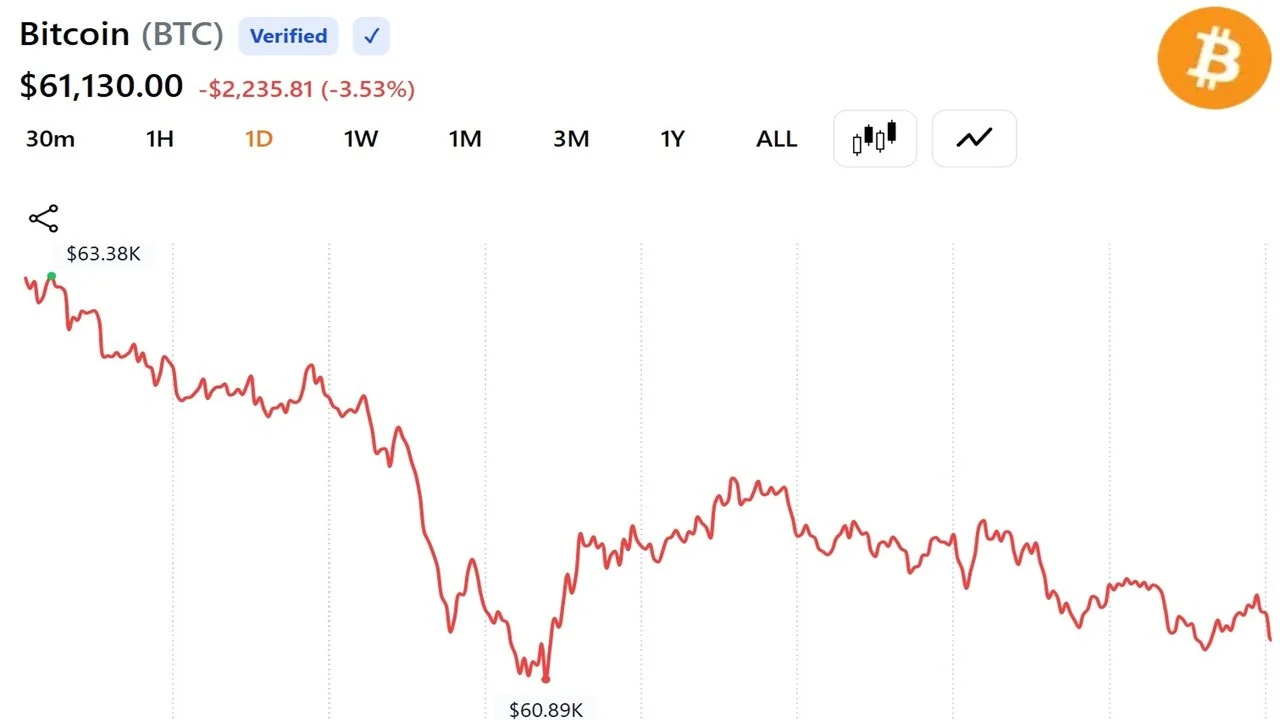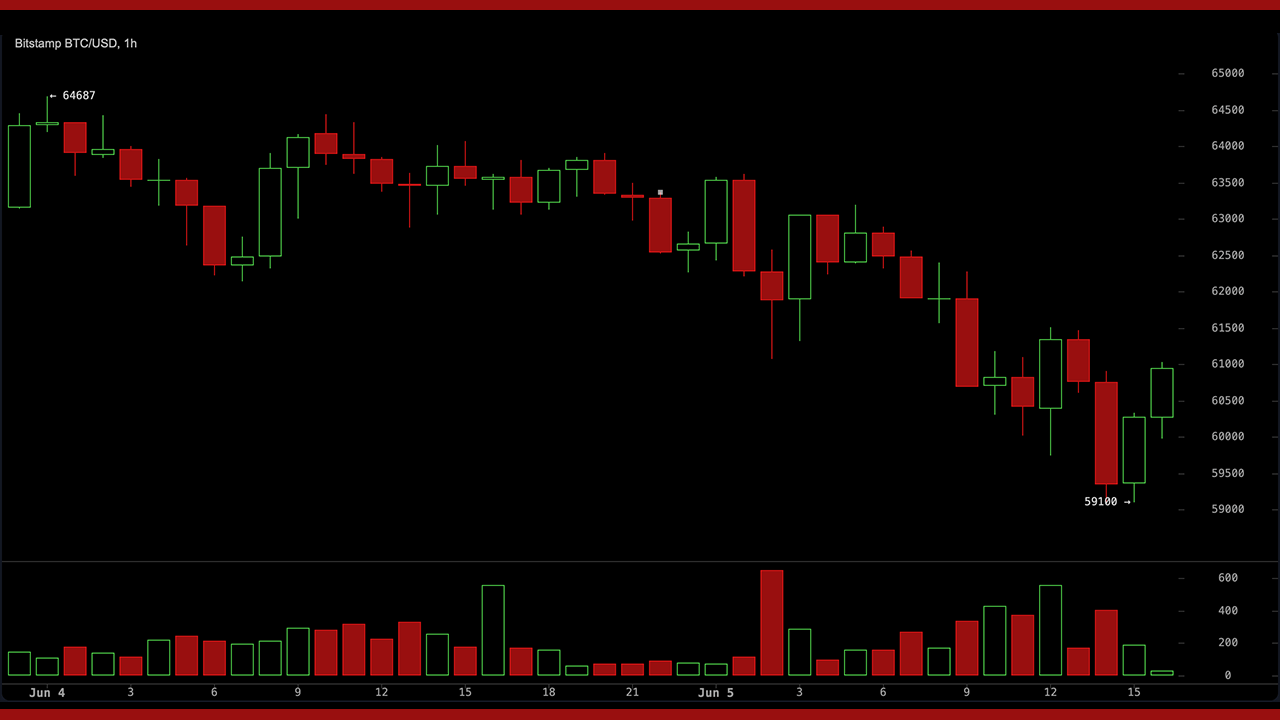
Bitcoin's fall below $60,000 last Friday marked its steepest weekly decline since the collapse of Sam Bankman-Fried's FTX exchange in 2022. While the factors driving the latest sell-off appear far less dramatic than the FTX crisis, analysts told Bloomber that they are exposing deeper structural weaknesses in the market. As a result, the cryptocurrency's recent rebound may struggle to gain momentum.Investors have been pulling money out of Bitcoin exchange-traded funds, technical indicators have deteriorated, and shifting interest-rate expectations have added to the pressure. Analysts caution that although the current crypto downturn appears milder than previous "crypto winters," that relative calm could signal that further pain lies ahead.Why did the crash happen?The selloff has been fueled by money leaving exchange-traded funds, the AI boom competing for retail attention and growing questions about whether the large corporate buyers that helped drive the previous rally can continue accumulating.CNN reported that enthusiasm around major technology companies and high-profile stock market listings has drawn speculative capital away from cryptocurrencies. According to market observers, many investors are increasingly chasing potential gains in AI-focused firms rather than holding Bitcoin.The shift is evident on Wall Street, where AI-related stocks have emerged among the market's top performers, continuing to attract investor interest despite periods of volatility.Part of last week's selloff was triggered by a small Bitcoin sale from Michael Saylor's company, Strategy Inc., which challenged the long-held belief among some investors that the firm would never reduce its holdings. Strategy sought to reassure the market on Monday, announcing the purchase of 1,550 Bitcoin worth about $101 million — far exceeding the roughly $2.5 million it had sold. Even so, the move did little to fully restore investor confidence, reported Bloomberg. Market sentiment has also been weighed down by weakening technical indicators. Last week, Bitcoin fell below its 200-week moving average, a closely watched level that many traders view as a key measure of long-term support. A sustained break below this threshold can increase bearish sentiment, as it suggests investors may use price rallies as opportunities to sell rather than buy.
Why Bitcoin has lost more than $1 trillion in value in just eight months
Bitcoin experienced its steepest weekly drop since the FTX collapse, driven by outflows from ETFs, AI stock competition, and shifting interest-rate expectations. Technical indicators have weakened, with Bitcoin falling below its 200-week moving average, signaling potential further declines as investors chase AI gains over crypto.
341 words~2 min read