This year’s World Cup, already full of controversy, is being held across an unprecedented three countries: the United States, Mexico and Canada. ITV’s coverage will be based in Brooklyn with a view of the Statue of Liberty and the New York skyline, while the BBC’s fallen king Gary Lineker will be perched above Times Square making podcasts for his wealthy new paymasters at Netflix.
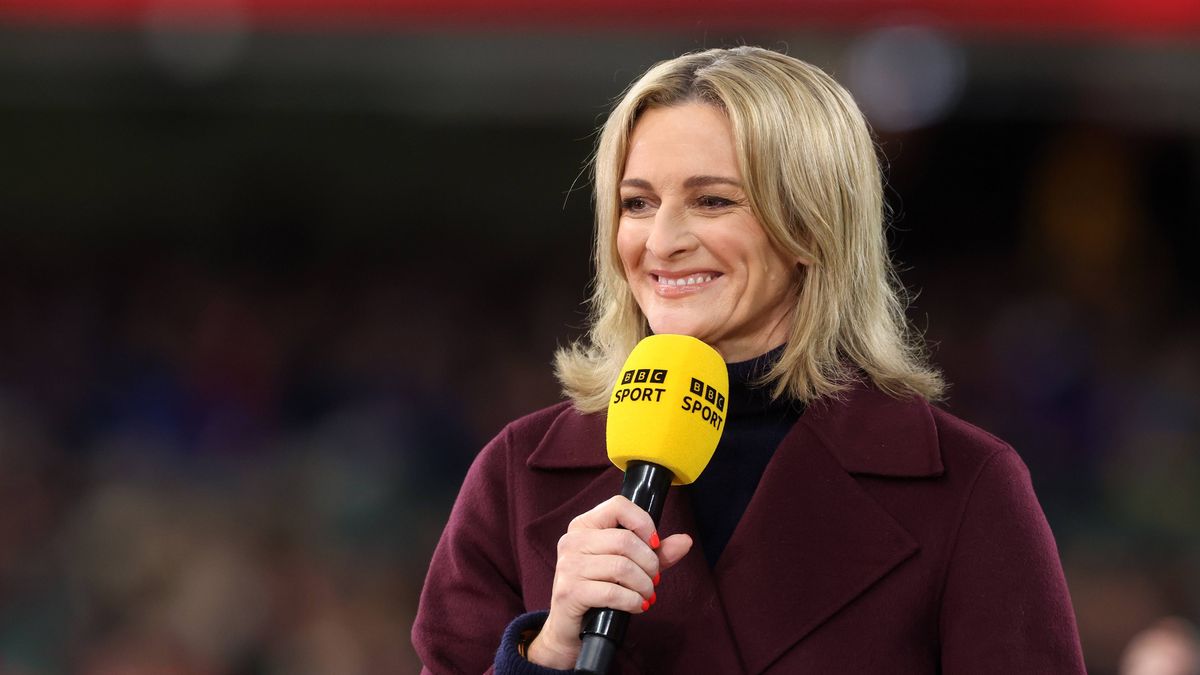
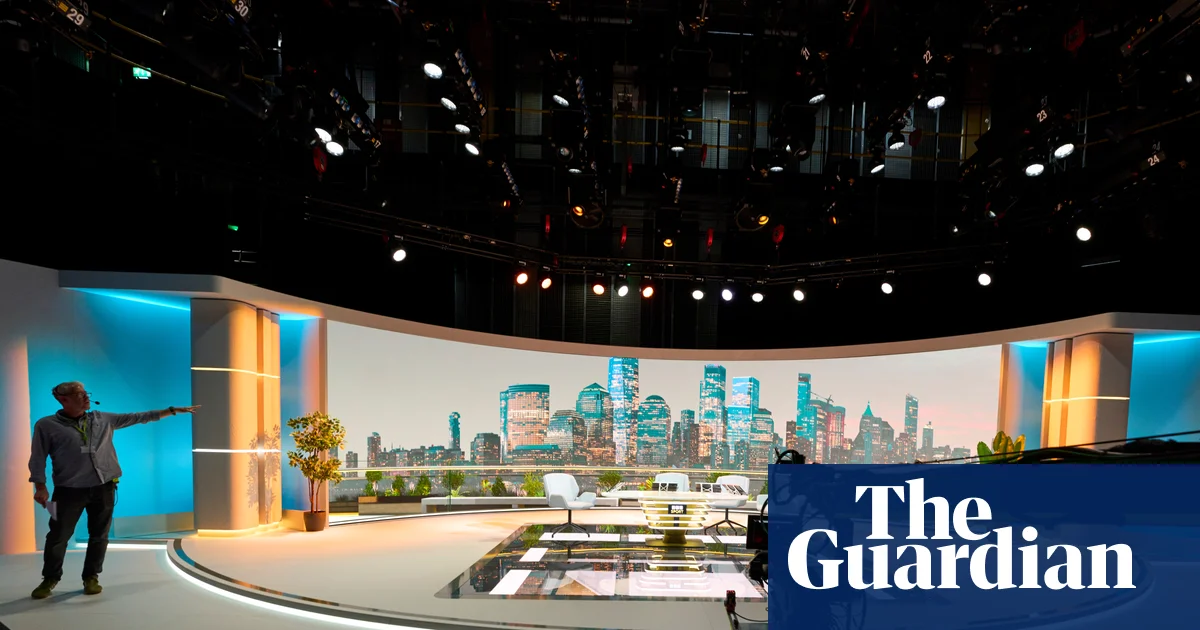
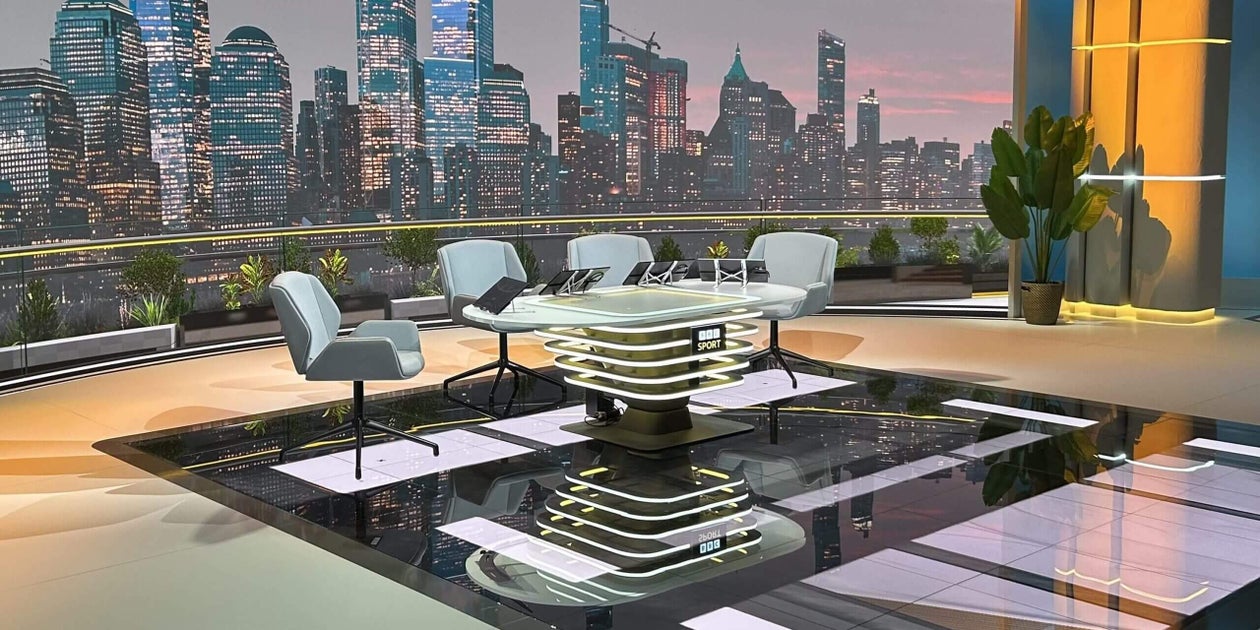
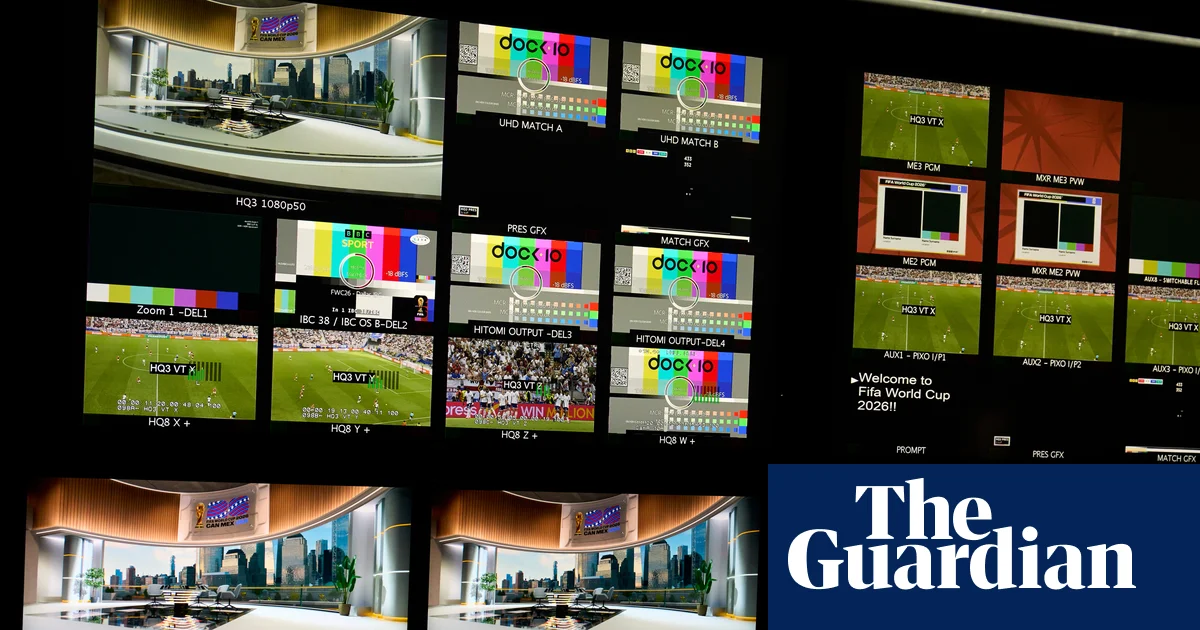
It is only the BBC itself which is stuck in the UK, with presenters and pundits based in Salford and a giant panoramic screen to make up for the lack of a real view. Match of the Day’s Kelly Cates told the Guardian she was ‘a little bit disappointed’ to be in Greater Manchester rather than Manhattan but consoled herself by thinking they’re ‘going to be in that slightly unreal, middle-of-the-night, mad World Cup kick-off time zone’ with all the rest of us. She is clearly enthused about the group game between Austria and Jordan which starts at 0500 BST.
Being in Salford makes the BBC an easy target for its rivals with airline tickets, and there is still a whiff of metropolitan condescension about anything coming from the north of England. But it is a decision driven more than anything else by the corporation’s finances. The days when I was director of sport – in which we could afford to send 437 people to the 2008 Beijing Olympics – have gone, and a World Cup spread across thousands of miles would have been an even greater logistical challenge. At least this way there is no tabloid frothing about transport and hotel bills, and it underlines the reality that licence fee income is dwindling.