Wednesday 10 June 2026 5:47 am
| Updated:
Tuesday 09 June 2026 2:22 pm
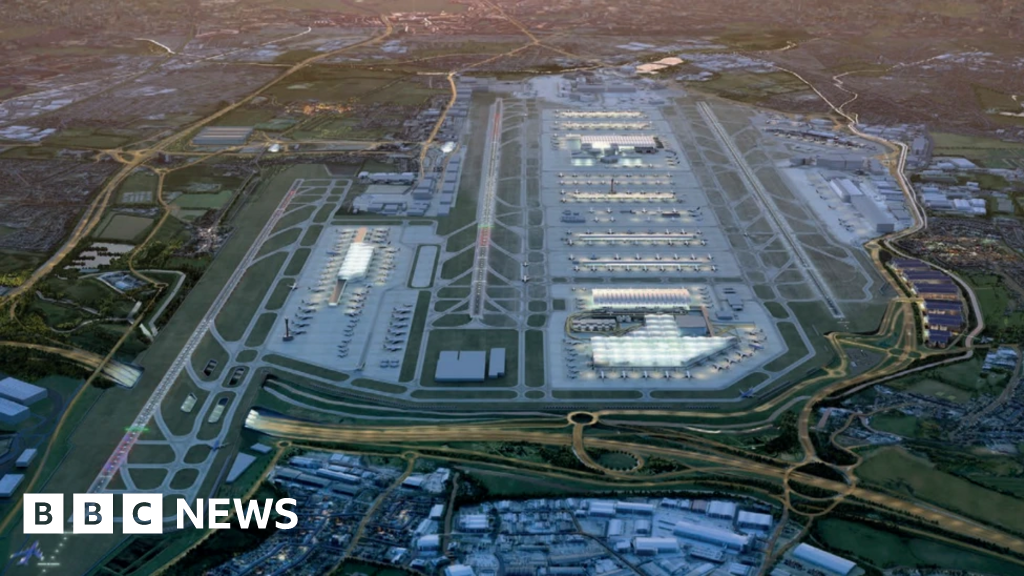
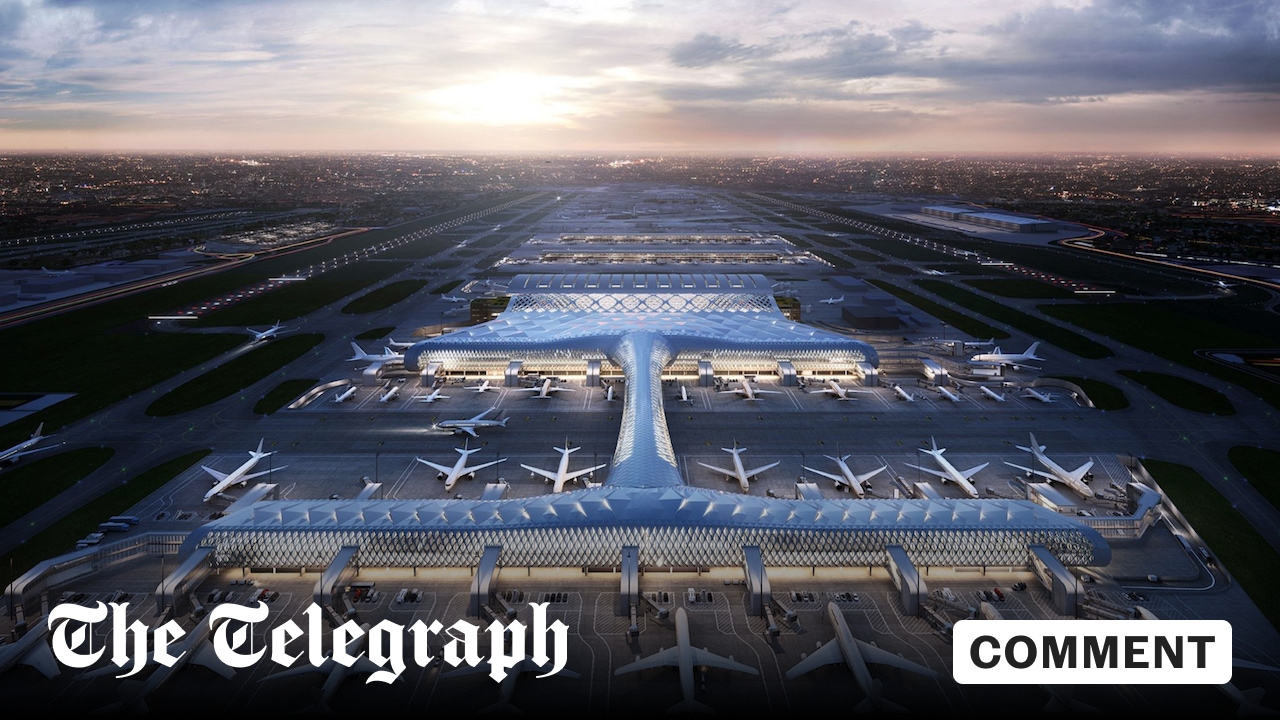
The report highlights how London’s global success has been underpinned by its connectivity. Yet those connections are straining through a combination of a Byzantine planning system, regulatory hurdles and rising, policy-driven, operating costs. If London can’t get airport investment off the ground, it’ll be left on the tarmac while other country’s growth flies, says John DickieThe eyes of the world over the coming weeks will be on the man leading the country and whether he will be able to defy the odds by defeating his rivals. But enough about Thomas Tuchel and the England men’s football team. What about the Prime Minister and the government? Following bruising local election results, the Labour Party is unsurprisingly assessing its best way forward. Whatever the outcome of any potential leadership challenge, it is vital that the government recommits to its growth mission and swiftly delivers so that people start to feel better off. That means fixing our economic fundamentals and where better to start than accelerating the delivery of shovel-ready, privately-financed transport projects that will provide a significant boost to growth. A new report from BusinessLDN and global consultancy Arcadis underlines the scale of the opportunity: £53.5bn of private investment across five major infrastructure schemes is ready to go. The biggest of these – with £49bn of private investment behind it – is Heathrow’s third runway which will deliver huge economic benefits for London and the UK. The package also includes bringing Gatwick’s existing Northern Runway – currently limited to acting as a taxiway – into routine use, boosting passenger capacity at London Stansted airport, expansion at DP World’s London Gateway deep-water port, and upgrades to St Pancras International and the Temple Mills rail depot.London’s success depends on connectivityThe report highlights how London’s global success has been underpinned by its connectivity. Yet those connections are straining through a combination of a Byzantine planning system, regulatory hurdles and rising, policy-driven, operating costs. It makes clear that inconsistent decisions and misaligned mandates from regulators are creating a stop-start environment for investors. This matters as London is falling behind other global cities, who are powering ahead with investment to boost their international links. Take, for example, Istanbul’s huge hub airport that can handle up to 90m passengers, a total set to rise to 200m once further expansion plans are complete.Improving London’s global transport connections is integral to the success of the eight high growth sectors identified by the government’s industrial strategy and its aspirations to strike new trade deals. That’s why we’re urging the government to double down on tackling the regulatory, fiscal and planning barriers holding this investment back. First, we need to turn aspiration to action more quickly. The government has made a positive start on planning reform, with the Planning and Infrastructure Act beginning to streamline approvals for nationally significant projects. But it now needs to go further and faster. That means examination timelines should be shortened, the number of duplicative consultations reduced and Airports National Policy Statements kept up to date. As a nation, we have been discussing and debating a third runway at Heathrow for decades. Years of further consultation before a spade even hits the ground is unlikely to unearth new insights but is adding significant additional costs.Second, wider regulatory reform is crucial. A whole range of bodies wield huge influence over whether capital investment gets off the ground and their decision making needs to align swiftly and effectively with government policy and growth. That means striking the right balance between robust oversight and a predictable environment to give investors the confidence to commit billions. To give just one example, the UK’s airspace – the flight paths aircraft follow – is outdated and congested across London and the South-East. The government has taken some steps to modernise the system to enable airport expansion but there must now be no regulatory delay. Ministers must work with the Civil Aviation Authority and National Air Traffic Services to reform both airspace approvals and the process for consenting development for Heathrow’s third runway in parallel to secure the benefits it can bring to the UK as quickly as possible.Finally, ministers must keep a sharp focus on how policy is affecting the costs of doing business in the UK and, in particular, how tax affects international competitiveness. Our global ports already contribute hundreds of millions in business rates each year. Yet proposed changes to the way rates are charged risk saddling them with dramatically higher bills, shaking investor confidence in Britain as a stable and predictable place to invest. This is a good example of one part of government moving to deter investment while others are rushing to welcome it. We need to fix the machinery of delivery. This is true for all sectors of the economy but with responsibility for major transport infrastructure projects often straddling several government departments, more cross-departmental troubleshooting is essential to avoid mixed signals and multi-year delays.Businesses want to invest in London and Britain’s growth. If London is to remain an international powerhouse, we need to welcome them and our international links must be treated as an urgent economic priority. Investors across the world will be watching closely to see if we can get Heathrow’s third runway – the best-known infrastructure project in the UK – and these other projects across the line.The choice is clear: get things done quickly, drive growth and improve living standards; or watch our rivals steal a march. John Dickie is Chief Executive of BusinessLDN