*We have all sat in that exact boardroom
*
The lights are dimmed, a glossy new AI dashboard is projected on the screen, and the vendor shows off a flawless presentation. The executives nod approvingly, calculating the promised ROI. Meanwhile, the actual operations team in the back row silently sighs. They already know that the very second the meeting ends, they will go right back to managing the business using their secret, custom Excel spreadsheets.
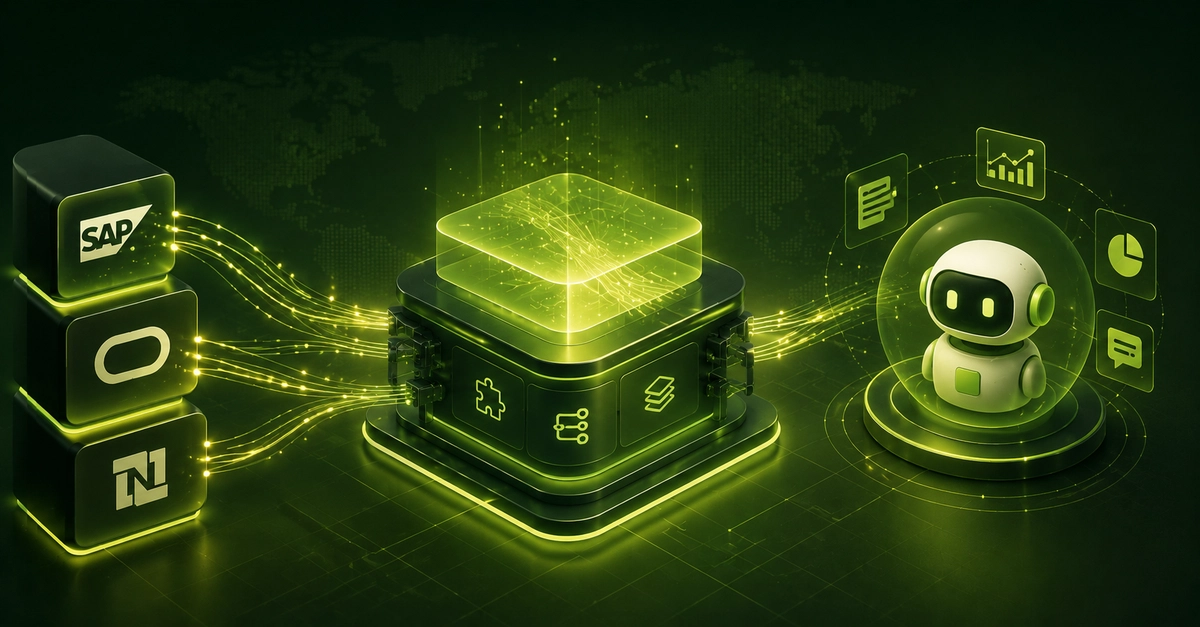
Let’s be entirely honest about the state of digital transformation right now: Most enterprise AI “deployments” are just incredibly expensive makeup splashed onto aging, rigid infrastructure. Enterprise AI implementation failure isn’t a rare edge case — it’s the quiet default outcome for most large-scale rollouts.
According to fresh industry data, 56% of Chief Supply Chain Officers admit that trying to force modern AI into legacy enterprise architectures is their single greatest roadblock. It isn’t a lack of corporate budget or technical talent. It is a fundamental, laws-of-physics conflict in how software handles reality — and it is the core reason why AI fails in supply chain environments at such a persistent rate.