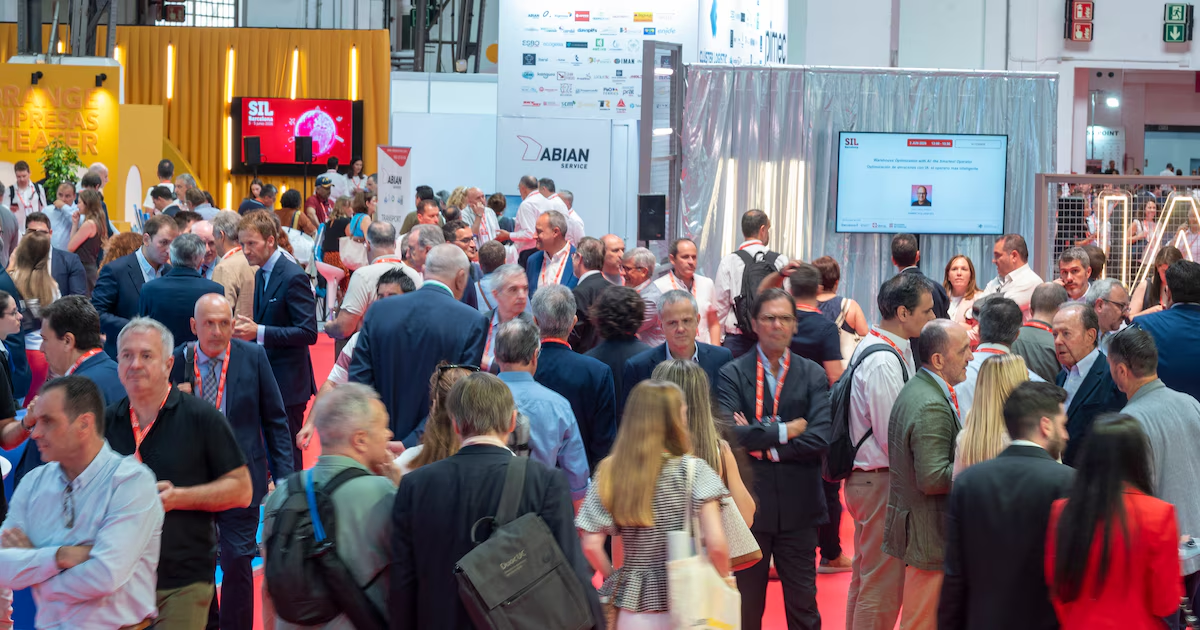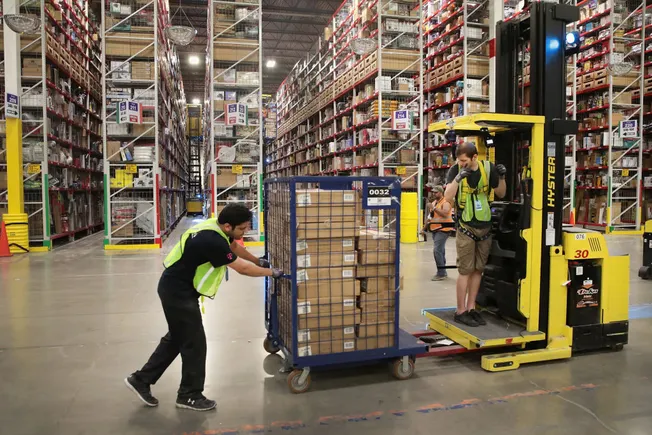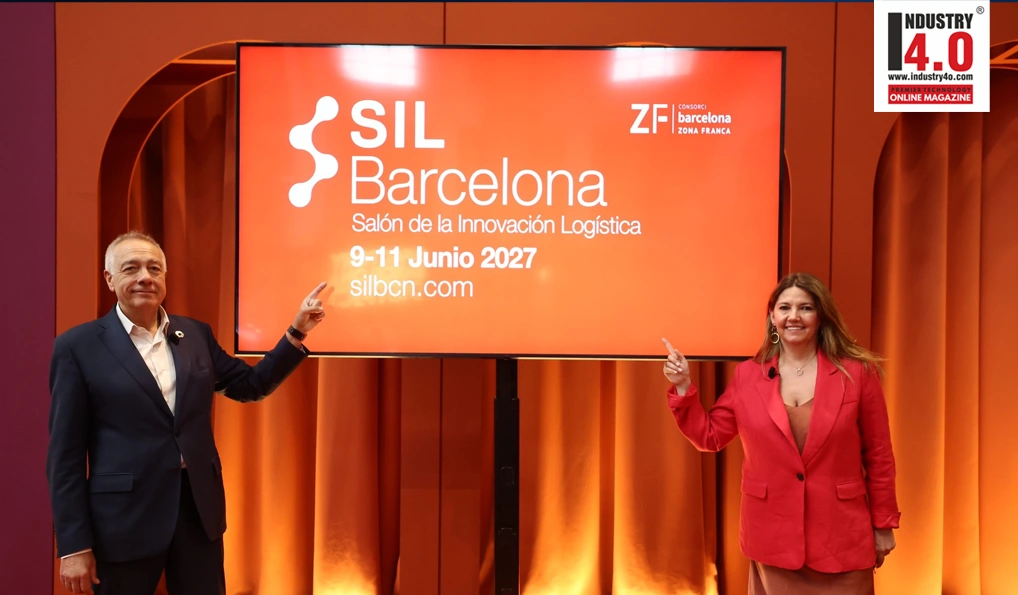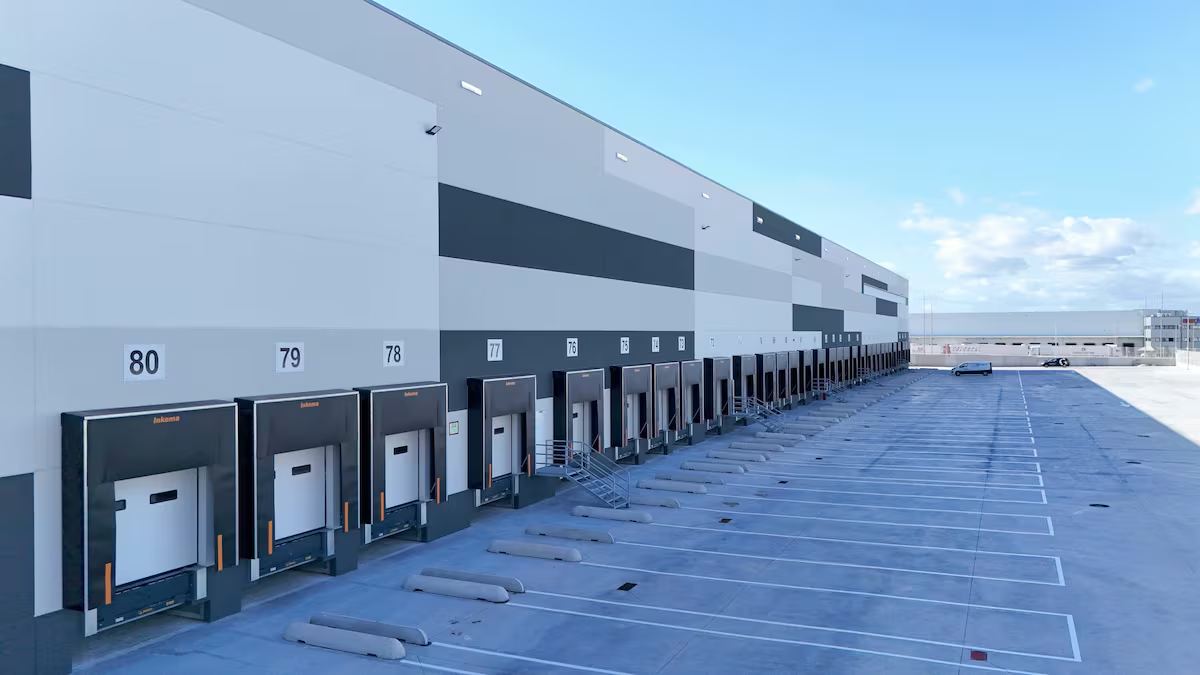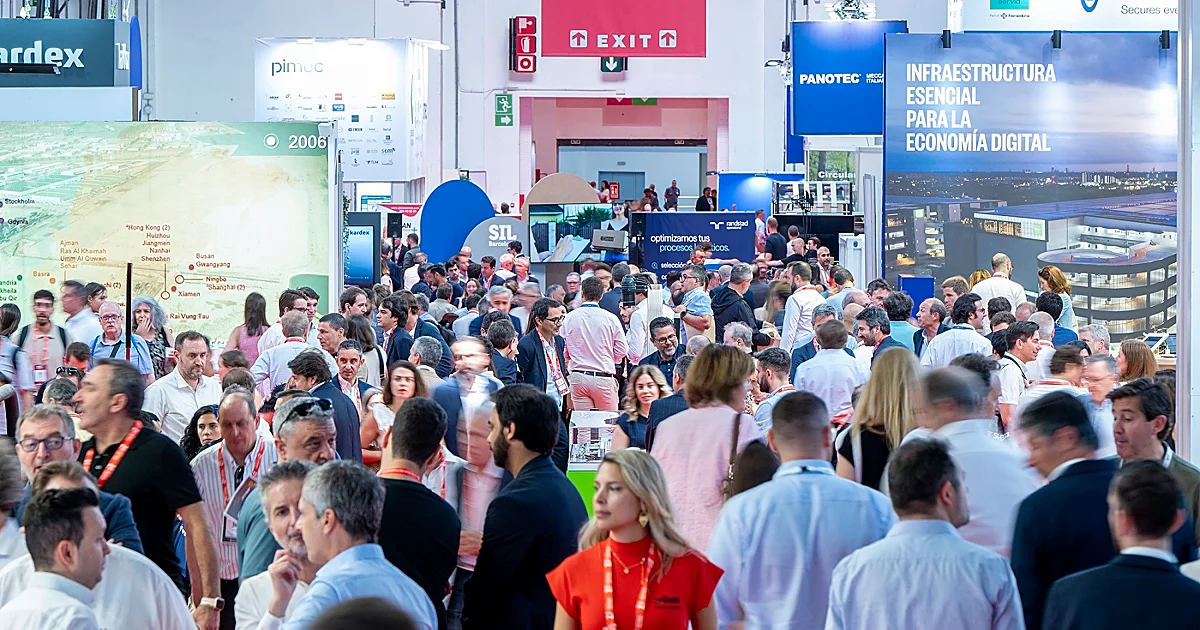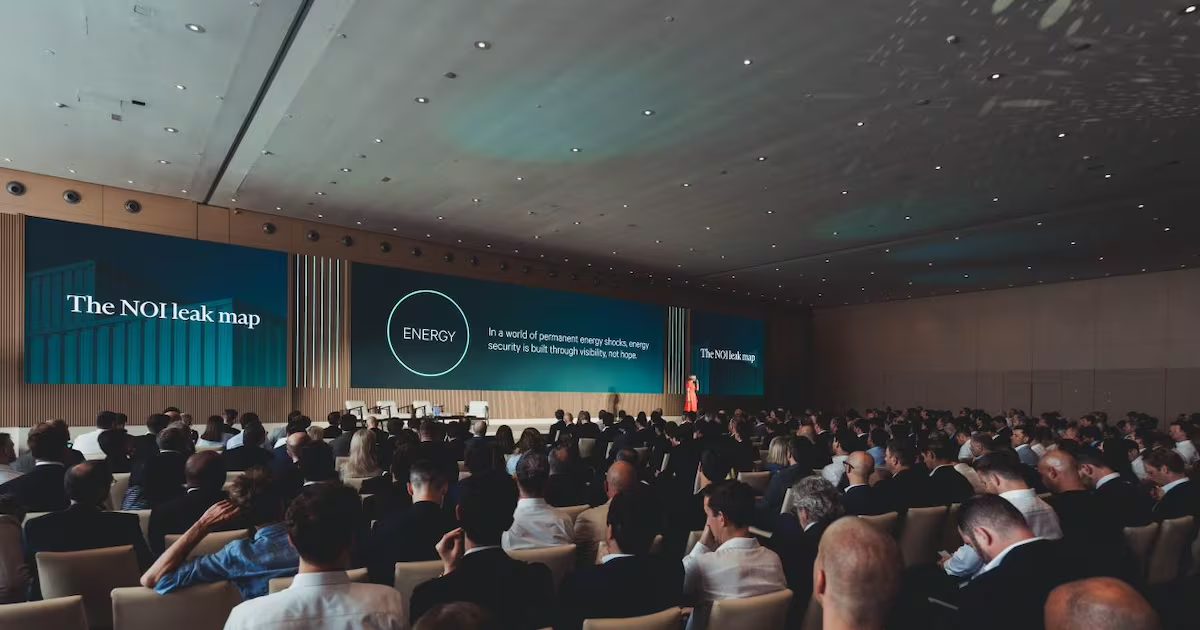
The prevailing mood among Europe’s largest investors, occupiers and developers in the industrial and logistics market is pragmatic – with the focus on the bigger picture, on structural fundamentals and on where the sector is genuinely headed, rather than the short-term backdrop. These were the views expressed at the recent Power of Three conference in Barcelona, CBRE’s annual gathering.One enduring theme was the status of logistics property itself. It is no longer simply an industrial asset class; it has become something closer to critical national infrastructure. In a world where ecommerce underpins the delivery of essential goods, the warehouse is as foundational to modern life as the road network or the electricity grid. The demand for it reflects the health of consumption, trade and economic activity in ways that few other property types can match. For a nation such as ours, where public infrastructure delivery has faced challenges and is now very much at the forefront of national debate, Ireland has quietly benefited from private sector developers and investors who have taken risks and actively focused on delivery of the modern industrial stock that the country requires, particularly over the last seven or eight years. In fact, there is arguably a case for public investment in providing more of these facilities in regional locations like Limerick, Galway and to a lesser extent Cork, where modern industrial stock is very much undersupplied.Cutting through the noiseThere is a tendency in real estate commentary to get lost in the granularity of data. Vacancy rates by submarket, rents by class of stock, take-up versus five-year averages. All of it matters, but sometimes it obscures a more fundamental truth. The industrial and logistics market across Europe, viewed simply, is a supply and demand story. And the supply side of that equation remains structurally deficient. There is not enough modern, well-located logistics stock across Europe to meet projected demand over the next five years. In certain locations on the Continent, ecommerce is still assimilating into modern life. New structural demand drivers are emerging across the sector. Increased spending on security and defence, the growing appetite for automation-enabled facilities, and the surge in data centre development, which directly competes for the same industrial land, represent three emerging forces set to underpin occupier demand for years to come.Energy demandsThe availability of energy and power to service the next generation of logistics facilities remains in focus. Modern warehouses are increasingly power-intensive. Automation, electric vehicle charging infrastructure and data-driven operations are transforming the energy profile of the sector, and grid capacity is emerging as a genuine constraint on development in many European markets.France is increasingly cited as being ahead of the curve, its long-standing commitment to nuclear energy now providing a meaningful competitive advantage as European economies wrestle with the transition. Power availability is a primary concern. Photograph: PA It’s notable that Ireland’s grid constraints are not unique in this context – this is a pan-European challenge. Five years ago, power availability rarely featured in site selection conversations. Today it is a primary concern. That shift has implications: planning policy and energy policy, which have traditionally operated in separate silos, will need to become increasingly interconnected if we are to accommodate the logistics needs of the next decade.EcommerceEcommerce penetration, the share of retail sales transacted online, had appeared to stabilise after the extraordinary acceleration of the pandemic years. The consensus in Barcelona, however, was that we are now entering a second chapter of ecommerce: this stabilisation is giving way to a renewed upward trend, and the next leg of growth will be geographically uneven. Southern Spain, and parts of Germany, are markets where ecommerce has actually not yet fully assimilated into consumer behaviour. In these markets, logistics demand driven by online retail has further to run.Robotic systems require exceptionally flat warehouse floors. Photograph: iStock AutomationCBRE’s own occupier data highlighted an interesting gap between intention and execution on warehouse automation. More than 70 per cent of occupiers would like any new warehouse they take to offer a certain level of semi-automation, but just over 20 per cent currently operate with it. That gap represents both a challenge and an opportunity: the technology is maturing, the business case is compelling, and the labour market pressures that once sat in the background have become more acute. There is also a less obvious infrastructure implication: robotic systems require exceptionally flat warehouse floors. New development, built to the right technical standard from the outset, will increasingly command a premium on that basis alone. Expect that 20 per cent to move meaningfully over the next cycle.Changing canvasWhat is notable among European economists and investors is that American investors are actually more positive on the outlook than their European counterparts. Europe’s more cautious disposition is in some ways simply how this market thinks, but it also reflects genuine uncertainty about the Continent’s fiscal trajectory and geopolitical exposure. [ We should be getting better at AI by nowOpens in new window ]The keynote speaker at the conference focused on defence and geopolitics. The central assertion was striking: the last four years have been the most violent since the end of the Cold War. The wars in Ukraine and the Middle East, together with rising tensions in the Indo-Pacific, have fundamentally altered security in Europe. European defence spending is expected to increase to around 3.5 per cent of GDP, a shift that looks set to endure regardless of changes in political leadership. This increased spending will likely generate greater demand for warehousing, storage and logistics facilities across the Continent. While Ireland sits largely outside that dynamic, it remains a trend worth monitoring, given its influence on the broader European market in the years ahead.Colin Richardson is head of research at CBRE Ireland.
Energy, automation and ecommerce in focus at European logistics event
Logistics property as critical national infrastructure and demand for semi-automation in warehouse development were big themes at Barcelona’s Power of Three conference
953 words~4 min read