Wednesday 10 June 2026 4:50 am
| Updated:
Tuesday 09 June 2026 6:14 pm
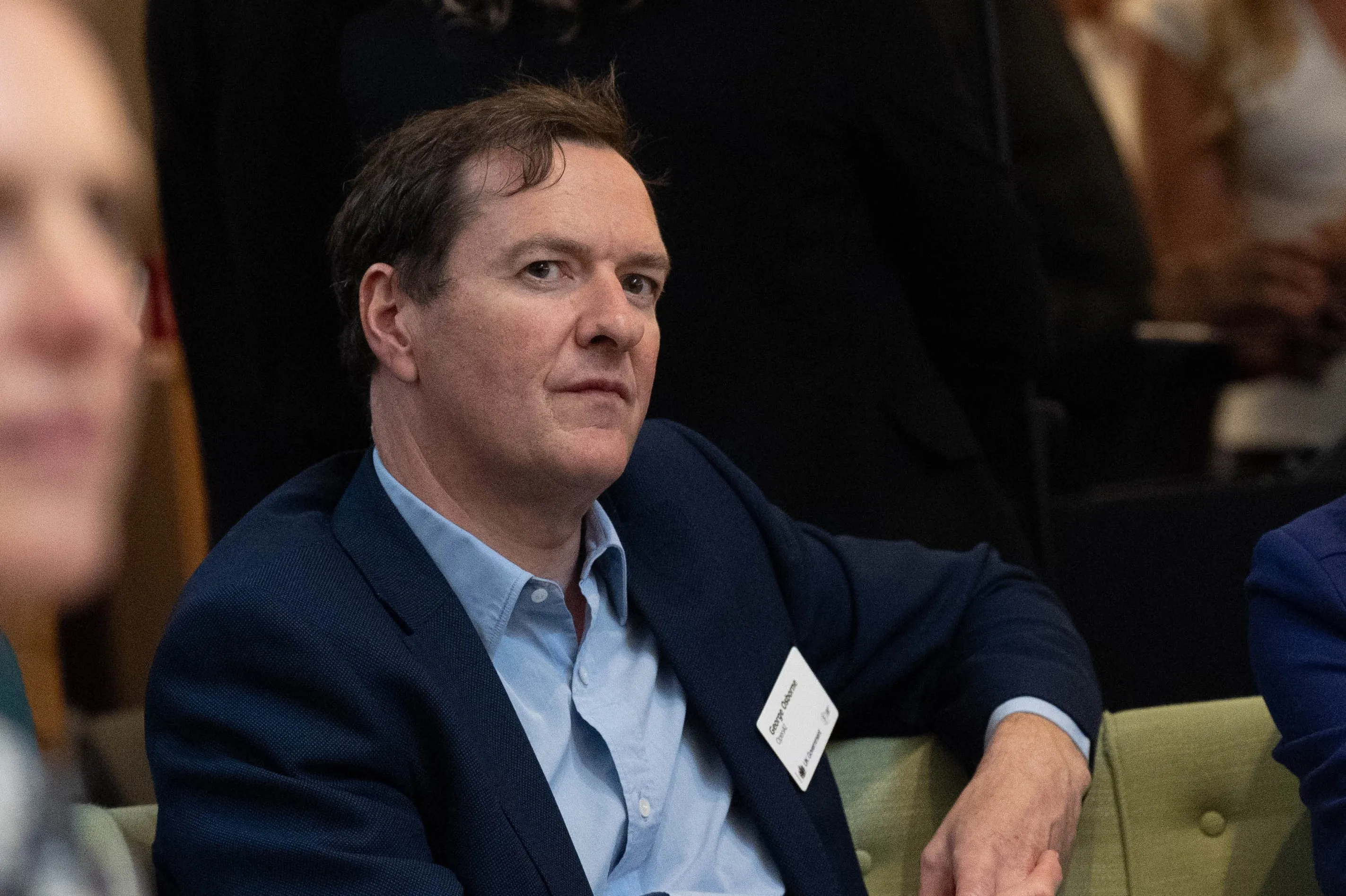
George Osborne has given his support to Burnham's 'Manchesterism' policies. (PA)
Former Chancellor George Osborne has said that mayor Andy Burnham should take some credit for Manchester’s high growth, defending Manchesterism as a “real thing”. Speaking to the House of Lords Economic Affairs Committee, he defended his move to begin devolving fiscal powers to Manchester during the Coalition government years under his “Northern Powerhouse” initiative. He praised Manchester City council leaders Richard Leese and Howard Bernstein for backing a “bipartisan” approach to devolution. The two former city council leaders have been widely hailed for expanding the area’s transport network and building more homes while backing plans to create the role of a mayor with greater political powers. Osborne then said that Burnham, the first elected mayor of Greater Manchester in 2017, was “only part of the story” for high growth in the region, which has outpaced the likes of London, the West Midlands and the UK average over the last seven years. He added that “Manchesterism”, an economic vision exalted by Burnham as “business-friendly socialism” based on devolving powers from London, had contributed to higher growth in the north of England. The former Tory frontbencher said: “Manchesterism is a real thing. It is transferable to other cities, but you have to learn the lessons of it. “It’s pragmatic, it’s about growth first, and then how you spend the money, not the other way around. It’s about attracting inward investment from overseas as well as from other parts of the UK. It’s bipartisan, and it’s very focused on delivery. “The current mayor is part of the story, but I think, as he would accept, only part of the story.”Osborne suggests Manchesterism could be spreadOsborne appeared before the committee to share views on fiscal devolution after Chancellor Rachel Reeves revealed the government was planning to give local authorities further powers over taxes and spending. The Chancellor is expected to set out full fiscal devolution plans at this year’s Budget.Osborne added that thinking over Whitehall’s capabilities had changed over time as he suggested there was “actually less confidence” in officials working out of London for driving regional growth. Osborne said the government should be “bolder with acts of fiscal devolution” and allow local governments to gain extra tax receipts. Burnham has centred his Makerfield by-election campaign on pushing for greater devolution, citing his mayoralty in Manchester as an example of success. Analysis by Oxford Economics showed that Manchester had been the “star performer” of the UK economy since the 2008 financial crash, with the construction of skyscrapers and regional factors boosting business services factors helping to create a “a stable investment framework for the private sector”. The consultancy’s report also suggested that Manchester’s high growth had “failed to translate into meaningful improvements in living standards” due to the cost of housing and weak income growth. According to Oxford Economics, Manchester’s growth can be attributed in part to a “favourable policy environment” and to “long-term industrial shifts” as the city moved towards becoming a services sector-focused economy over manufacturing”. “If Manchesterism is anything, it is this combination of stable policymaking with mass development of the urban core,” economists said. The Labour candidate has said he intends to launch a party leadership bid if he wins the by-election and becomes an MP. He would have to resign as Manchester mayor in this scenario. Osborne also sent Burnham a warning against overruling the Treasury on policy if he becomes Prime Minister as officials were “actually making it happen” and monitoring cases where local governments may need hefty bailouts.