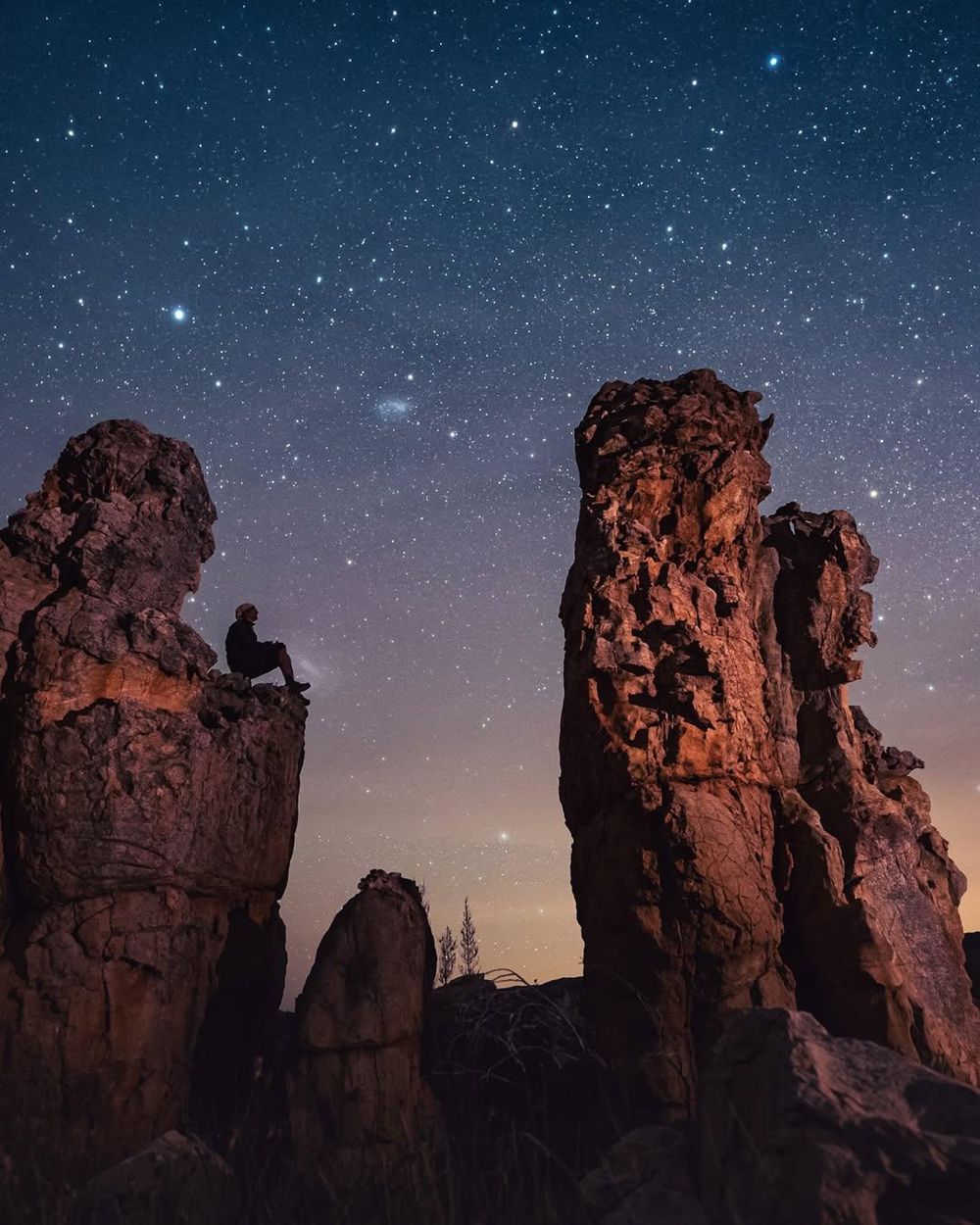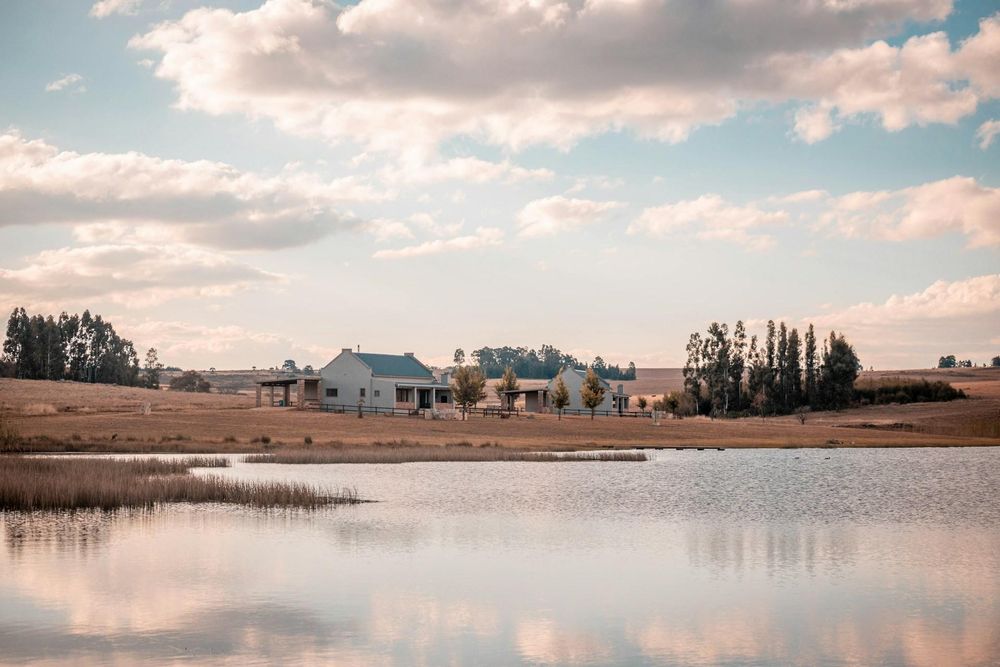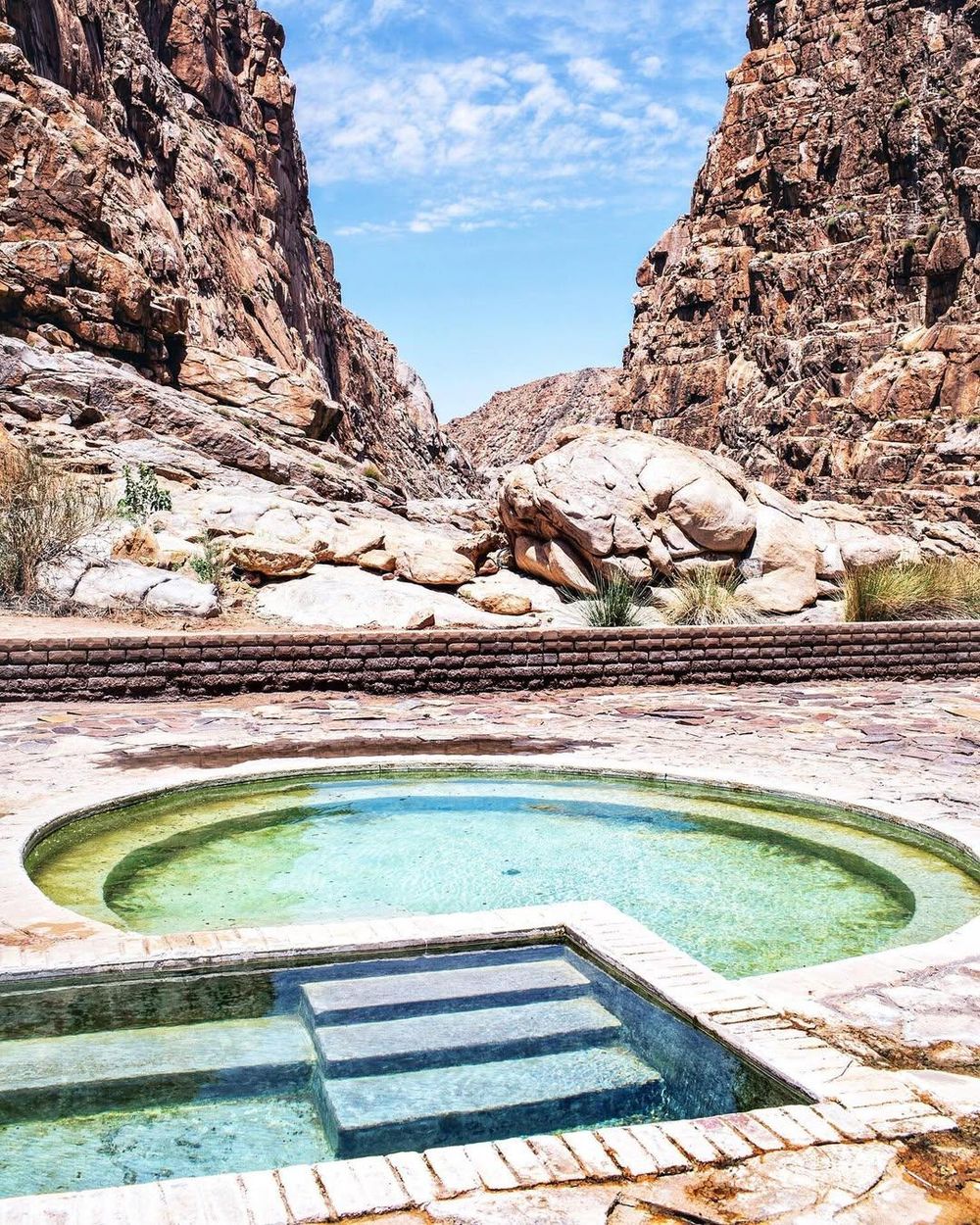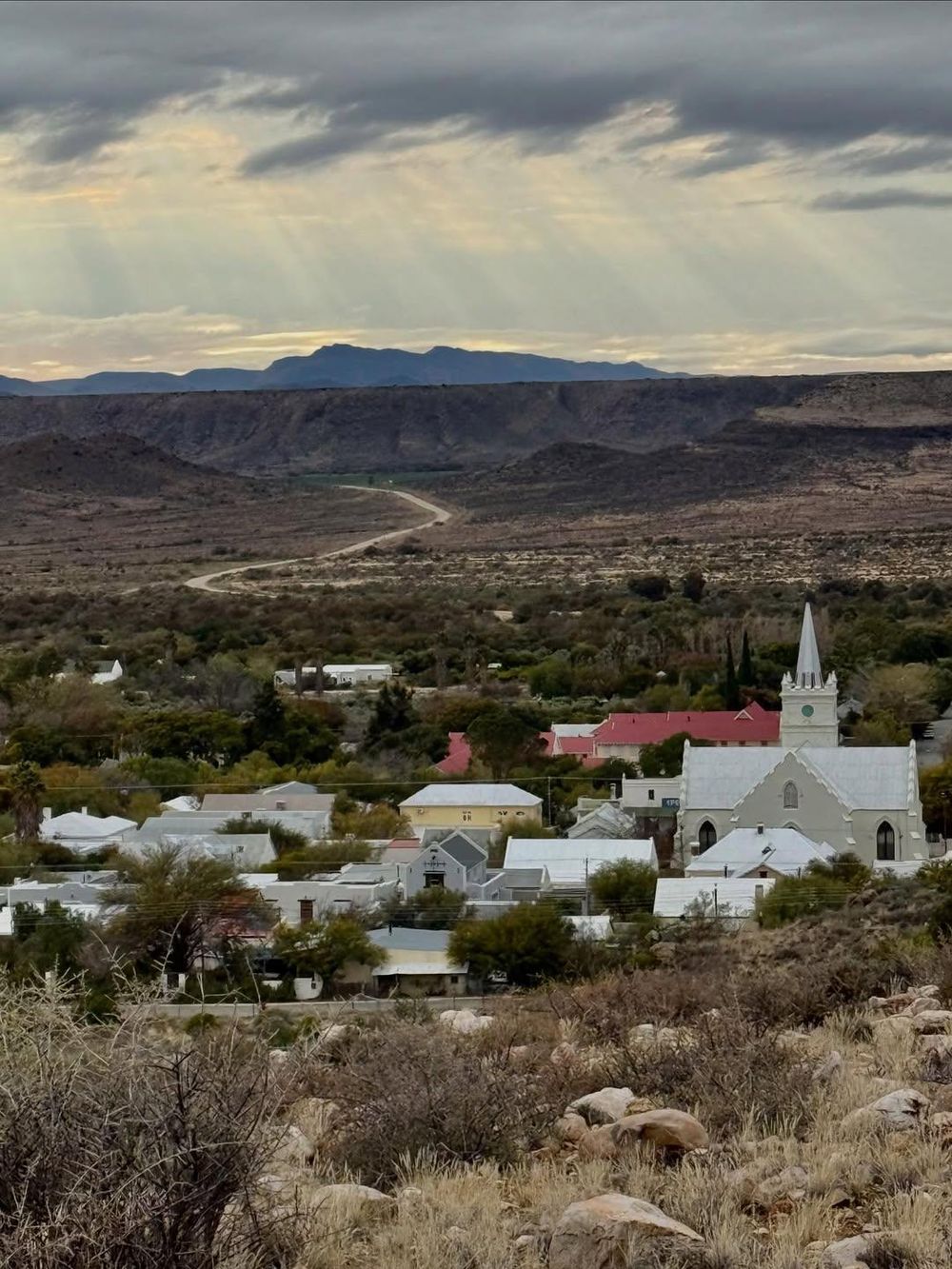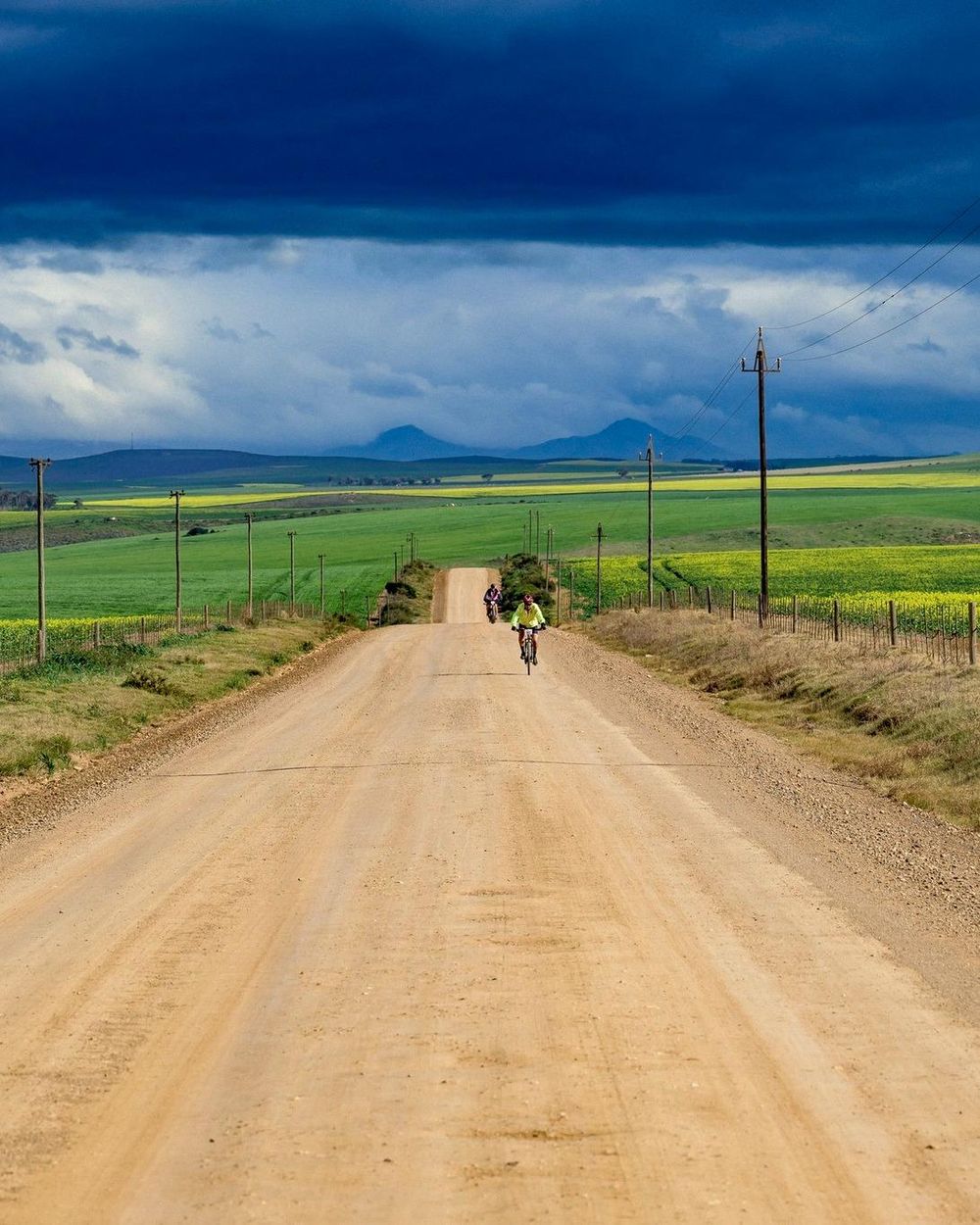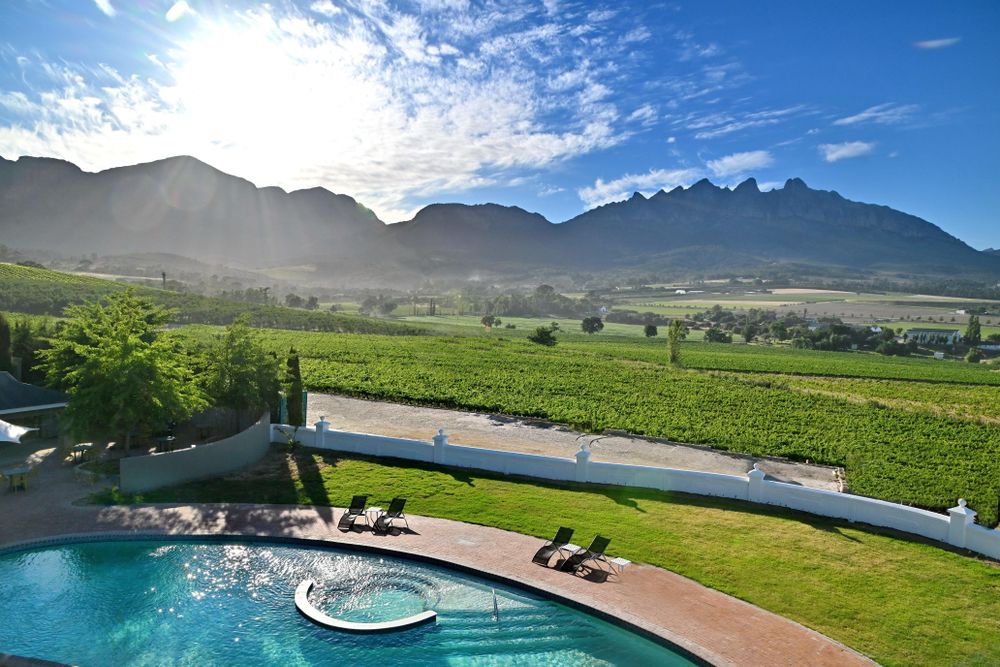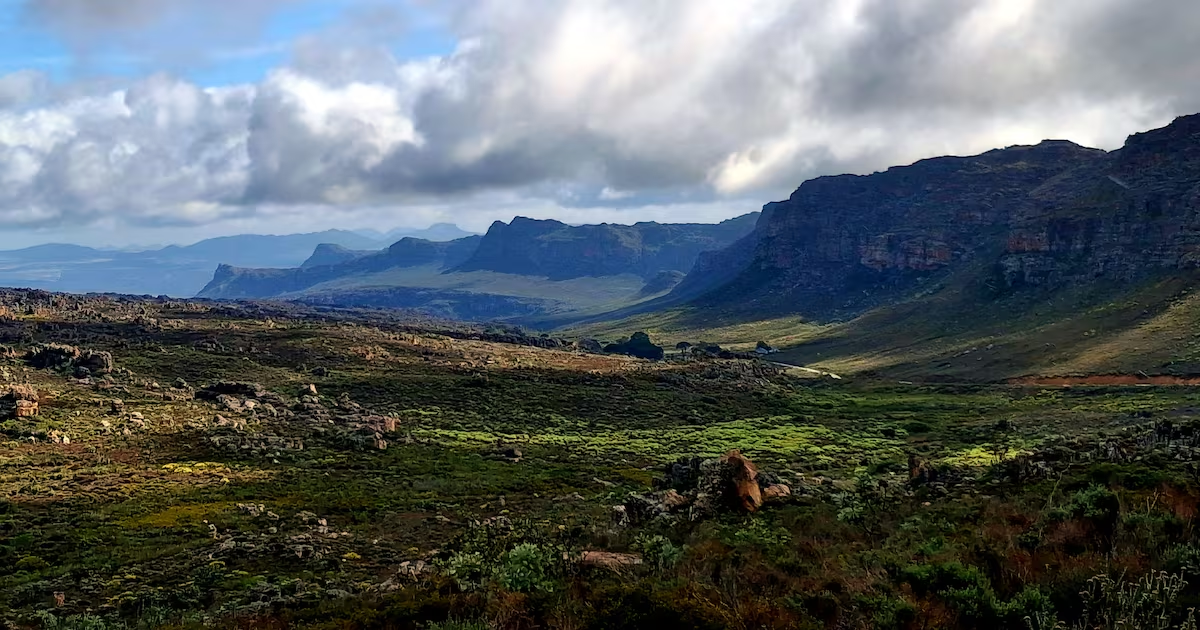
We’d had our sights set on a family midweek break at the much-loved natural heritage site Beaverlac, in the Olifants River Mountains above Porterville. But after studying the weather forecasts from 10 days before we were due to leave, it was obvious the two fronts approaching the Western Cape were not going away; they were, in fact, getting stronger.So, where to go at short notice with our outdoor-mad daughter visiting from Gqeberha, and still be able to do some hiking? Traveller’s Rest in the Agter Pakhuis region of the northern Cederberg seemed to provide the answer. Yes, it would still be raining most of the time, but the difference in rainfall forecast between the two venues was stark: 20mm drizzle over two days for Traveller’s Rest versus 170mm torrential downpour at Beaverlac. And, driving a 4x2 SUV, the quality of dirt tracks en route was also a consideration that favoured the former.I’ve stopped many times at the eponymous farm stall en route to Nieuwoudtville, Calvinia, the Tankwa Karoo and the Biedouw Valley, but it’s only my third overnight stay here. Once a convenient outspan next to the perennial Brandewyn River, today it’s a roadside attraction that has over the years mushroomed from a small padstal into a major restaurant and function venue. Yet, as long as I’ve been coming here, it’s always been run by the inimitable Charité van Rijswijk. Installed in her reserved chair on the stoep, she presents a welcoming presence at this burgeoning enclave of hospitality 34km from Clanwilliam.But when we arrive there, the Brandewyn River is flooding, the restaurant’s outer walls are sandbagged and the doors barred. “So much for drizzle,” a weather gnome whispers in my ear. To add insult to injury, there’s no cell reception and we’ve no idea which of the 29 well spread out cottages we’re booked into. Slightly miffed and very wet, we head back up the Pakhuis Pass and re-establish comms just beyond Louis Leipoldt’s mountain grotto grave.Learning we’d been just 200m away from our rented front door when we turned around doesn’t soften my mood, but we turn the situation around by immediately building a fire in the hearth when we get there, toasting our fast-reducing coldness and misery with a warming glass of Red Jerepigo. In addition, imbibing in the voorkamer of an old labourer’s cottage immediately brings the crazy antics and humorous anecdotes of Herman Charles Bosman’s Oom Schalk Lourens to mind, and all is soon right with the world again.Charité tells me later that farmworker Gertjie, past owner of the namesake cottage we’re staying in, had an overdeveloped love of booze. Apparently he’d be sozzled pretty much all weekend, every weekend; yet still worked like a Trojan in between on this old potato and rooibos farm. Another worker, Willempie, was apparently so intoxicated one Sunday that he tried to take an eland down by tackling it — needless to say, he came off second best.Thankfully for Willempie, the local Cape mountain leopards, of which there are still a number here, are too shy and fleet-footed to be rugby tackled by chemically compromised humans. I’ve always ached to see one of these furtive creatures in the wild, and while I’ve come across fresh footprints — once just outside Hoek-sonder-Koffie cottage, about 8km from our present digs — and also heard one outside our tent once, these magnificent and mostly well-monitored and well-tolerated cats still elude me.Though Charité is not absolutely sure of Gertjie’s ethnic heritage, the diminutive stature and much-wrinkled face she remembers make it likely he carried at least some traces of Bushman DNA. It’s a theory strengthened by the many San clans that once inhabited this northern region of the Cederberg and the hundreds of rock-art sites concentrated here.Apart from being water-, bulb- and shelter-rich and surrounded by some of the San’s favourite quarries (eland and hartebeest), these mountain fastnesses put a natural barrier between the San and the burgeoning Khoi herdsmen to the west. These superiorly armed people, giants by comparison to the diminutive Bushmen, usurped the San’s coastal foraging lands when they arrived in modern-day South Africa about 2,000 years ago; lands they needed as pastures for the fat-tailed sheep and other cattle their existence depended upon.It’s to one of these rock art sites we set off the next morning. As it’s raining, albeit lightly, I’ve had my work cut out convincing my wife, Annette, that the opportunity cost will not be too high; reminding her, too, that it’s a fine time to test her new “waterproof” hiking boots.What I’ve told neither her nor our daughter, Ashley, though, is that I’m really not sure whether I’ll be able to find the cave in which I discovered the rock art about 13 years ago. Of course, this perilous situation would have been avoided had the river not flooded and cut us off from the nearby Sevilla rock-art trail we’d planned to do; but hey, increasing extreme weather events like this uncharacteristic deluge seem to be the new reality.As we squelch our way south, alongside the Brandewyn River roaring north in a channel five times its normal girth, I think of the small posse of British soldiers chasing after the harrying “rebel” Boer commando, which Jan Smuts led over this craggy landscape in 1901. It was ideal topography for the hit-and-run Boers, and even more ideal for their snipers to take out British horsemen in pursuit of their comrades.One of this small posse’s members was 21-year-old Lt Clowes, a member of the Gordon Highlanders 6th Military Intelligence (MI) Unit and it was he who paid the ultimate price when they rode into the heart of a Boer ambush. His compatriots, Cpt Gordon and a private, whose name is not known, fared only slightly better; the former being wounded and surviving, while the latter was captured by the Boers and succumbed to his injuries later.About 3.5km on, our damp and bedraggled hiking crew startles a small herd of hartebeest that quickly canters away. It’s happened to me before that I see some of the San’s favourite quarry and then uncannily stumble across some rock art nearby. And it’s no different today. Just 200m south of this point we locate a large overhang above a narrow water canal and there’s the panel of rock art I remember from all those years ago.I’m relieved, not only because I could play smug “I told you I’d find it” dad, but it’s Ashley’s first sighting of Bushman paintings and as a young and curious environmental scientist these sorts of things really matter to her, and of course, to me.Travel NotesGetting there: Traveller’s Rest is 285km from Cape Town and 34km from Clanwilliam. It’s best reached via the N7 and R364, but can also be accessed from Calvinia (156km) on a mixture of tar and gravel (80% gravel), which is in reasonable condition in good weather.What to do here: Most folk come here to hike, mountain bike, view rock art, swim in mountain streams and just to chill in nature. But other activities include flower viewing in spring (the nearby Biedouw Valley can be particularly rewarding); visiting the nearby Englishman’s grave; taking a day drive to Klawer for wine-tasting via the Nardouwsberg and Brand se Berg road (high clearance SUV or AWD required in wet weather) or collecting some souvenirs from the local shop and/or enjoying a meal at the on-site restaurant.What to take with you ― food, wood, drinks, books, walking shoes, a hat and a costume.Suggested reference/reading: the Slingsby Cederberg map and Cederberg: The Book.Where we stayed ― there are 29 self-catering cottages at Traveller’s Rest. We stayed at Gertjie, near the restaurant; it sleeps four comfortably or six “family style”. We paid R1,600 per night. Call Charité on 082-554-9303 or email her on: charite@travellers-rest.comBest time of year to go: April to November, though August to September is best.
A good Cederberg port in a storm to take in nature
Cederberg’s Traveller’s Rest offers self-catering cottages, hiking and mountain biking
1,310 words~6 min read