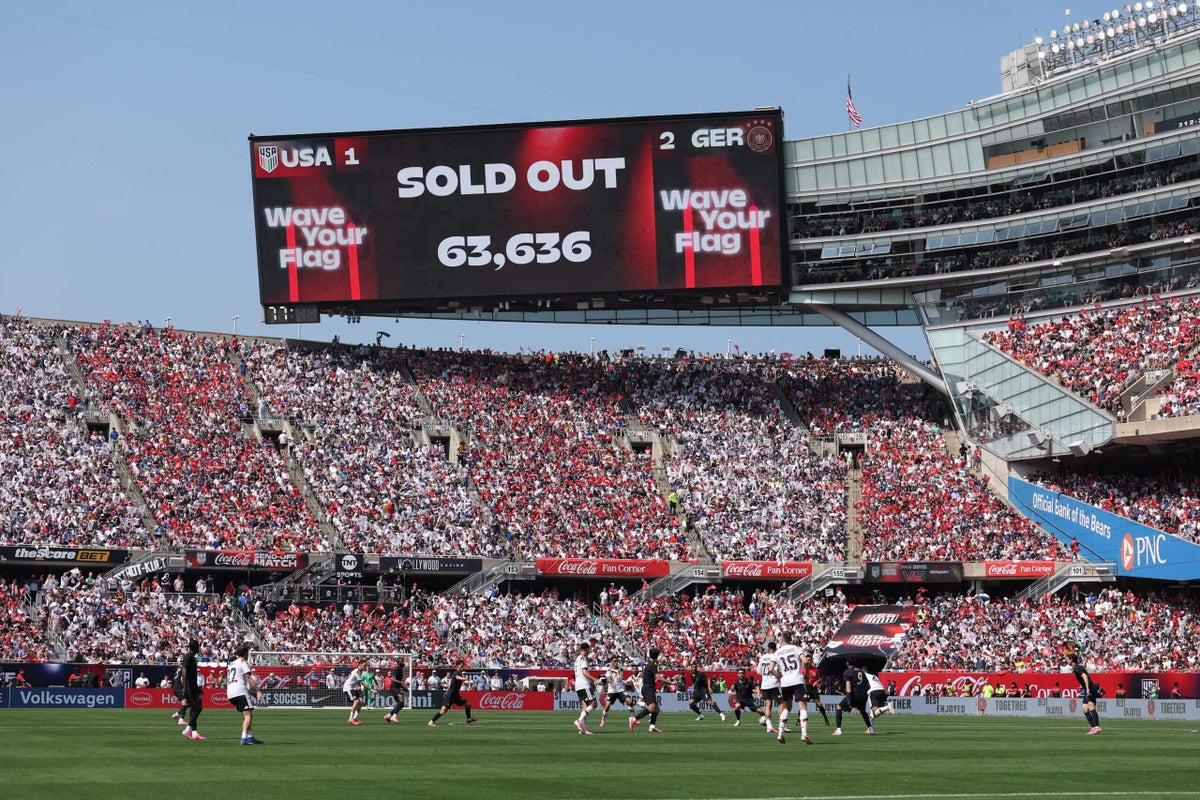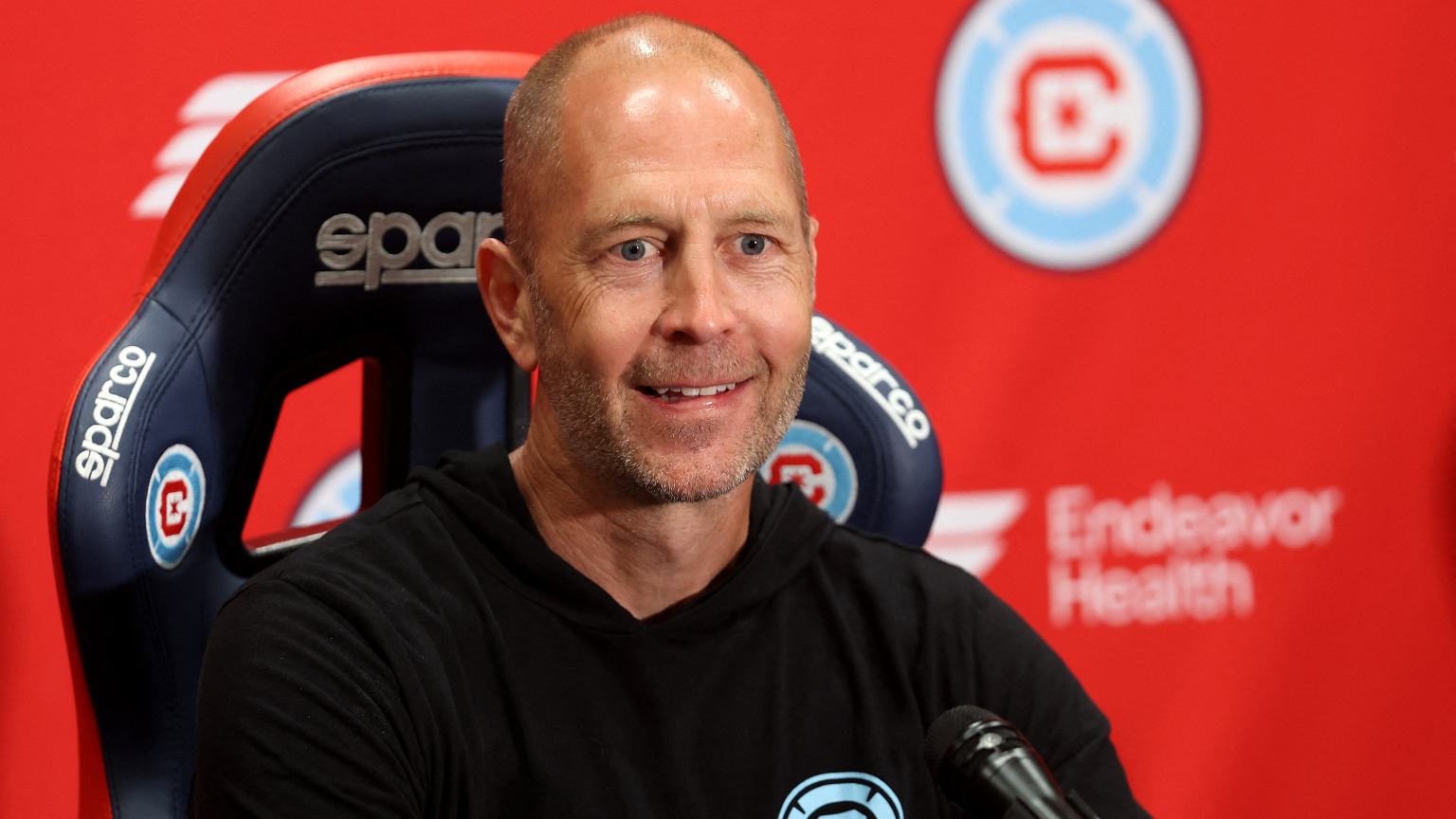
Get free access to all our World Cup coverage in the app, from kickoff to the trophy lift.Home to 2.7 million residents, Chicago is the United States’ third-largest city by population and arguably its greatest sporting hub.It was one of four cities shortlisted to host the 2016 Olympics, won by Brazil’s Rio de Janeiro, and it is home to many of the nation’s most iconic sporting names. The enduring cross-city rivalry between the Chicago Cubs and the Chicago White Sox has seen each win three World Series titles, while the Chicago Bears, an NFL founding member, and the NHL’s Chicago Blackhawks also have deep roots in the city’s rich sporting tapestry.It was never going to be easy for the Chicago Fire, one of the first MLS expansion teams in 1998, to emulate the achievements of its hometown’s sporting institutions. “Our job is to put our name in with those iconic names in Chicago identity,” Fire sporting director Gregg Broughton tells The Athletic. “When the Bears were in the playoffs last winter, the whole city stopped. Every bar had a queue several hundred metres long to get in. That is the passion and belonging we want to tap into.”Since 2019, the Fire have been fully owned by billionaire entrepreneur Joe Mansueto, born in the Chicago metropolitan area. Mansueto is privately funding a new soccer-specific stadium in downtown Chicago, built on former industrial land. The 22,000-person capacity McDonald’s Park (the fast-food chain is headquartered in Chicago) is expected to open in 2028.Soldier Field hosted the USMNT vs. Germany friendly on June 6, but will not be a venue for the World Cup. (Alexander Hassenstein / Getty Images)“The aim is to create high demand, with everyone desperate to come and watch this team play,” Broughton says of the stadium, which will be part of an entertainment district, located along the Chicago River and south of Roosevelt Road in the city’s South Loop neighborhood. The stadium’s slightly smaller capacity, compared to the Fire’s 23,500 average attendance in 2025, is deliberate. “We are doing well with our crowds — that base is incredible. But we want tickets to be difficult to buy; we want regular sellouts. This stadium will have the steepest stands in the league. We want that atmosphere there every game, for it to be a spectacle, an event everyone wants to be at.”The Fire’s current home, Soldier Field, can accommodate 63,500 fans, but it’s often two-thirds empty during the team’s games, and it’s not designed for soccer. “When we played Inter Miami, it was a sellout,” recalls Broughton. “A third of the stadium were in Fire tops, a third were in the pink of Miami and a third in Argentina shirts to watch Lionel Messi.”Revenue for that match day would have been impressive, but for the Fire, the aim is to create an identity and sense of belonging that sets the club apart. Broughton has an ideal background for driving this change.After a decade in English soccer, where he led the academies of Luton Town and Norwich City — and won the FA Youth Cup in 2013 with the latter — Broughton joined Norwegian club Bodo/Glimt in 2017. Bodo, located approximately 300km north of the Arctic Circle, had never won a league title nor made inroads in European competition.
Fire would love to be part of the battle for Chicago’s sporting soul
Sporting director Gregg Broughton has big ambitions for the Chicago Fire to be a major player in the Windy City.
1,254 words~6 min read