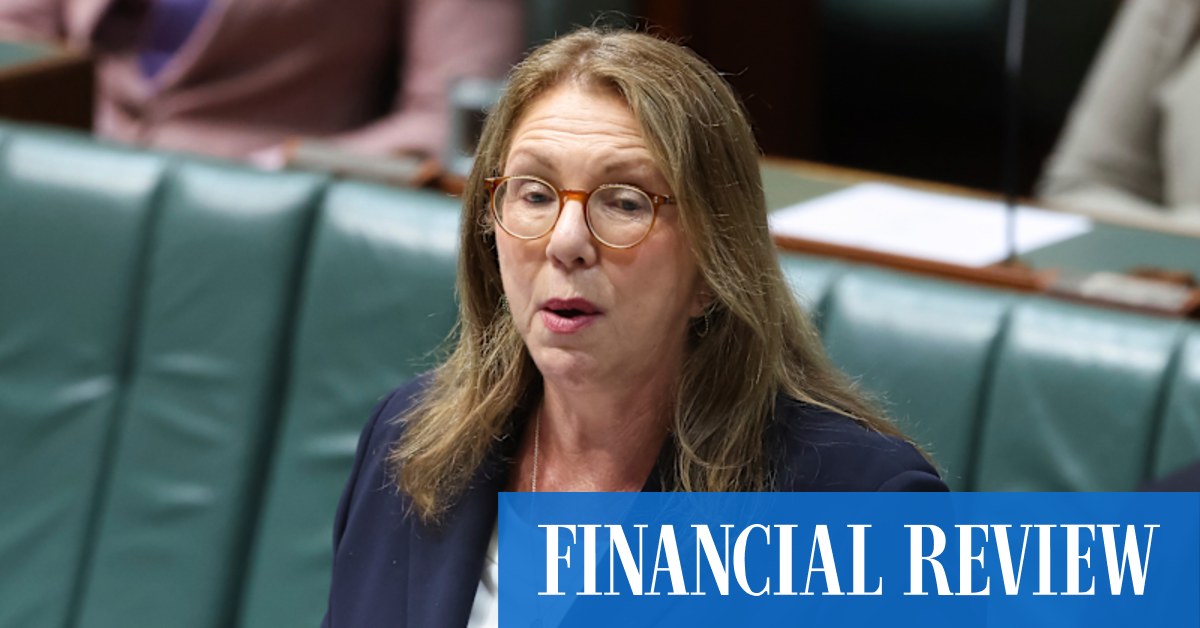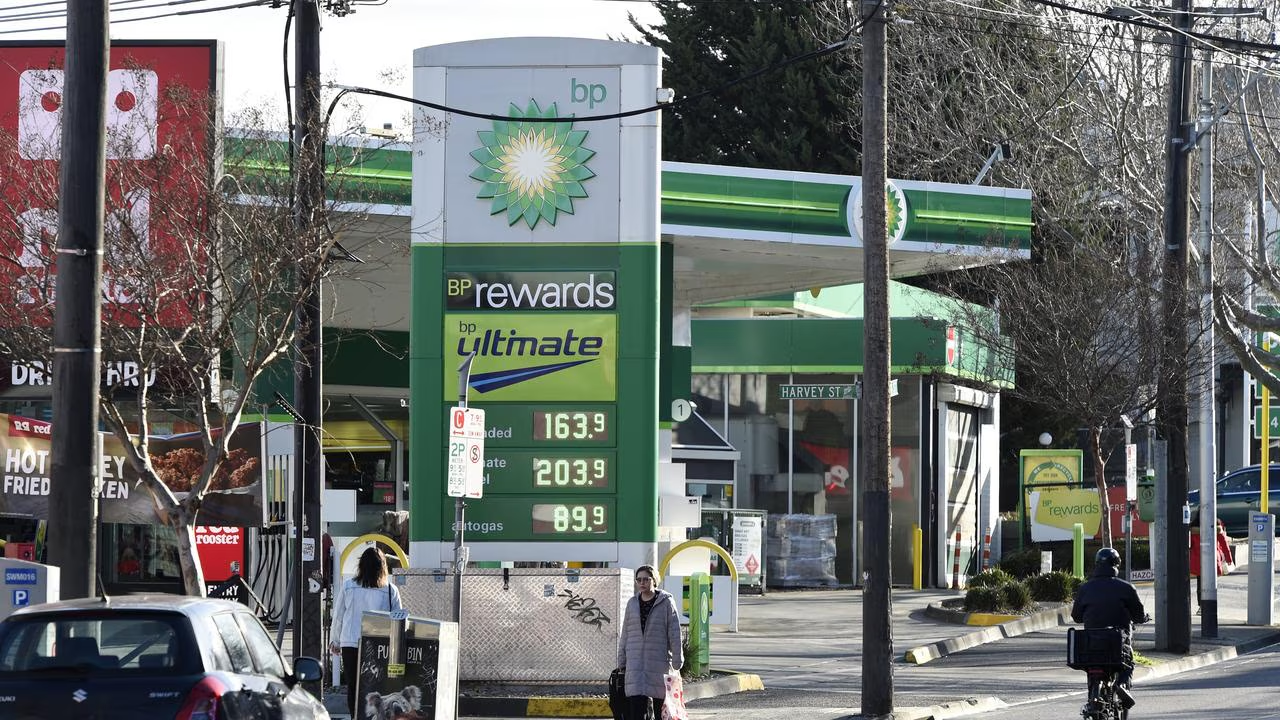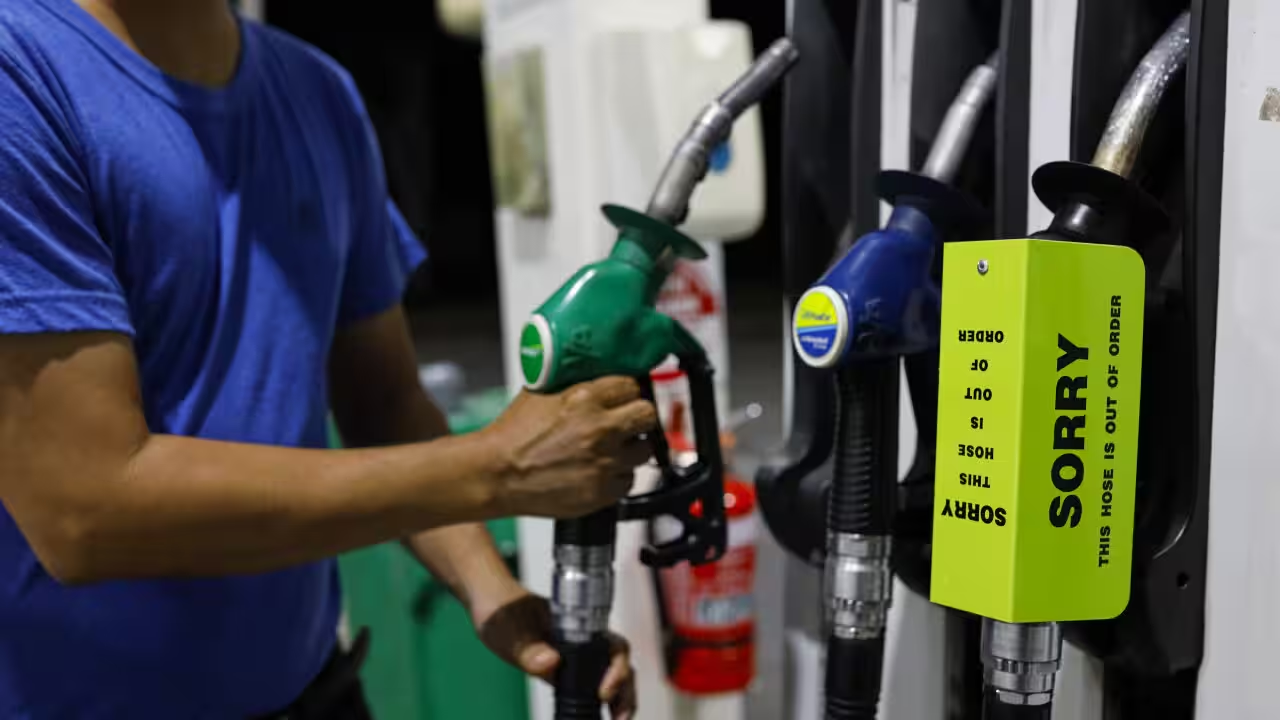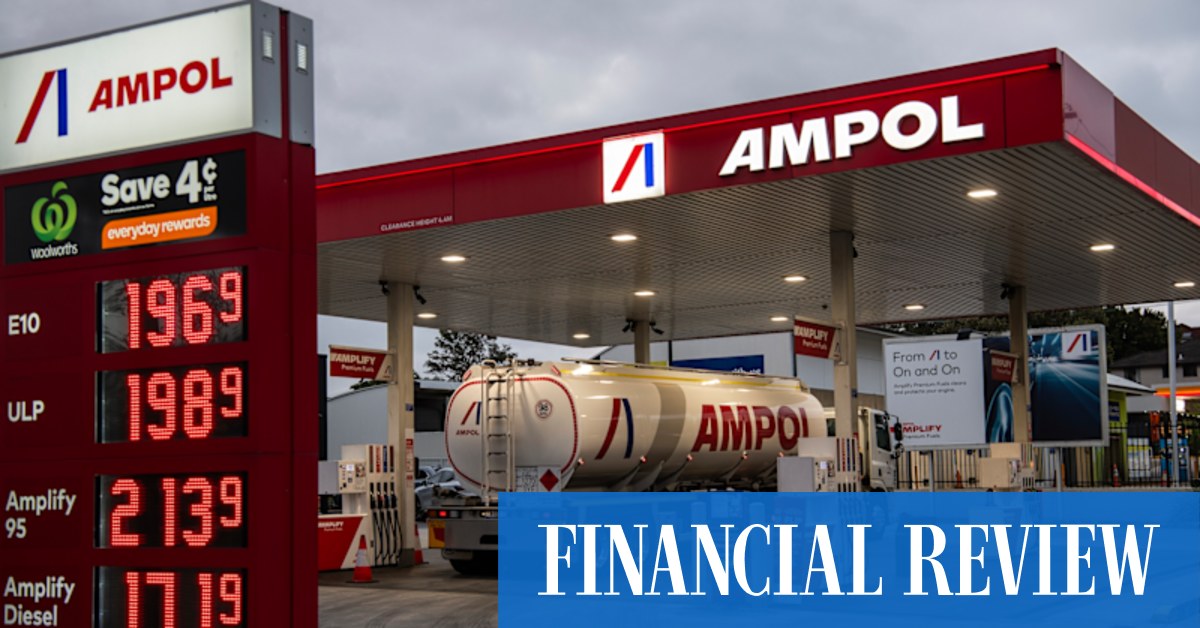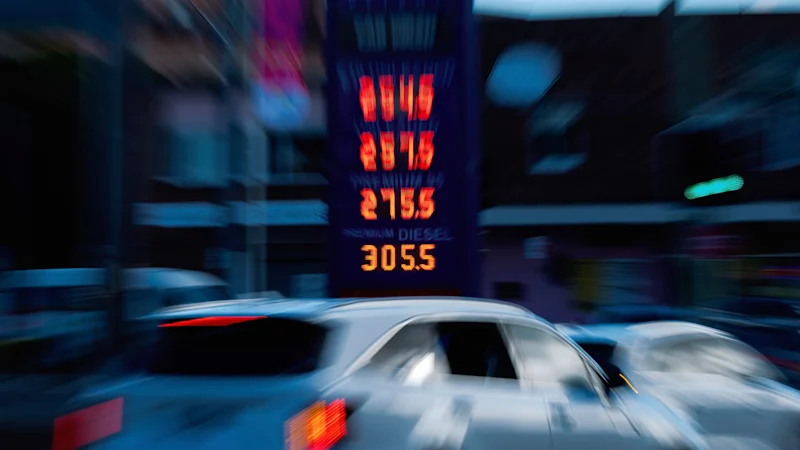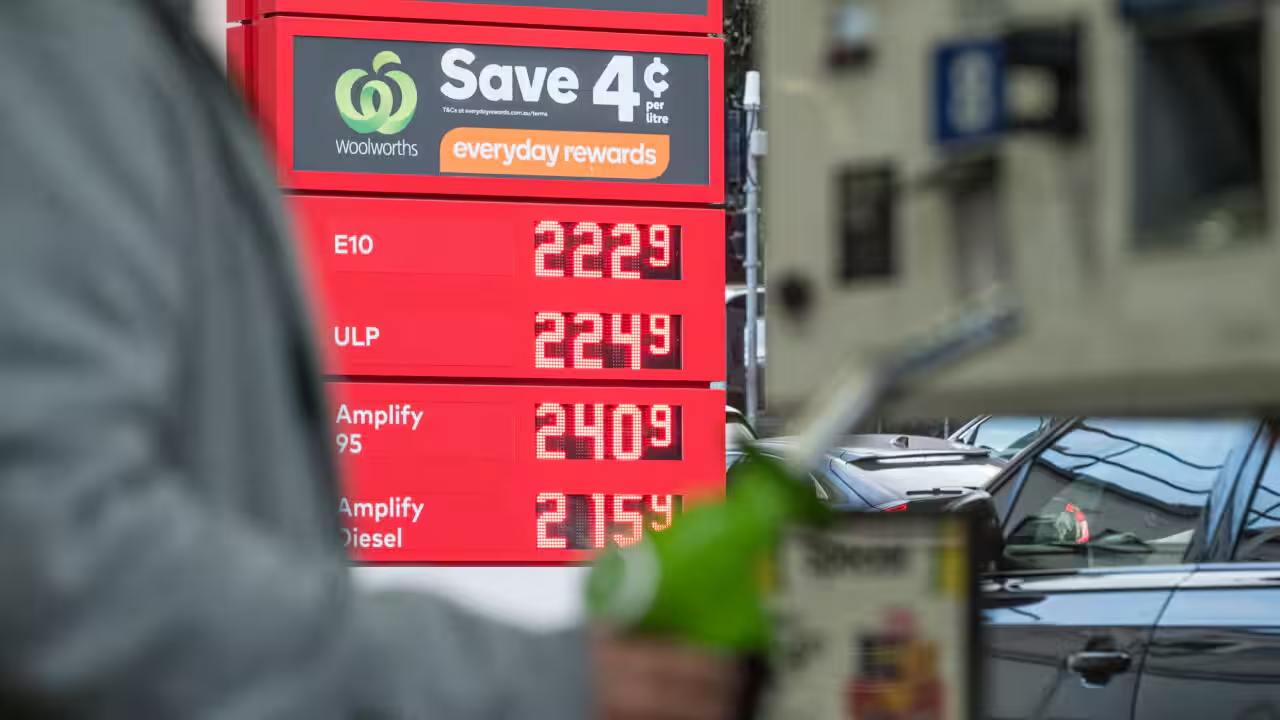
In briefMeasures implemented by the Australian government to tamp down petrol prices are set to expire at the end of June.The government has made no indication that it intends to extend the measures.Motorists and transport businesses are being warned to expect an end to the fuel excise cut, as conflict flares up between Iran and the United States.The fuel excise was temporarily halved by the Albanese government, slashing 26 cents per litre, in response to soaring global oil prices caused by the war in the Middle East.The $2.5 billion measure is set to expire at the end of June, and Transport Minister Catherine King has indicated it will not be extended."We're consulting, obviously, with industry about the impact of that, but people should at this stage expect that it's coming off at the end of June," she told ABC News Breakfast on Wednesday."We are doing everything we can to shield Australians from this conflict in the Middle East."News that makes senseYour trusted source for staying up-to-date with the world around you. Get free daily news updates and analysis, straight to your inbox.King said the government's most senior ministers, including Prime Minister Anthony Albanese, have all been working "incredibly hard" to secure Australia's fuel supply by shoring up key international relationships with partner nations.The US military has started launching "self-defence" strikes against Iran in response to the downing of an American Apache helicopter.US President Donald Trump earlier said his nation "must respond" to the attack.Iranian state media confirmed explosions were reported in Sirik, a port city along the Strait of Hormuz.King said Australia urged diplomatic solutions to end the conflict in the crucial oil passageway."We want to urge all parties to continue to negotiate that," she said."This is a pretty fragile ceasefire, and you're seeing that borne out unfortunately."Labor has since introduced a $10 billion energy and fertiliser security package to secure the nation's supply chains.Australia's onshore fuel reserves will be expanded to at least 50 days and a permanent, government-owned fuel reserve of about a billion litres will be established.The minimum stock-holding obligation for suppliers will also be increased by about 10 days for every type of fuel.For the latest from SBS News, download our app and subscribe to our newsletter.
Motorists brace for higher petrol prices as Australia's fuel tax cut set to end
The government's $2.5 billion fuel excise cut is planned to end at the end of June.
371 words~2 min read