Get your news delivered straight to you by 7am - sign up to our new Morning Mail newsletter for FREE See more Daily Mail on Google - save us as a Preferred SourceBy ELEANOR HARDING, EDUCATION EDITOR Published: 00:01 BST, 10 June 2026 | Updated: 00:01 BST, 10 June 2026
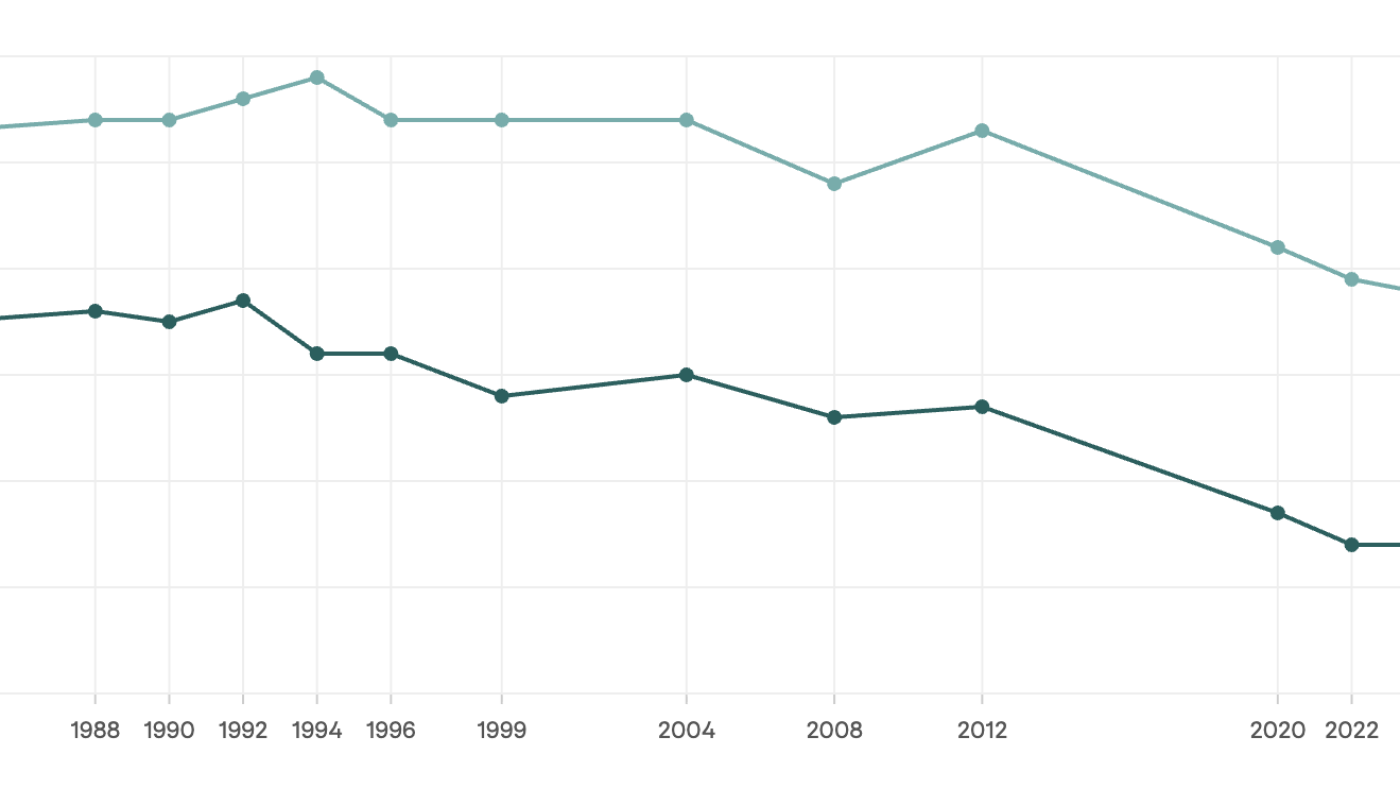
The proportion of children who enjoy reading has increased for the first time in five years.The latest annual survey from the National Literacy Trust found children aged eight to 18 are becoming more enthusiastic about reading for fun.More than a third – 36.1 per cent – said they enjoyed reading 'very much' or 'quite a lot' this year, compared with 32.7 per cent last year.Reading enjoyment has been in decline since 2021, with fewer reporting liking reading every year since then.Last year's figure was the lowest in 20 years, and was almost half the proportion recorded in 2016, when a record 58.6 per cent said they liked reading.Previous research from the Trust has suggested the lockdowns of 2020 and 2021 impacted on children's literacy, especially among those who did not have access to books at home.Separate studies have shown children need to read every day to improve their skills.The survey also found a fifth – 20.3 per cent – read daily in their free time, up from 18.7 per cent in 2025. The proportion of children who enjoy reading has increased for the first time in five years (file picture)Children aged five to eight were the only group to see a decline in their reading enjoyment, from 62.6 per cent to 61.6 per cent.And boys still lagged behind girls – part of a long-term trend.The report authors said: 'Our research identifies an encouraging increase in both reading enjoyment and daily reading among children and young people.'We are cautiously optimistic. After several years of decline, it is encouraging to see signs of progress, but reading engagement remains far too low and there is still much more to do to ensure every child has the opportunity to develop a positive relationship with reading.'Labour MP Helen Hayes, chairman of the Education Committee, said: 'It is a real cause for concern that the number of children reading for fun is currently at such critically low levels.'I'm encouraged by today's research, but we still need to do much more to encourage children to read for enjoyment, particularly younger children, boys of all ages, teenagers and disadvantaged children.'The survey, which has been running every year for two decades, covered 125,000 children aged five upwards.Education Secretary Bridget Phillipson said: 'When reading feels relevant and role models get involved, children develop a passion with benefits that go far beyond the classroom – but with progress slower for poorer children, we must make sure every child can find a form of reading that speaks to them.'