June 10, 2026
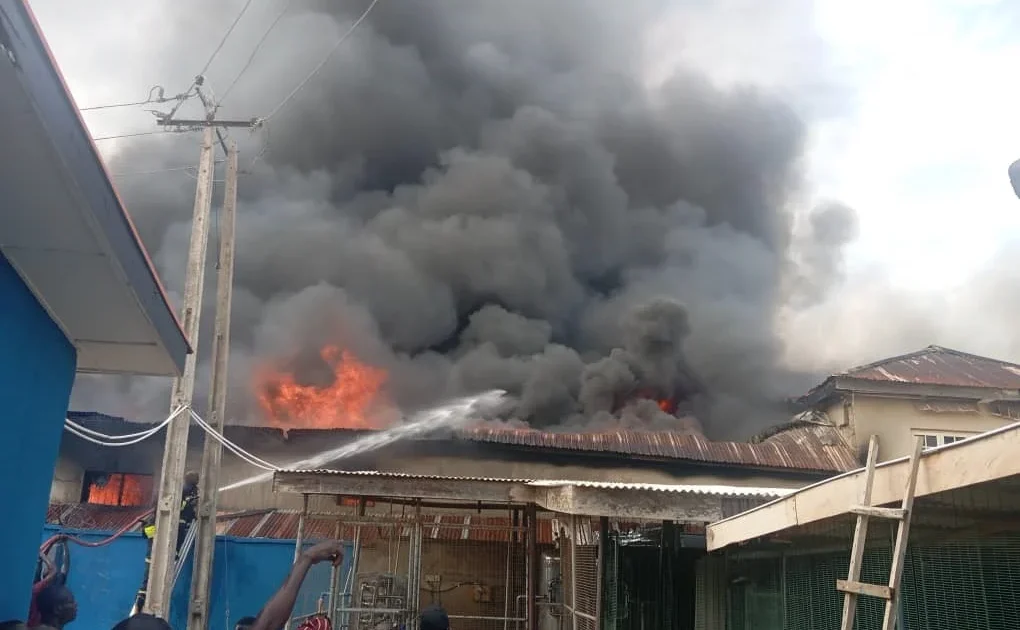
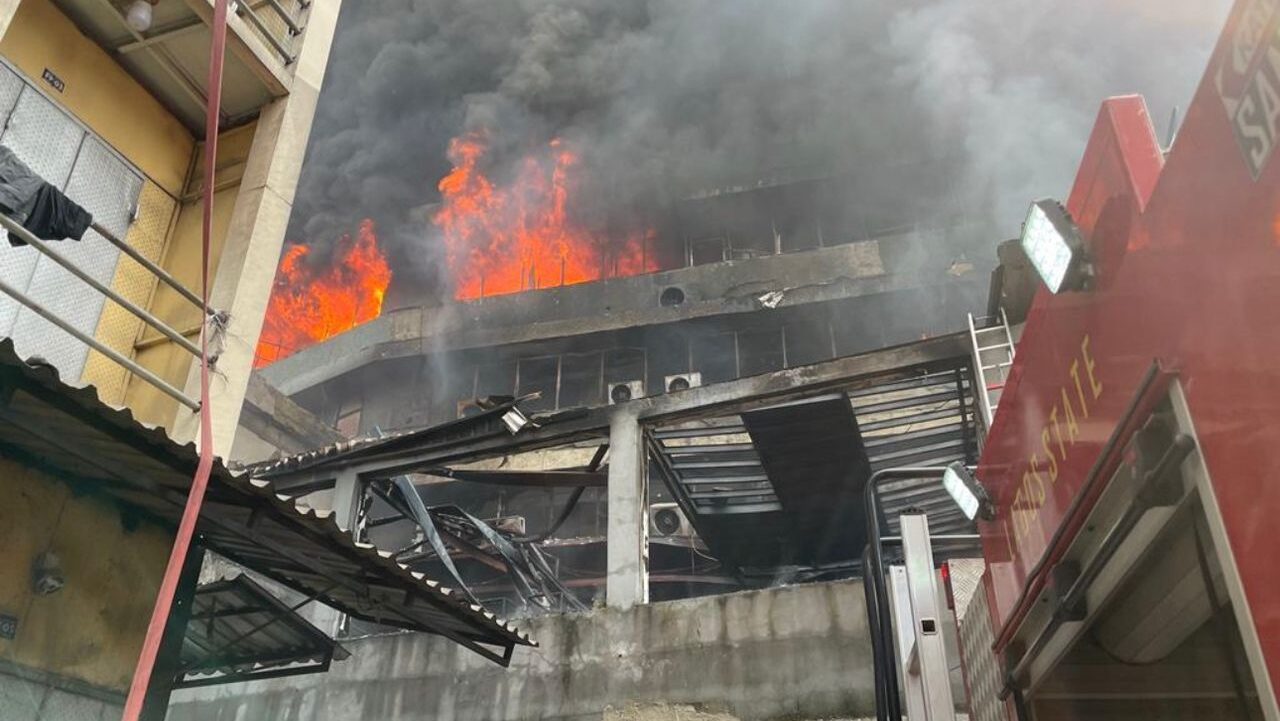
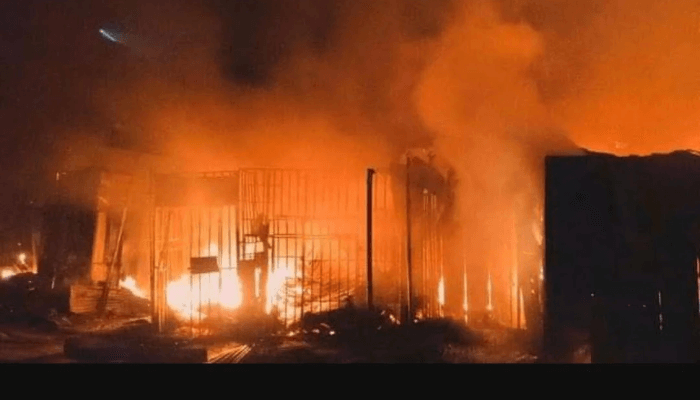
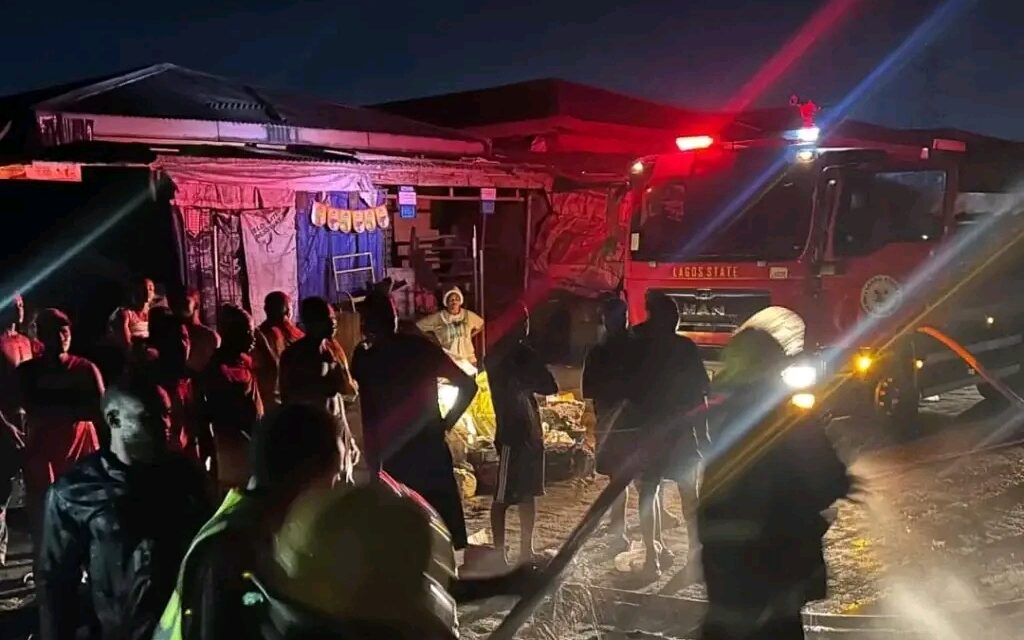
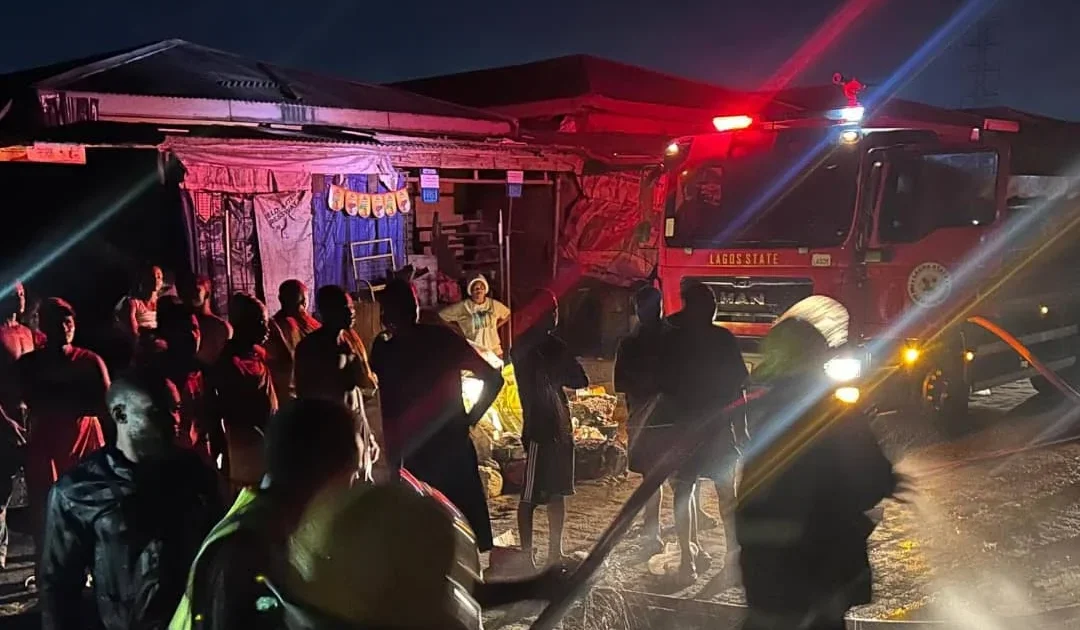
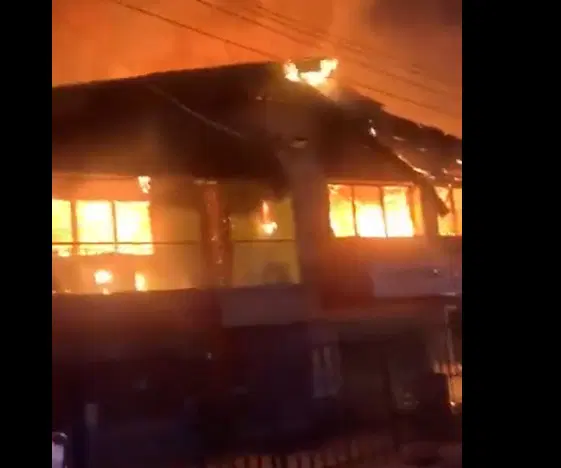
The recent fire that razed approximately 15 shops at Akpan Andem Market in Uyo, Akwa Ibom State, is a heart-wrenching reminder of the precarious existence of Nigerian market traders. The tragedy is particularly poignant because it was preventable. The fire truck meant to contain the blaze had no diesel, leaving traders to watch helplessly as their livelihoods turned to ashes.
This is the quintessential story of Nigerian markets, where traders operate in perpetual vulnerability. Nigerian markets are ticking time bombs. Overcrowded structures built haphazardly, illegal electrical connections, and the storage of flammable goods in close proximity create ideal conditions for fire disasters. Narrow walkways prevent emergency vehicles from accessing the heart of the blaze.
In Akpan Andem Market, a faulty electrical socket sparked the inferno that consumed millions of Naira worth of goods. The International Federation of Red Cross has documented similar patterns globally, where informal markets suffer disproportionately from fires due to inadequate infrastructures and weak regulatory enforcement. Yet what makes the Nigerian tragedy unique is not just the frequency of these fires, but the systemic neglect that follows.