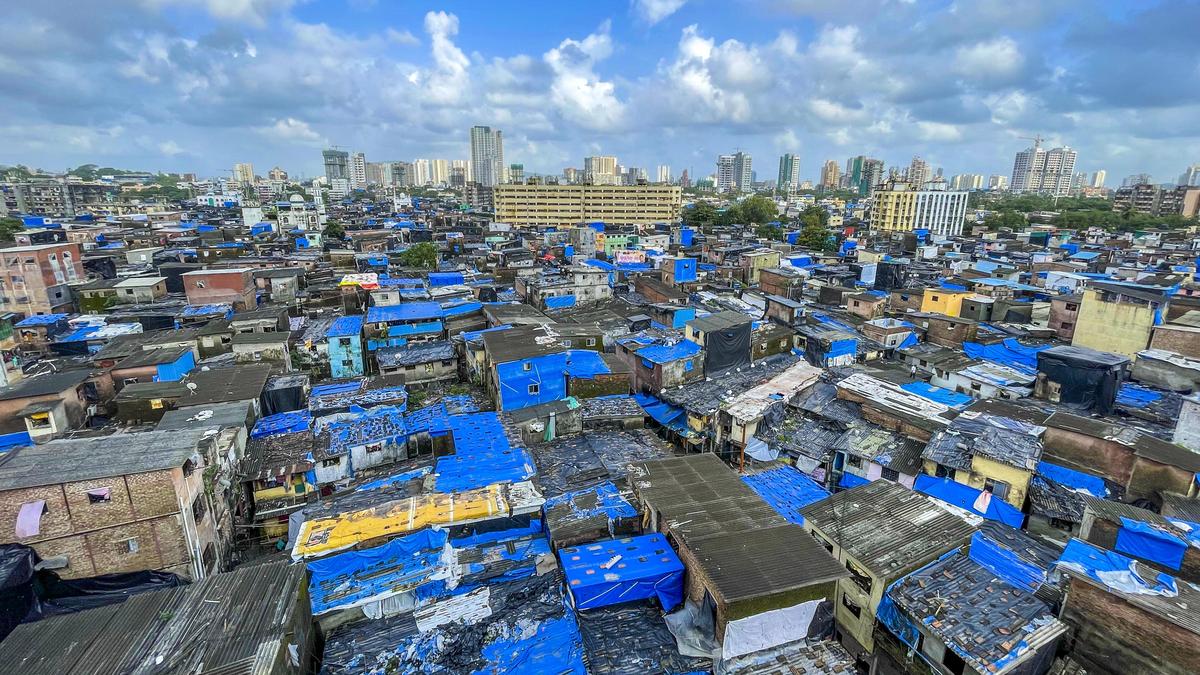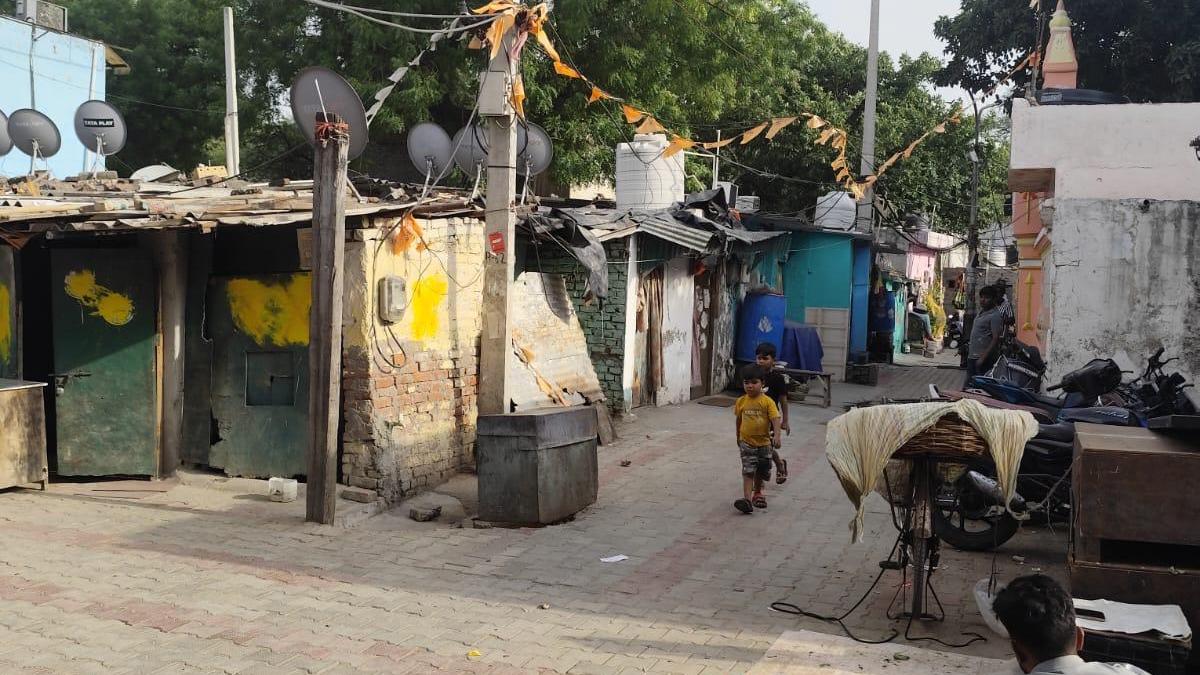
New DelhiThe latest order was passed after the residents’ counsel, N Hariharan, submitted that the proposed rehabilitation site located near the Delhi–Haryana border—approximately 30–40km from central Delhi and 49km from Race Course—lacked several essential amenities to which the residents were entitled. (Representative photo)The Delhi High Court has issued a series of directions to the Centre and the Delhi Urban Shelter Improvement Board (DUSIB) to ensure that the rehabilitation of residents from three slum clusters near the Prime Minister’s residence in Race Course locality is carried out in a manner that effectively safeguards their right to rehabilitation and their right to live with dignity.A bench of chief justice DK Upadhyaya and justice Tejas Karia, in their June 4 order that was released later, directed the authorities to ensure free Delhi Metro travel for one member of each rehabilitated family for an initial period of one year, either through suitable arrangements with DMRC or by adopting other appropriate measures.The court further directed that children of relocated families be admitted to nearby government or Municipal Corporation of Delhi (MCD) schools in their respective classes, with admission deadlines extended where necessary. It also ordered DUSIB to establish a camp office at the rehabilitation site, staffed round-the-clock by senior officials from DUSIB, the Delhi Jal Board, and the electricity supply agency to address the grievances and requirements of the relocated residents.The directions were issued on an appeal filed by residents against single-judge’s May 11 order, which directed over 350 residents of three slum clusters near the Prime Minister’s residence in the Race Course area to vacate the camps within 15 days and shift to the alternative accommodation arranged by the authorities, i.e., Savda Ghera. The was passed in a petition filed by residents of Bhai Ram Camp, DID Camp, and Masjid Camp, challenging the decision to relocate them to alternate accommodation.The latest order was passed after the residents’ counsel, N Hariharan, submitted that the proposed rehabilitation site located near the Delhi–Haryana border—approximately 30–40km from central Delhi and 49km from Race Course—lacked several essential amenities to which the residents were entitled. The deficiencies highlighted inadequate access to markets, severe water and electricity shortages, insufficient healthcare and educational facilities, security concerns, unsafe conditions for children, lack of logistical support, and other habitability issues.In response, the land and development office (L&DO) and DUSIB, represented by additional solicitor general Chetan Sharma, standing counsel Ashish Dixit and advocate Anuj Chaturvedi, submitted that the land was required for security and defence infrastructure. They assured the court that all relocated families would be provided adequate housing and essential amenities in accordance with their rehabilitation rights.The ASG informed that under the rehabilitation scheme, 717 JJ dwellers were to be relocated to ready-to-move residential units. Of these, 248 had voluntarily opted for allotment, with 60–70 families already shifted and 202 having taken possession of their keys. He submitted that the rehabilitation site was equipped with electricity, water and sewerage infrastructure, including connections provided by the Delhi Jal Board, and said it was in proximity to healthcare facilities, with two dispensaries located within 1–1.5km of the site and the Sanjay Gandhi Government Hospital situated approximately 12km away.The matter would be heard next on July 1.
‘Safeguard rights and dignity of evictees’: Delhi HC on relocation of slum clusters near PM residence
The Delhi High Court directed authorities to ensure dignified rehabilitation for slum residents near the PM's residence, including free Metro travel and school admissions. | Latest News Delhi
530 words~2 min read