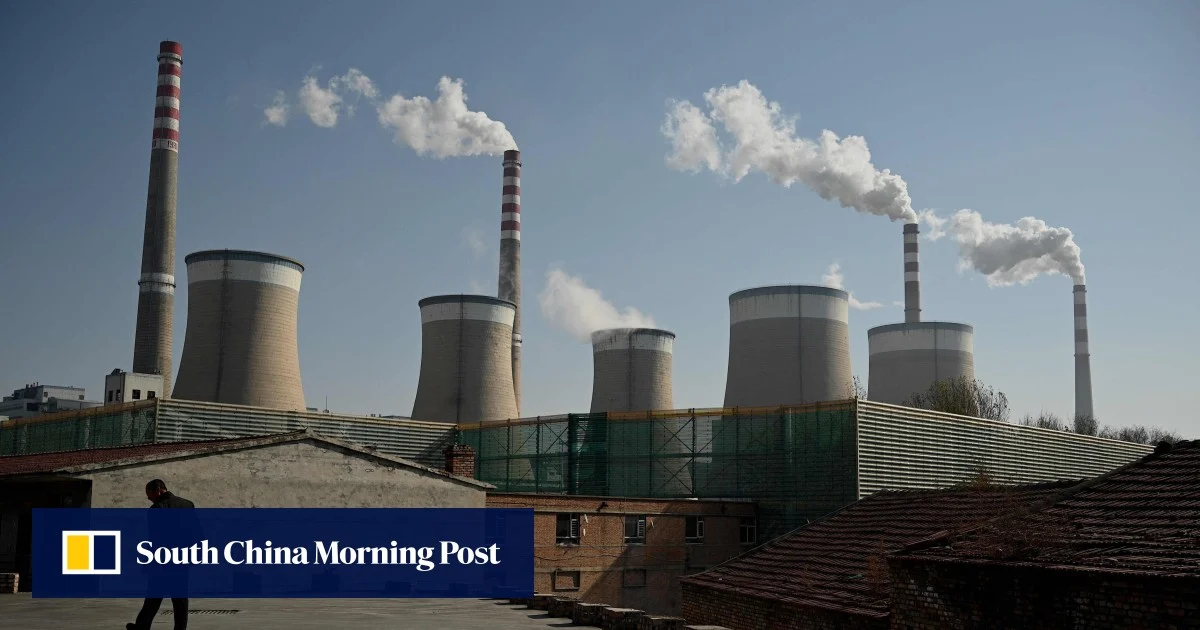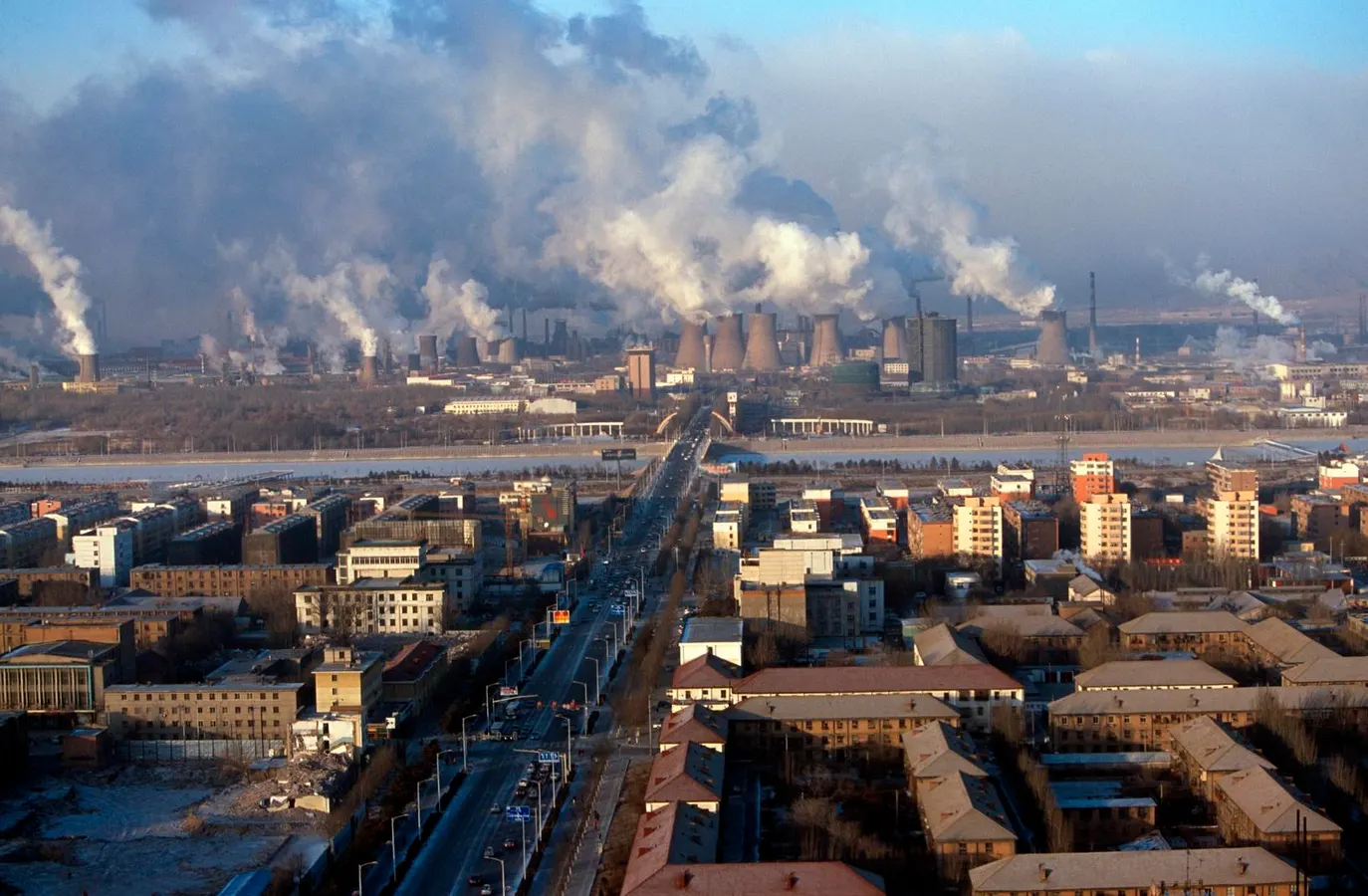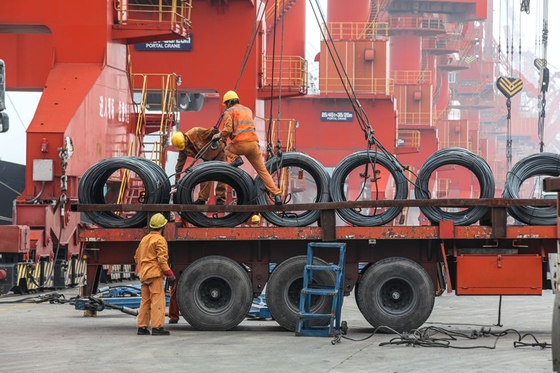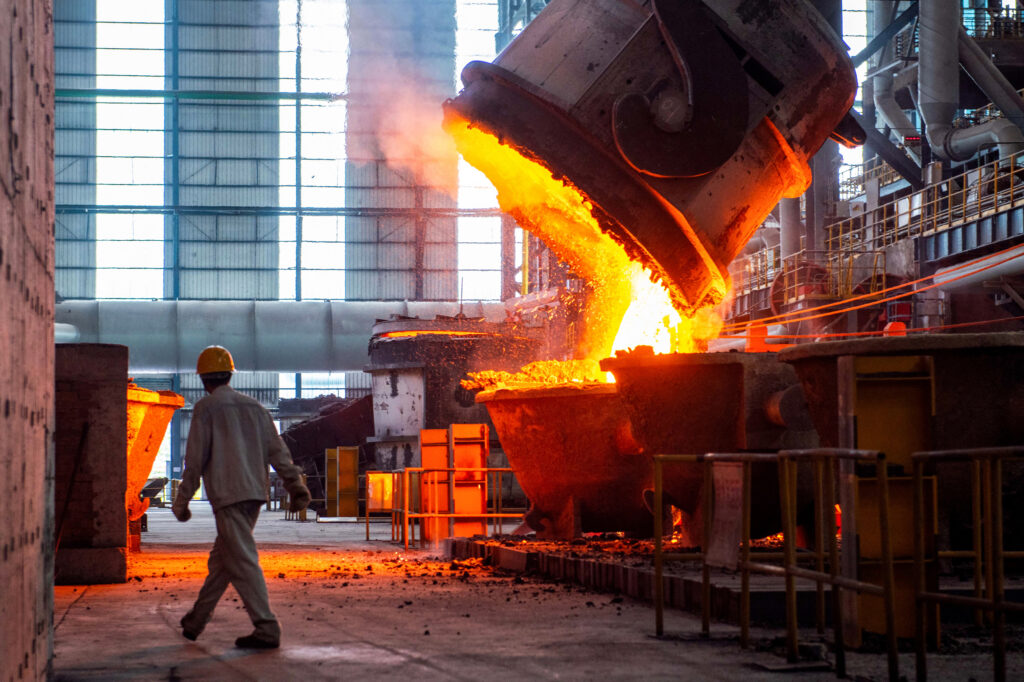
China’s Belt and Road Initiative, the world’s largest ongoing infrastructure program, has a substantial climate impact. More than half its emissions stem from steel, the majority of which was produced in China.
Cutting the emissions will require stronger environmental policies and major investment in cleaner manufacturing technologies, two new studies concluded.
More than 130 million tons of carbon dioxide equivalent emissions are tied to the construction of transportation, energy, building and water projects that were part of China’s Belt and Road international development initiative from 2008 to 2024, according to a study published Monday in the journal Environmental Science & Technology. The study, a global, project-level assessment of greenhouse gas emissions, tallied climate pollution linked to more than 700 Belt and Road construction projects across 105 countries.
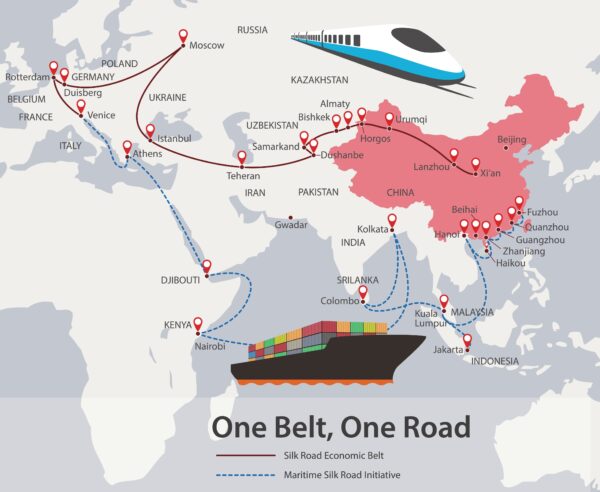
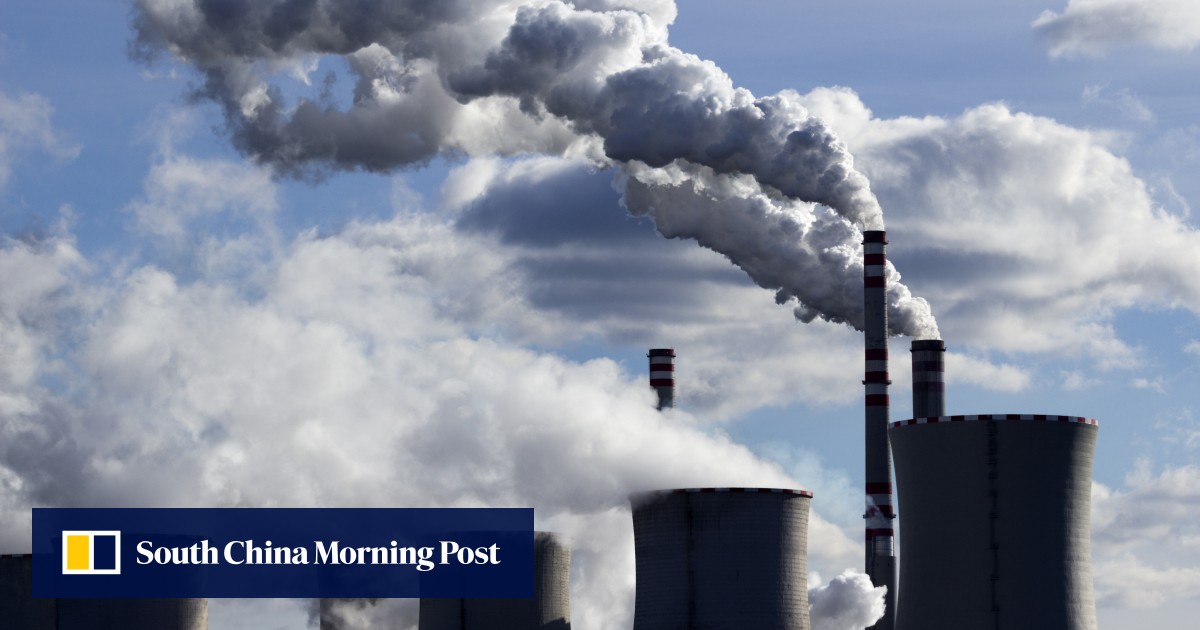
The Belt and Road Initiative is China’s trillion-dollar development effort designed to help expand Beijing’s global influence. The emissions it produced from the 700 construction projects analyzed in the study were equivalent to the annual climate pollution from 35 coal-fired power plants, according to the U.S. Environmental Protection Agency’s greenhouse gas equivalency calculator.