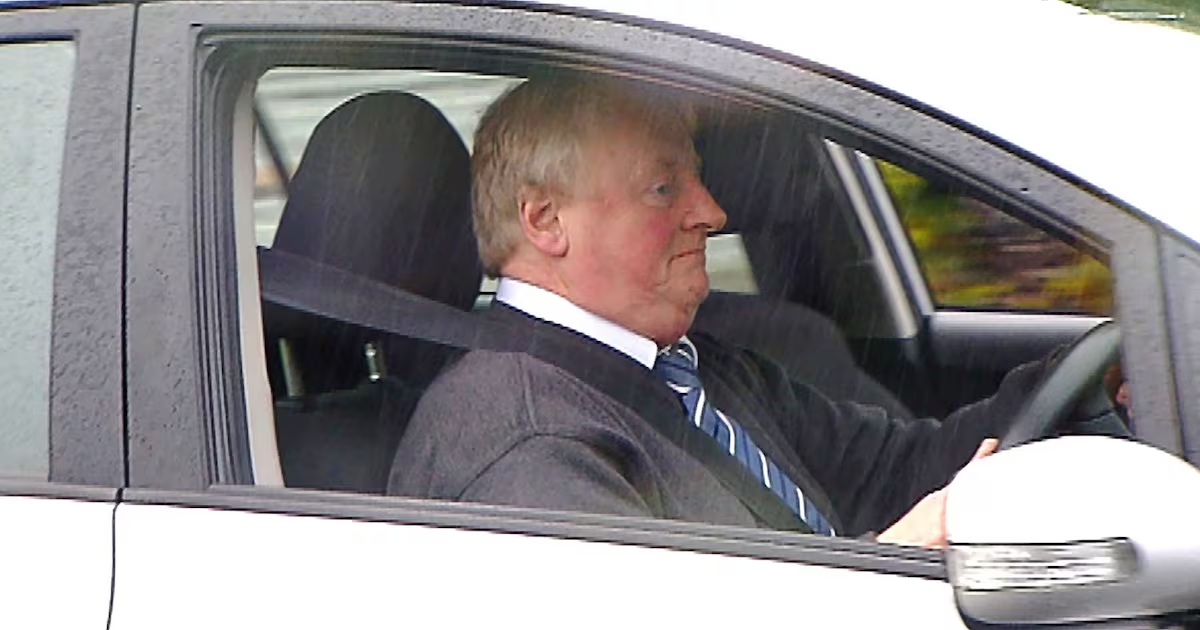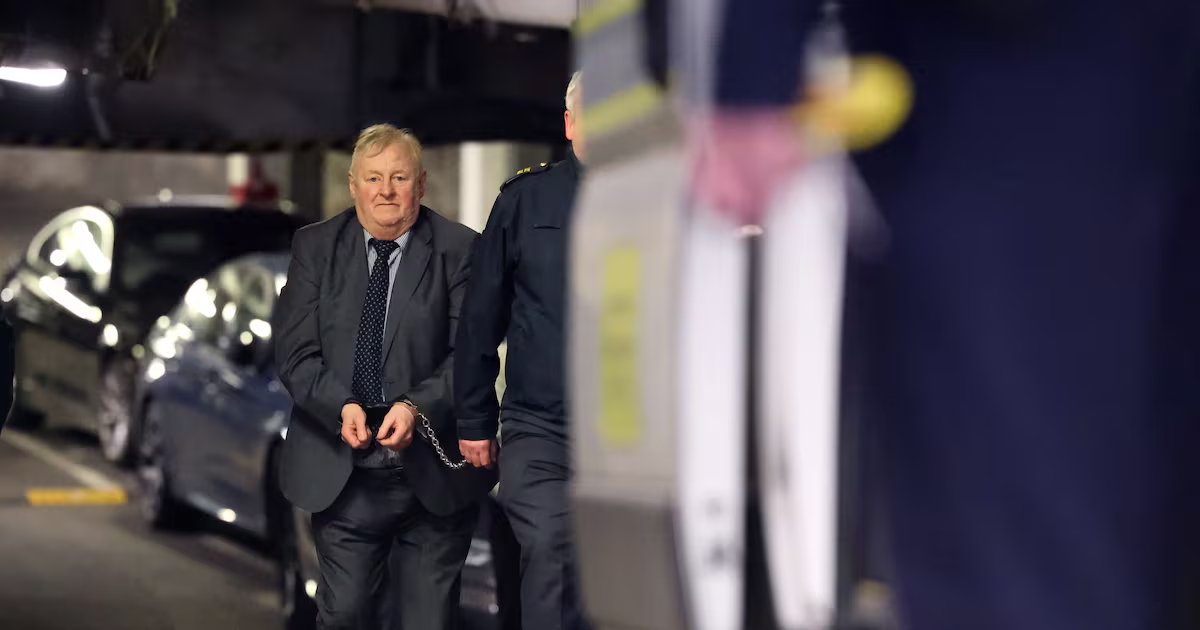
The report of the Commission of Investigation published yesterday into Bill Kenneally’s decades of child sexual abuse in Waterford makes for grim reading. It lays bare a litany of institutional failure stretching back to the 1980s that allowed a predatory abuser to continue his crimes long after State agencies had information that should have stopped him.The commission, chaired by retired High Court judge Michael White, is unsparing in its criticism of named individuals. Senior gardaí who learned in 1987 that Kenneally had assaulted a teenage boy conducted a rushed, unprofessional investigation. Rather than arresting him, a senior garda contacted Kenneally’s uncle, a former TD, and arranged psychiatric referral through another uncle, a senior cleric. Meanwhile, a detailed medical report prepared by a paediatrician who had examined two of Kenneally’s victims was never acted upon and lay undiscovered until 2017.Kenneally’s prominence within a well-known Waterford political dynasty inevitably gave rise to suspicions of improper influence. White found serious and consequential dereliction of duty but not conspiracy.The report praises the quality of the eventual Garda investigation from 2012 onwards, suggesting that reforms in police practice in the intervening years were real and effective. The same cannot be said for the health and social care systems. The failure to act on a clear child protection report and the breakdown in communication between professionals bear a troubling resemblance to more recent scandals.Kenneally is currently serving an 18-year sentence for the abuse of 15 boys, crimes White describes as cruel and exploitative. They caused lifelong damage to the victims and their families. That it took until 2012 for him to face a proper investigation is a failure those victims were right to pursue, and right to demand be examined. The judge’s recommendation that the Law Reform Commission dhould assess the merits of a new offence of serious dereliction of duty by a public official deserves consideration.
The Irish Times view on the Kenneally report: laying bare a gross dereliction
Abuser’s crimes caused lifelong damage to the victims and their families
311 words~1 min read