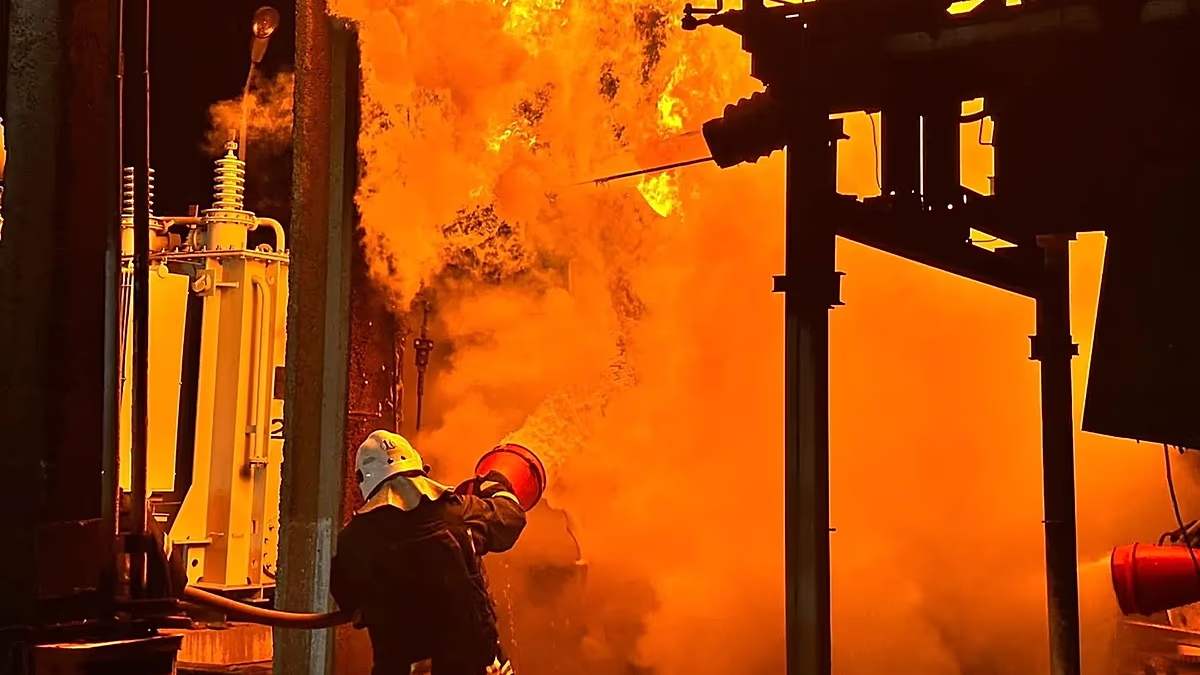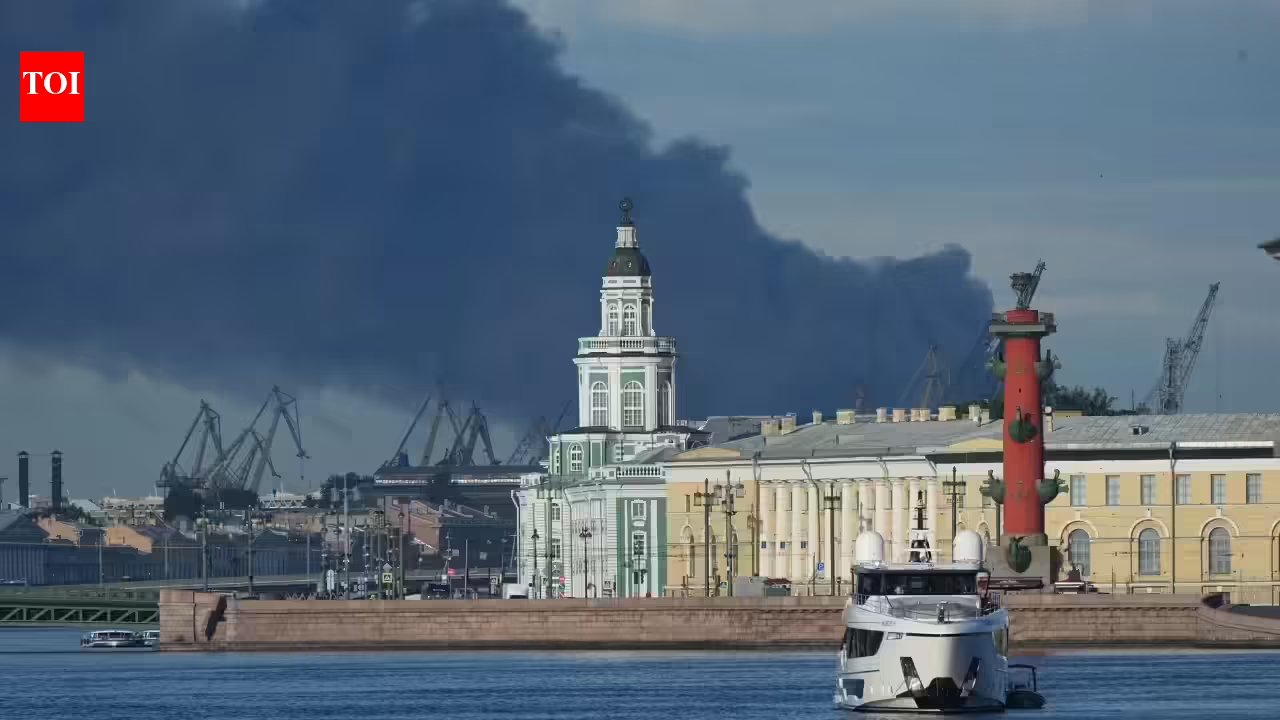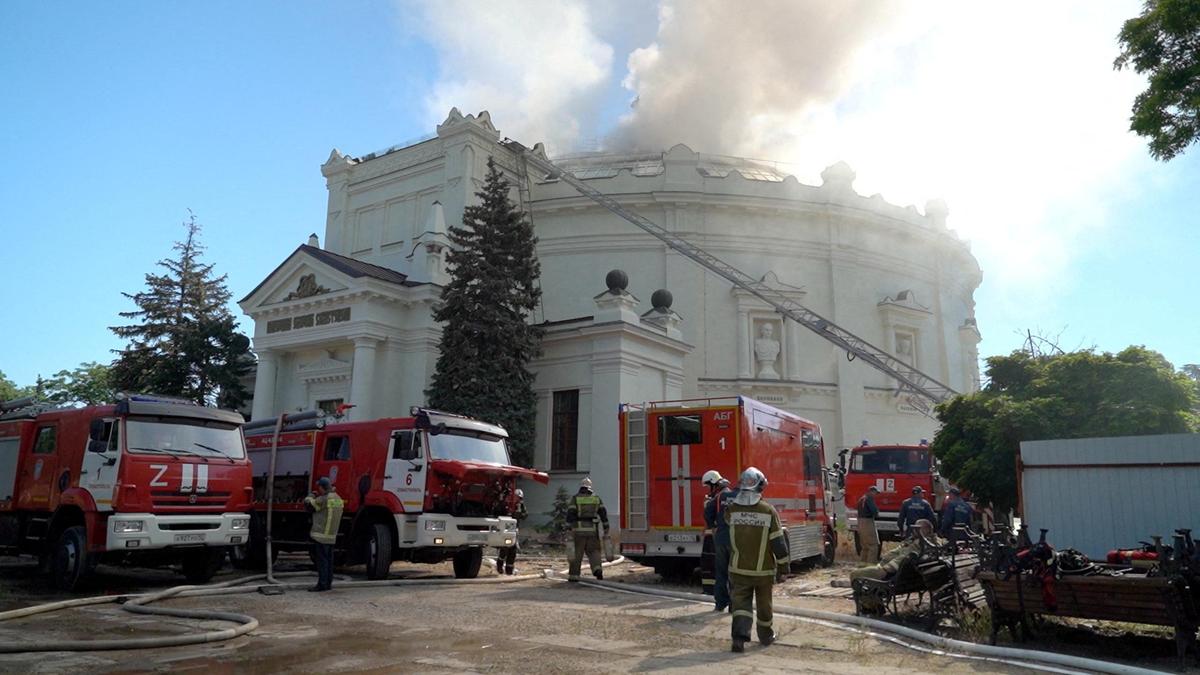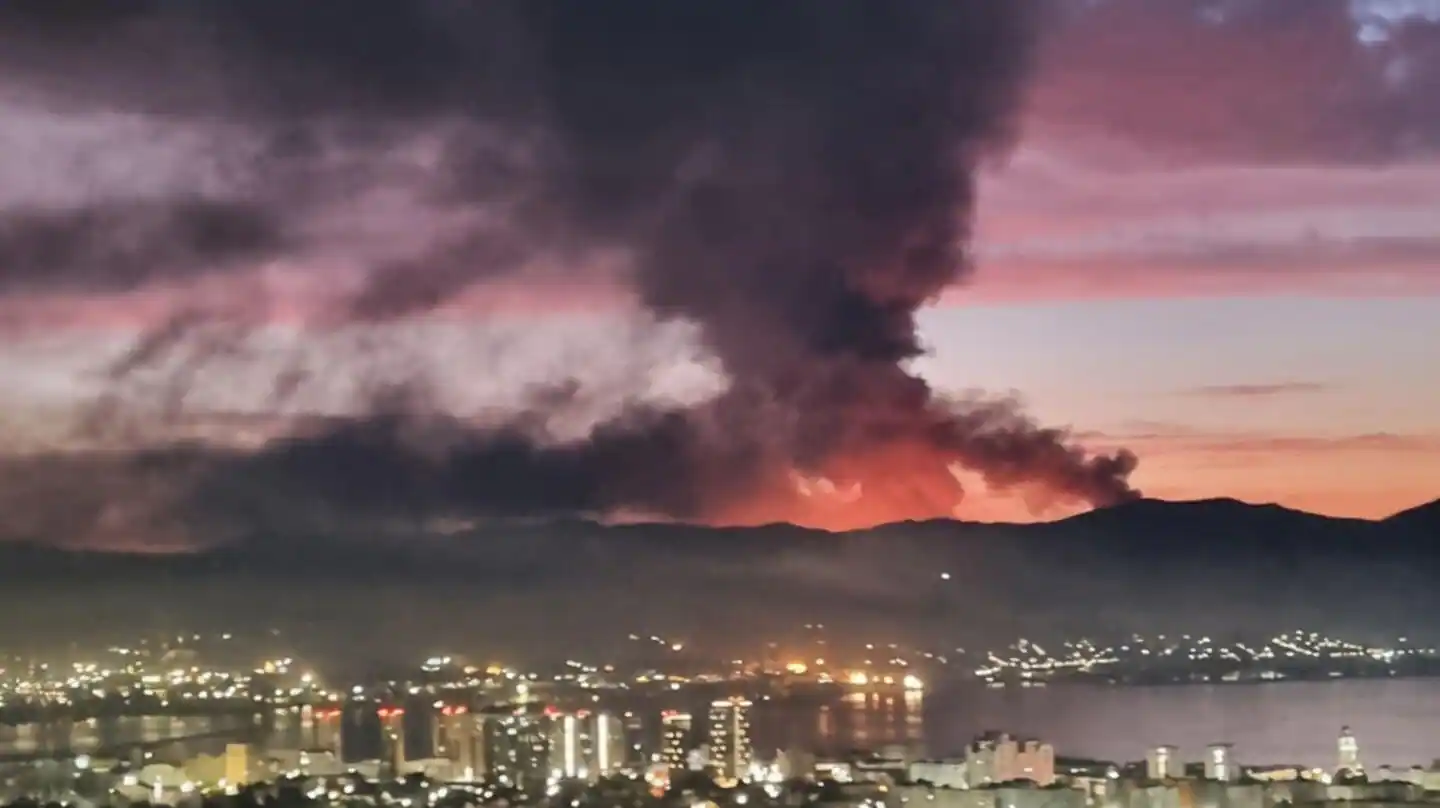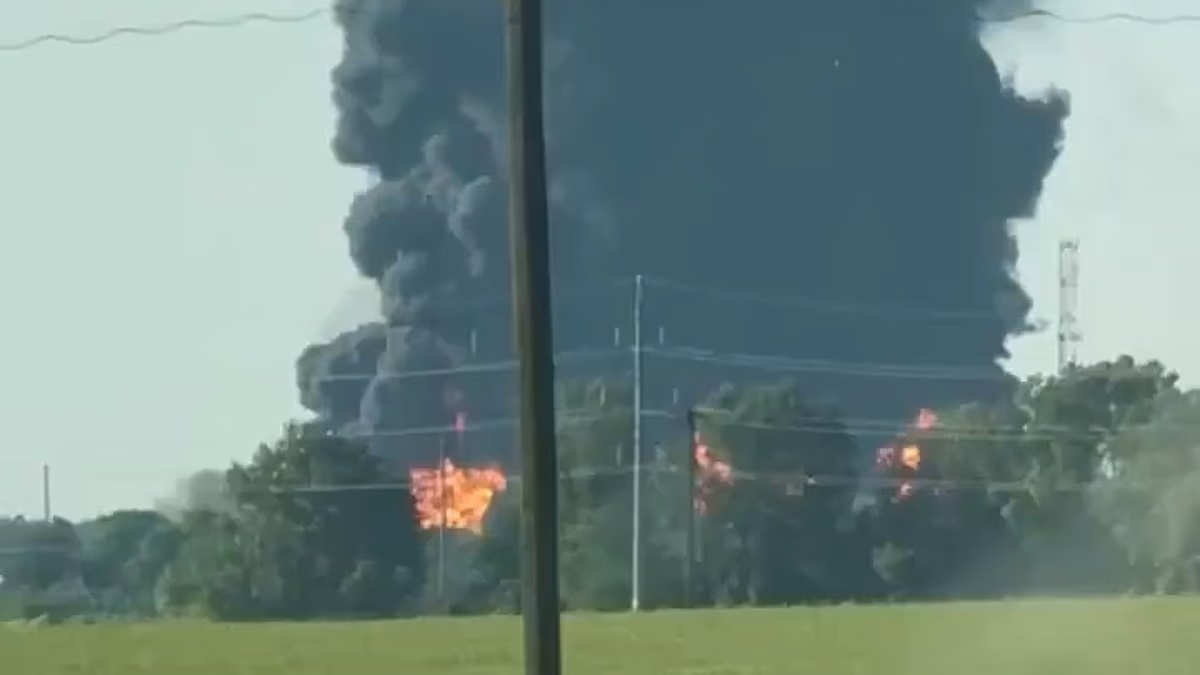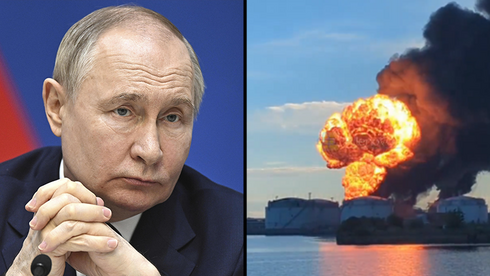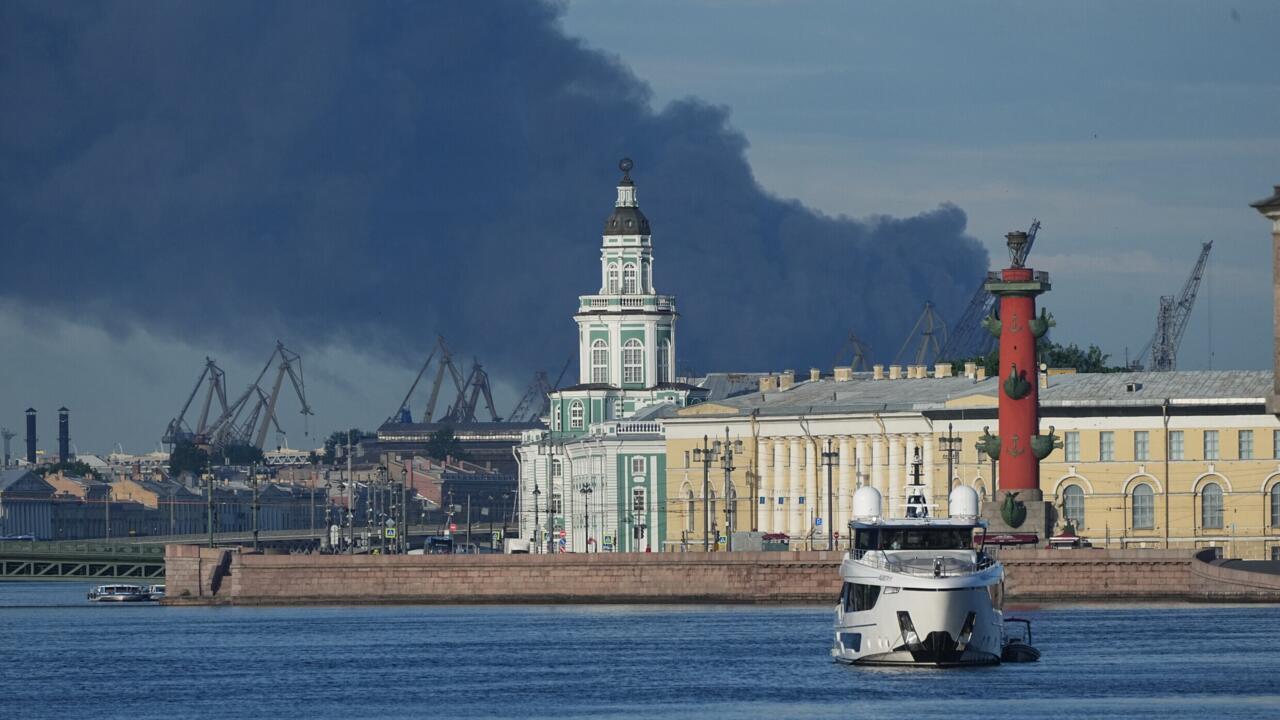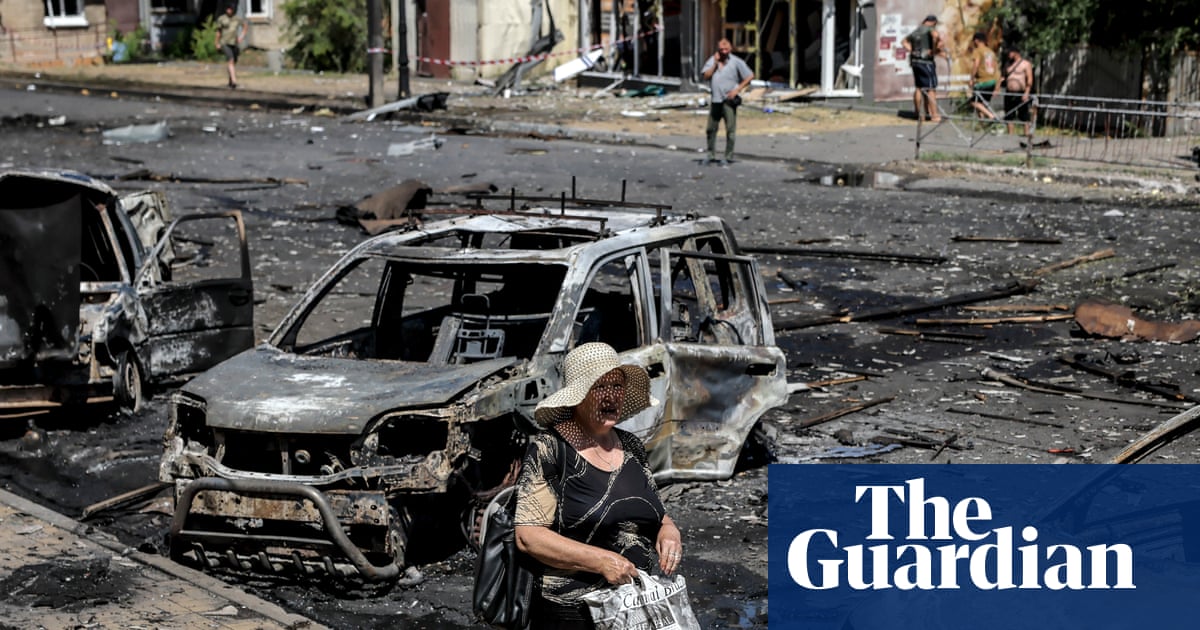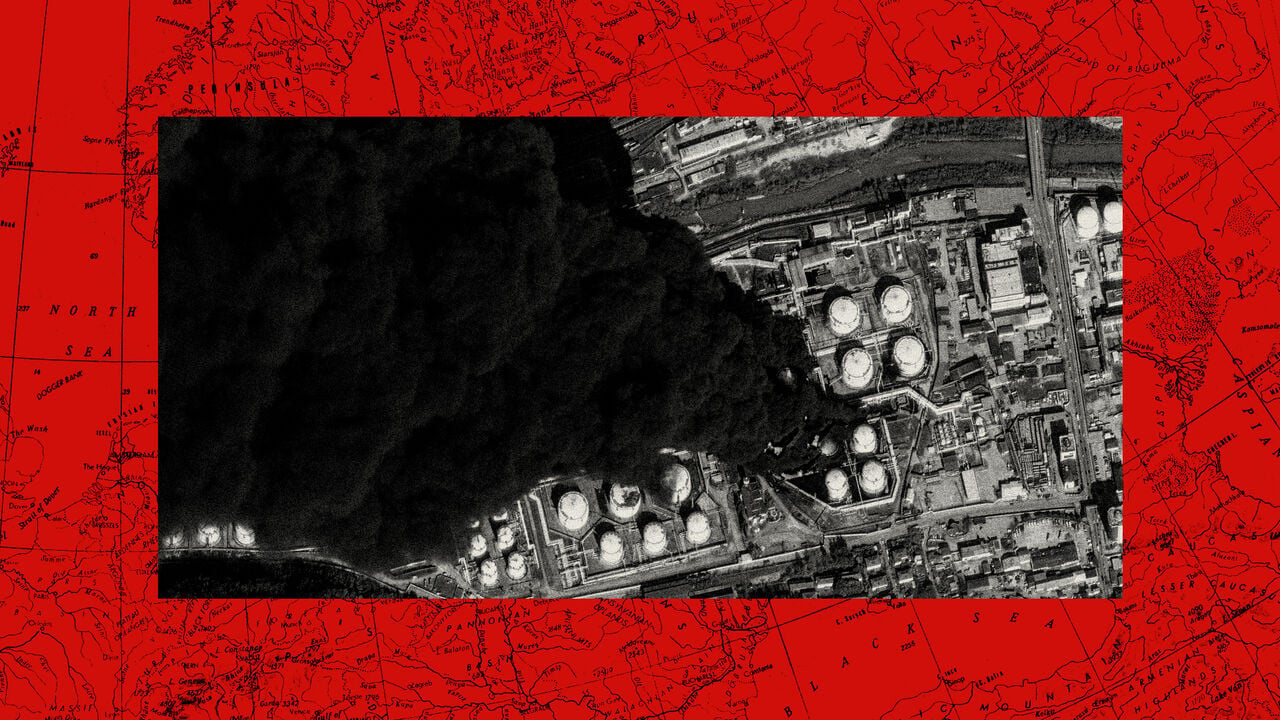
Your browser does not support this video. A thick plume of black smoke rose above the port of St Petersburg on June 3rd. Three days later, Ukraine struck again, blowing up a nearby oil depot and naval base. The regional governor said it was an “unprecedented” attack. The strikes on St Petersburg were also remarkable for their reach: the city lies some 800km from Russia’s border with Ukraine. Our data analysis shows Ukrainian deep strikes like these have more than doubled in the past year. An earlier strike on Tuapse, a major Russian oil-export hub, fit the same pattern. First the marine terminal went up in flames. Then a second hit caused an oil spill. Ukraine struck twice more, including the main refinery. Tuapse has been a favoured target going back to 2023. It is Russia’s largest oil refinery on the Black Sea. Number of strikesBut as Ukraine has grown in capability and confidence, it has struck even farther afield. St Petersburg is now a frequent target. 9th June 2026 For more than three years, Ukrainian forces have been on the back foot. These far-flung attacks, alongside territorial gains, are a tantalising sign of change. Dramatic images are helpful. They bring the war closer to ordinary Russians far from the front lines. They demonstrate that Russia is not invincible. But they cannot fully capture how destructive a strike has been, so we have attempted to find out. Our data analysis suggests Ukraine’s deep strikes have been more extensive, and more damaging to Russia’s economy and military production, than commonly assumed. They continue to grow in intensity. We looked at data on 1,289 Ukrainian strikes from the Armed Conflict Location and Event Data project (ACLED), a monitoring group, on targets that were at least 100km from its borders. From 2022 to the end of 2024, 335 strikes fit this definition. In 2025 Ukraine completed 658 such strikes—almost twice as many in a single year as the previous three combined. This year, at the current pace, Ukraine is on track to execute over 800 deep strikes.Ukrainian deep strikes in Russia, by target Refinery and oil facilities Ports Other The coverage of Ukraine’s campaign is expanding, too. We compiled an inventory of 6,351 Russian strategic sites located at least 100km from the border, drawing on open-source intelligence and reports from energy monitors. We found that 2,377 of these sites were within 5km of a deep Ukrainian strike reported by ACLED last year. That compares with just 32 in 2022.Share of strategic sites within 5km of a deep strike, by target, % Rocket & artillery 0 total unique sites Drone production 0 sites Other military-industrial 0 sites Airports & aviation 0 sites Oil & gas 0 sites Electricity & grid 0 sites And reported strikes are almost surely an undercount: as Ukraine’s air campaign has expanded, it has become hard even for monitoring groups to keep track. To estimate how many are being missed, The Economist built a model that uses fires near strategic sites as a way to detect Ukrainian attacks. To do this, it incorporates satellite data from FIRMS, a NASA system that monitors high-temperature events, and high-resolution internet-tracking data from nearby devices collected by the Monash IP Observatory, an Australian research outfit. The model assesses whether a fire near a strategic site has the marks of a Ukrainian attack, by considering factors such as the intensity and pattern of the fire, as well as internet disruption. Over the course of 2025 our model flagged roughly three times as many strikes as ACLED recorded. Most of that gap came from repeat attacks on the same sites: when counting each target only once, the model detected only 44% more strikes than ACLED. This fits Ukraine’s new pattern of attack, striking critical Russian facilities repeatedly. Such a tactic inflicts economic pain in two stages. First, it makes quick repairs harder: no sooner had the initial fires been put out in Tuapse than Ukraine had struck again, causing the oil spill. Repairs are costly, diverting funds that would otherwise flow to the military and civilian economy. Russian central-bank data shows that, since the first quarter of 2024, bank lending to oil companies for refinery operations has grown by $22bn. That is an annualised growth rate of 26%, says Craig Kennedy of Harvard University, compared with an average of 12% for the rest of the civilian economy. Second, when Ukraine targets refineries it increasingly strikes the most sophisticated parts, so-called “secondary” units that turn basic fuel into high-value ones like gasoline and diesel. Far from all of Ukraine’s deep strikes are successful. Most are carried out by drones loaded with small explosives. The easiest targets to blow up in one go—large and highly flammable ones—have become harder to hit: Russian forces have become much better at moving and hiding their ammunition stores, for instance. But ports, oil depots and refineries cannot be concealed, and with these Ukraine has turned smaller firepower to its advantage. Tuapse refinery on April 21st (top). St Petersburg oil terminal on June 3rd (bottom). Images: Planet Labs This spring Russian oil production was 15% lower than the year before, despite high prices. The government has put limits on exports of gasoline and jet fuel to avoid shortages and keep prices down. If the strikes continue to disrupt refinery operations, Russia may have to cut oil production later this year because it will not be able to process or sell all the crude it produces, says Janiv Shah of Rystad Energy, a data firm. The aggregate impact is, however, hard to assess. From January to April, Russia’s fossil-fuel export revenues were 4.6% lower than the year before, according to estimates by the Centre for Research on Energy and Clean Air, a think-tank in Finland. That may be an understatement, since it does not account for the fact that higher prices would normally stimulate production. Our model aims to estimate the true shortfall by assessing the historical relationship between Russian fossil-fuel export revenues and the price of Brent crude. The results suggest that, since June 2025, Russia has been earning less from fossil fuels than current Brent prices would predict—and that the shortfall has been widening. Between June and December 2025, the country’s fossil-fuel export revenues were $18bn, or 12% lower than would normally be expected. In the first four months of 2026, they were 34% lower.Russia, fossil fuel revenue, weekly, $bn Actual revenue Model expectation* A simple correlation model can only explain so much. Other factors will have contributed to this hefty gap, including a strong ruble, which offsets gains from higher oil prices, and tightening Western sanctions, which make exporting harder and force Russia to sell at a discount. Nonetheless, it is clear that strikes on ports and refineries are depriving Russia of billions of dollars in revenue. Can Ukraine keep up the tempo? Faster, larger and more accurate weapons would hit harder, and help extend its reach. Ukraine is working on those. Its new Flamingo cruise missile has a reported range of 3,000km, and its ballistic missiles may soon enter serial production. In the meantime, small but relentless attacks will continue to disperse Russia’s aircraft, frustrate repairs and force it to defend places that once were safely out of reach.■
Ukrainian strikes are inflicting pain deep inside Russia
Our modelling suggests they are doing even more damage than commonly assumed
1,209 words~5 min read