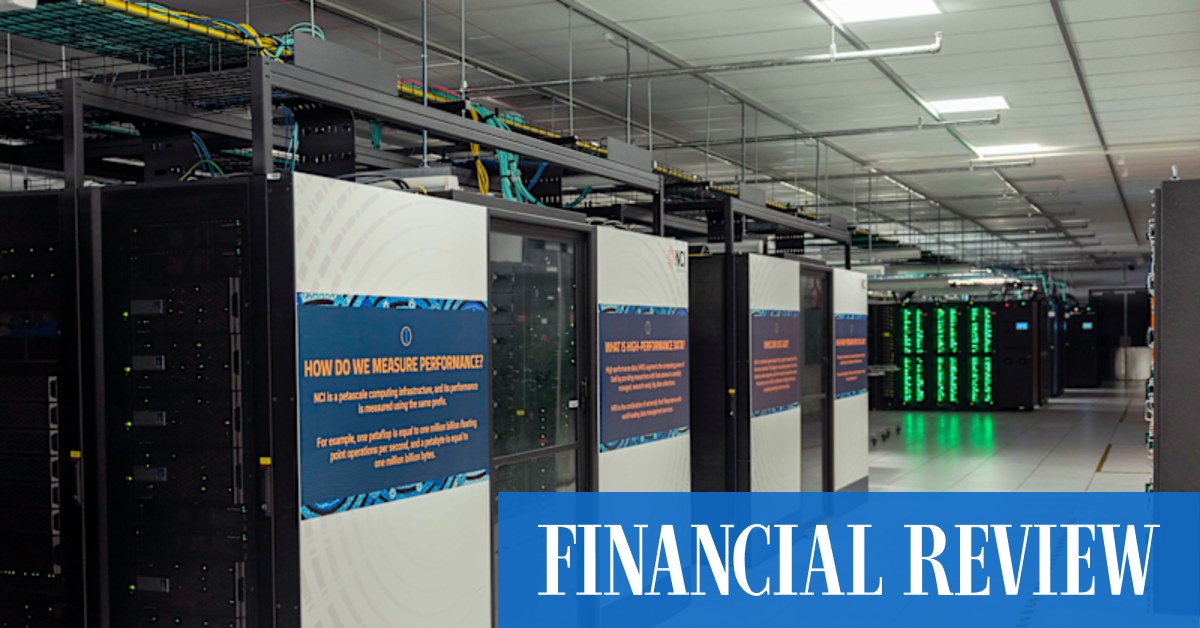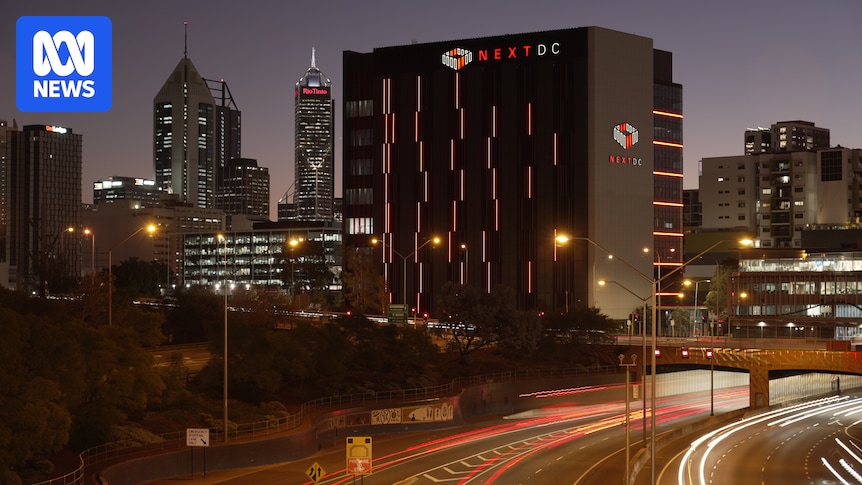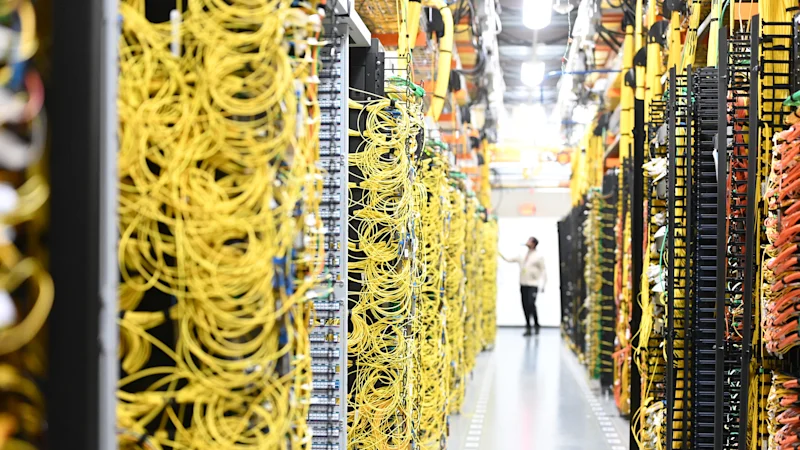
June 10, 2026 — 4:30amAustralia’s data centre boom will fail to create jobs and productivity if the nation keeps underfunding research and development, Australia’s top scientific body has warned.As the nation grapples with how to extract economic opportunities from AI investment, which is rivalling the 2012-13 mining boom, 640 of Australia’s top researchers have united to fight for more funding as the Albanese government faces criticism for cutting hundreds of CSIRO jobs.Australia is among the top 10 countries in the world for number of data centres. Noah BergerThe researchers launched a lobbying campaign by writing to MPs to encourage more research spending to stop the nation’s backward slide. Australia spends just 1.69 per cent of GDP on science compared to an average of 2.7 per cent in the OECD, a group of the world’s richest nations.Government ministers are locked in talks with foreign-owned AI “hyperscalers” to plough investment into local data centres, the physical engine rooms that power AI. In the past year, firms have pumped almost $300 billion into data centres in NSW and Victoria, compared with $250 billion in Queensland and Western Australia during the 2012-13 mining boom.But Hayley Teasdale, the academy’s head of science, echoed concerns of Labor’s Assistant Minister for Science Andrew Charlton, who has been warning that Australia will not reap the benefits from the AI revolution if it does not build local capacity to create Australian-owned AI products.“We’re in the midst of the biggest technological revolution the world has ever seen, and that is happening through AI – and if we invest in homegrown capability, we can bolster our economy through productivity and jobs,” Teasdale said.“The risk we have is we are not investing in AI capabilities, and we’re not getting enough out of the opportunities that exist for data centres in Australia. While these [data centres] will be built no matter what, our biggest concern is they will not be using Australian talent, skills and science.“The best solution is for governments is to ensure these companies building data centres are investing in local [research and development], because it will make the centres more sustainable over time and build our local AI capability.”The CSIRO is expected to persist with slashing up to 350 positions despite an extra $387.4 million in funding announced by the federal government last month.The demand for more research funding clashes with the need to keep boosting investment in defence, health and aged care, the NDIS, and interest payments as debt bulges and the population ages.Labor’s budget last month made several changes to the R&D incentive, making it more generous for some firms.Charlton said this week that the real prize was “not simply hosting the infrastructure of the AI age, but using it to build a more productive economy, create better jobs, lift living standards and support a vibrant culture that helps create new Australian businesses.”Australia is home to an estimated 278 data centres, putting it in the top 10 nations in the world.The academy’s Restore Science campaign, which it says is its biggest campaign in 70 years, comes days after former Australian of the Year Richard Scolyer emphasised the need to fund science in an open letter he penned shortly before his death on Sunday.“To all cancer patients, I encourage you to consider enrolling in research and clinical trials, if on offer. And to government and the wider community, please keep funding science and medical research. This is the most impactful way that you, too, can make a difference,” Scolyer wrote.Prime Minister Anthony Albanese said this week that he would make an announcement on health research on Thursday.Academy president Professor Sam Berkovic said Australia should be proud of its success in research and development, but that the country risked being left behind.“From creating Wi-Fi and sunscreen to developing the cochlear implant and the cervical cancer vaccine, Australia is known for its cutting-edge innovation, research and development. However, the reality is that it spends a third of what its global peers do when it comes to backing scientists, researchers and doctors,” he said.Cut through the noise of federal politics with news, views and expert analysis. Subscribers can sign up to our weekly Inside Politics newsletter.From our partners
‘We’ll miss the AI boom’: Nation’s top scientists warn of missed opportunity
As the nation grapples with how to extract economic uplift from AI investment, 640 of Australia’s top researchers have united.
696 words~3 min read