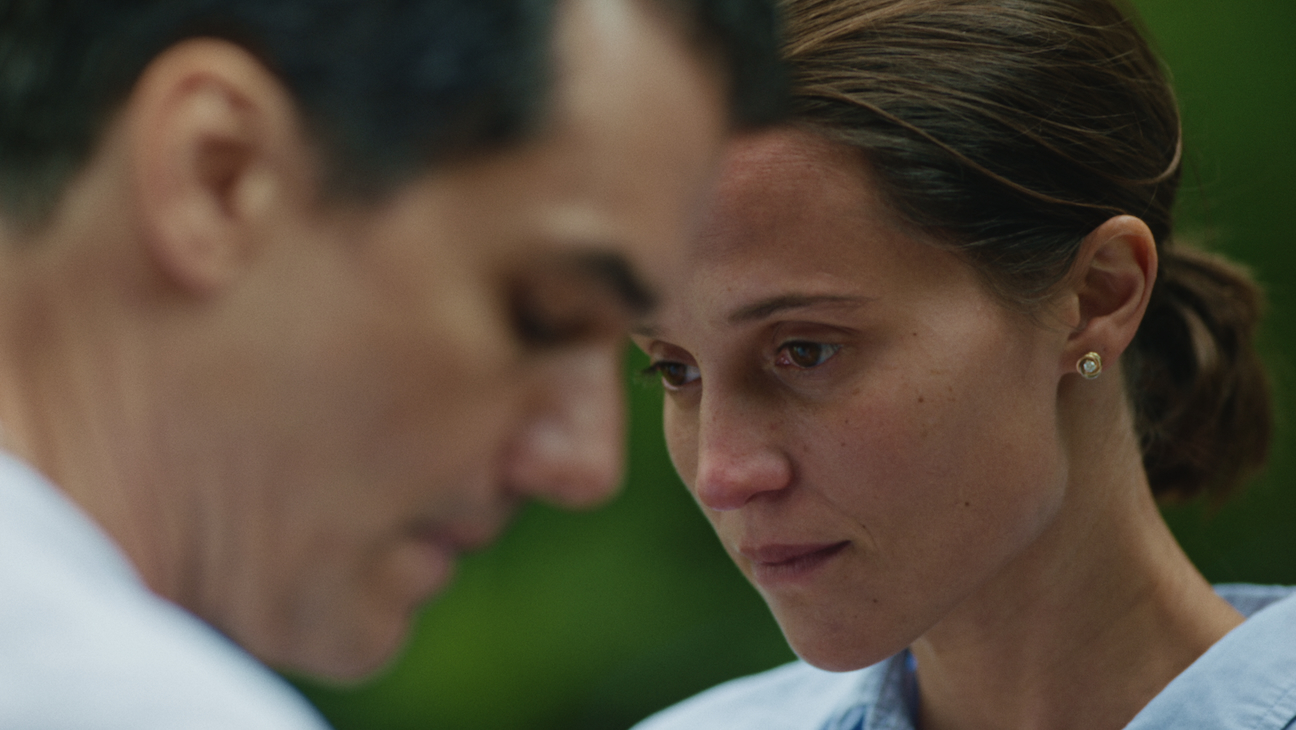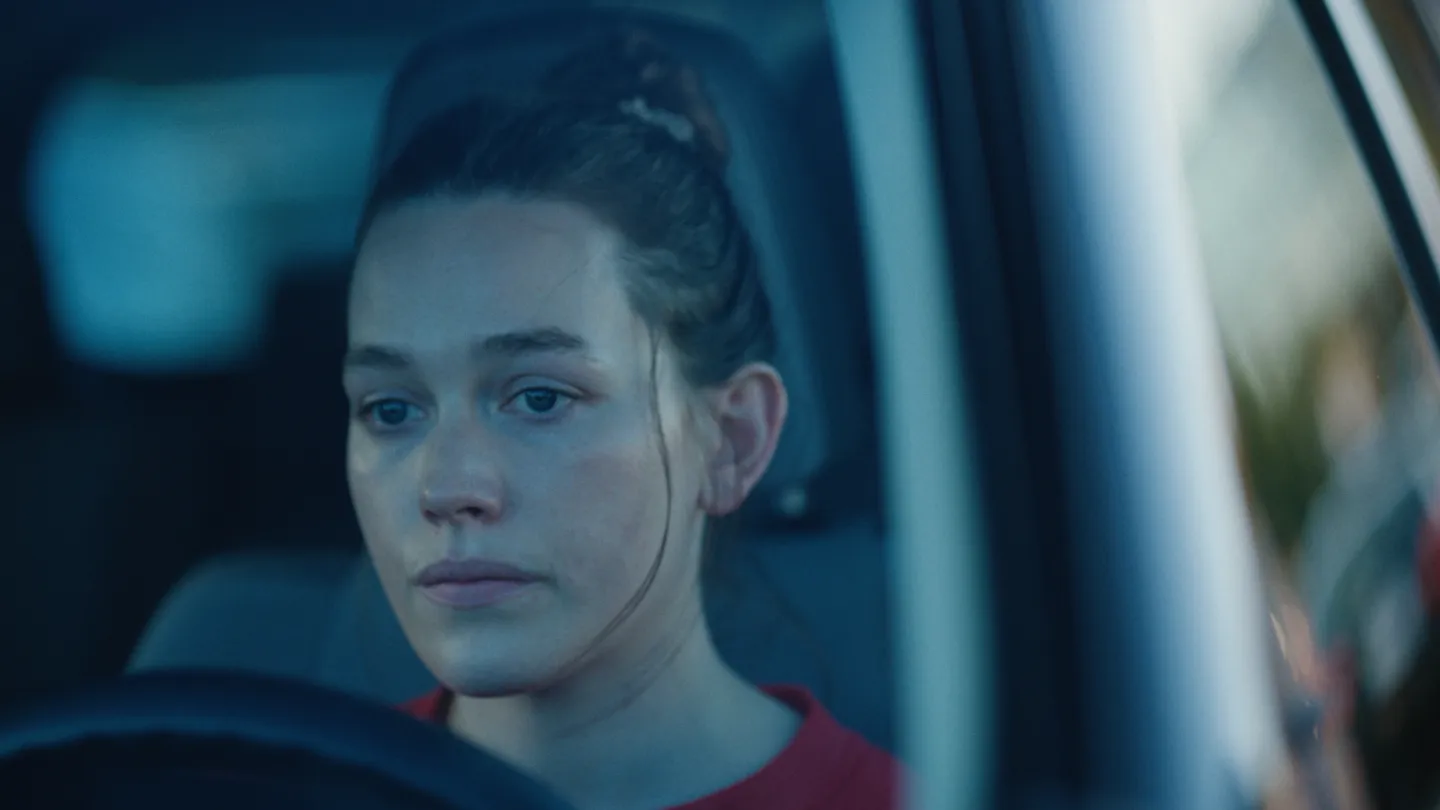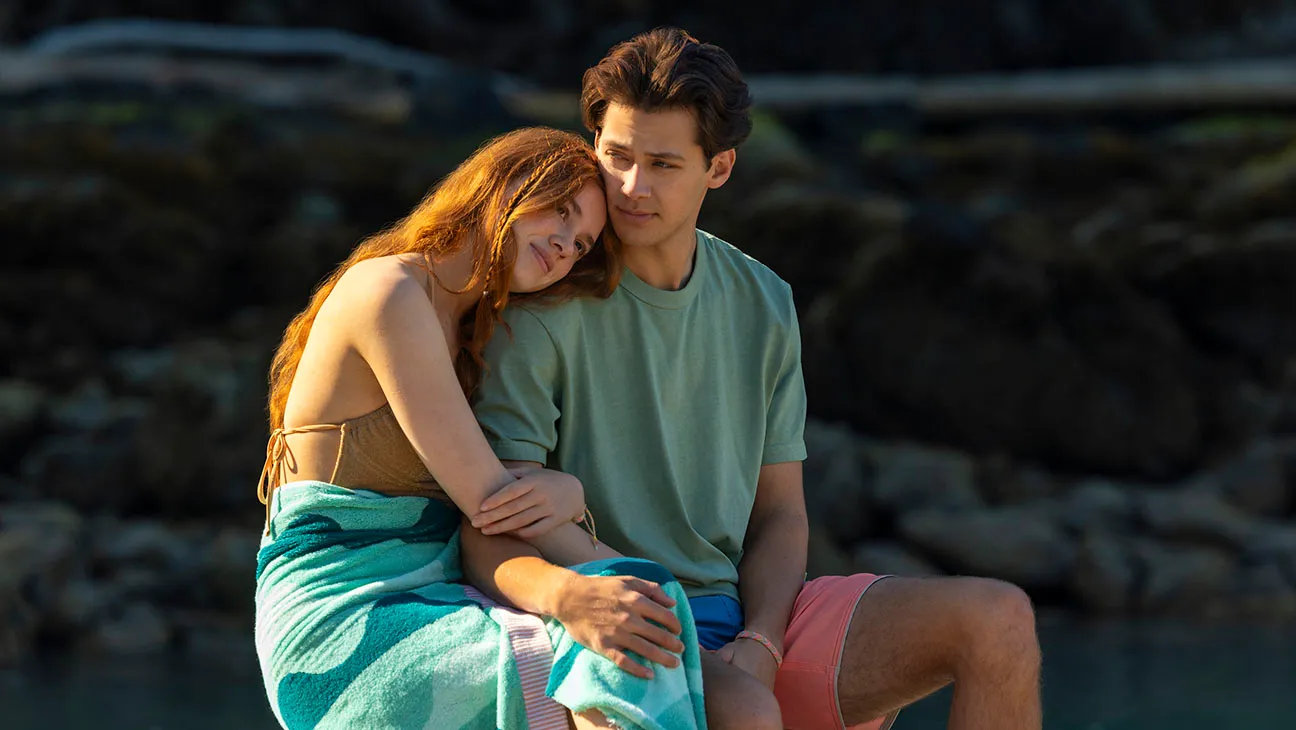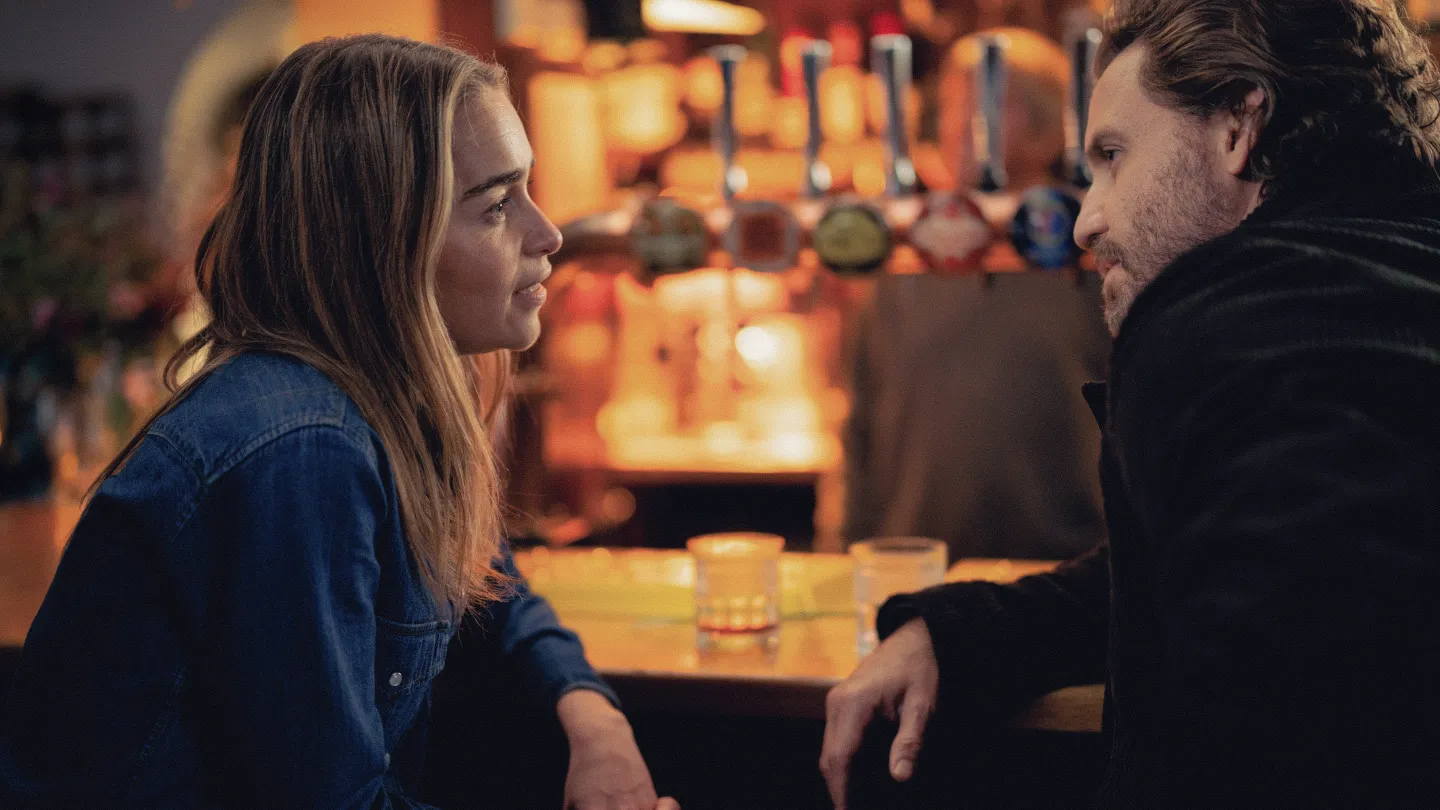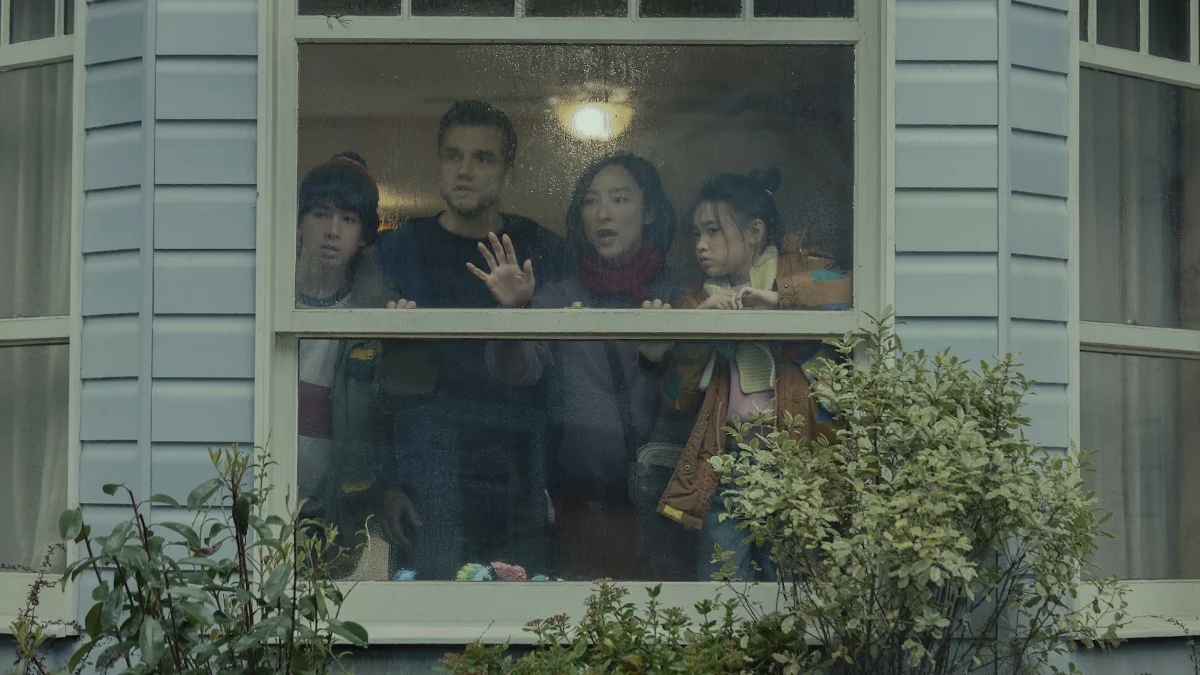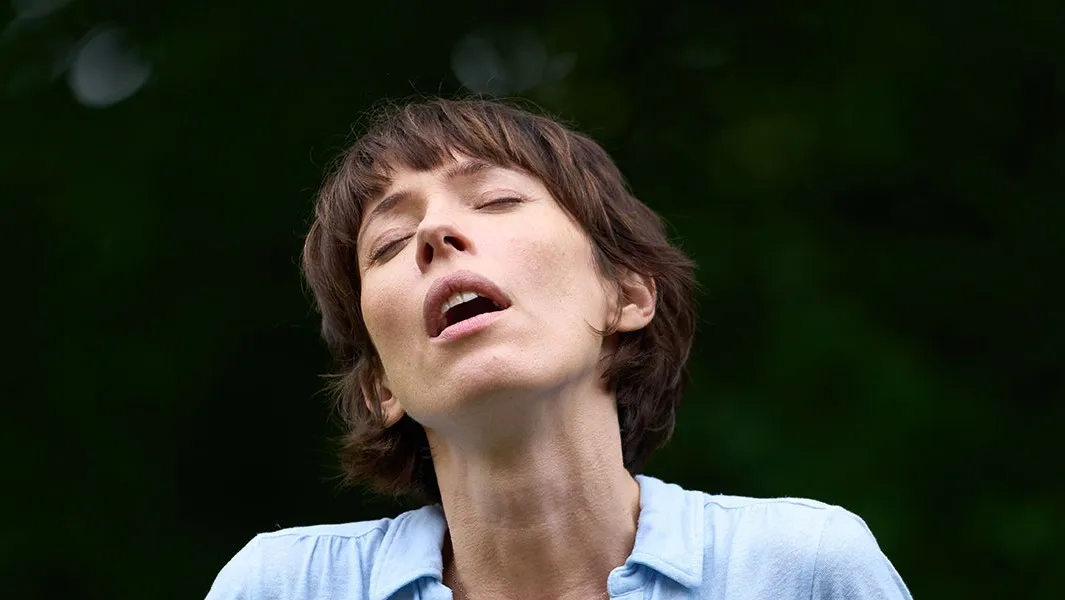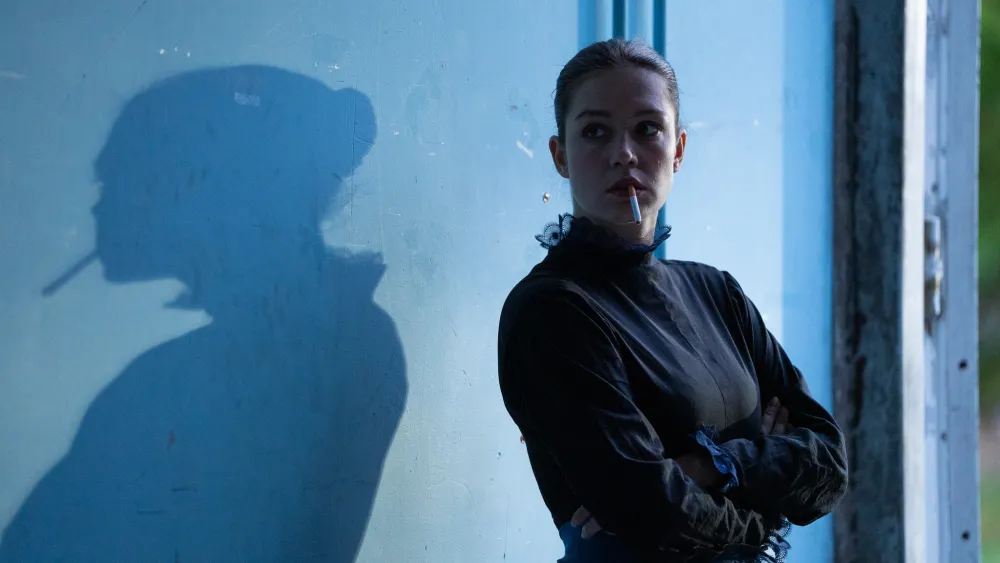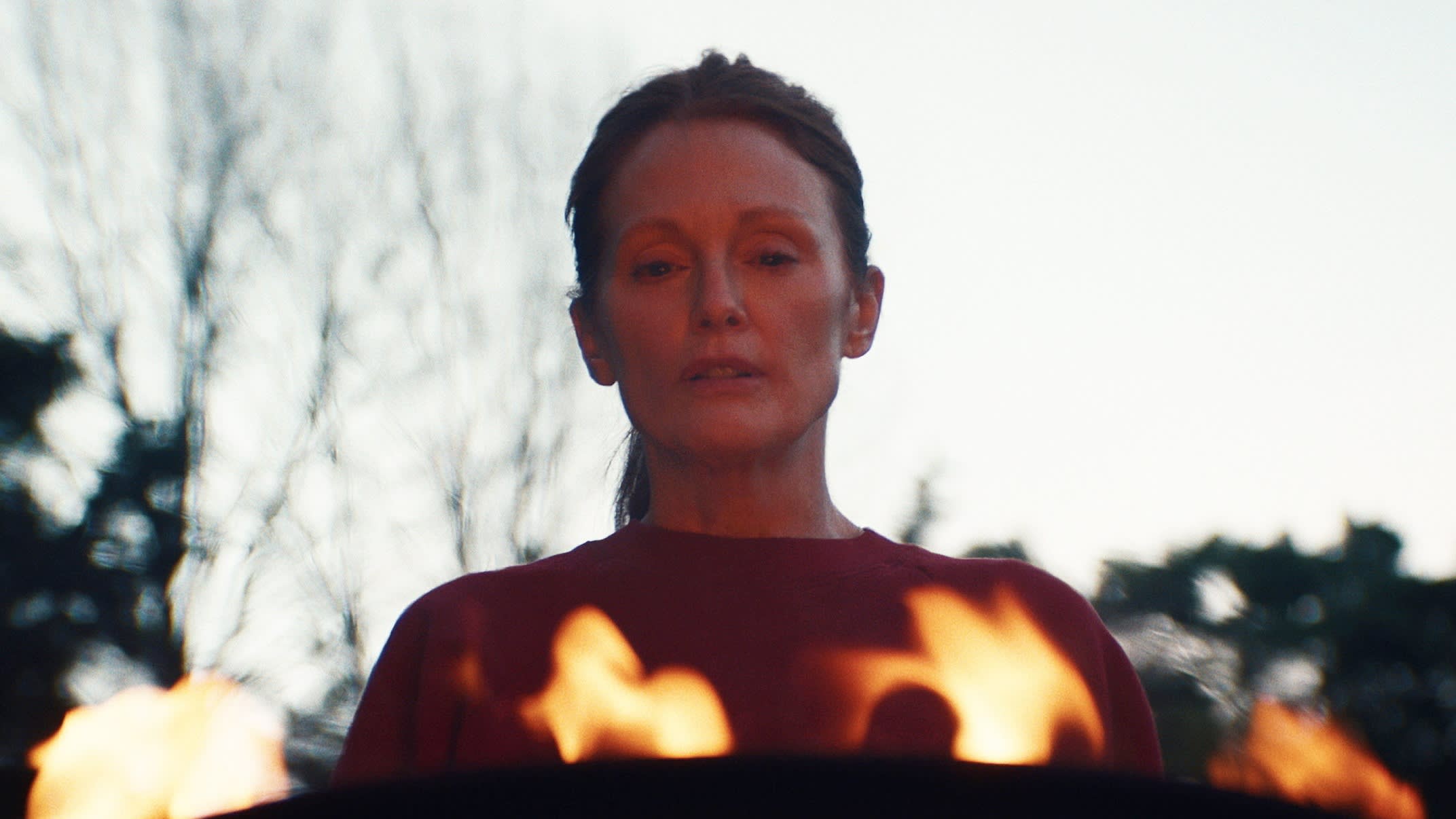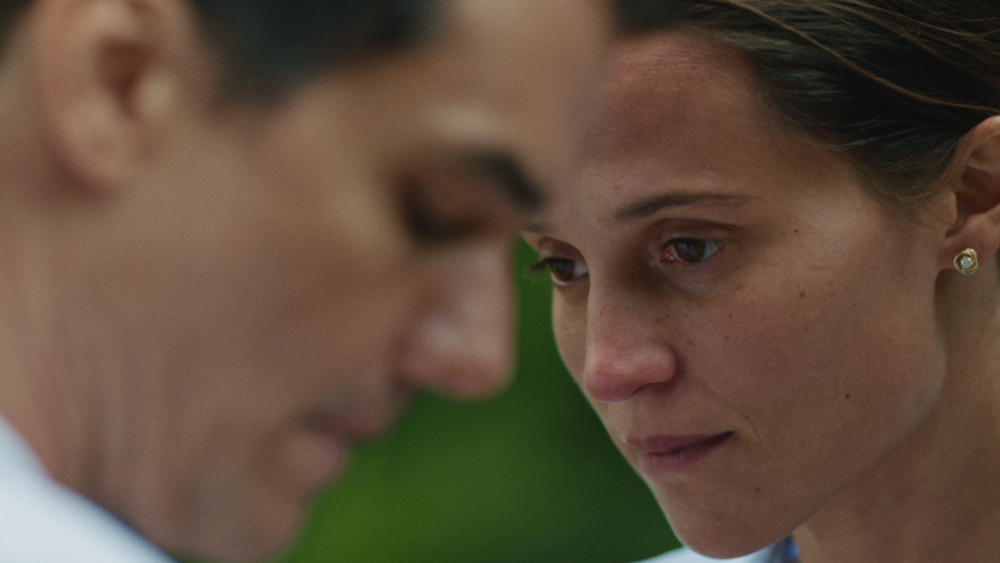
It’s the Fourth of July in “The Last Day,” and the weather is playing ball: the kind of soft, slouchy summer heat made for a leafy garden party. But a chill runs through Rachel Rose‘s elegantly restrained, internalized character study. It crisps the edges of the film’s immaculately lit frames and causing its two principal characters, tautly played by Alicia Vikander and Victoria Pedretti, to stiffen slightly, unable to give themselves over to the day’s balmy mood. Both are mothers, and holiday or not, there’s much to be done: caterers to organize, groceries to buy, pediatrician appointments to keep, meds to take. But Rose’s film isn’t a standard portrait of domestic discontent, grasping instead at something harder and less tangible to articulate: the sense that you’ve slid out of step with your own life.
“The Last Day” is the second adaptation of Virginia Woolf’s “Mrs. Dalloway” to premiere in as many months, though Rose’s riff is even looser than Chuko and Arie Esiri’s excellent, Lagos-set “Clarissa,” which just bowed at Cannes. The films are sufficiently different in concept and narrative direction that their shared source material shouldn’t pose a commercial impediment to either: It’s merely a testament to the philosophical precision and complex feminism of Woolf’s 1925 novel that it has inspired two persuasive contemporary interpretations over a century later. (A third Woolf adaptation, the Haley Bennett-starring “Night and Day,” premiered earlier this month at SXSW London; perhaps a full revival is in swing.) With its polished craft and finely controlled lead performances — with Vikander in one of her strongest vehicles since her Oscar win a decade ago — this Tribeca premiere should secure select arthouse distribution.