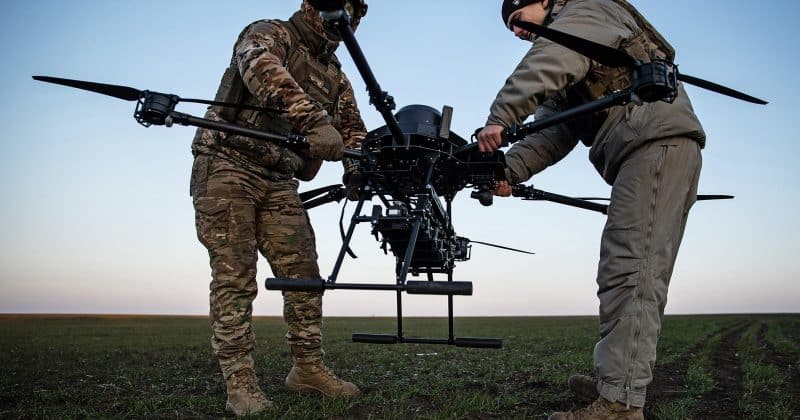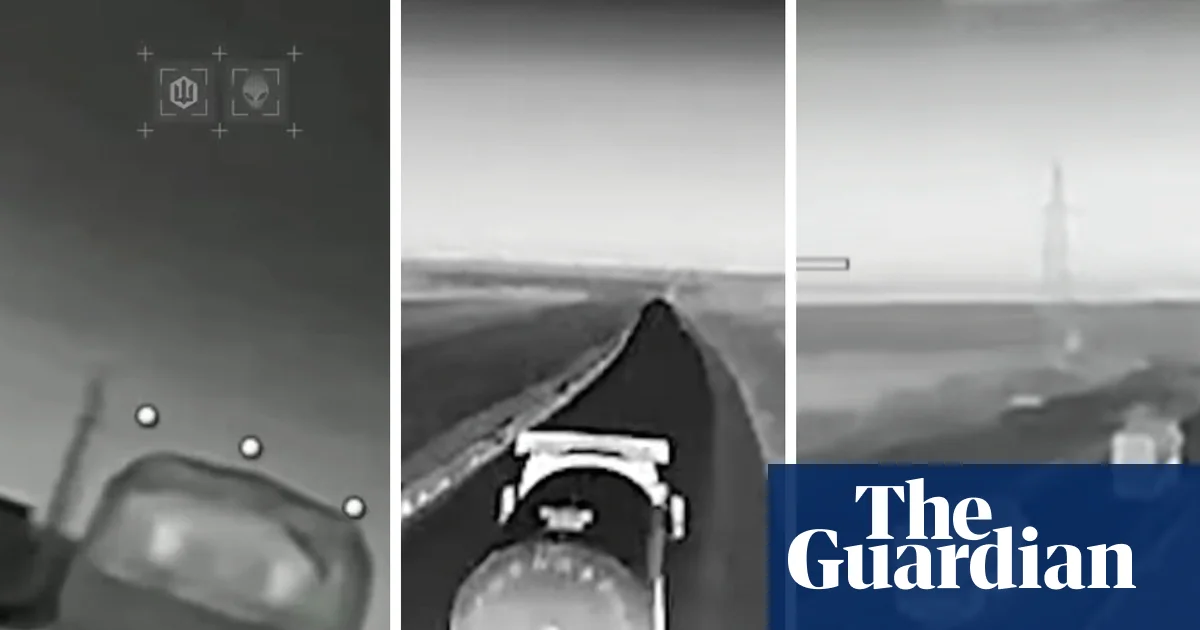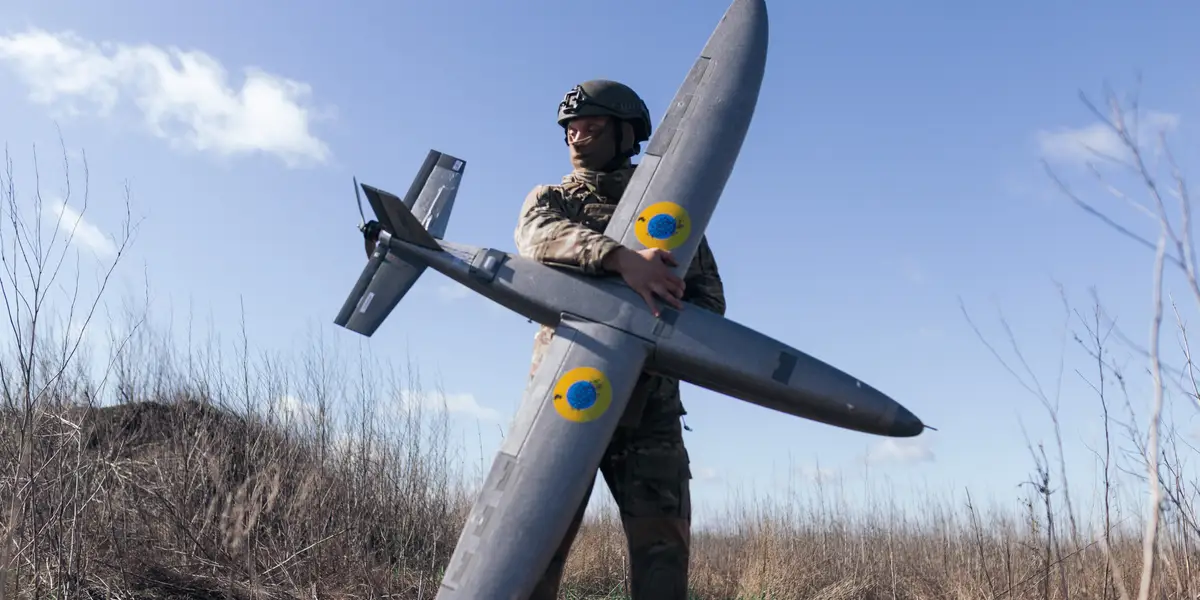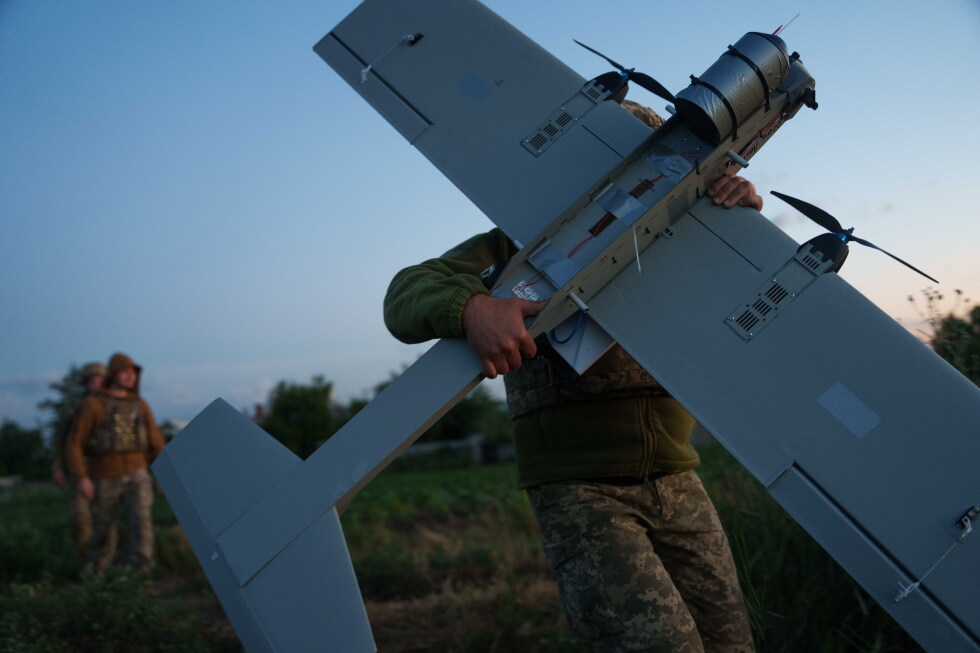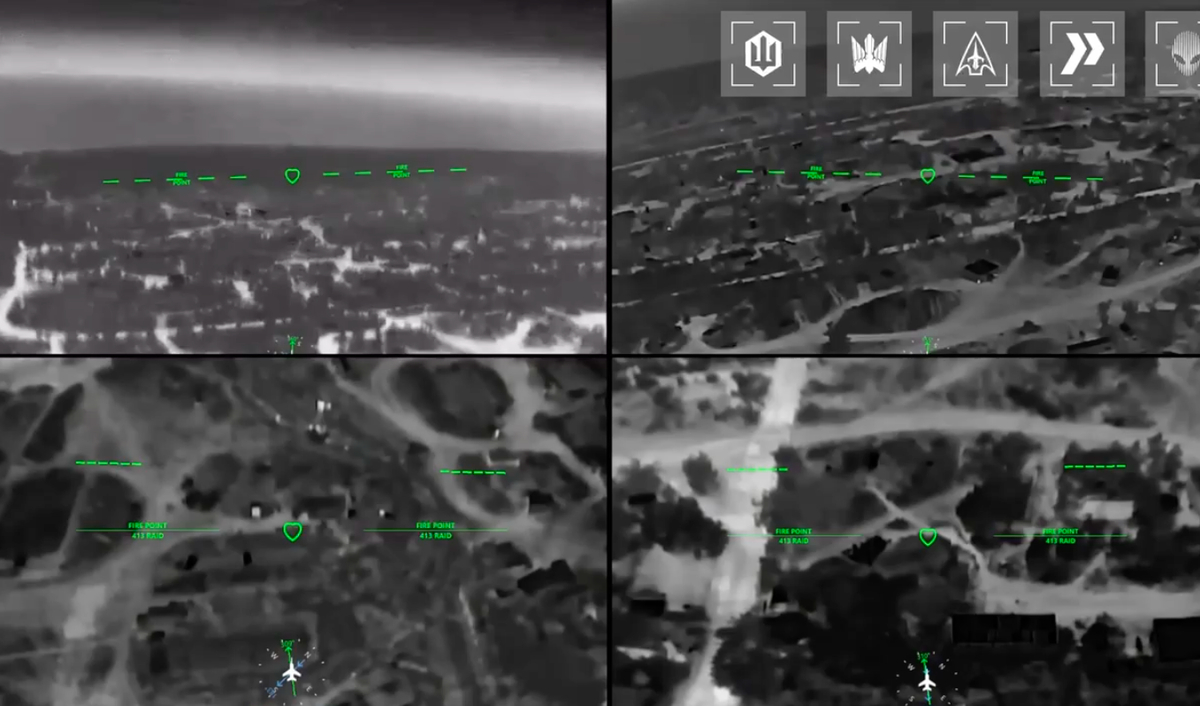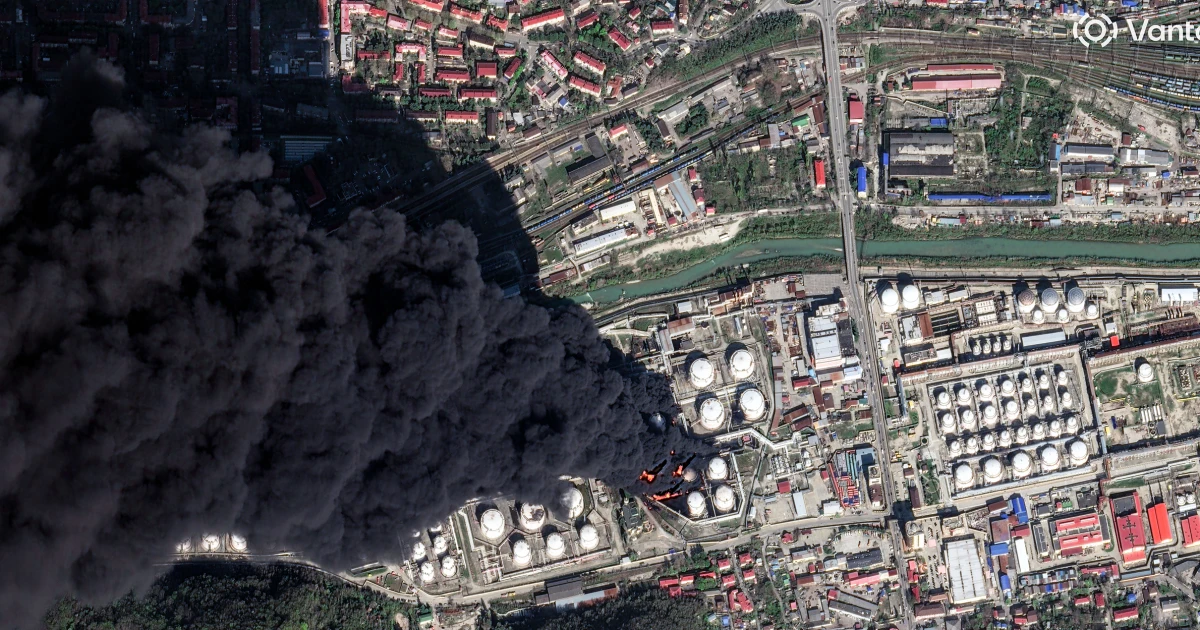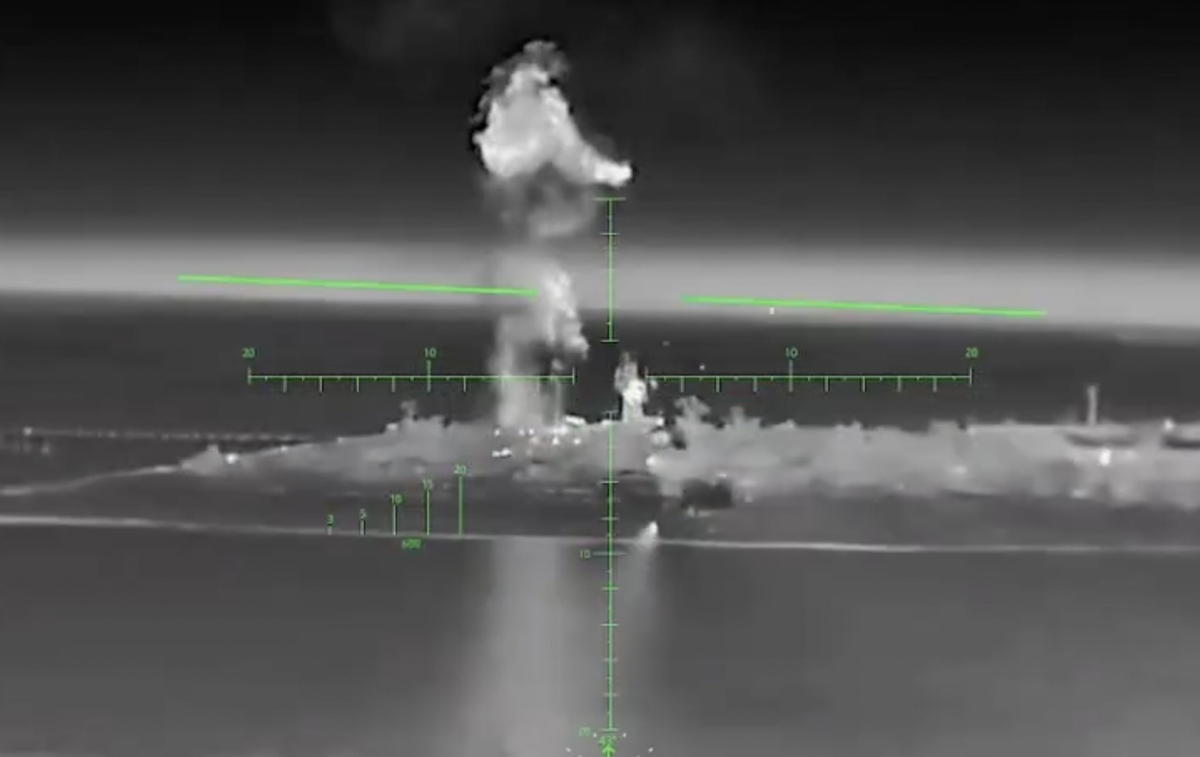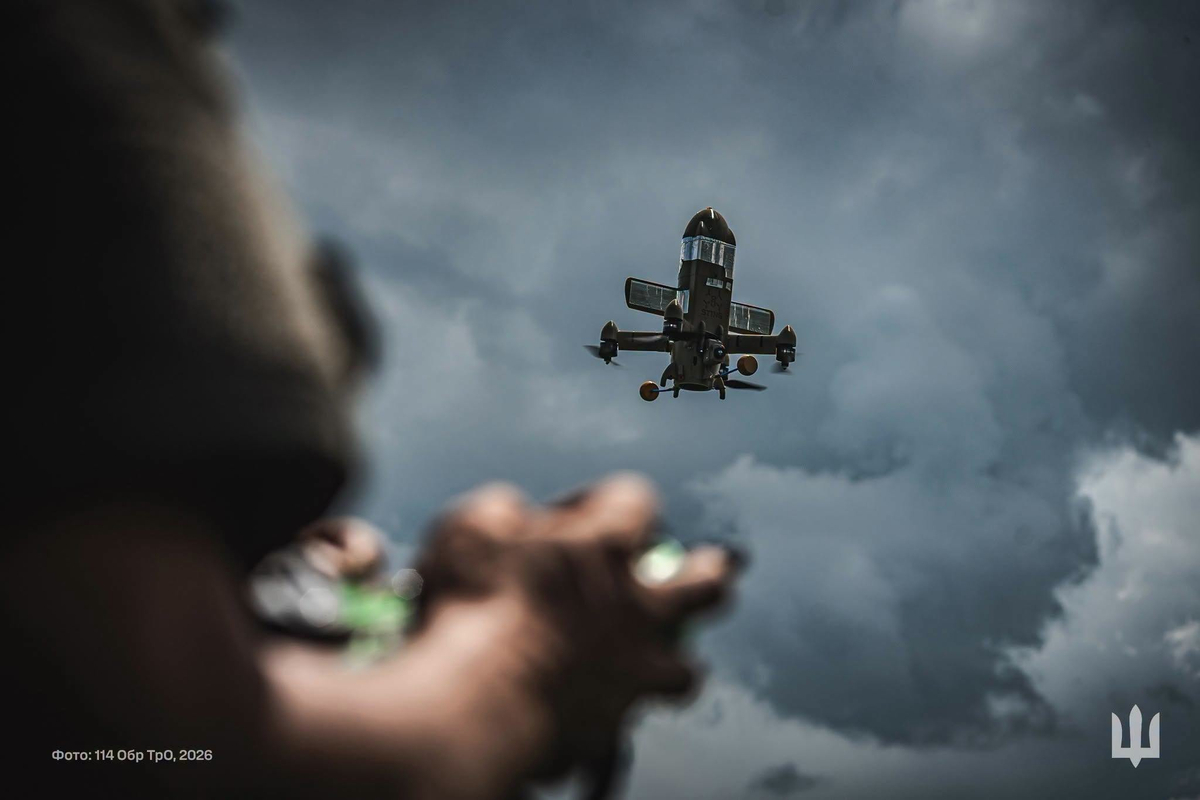
This is the second in a Kyiv Post series on Ukraine’s recently launched operation targeting Russian military logistics at mid-range distances from the front lines, with the declared objective of damaging Russian army units’ capacity to fight effectively by using unmanned aerial vehicles (UAVs) to attack Russian supply routes and logistics. The first article in the series, focusing on the aircraft used by the Armed Forces of Ukraine (AFU) in that ongoing strike campaign, is here.JOIN US ON TELEGRAMFollow our coverage of the war on the @Kyivpost_official. The Ukrainian concept In mid-April, Ukraine’s drone forces command, the SBS (Ukrainian: Сили безпілотних систем), announced that its pilots and ground crews were expanding flight operations to focus on “middle-strike,” or drone combat missions roughly 50-150 kilometers (30-110 miles) behind the front. The announcement chronologically came shortly after the collapse of Russia’s spring offensive in Ukraine, which failed to gain ground (and in some sectors even lost ground) because of unprecedentedly dense Ukrainian tactical drone coverage of positions forward of Ukrainian lines. By mid-May, Russian air defenses and ground units reported a new presence of small numbers of Ukrainian medium-range drones operating in the Sea of Azov region, especially in the Russia-occupied Kherson and Donetsk territories of Ukraine – but attacks were scattered. At the time, most Kremlin outlets identified the main Ukrainian drone threat as Ukrainian long-range drones seeking out Russian oil refineries, swarms attacking defense-related facilities like the Sterlitamak Petrochemical Plant, some 1,500 kilometers (932 miles) deep inside Russia on April 15, or the drone strikes by Ukrainian military intelligence which heavily damaged two Russian Black Sea Fleet landing ships in Sevastopol Bay on April 18-19.
Ukraine’s Mid-Range UAVs Aim for Take Down, Target Power Grid, Highways, Air Defense
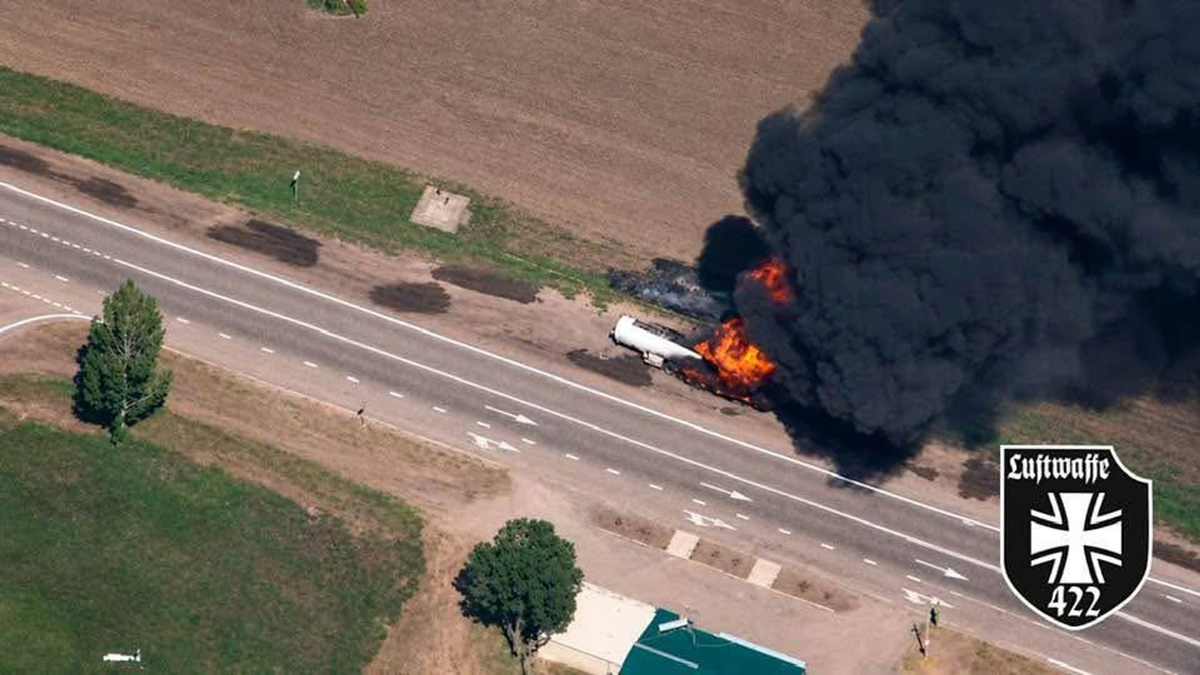
Now is not a good time to drive a tanker truck from Rostov to Crimea.
1,663 words~8 min read