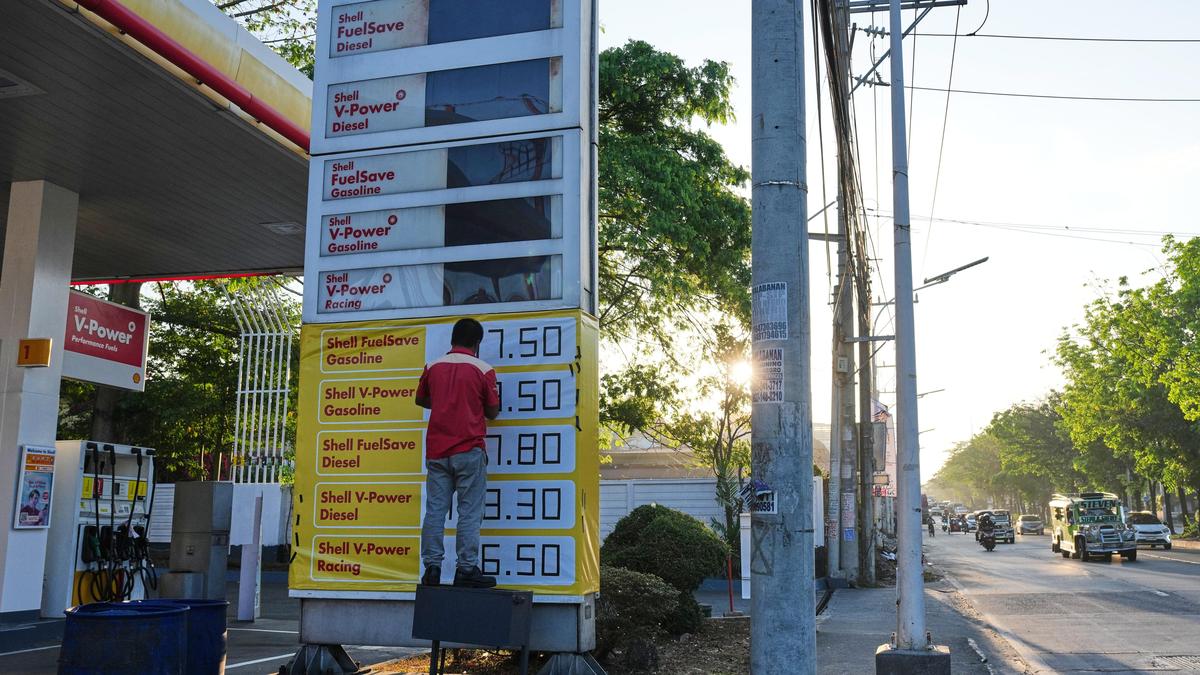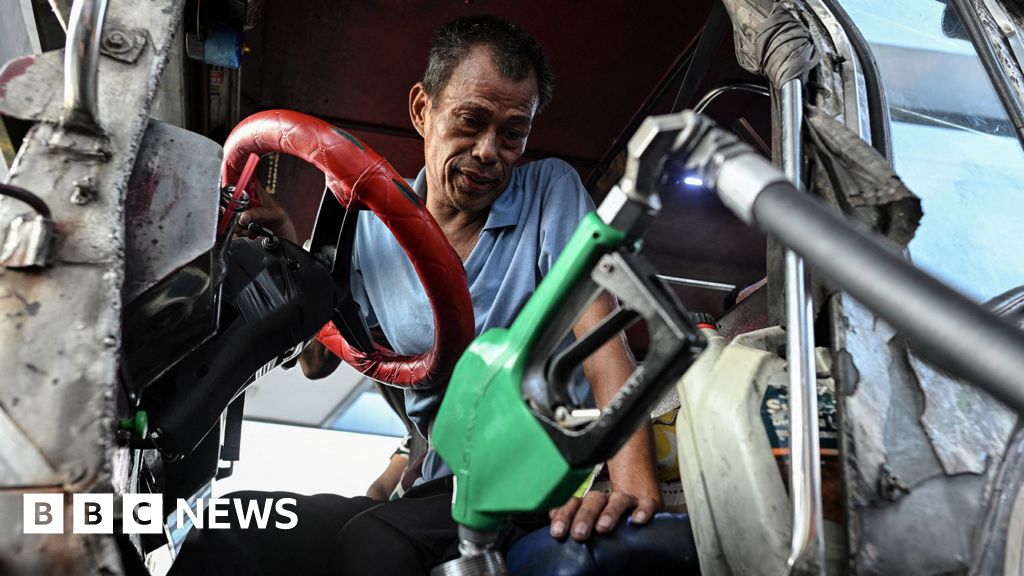
The Philippines was the first country in the world to declare a national energy emergency after the February 2026 US–Israel attacks on Iran, highlighting its dependence on oil imports and the government’s readiness to address soaring prices and volatility in the global oil supply. The declaration also underscored that Manila’s three-decade oil deregulation policy has severely restricted the government’s powers, prompting it to adopt emergency measures.
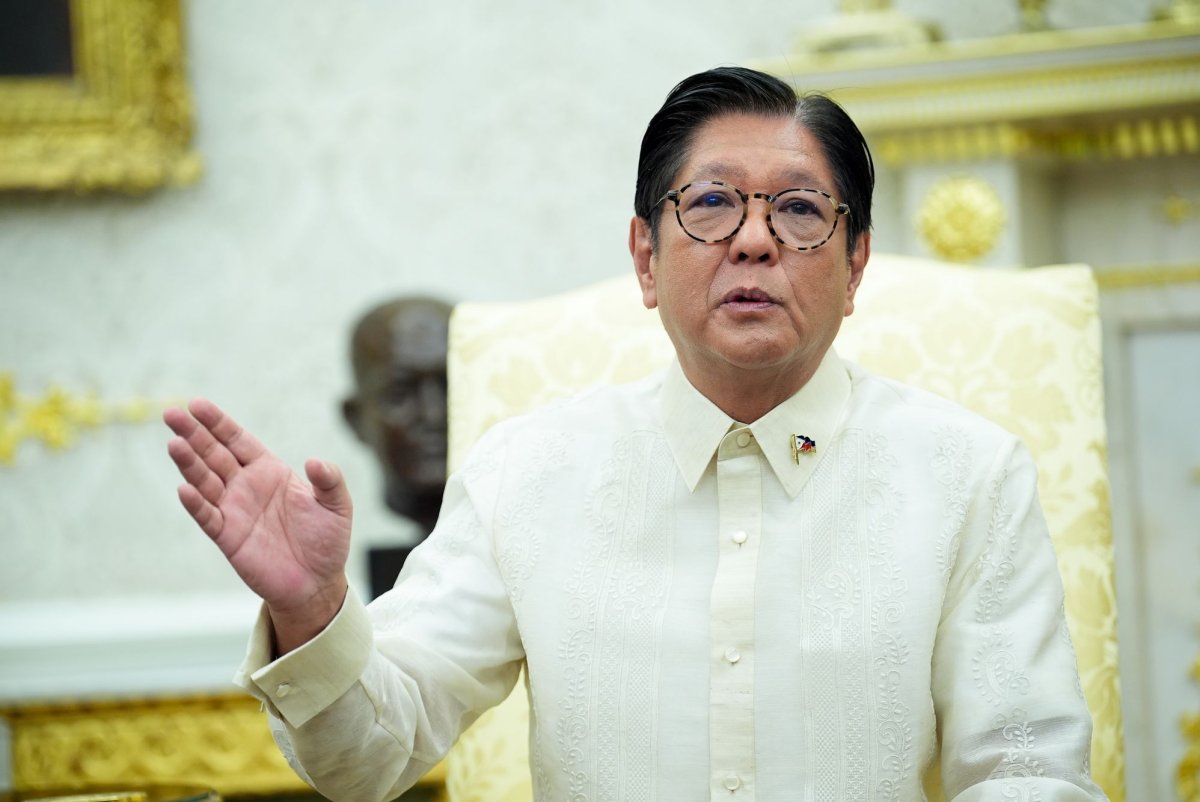
Philippine President Ferdinand Marcos Jr initially assured the public that oil supply remained adequate and that strong economic fundamentals would cushion the impact of the oil crisis. Yet on 24 March, he declared a state of energy emergency and even asked Congress to grant him powers to suspend excise tax on petroleum products.
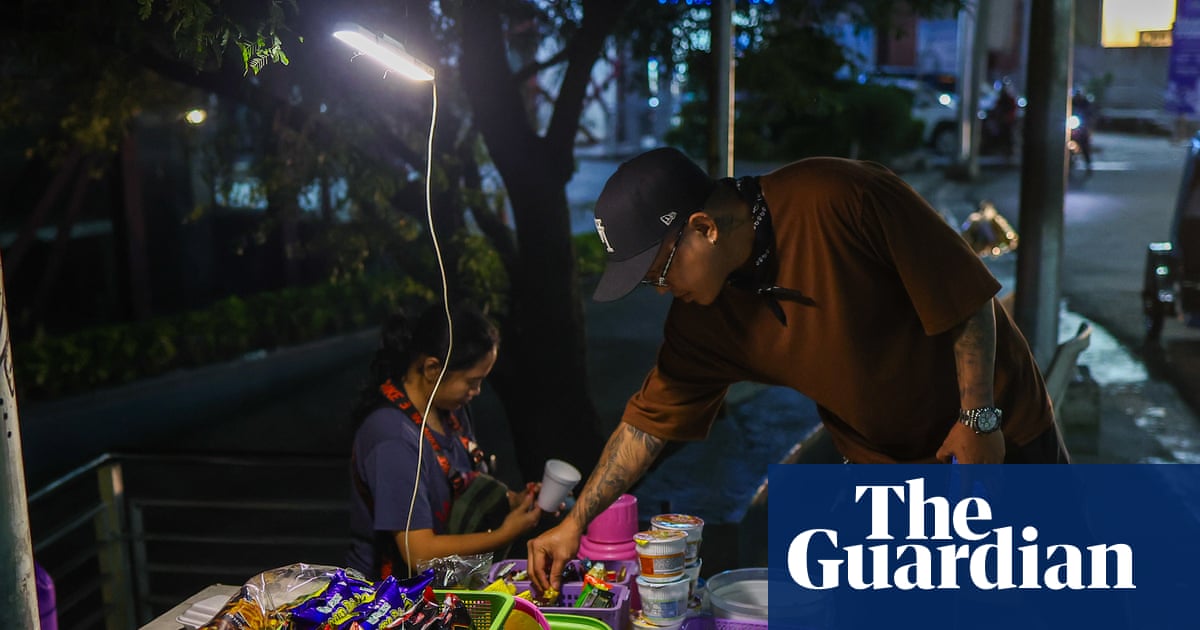
These drastic measures sought in part to pre-empt protests and calm the anxious public. Two waves of transport strikes and protests in March reflected rising dissatisfaction with the high cost of living compounded by skyrocketing oil prices. The massive anti-corruption protests that erupted in 2025 across the country had already activated a vigilant constituency demanding transparency and accountability from the government. Aware of the need to restore public trust, the Marcos Jr government had to prove that it is effectively managing the energy crisis and that the additional funds it is collecting from rising oil prices are fully accounted for.