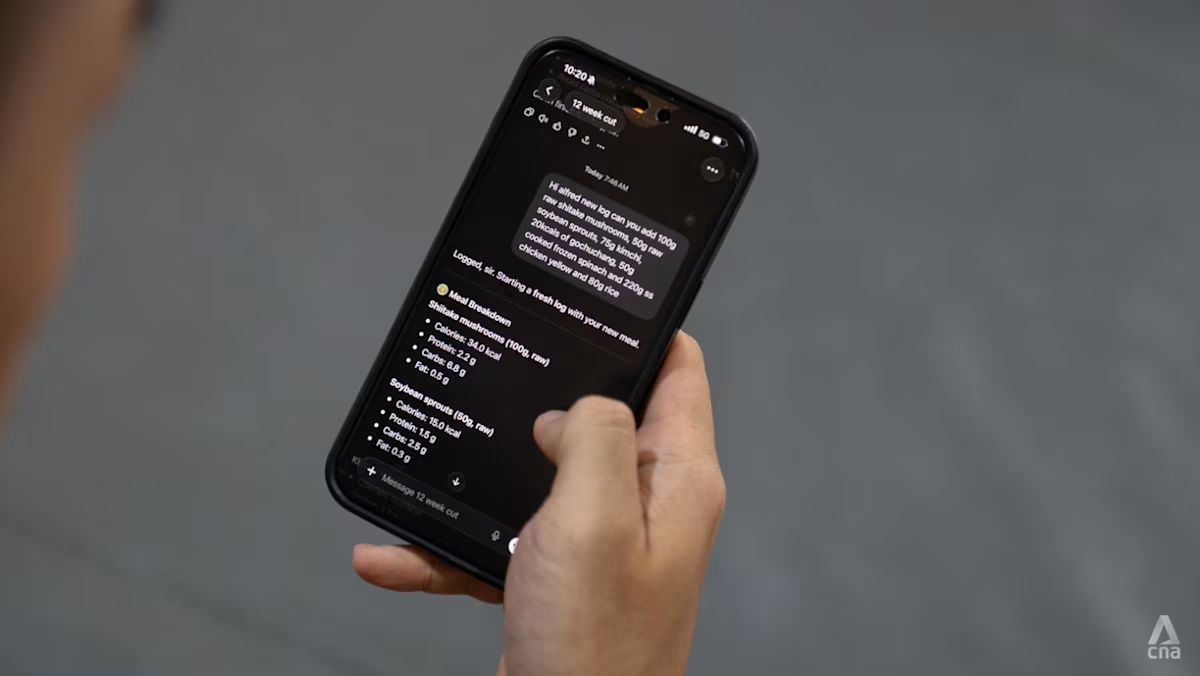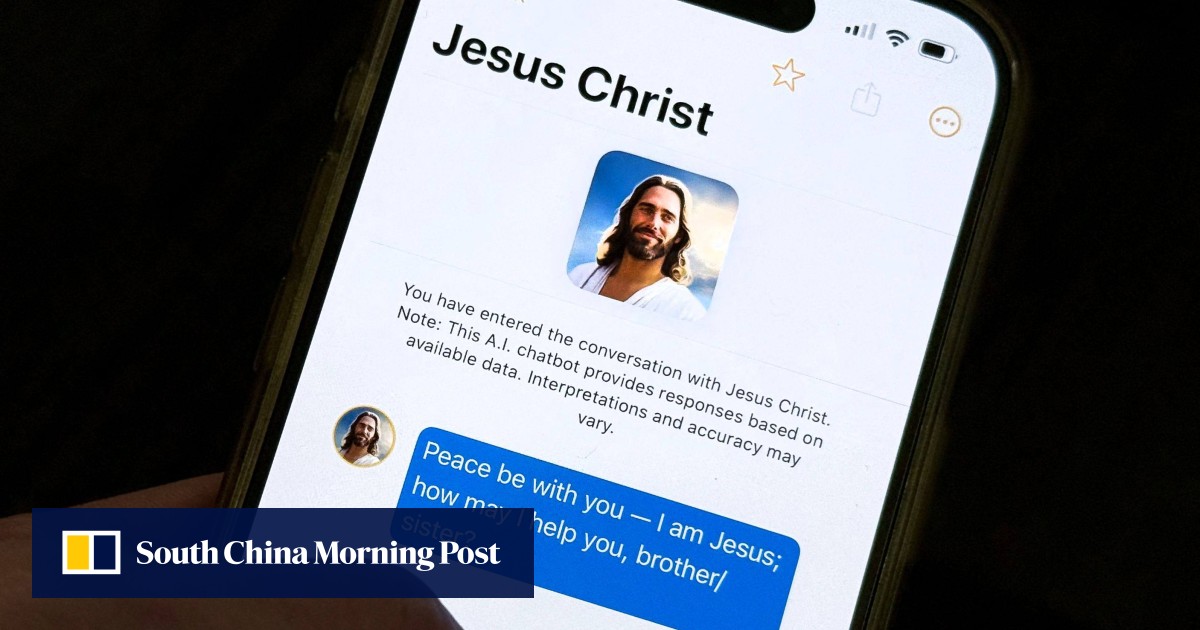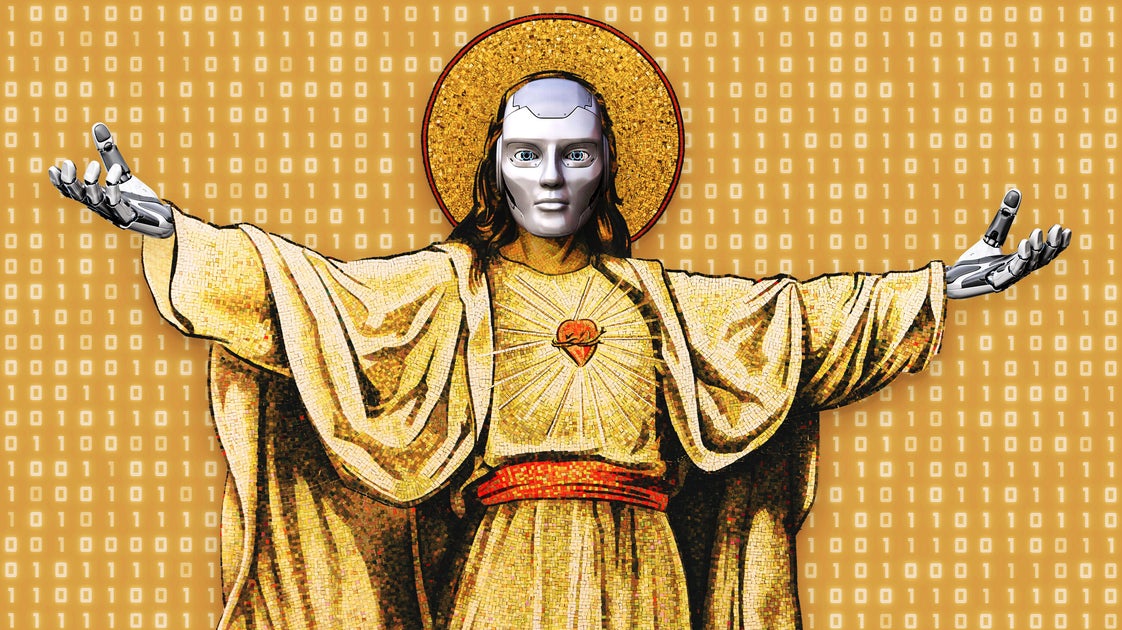
When Denise Kundai moved to the Dallas-Forth Worth, Texas, region from Arkansas, she didn’t yet have a church community or close friends in the area, so she turned to ChatGPT.
As a systems engineer, Kundai was used to asking OpenAI’s artificial intelligent chatbot questions for work, but she started asking the bot questions about her Christian faith, too.
“It was kind of taking the role of a pastor,” Kundai said. “I needed someone to talk to that wouldn’t judge me or that I could just reach out to anytime and would respond to me instantly.”
For about a 1 1/2 years until May 2025, Kundai would check with her ChatGPT multiple times a day about how to respond to conflicts with a family member as a Christian, and larger questions about how she should live her life. She would then read and meditate on its prayers.
“It would provide the scripture and ask, ‘Can I pray for you?’” Kundai recalled about her conversation with ChatGPT. This attentive call for prayer “made me feel a little bit seen, as weird as it sounds, because I gave it the context, and the prayer was very much something that a pastor would say,” she said.