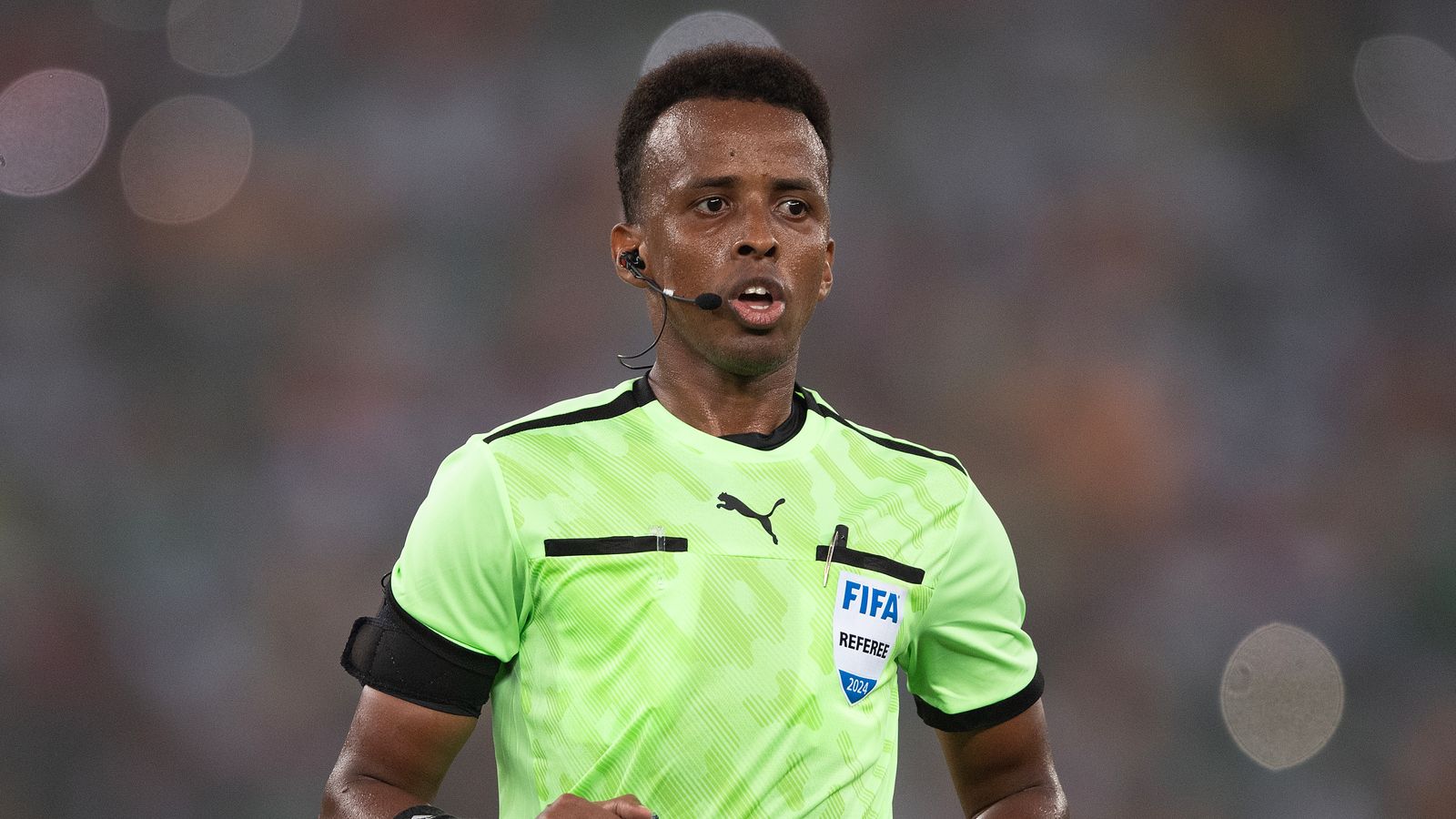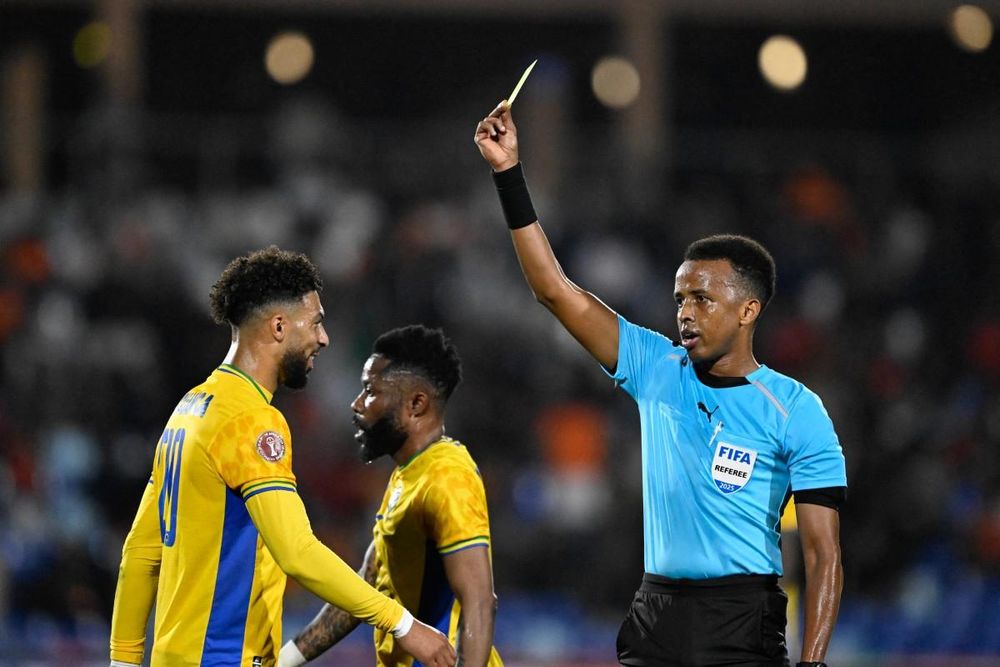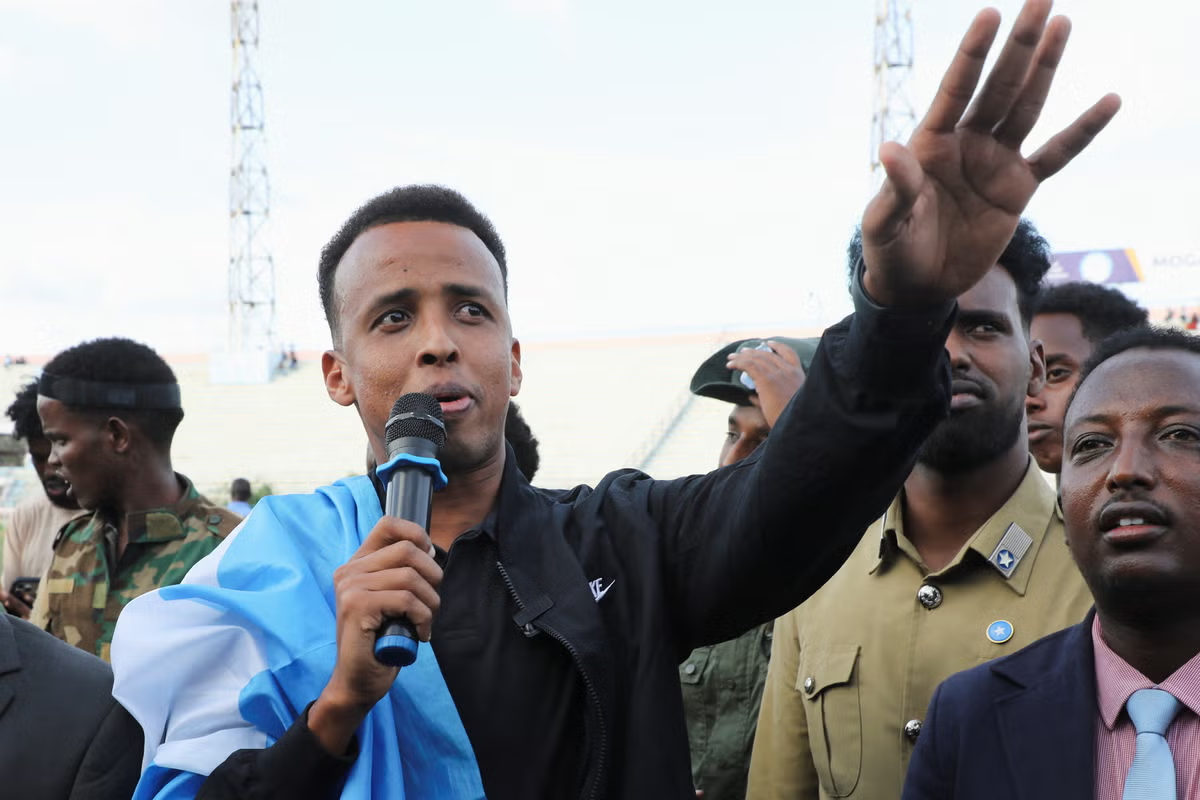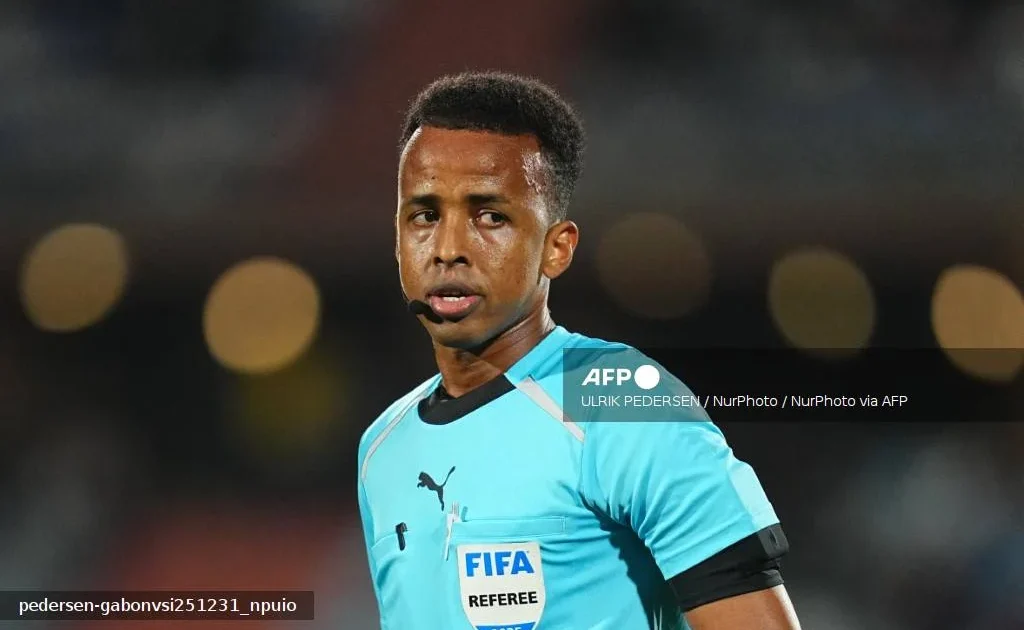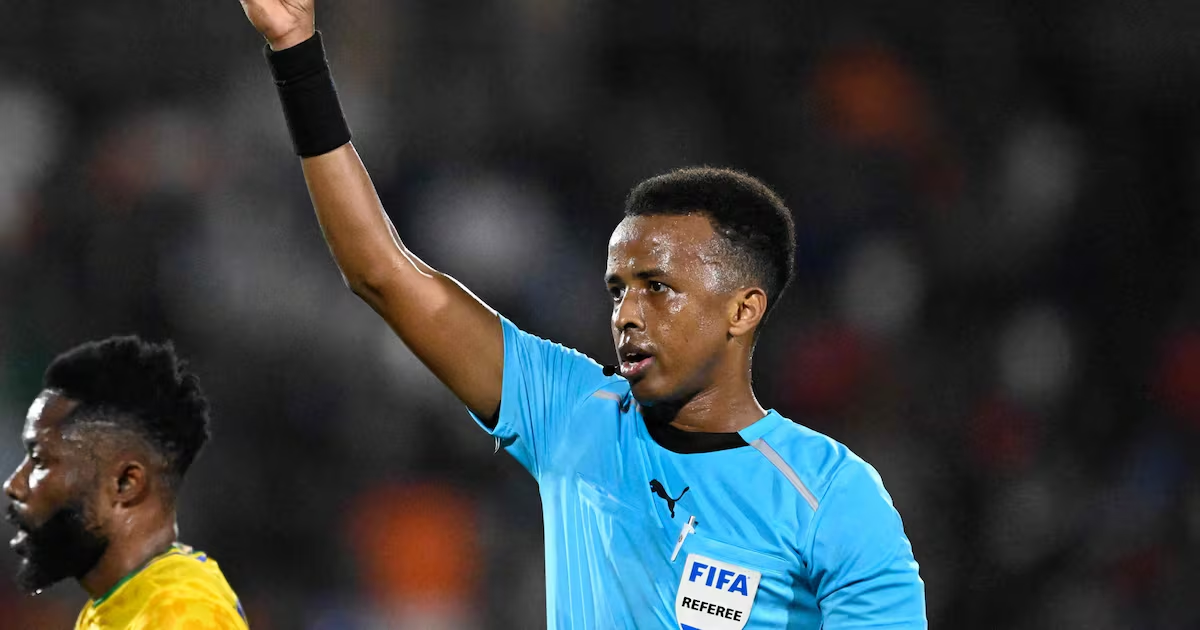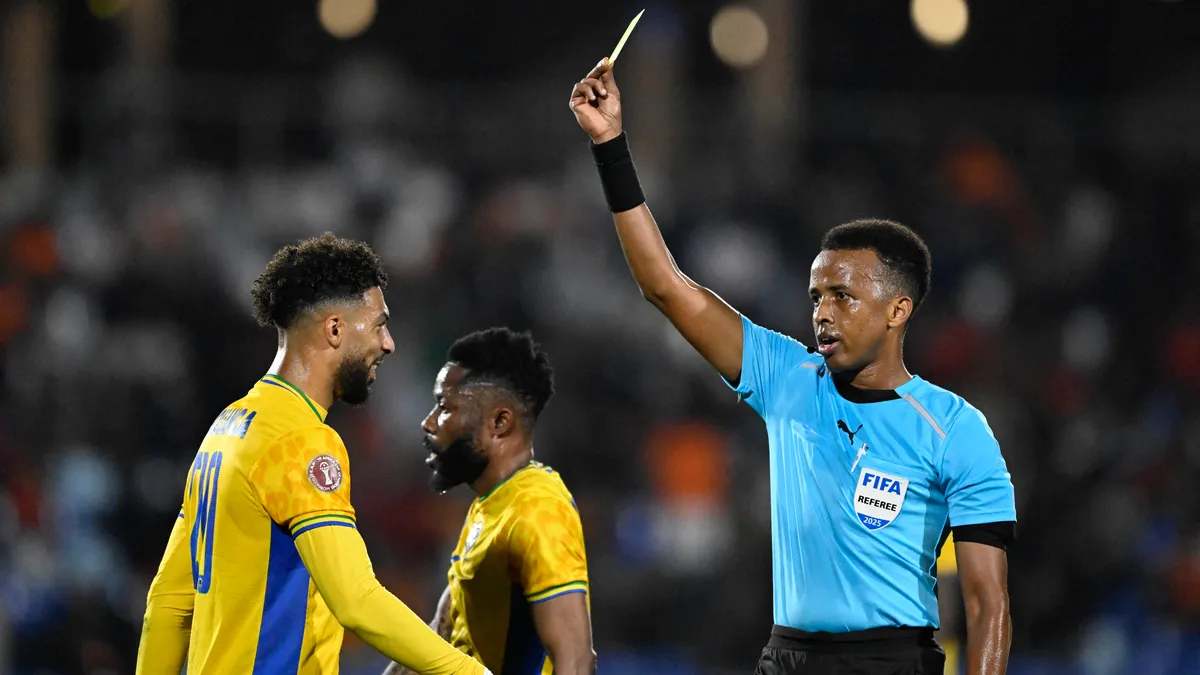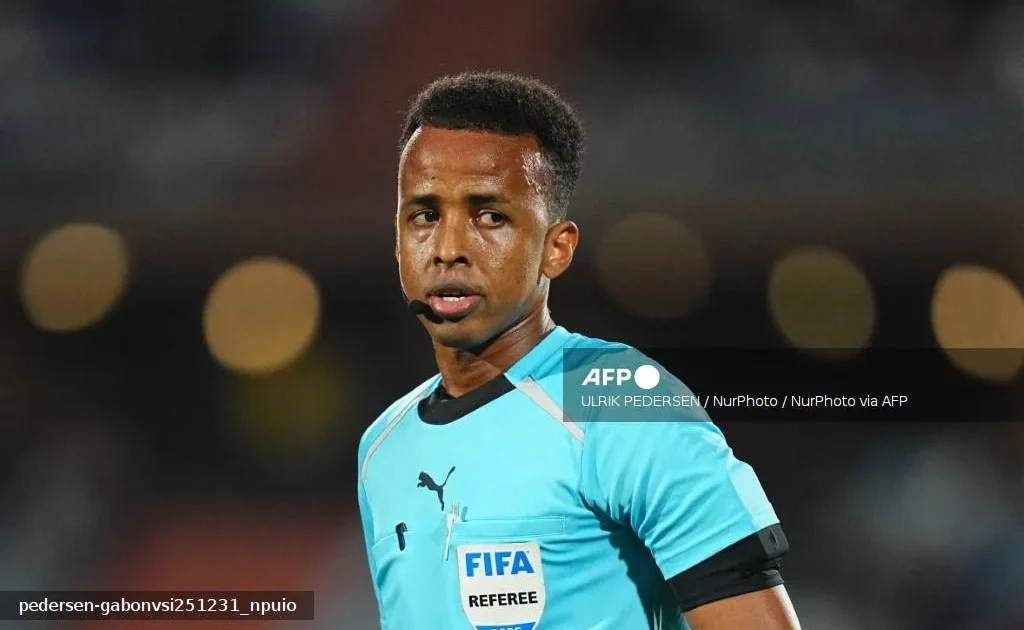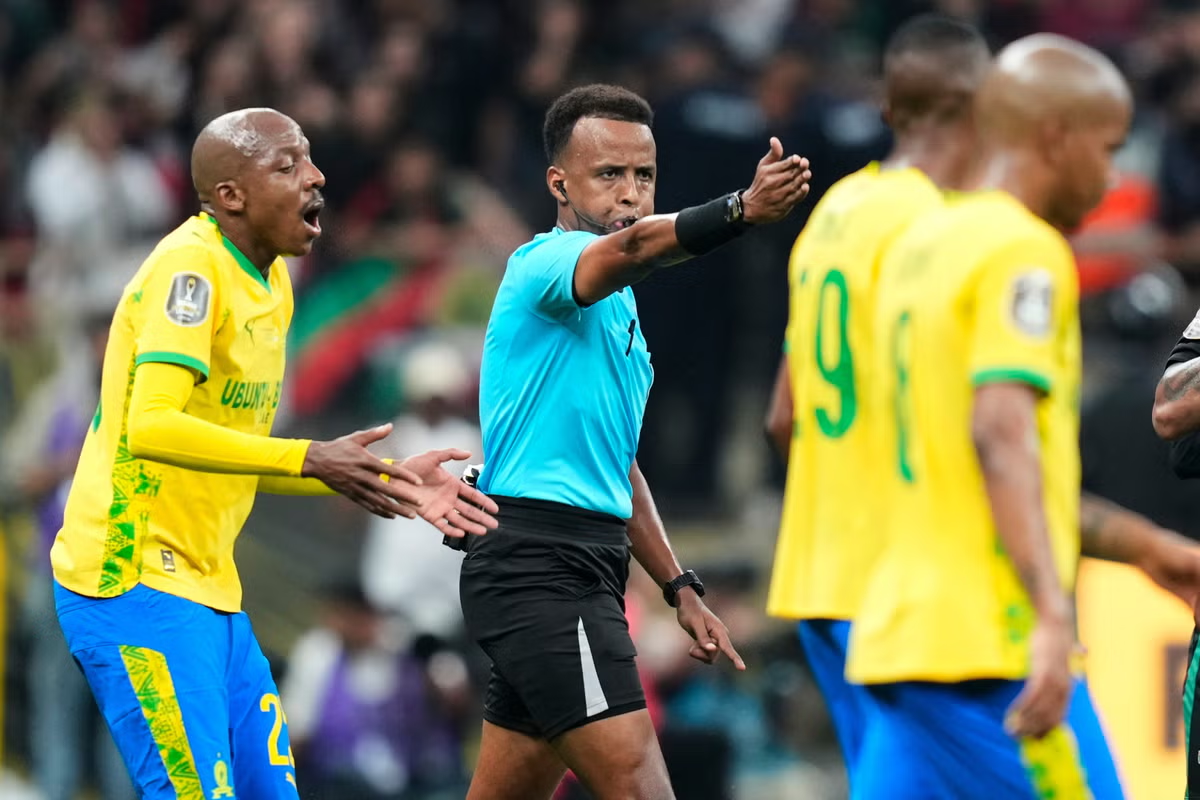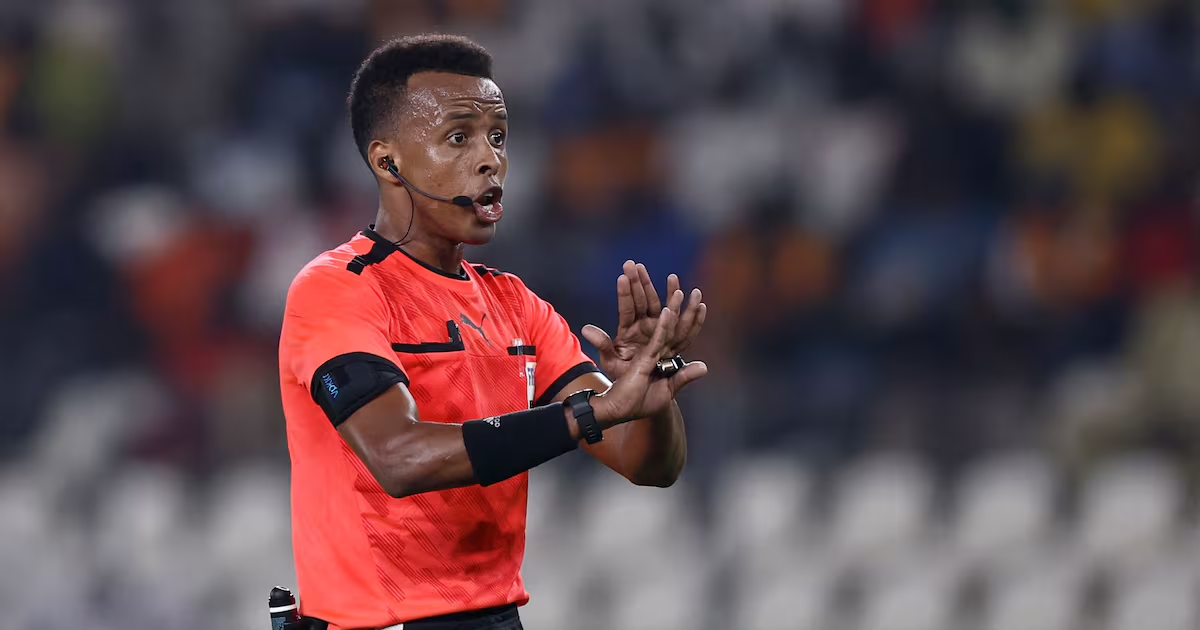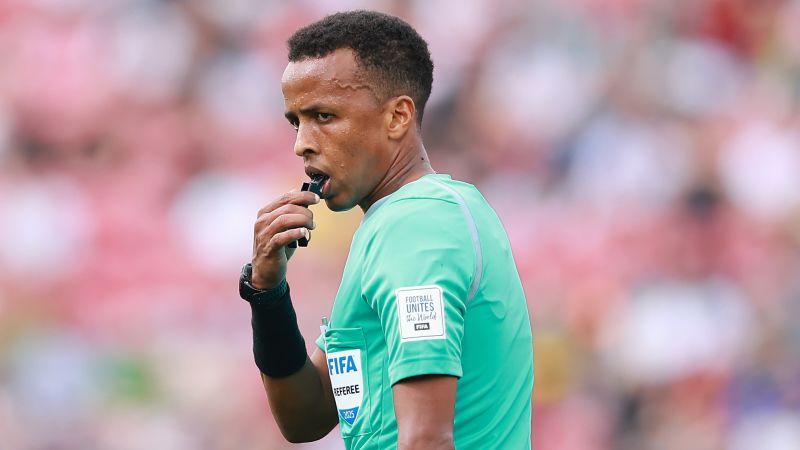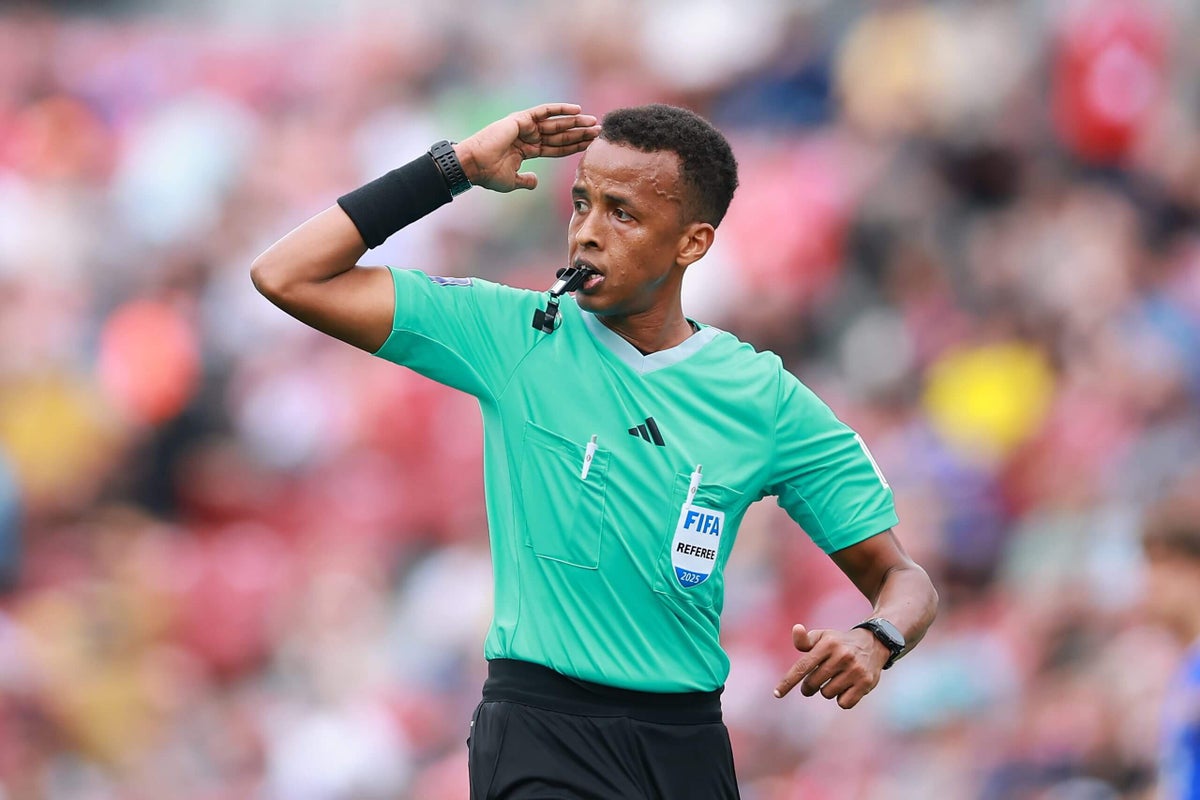
The treatment of Somali referee Omar Artan has horrified many of his fellow officials, who have nothing but sympathy for a man whom few have met or seen in action.Other referees worldwide know the personal sacrifices involved in reaching the top of the game, the intense competition for places at a World Cup and the crushing sense of disappointment Artan and his family and friends must now be feeling.A player can go from their club’s academy to the national team in a few seasons, but referees’ career pathways are gruelling in the extreme. In England, it takes referees almost 20 years on average from first blowing a whistle to joining the international list. You can become a brain surgeon more quickly.Most of that time is spent climbing a ladder while beset on all sides by snakes out to get you — or at least that’s how it feels.Artan’s progress was faster, which is typically the case in countries with a smaller footballing eco-system, but he would still have devoted hours to training, travelling and learning his craft for minimal reward. I hope he still receives the money he would have earned had he been allowed to take part. There should be just enough in FIFA’s kitty.His story is an allegory for refereeing football matches. U.S. Customs and Border Protection (CBP) may be able to defend its decision to refuse him access to the U.S. on the grounds it is applying a rule rigidly in the interests of consistency — and White House director Andrew Giuliani told the BBC he believes CBP took the right decision — but are there not times when common sense should prevail? Just as referees are expected to adapt their approach depending on the context of a match, surely border officials could have been more flexible given Artan’s reason for being in the country?Nonetheless, FIFA could have anticipated the potential problem, given the U.S. government’s policies on controlling entry to the country, and to Somali citizens in particular.As Africa’s highest-rated official, Artan would have dreamt of being appointed to a significant match in the group stages. Had that gone well, he may have earned another and even been able to do better than the six African referees at the 2022 World Cup, none of whom featured on-field during the knockout stages.It has been suggested that Artan could be based in Mexico or Canada, on the assumption that, unlike the U.S., they would have embraced the view that the World Cup is a global event that brings people of all nationalities together.But refereeing simply does not work like that and FIFA had no option but to cast Artan aside once he was denied entry at the border.All the officials, including the video assistant referees (VARs), stay at the same base for World Cups in much the same way as national teams. They train, watch matches and discuss incidents together every day. FIFA’s chief refereeing officer, Pierluigi Collina, will provide feedback to the group after each round of matches, with every key decision dissected and scrutinised.Omar Artan with FIFA’s Pierluigi Collina (Martin Fonseca/Eurasia Sport Images/Getty Images)The officials will reach agreement on how certain rules and regulations should be applied in practice. This could range from the relatively mundane, such as how to persuade teams to be ready to play at the end of water breaks, to more significant issues, such as how new rules to encourage faster restarts should be enforced fairly without being unnecessarily rigid.Artan could not take the field without all that background knowledge, for fear that he produced a performance out of kilter with FIFA’s expectations. His VAR could correct a major error, but not influence his general management of a game.Hopefully, Artan will be able to return in four or eight years’ time, but history suggests this is unlikely, even though at 34 he has age on his side. Of his continent’s Qatar 2022 sextet, only Algerian official Mustapha Ghorbal was selected for this tournament.His form may desert him, or injury might intervene. Former Premier League referee Dermot Gallagher’s big chance to officiate at a tournament came at the 1996 European Championship in England, but he ruptured his Achilles tendon 20 minutes into his first match, between France and Bulgaria at Newcastle United’s St James’ Park.Paul Durkin replaced Gallagher on the pitch that day and went on to represent England at the 1998 World Cup in France. Gallagher did not get a second chance, as if to prove that football is a brutal business with little room for sentiment.There were supposed to be 52 referees at the World Cup, the same number as in a pack of cards. Sadly, one of the deck will be missing over the next month, and for the remaining officials it won’t feel quite right that one of their number will be watching on TV, left to dream of what might have been.
Omar Artan was about to realise a dream. History shows he might never get this chance again
The Somali official was denied entry to the U.S. for the World Cup — his colleagues around the world feel his pain right now
830 words~4 min read