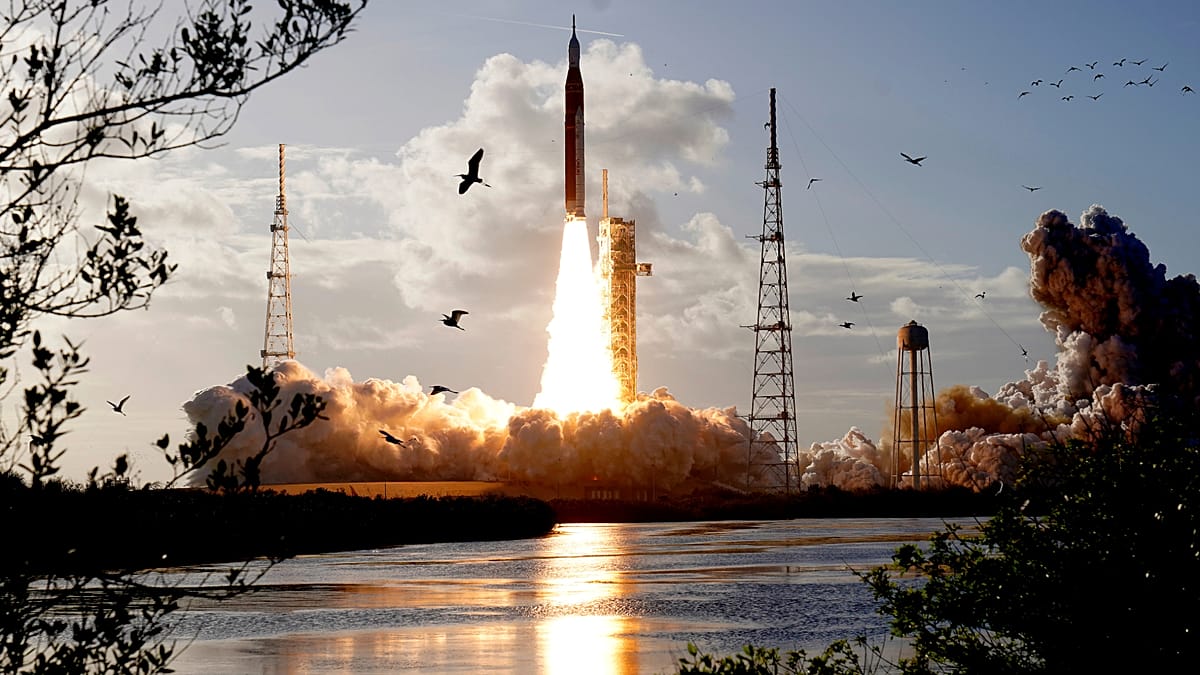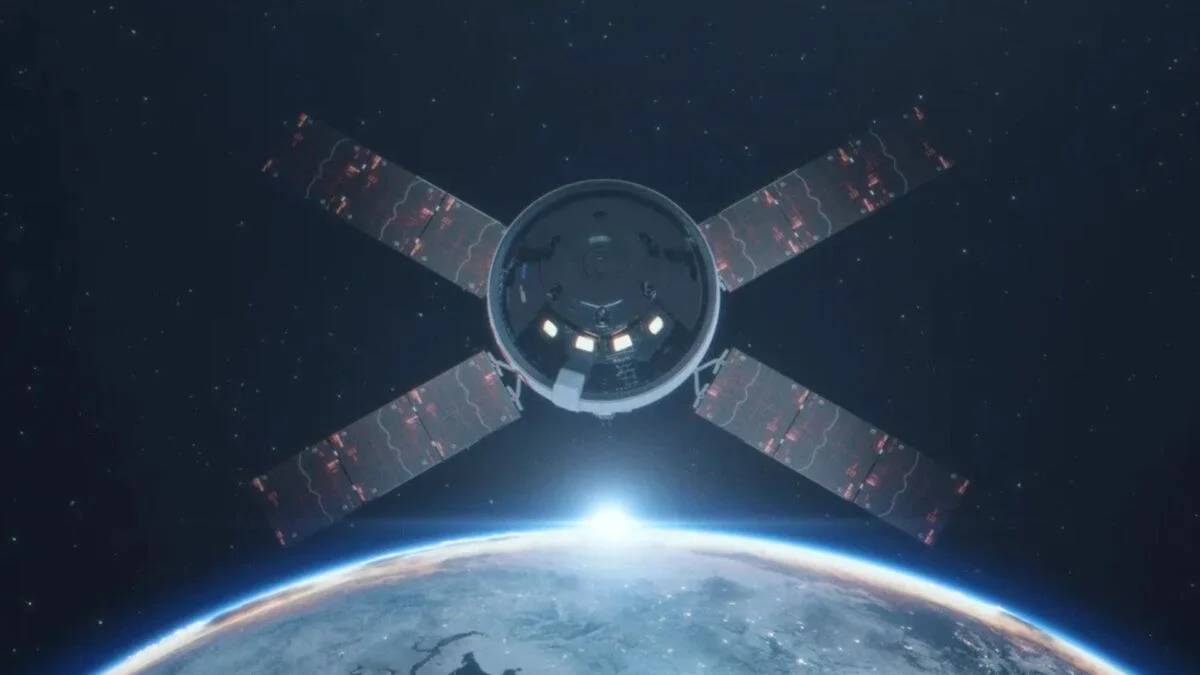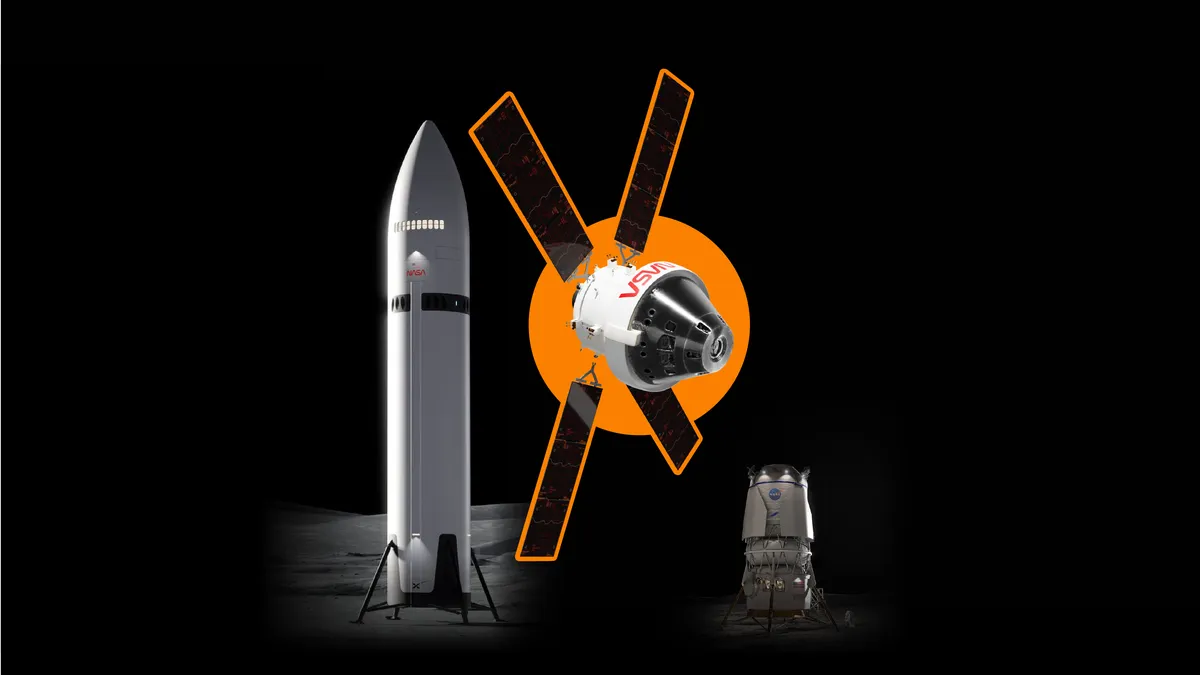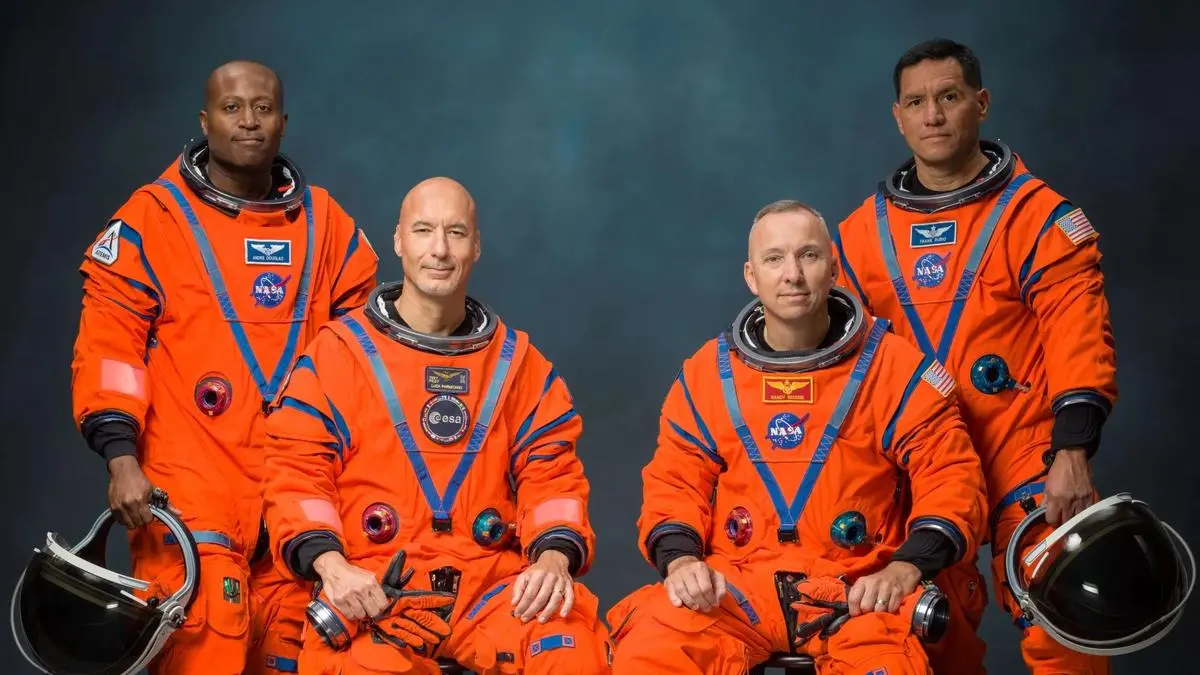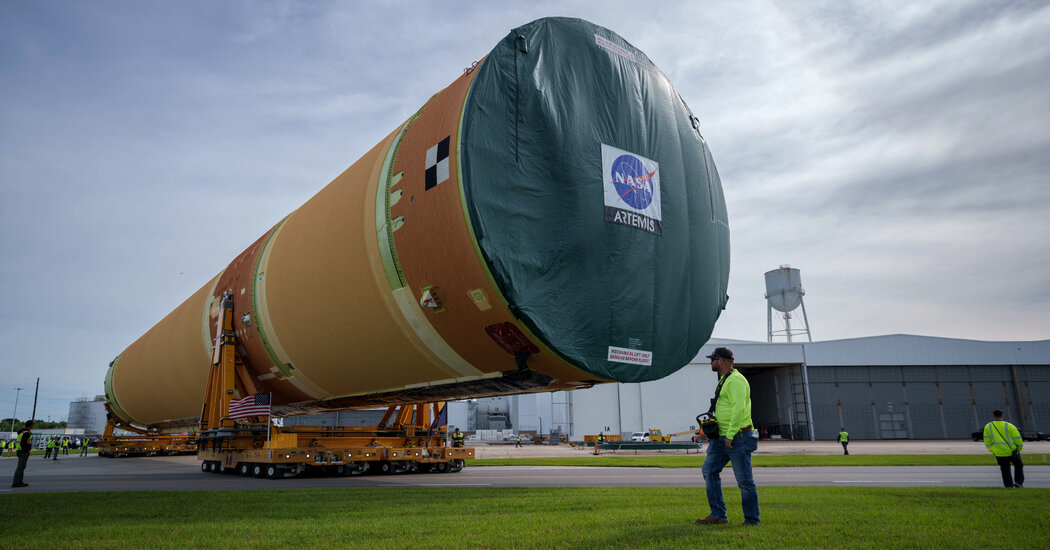
AdvertisementSKIP ADVERTISEMENTArtemis III is the third in a series of missions that gets humans closer to returning to the surface of the moon.Listen · 2:25 min Rolling out a section of NASA’s Space Launch System for the Artemis III mission in New Orleans in April.Credit...Matthew Hinton/Agence France-Presse — Getty ImagesBy Katrina MillerReporting from NASA’s Johnson Space Center in HoustonJune 9, 2026, 10:30 a.m. ETNASA wants to return humans to the surface of the moon for the first time in more than 50 years, and Artemis III is the third in a series of missions that gets us a little bit closer. If successful, it positions the agency to establish a permanent presence on the lunar surface and eventually send astronauts to Mars.In April, Artemis II sent four astronauts on a 10-day journey around the far side of the moon, but Artemis III won’t be flying anywhere near it. Instead, its crew will orbit around Earth to test the ability of NASA’s Orion spacecraft, which holds the astronauts, to rendezvous and dock with one or two lunar landers.The flight will allow NASA to test maneuvers in space that will be performed in future Artemis missions. During a real moon landing, the astronauts would transfer to a lander docked to the Orion spacecraft. The lander would then be used to carry the crew from lunar orbit to the surface of the moon and back.Two landers for the Artemis program are being developed by SpaceX and Blue Origin. NASA plans to use one or both of them during the Artemis III mission.Artemis III was supposed to occur in 2028 and be the first lunar landing attempt in decades, but in February, NASA announced an overhaul of the program timeline. The agency is now aiming to fly the mission in mid-2027, and it will stay within the vicinity of Earth. Testing maneuvers for the first time in low-Earth orbit, instead of at the moon, makes Artemis III simpler and less risky to pull off.It also increases the frequency of flights performed with NASA’s giant Space Launch System rocket and Orion, which is helpful for engineers diagnosing and fixing problems with the rocket or the spacecraft.Key details about Artemis III are still unknown, including the duration of the mission, whether the astronauts will try to enter a lunar lander after docking and if any scientific research will be conducted. NASA is expected to provide a progress update during the crew announcement on Tuesday.Katrina Miller is a science reporter for The Times based in Chicago. She earned a Ph.D. in physics from the University of Chicago.AdvertisementSKIP ADVERTISEMENT
What Is Artemis III? What to Know About NASA’s Latest Space Mission.
Artemis III is the third in a series of missions that gets humans closer to returning to the surface of the moon.
431 words~2 min read