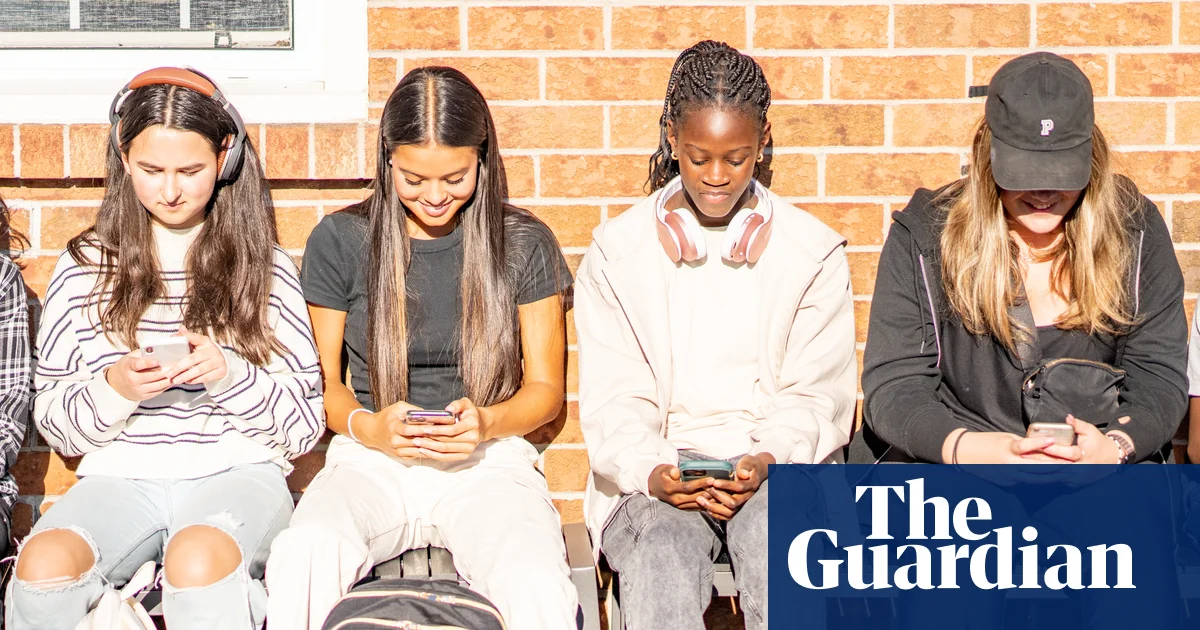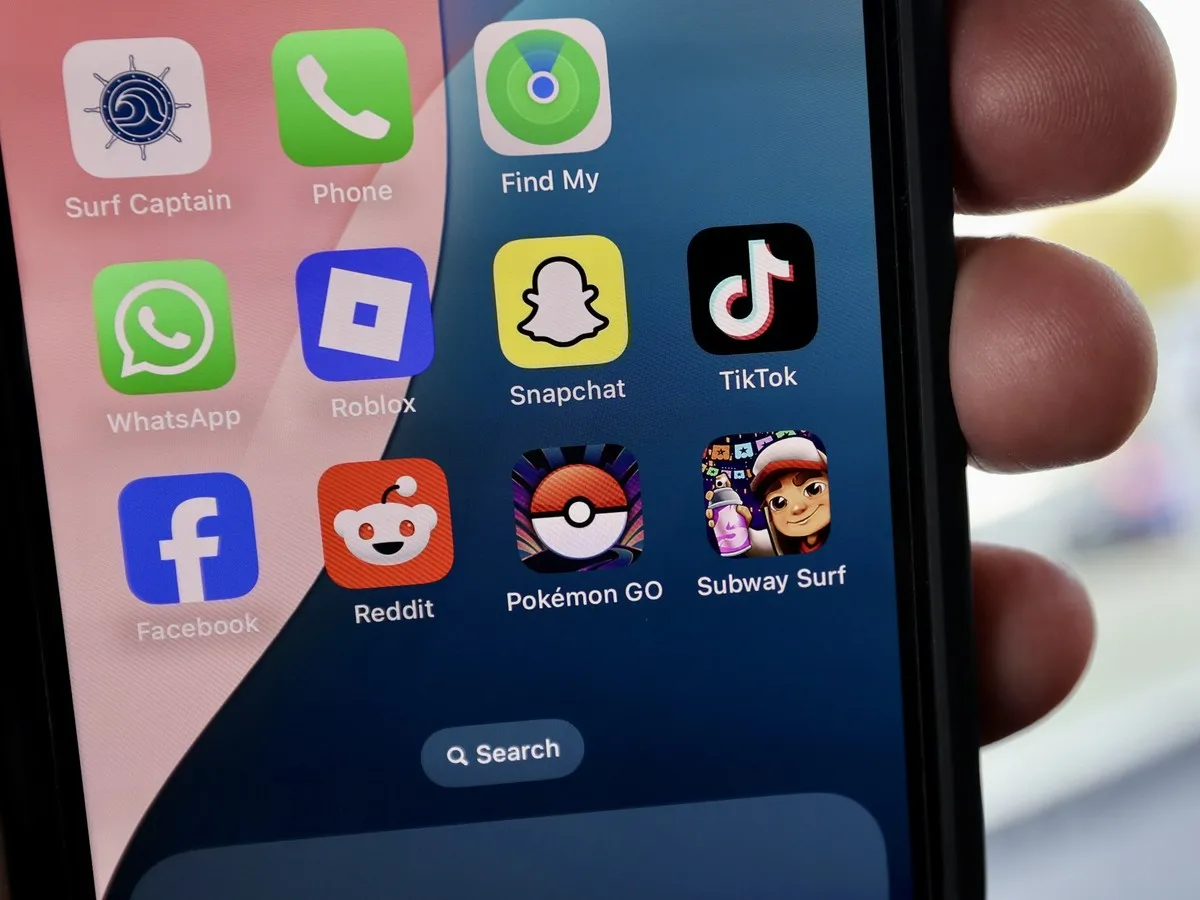
Skip to Content Subscribe Our Offers My Account Manage My Subscriptions FAQ Newsletters Canada Canadian True Crime Canadian Politics Health World Israel & Middle East Financial Post NP Comment Longreads Puzzmo Diversions Comics NP News Quiz New York Times Crossword Horoscopes Life Eating & Drinking Style Sponsored Play for Ontario Travel Travel Canada Travel USA Travel International Cruises Travel Essentials Culture Books Celebrity Movies Music Theatre Television Business Essentials Advice Lives Told Tails Told Shopping Buy Canadian Home Living Outdoor Living Kitchen & Dining Tech Style & Beauty Personal Care Entertainment & Hobbies Gift Guide Travel Guide Amazon Prime Day Deals Savings National Post Store More Sports Hockey Baseball Basketball Football Soccer Golf Tennis Driving Vehicle Research Reviews News Gear Guide Obituaries Place an Obituary Place an In Memoriam Classifieds Place an Ad Celebrations Working Business Ads Archives Healthing Epaper Manage Print Subscription Profile Settings My Subscriptions Saved Articles My Offers Newsletters Customer Service FAQ Newsletters Canada World Financial Post NP Comment Longreads Puzzmo Diversions Life Shopping Epaper Manage Print Subscription HomeNewsWorldThe countries implementing social media bans for children, as Canada joins a growing listCarney’s government is expected to table legislation this week that would ban social media for children under 16 years oldLast updated 10 minutes ago You can save this article by registering for free here. Or sign-in if you have an account.Governments around the world are considering ways to restrict social media use for children.On Monday, a government official confirmed plans to propose a ban on social media use for children under the age of 16 in Canada.Enjoy the latest local, national and international news.Exclusive articles by Conrad Black, Barbara Kay and others. Plus, special edition NP Platformed and First Reading newsletters and virtual events.Unlimited online access to National Post.National Post ePaper, an electronic replica of the print edition to view on any device, share and comment on.Daily puzzles including the New York Times Crossword.Support local journalism.Enjoy the latest local, national and international news.Exclusive articles by Conrad Black, Barbara Kay and others. Plus, special edition NP Platformed and First Reading newsletters and virtual events.Unlimited online access to National Post.National Post ePaper, an electronic replica of the print edition to view on any device, share and comment on.Daily puzzles including the New York Times Crossword.Support local journalism.Create an account or sign in to continue with your reading experience.Access articles from across Canada with one account.Share your thoughts and join the conversation in the comments.Enjoy additional articles per month.Get email updates from your favourite authors.Create an account or sign in to continue with your reading experience.Access articles from across Canada with one accountShare your thoughts and join the conversation in the commentsEnjoy additional articles per monthGet email updates from your favourite authorsSign In or Create an AccountorThe bill is expected to be tabled on Wednesday and will include provisions that allow platforms to seek exemptions if they can demonstrate that their platforms adequately protect young users.It’s not the first time the Liberals have moved to tackle the harms users may face on social media. The Trudeau government’s Bill C-63 proposed requiring platforms to submit annual safety plans outlining how they would reduce users’ exposure to harmful content, but the bill died in Parliament in early 2025.Meanwhile, Australia became the world’s first country to ban social media for children under 16 in December last year. Since then, governments around the world have signalled their intent to curb children’s social media access. Here’s a rundown of their plans.Get a dash of perspective along with the trending news of the day in a very readable format.By signing up you consent to receive the above newsletter from Postmedia Network Inc.A welcome email is on its way. If you don't see it, please check your junk folder.The next issue of NP Posted will soon be in your inbox.We encountered an issue signing you up. Please try againAustralia’s social media ban, which came into effect on December 10, 2025, was a world first, placing the responsibility for child safety online not on parents or children, but on social media companies.The legislation forced major platforms to block minors under 16 and, a month later, the eSafety Commissioner said social media companies had so far removed about 4.7 million accounts held by under-16s.But the legislation is not without its criticisms. Research shows that many children have evaded the restrictions and are still accessing social media in Australia, raising questions about the ban’s effectiveness. Online safety advocacy group the Molly Rose Foundation found that three in five (61 per cent) of Australian 12 to 15-year-olds who had accounts on restricted platforms before the ban came into force still have access to one or more accounts.China’s cyberspace regulator has introduced “minor mode,” which includes limits on screen time depending on age, as well as imposing device-level restrictions and app-specific rules.Denmark said in November 2025 that the government had reached an agreement to implement a minimum age requirement of 15 years old on certain social media platforms. However, parents will be able to grant access to certain platforms for children aged 13 or older.French lawmakers have passed a bill that would ban social media use by under-15s in January, but the bill must pass through the Senate before it becomes law.Germany allows minors aged 13 to 16 to use social media only with parental consent. In February, Germany’s ruling conservatives passed a motion to ban social media use for under-14s and introduce more stringent digital verification checks for teenagers.Indonesia began rolling out a ban on social media for children under 16 in March, but enforcement and account deactivation are expected to happen gradually.Children under 14 need parental consent to sign up for social media accounts in Italy, but no consent is required above that age.Malaysia’s communications regulator said on June 1 that the country has begun blocking users under 16 from registering new social media accounts. It added that age verification for existing users will be rolled out progressively over the next six months.Companies that fail to comply could face penalties, but parents whose children manage to bypass the law will not be penalized.In 2024, the Norwegian government announced plans to increase the minimum age limit on social media from 13 to 15. In April, Norway said it plans to present a bill in parliament before the end of the year that would ban children from using social media until they turn 16 and make technology companies responsible for age verification.In February, Poland’s ruling party said it is preparing legislation that would ban children under 15 from using social media and require platforms to verify users’ ages.Slovenia’s deputy prime minister said in February that the government is preparing draft legislation to ban social media access for children under 15.Spain plans to ban access to social media for minors under 16, with platforms required to implement age verification systems, Prime Minister Pedro Sanchez said in February.On June 2, a government-appointed commission recommended that Sweden introduce a minimum age of 15 for the use of social media.On April 24, Turkey’s parliament passed a bill that includes restricting access to social media platforms for children under 15. The legislation would also force social media platforms to install age‑verification systems, provide parental control tools and require companies to rapidly respond to content deemed harmful.U.K. Prime Minister Keir Starmer is expected to announce a ban on some social media platforms for under-16s next week.Under the plans, businesses such as Google and Apple will be required to use technical solutions to detect and block nude images for children, and face fines or other regulations if they fail to do so.The Kids Online Safety Act (KOSA) in the U.S. passed the Senate in 2024 but was met with concern from GOP leadership in the House.The bill was reintroduced last month, and would require social media companies to “exercise reasonable care” in designing features that contribute to harm to minors.KOSA is separate from the Children’s Online Privacy Protection Act, which prevents companies from collecting personal data from children under 13 without parental consent.Many social media platforms, including TikTok, Facebook and Snapchat, say users must be at least 13 to sign up. But critics say this is insufficient, especially as many children under that age have their own social media accounts.Previous research by MediaSmarts, Canada’s centre for digital media literacy, found that close to nine in 10 Canadian youth (86 per cent) aged nine to 11 have an account on at least one platform that requires users to be 13 or older.Meanwhile, Apple announced that it is expanding tools for parents to protect children online on Monday. Beginning with software updates this fall, parents will be able to use children’s account features to pick which apps they can use and control which websites they can view.The tech company already lets parents create special accounts for children.Recent polling suggests the majority of Canadians are in favour of a social media ban for children.In May, a national survey conducted by Leger found that seven in 10 Canadians support banning social media access for children under 16.Meanwhile, 83 per cent of Canadians said they are concerned about the potential negative impact of social media on children and teenagers, with concern especially high among women and Canadians aged 55 and older.Similarly, research from the Angus Reid Institute published in March found that three-quarters of Canadians support a full ban on social media use for anyone under the age of 16. However, the majority said that the responsibility for regulating social media use should fall to the parents (72 per cent) rather than governments (20 per cent).Provinces are also weighing their own approaches to banning social media, with Manitoba announcing a move toward restrictions on social media and AI chatbots for children earlier this year. Government officials from other provinces, including Ontario and Saskatchewan, say they are considering doing the same.Our website is the place for the latest breaking news, exclusive scoops, longreads and provocative commentary. Please bookmark nationalpost.com and sign up for our newsletters here. Join the Conversation This website uses cookies to personalize your content (including ads), and allows us to analyze our traffic. Read more about cookies here. By continuing to use our site, you agree to our Terms of Use and Privacy Policy.
The countries implementing social media bans for children, as Canada joins a growing list
The Carney government is set to propose a ban on social media for children under 16. These are the countries considering the same rule.
1,703 words~8 min read